Brooklyn’s Heartbeat Through the Crisis: Navigating COVID-19’s Uncharted Waters
In early 2020, New York City, a vibrant global metropolis, found itself at the epicenter of a challenge unlike any in recent memory. The directive to “shelter in place” transformed our bustling streets and lively neighborhoods, including the diverse communities of Brooklyn, into quiet landscapes, reflecting the gravity of the unfolding Coronavirus pandemic. Hospitals across all five boroughs faced unprecedented strain, grappling with an overwhelming surge of patients and critical shortages of essential supplies—from personal protective equipment (PPE) that doctors and nurses desperately needed, to life-saving ventilators. As the virus spread relentlessly, the city endured, often feeling the weight of the crisis amplified by fragmented political responses on the federal level, underscoring the vital importance of local resilience and community action.
The ripple effects of this global health emergency permeated every aspect of daily life. For millions of New York City schoolchildren, including those right here in Brooklyn, the familiar rhythm of the school day was abruptly interrupted. Traditional classrooms gave way to digital screens, as students embarked on day two, then week after week, of learning from home via platforms like Zoom. This sudden shift presented new challenges and opportunities for students, parents, and educators alike. Beyond academics, the city’s dynamic economic engine also faltered; once-common home renovation projects, symbols of progress and investment, largely came to a standstill, mirroring the widespread uncertainty and economic caution that swept through our neighborhoods.
The Daily Transformation: Life Under Shelter-in-Place in Brooklyn
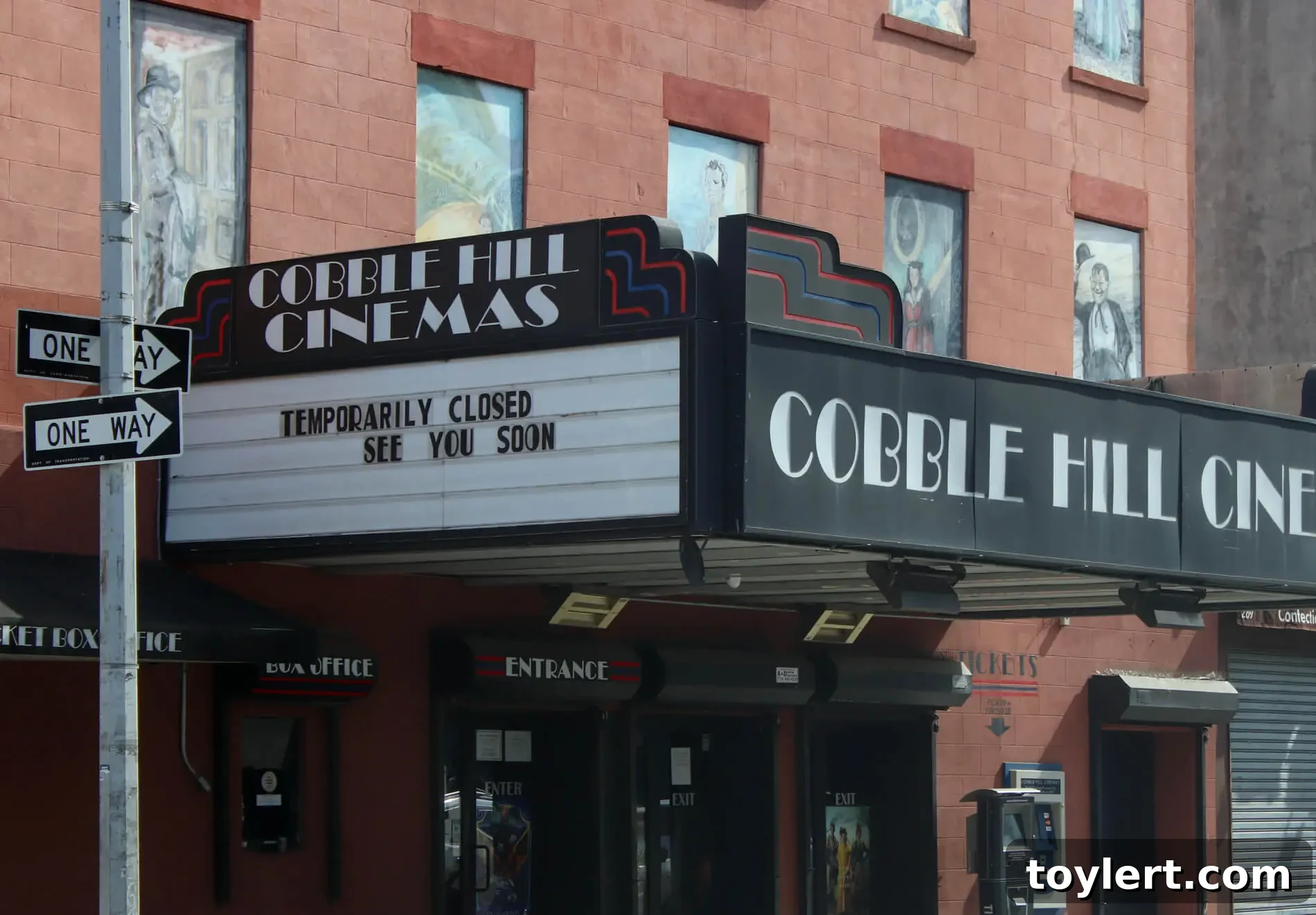
The “shelter-in-place” order was not merely a suggestion; it was a fundamental redefinition of daily existence for Brooklynites. A borough known for its vibrant street life, bustling cafes, and close-knit community interactions, suddenly navigated a new paradigm of physical distancing. Parks, once teeming with activity, became spaces for solitary contemplation or carefully distanced walks. Local businesses, the lifeblood of our diverse neighborhoods, faced immense pressure, adapting rapidly to new safety protocols or making the difficult decision to pause operations. Meanwhile, essential workers, from grocery store clerks to sanitation engineers, bravely continued their duties, ensuring that crucial services remained operational and becoming the undeniable heroes of this transformed reality.
The initial weeks of lockdown were a period of intense adjustment and collective discovery. Simple tasks like grocery shopping evolved into strategic missions, demanding masks, meticulous sanitization, and often, patience for long queues. The pervasive sense of uncertainty was palpable, yet amidst the apprehension, a distinct sense of community solidarity began to emerge. Neighbors actively checked on neighbors, spontaneous mutual aid networks formed to support the vulnerable, and the collective spirit of Brooklyn, though physically distanced, paradoxically grew stronger in its resolve. This era forced us to slow down, reconsider our priorities, and recognize the deep interdependence within our urban ecosystem.
Remote Learning’s Rapid Ascent: A New Era for Education
The transition to remote learning represented one of the most significant societal shifts, posing unprecedented challenges and simultaneously unlocking new avenues for education. For parents, it meant balancing professional responsibilities, household management, and newfound roles as co-educators, often navigating complex online platforms alongside their children. For students, from elementary schoolers to high school seniors, it required immense adaptability to virtual classrooms, grappling with technology, and confronting the absence of vital in-person social connections. Educators, in turn, worked tirelessly, often under immense pressure, to reinvent their teaching methods, striving to maintain student engagement, deliver quality instruction, and provide a sense of continuity amidst the widespread crisis.
This rapid educational pivot highlighted several critical aspects:
- Technological Deployment: Schools quickly mobilized to deploy laptops, tablets, and internet hotspots, attempting to bridge the digital divide and ensure equitable access for all students, though challenges in connectivity and device access sometimes persisted.
- Parental Engagement: Parents became more deeply integrated into their children’s daily learning processes, fostering a unique and often intense partnership with teachers and school administrators.
- Social-Emotional Well-being: Addressing the isolation, anxiety, and stress experienced by students became a paramount concern, with schools implementing virtual counseling and support services.
- Innovative Pedagogy: Teachers developed creative new strategies to deliver lessons, foster virtual classroom communities, and support student engagement and well-being from a distance, pushing the boundaries of traditional teaching.
This period of educational upheaval not only underscored the critical role of technology in modern learning but also illuminated the profound dedication of our educators and the remarkable adaptability of our children. It also sparked crucial conversations about the future of education, even as the immediate focus remained on successfully navigating the present.
Economic Fallout and Local Resilience: Projects on Pause, Dreams Deferred
Beyond individual households, the pandemic delivered a severe and immediate shock to the local economy. The widespread halt in non-essential activities meant that industries like construction and home renovation, traditionally robust sectors in a dynamic city like New York, largely ceased operations. Contractors, skilled laborers, and material suppliers across Brooklyn faced immediate economic uncertainty, with countless livelihoods impacted by project cancellations and job losses.
Small businesses, the vibrant backbone of Brooklyn’s diverse neighborhoods, felt the brunt of the crisis most acutely. Independent restaurants, unique boutiques, personal service salons, and countless other local establishments struggled with mandated closures, drastically reduced capacities, and a precipitous drop in pedestrian traffic. The initial uncertainty surrounding government aid programs, coupled with the relentless burden of rent and utilities, pushed many beloved local spots to the brink of collapse. In response, supporting these businesses became a vital act of community preservation, with residents finding creative ways to order takeout, shop online, purchase gift cards, and contribute to local relief efforts, underscoring the profound connection between community well-being and economic vitality.
Brooklyn’s Enduring Spirit: Acts of Kindness and Community Support
Despite the immense and often overwhelming challenges, Brooklyn’s unwavering spirit of community shone brightly throughout the crisis. From the heartwarming window displays thanking essential workers to the resonant nightly applause for healthcare heroes that echoed through city streets, acts of solidarity and appreciation were evident everywhere. Neighbors organized informal food drives, masked volunteers diligently delivered groceries and medications to the elderly and immunocompromised, and virtual support groups rapidly emerged to combat the pervasive feelings of isolation. This collective outpouring of care and mutual aid underscored the deep-seated connections and empathetic bonds that truly define our borough.
The pandemic also prompted a collective reevaluation of what truly matters in our lives. Many found renewed appreciation for their local parks as sanctuaries, for a friendly wave from a neighbor across the street, or for the simple comfort and joy of connecting with loved ones through a screen. While the necessity of physical distancing was undeniably difficult, it frequently led to a profound strengthening of emotional bonds and a heightened awareness of our collective interdependence and shared humanity.
The Frontlines of Care: Healthcare Heroes and Hospital Challenges
Perhaps no sector experienced the immediate, dire, and unrelenting impact of the pandemic more profoundly than healthcare. Brooklyn’s hospitals, alongside their counterparts throughout New York City, quickly became overwhelmed, transforming into battlegrounds against an invisible, relentless enemy. Our healthcare professionals—doctors, nurses, paramedics, support staff, and countless others—worked tirelessly, often with inadequate personal protective equipment, facing profound emotional and physical exhaustion. The harrowing stories of their courage, self-sacrifice, and unwavering dedication in the face of such overwhelming adversity serve as an enduring testament to their extraordinary commitment to saving lives.
The critical shortages of PPE, the desperate scramble for ventilators, and the immense emotional toll of witnessing so much suffering and loss became daily realities for those on the frontlines. Supporting these heroes became a city-wide endeavor, with countless donations of food, vital supplies, and heartfelt messages of gratitude pouring in from a grateful public. Their remarkable resilience and the innovative ways they adapted to an unprecedented crisis, often learning and inventing protocols on the fly, will forever be etched into the collective memory and history of this pandemic.
Reflecting and Connecting: Share Your Brooklyn Story
As we continue to navigate these uncharted waters, the collective experience of the Coronavirus crisis leaves an indelible mark on individuals, families, and communities. It compels us to reflect deeply on our priorities, our vulnerabilities, and our inherent strengths as individuals and as a cohesive community. Every Brooklynite holds a unique perspective, a personal story to tell, and valuable insights to share about this extraordinary and challenging period in our city’s history.
We invite you to join this crucial and ongoing conversation. What has your personal experience been like during the pandemic, both here in Brooklyn and perhaps as you’ve observed it beyond our borough? What are your primary concerns for yourself, your family, your neighbors, and your community as the pandemic continues to evolve and reshape our world? What sources of information—whether insightful books, compelling articles, trusted news outlets, or profound personal observations—have resonated most deeply with you during this unprecedented time?
Your thoughts, experiences, and perspectives are not just welcome; they are vital to understanding our collective journey. Please feel free to share your insights by commenting below, contributing to this dialogue in a thoughtful, constructive, and respectful manner. We encourage open dialogue and the sharing of diverse viewpoints, fostering a space for genuine connection and understanding. Kindly refrain from personal attacks, inflammatory language, or any libelous content, ensuring our comment section remains a positive and supportive space for community engagement. If you haven’t already, please log in using the option at the top right-hand side of the page to contribute your voice to the discussion.