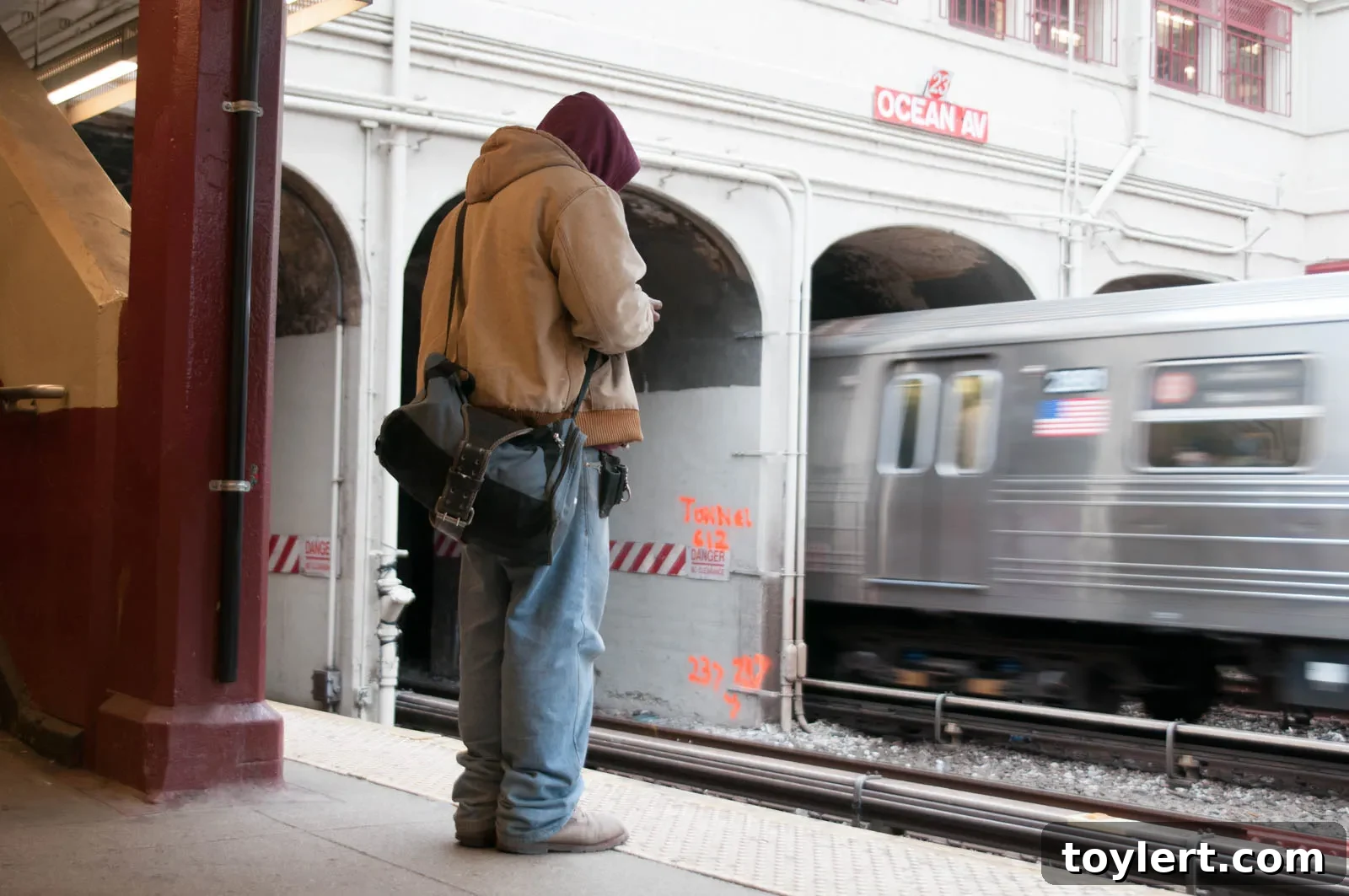
Exploring Brooklyn: A Dynamic Borough Where History Meets Modernity
Brooklyn, a borough renowned for its rich history, vibrant culture, and unparalleled diversity, continues to captivate residents and visitors alike. From its tree-lined brownstone streets to its bustling new developments, Brooklyn is a tapestry of evolving narratives. This comprehensive overview delves into the latest happenings and enduring characteristics that define life in this iconic New York City borough, touching on everything from real estate trends and local governance to culinary explorations and community well-being. Understanding Brooklyn means appreciating its layered past, its energetic present, and its constantly unfolding future.
Brooklyn’s Ever-Changing Landscape: Real Estate and Urban Development
The real estate market in Brooklyn remains a focal point, reflecting both its historical charm and its rapid modernization. Neighborhoods across the borough are experiencing significant transformations, making them compelling subjects for observation and discussion. The allure of Brooklyn living, characterized by its unique architectural heritage and burgeoning cultural scene, continues to drive demand and shape its urban fabric. These changes bring both exciting opportunities for growth and complex challenges regarding affordability and preservation.
Prospect Heights: Where Historic Charm Meets Brand New Visions
One prime example of Brooklyn’s dual identity is Prospect Heights, a neighborhood where historic brownstones gracefully coexist with sleek new constructions. This dynamic interplay creates a unique urban environment, appealing to a broad spectrum of residents. Prospective homeowners and renters are drawn to Prospect Heights for its proximity to world-class cultural institutions like the Brooklyn Museum and Botanic Garden, as well as its vibrant dining and shopping scenes. The architectural blend tells a compelling story of preservation alongside progress, illustrating how Brooklyn honors its past while embracing its future. The demand for properties in such areas often outpaces supply, leading to a competitive market and a continuous conversation about affordability, gentrification, and maintaining neighborhood character. This balance between old and new is a hallmark of the modern Brooklyn experience.
Iconic Brooklyn Heights: A Glimpse into Luxury and Legacy
Further exploring Brooklyn’s real estate prestige, areas like Brooklyn Heights command attention for their historic significance and high-value properties. The borough’s rich architectural legacy is particularly evident here, where grand co-ops and meticulously maintained townhouses line picturesque streets with stunning views of the Manhattan skyline. A notable listing, as highlighted by Brownstoner, was a mod industrial co-op housed in a former Brooklyn Heights Pumping Station, listed for $1.995 million. This unique property exemplifies the borough’s remarkable ability to repurpose historical infrastructure into desirable residential spaces, blending robust industrial aesthetics with modern luxury and sophisticated design. Such developments cater to a niche market, offering distinctive living experiences that celebrate Brooklyn’s industrial past while providing contemporary comforts. These high-profile listings often spark broader conversations about gentrification, escalating property values, and the changing demographics of these storied historic neighborhoods, demonstrating the ongoing evolution even in well-established areas.
Bushwick’s Evolution: From Industrial Hub to Creative Hotspot
Venturing east, Bushwick presents another fascinating chapter in Brooklyn’s ongoing development story. Once an industrial stronghold, characterized by warehouses and manufacturing plants, Bushwick has rapidly transformed into a thriving hub for artists, creatives, and entrepreneurs. This revitalization has brought with it a surge of innovative development. The news of an eye-popping Bushwick office building featuring a transforming parking garage/concert venue perfectly encapsulates this metamorphosis. This innovative approach to urban planning reflects a broader trend in Brooklyn: maximizing space for mixed-use purposes that serve both commercial and community needs. Such projects not only provide modern workspaces that attract new businesses but also contribute significantly to the neighborhood’s vibrant cultural life, offering new venues for entertainment, art exhibitions, and community gatherings. Bushwick’s evolution showcases Brooklyn’s capacity for reinvention, attracting a new generation of residents and businesses drawn to its edgy, artistic vibe and often more accessible price points compared to its western counterparts. It’s a testament to the borough’s constant push towards innovation and adaptation.
Community & Local Governance: Addressing Brooklyn’s Social Fabric
Beyond bricks and mortar, Brooklyn’s strength lies in its diverse communities and the ongoing efforts of its local government to address myriad social and economic challenges. From housing initiatives to public safety concerns, these issues are at the heart of daily life for millions of Brooklynites and shape the borough’s future through active participation and thoughtful policymaking.
Public Housing and Private Partnerships: A New Approach
One critical area of focus for equitable urban development is public housing. The initiative exploring public housing with private donors represents an innovative approach to funding and improving conditions within the city’s public housing projects. This model seeks to leverage philanthropic contributions to supplement government funding, aiming to address long-standing issues of maintenance, safety, and resident well-being that have plagued these vital communities for decades. Such partnerships are increasingly seen as vital in a city facing immense housing challenges, offering a potential pathway to better living conditions for thousands of residents who depend on affordable housing. The effectiveness and ethics of these programs often spark debate among community leaders and residents, highlighting the complex nature of urban development, social welfare, and the role of private capital in public services.
Mayoral Promises and Local Accountability
Local politics also play a significant, often direct, role in shaping Brooklyn’s future and daily quality of life. The case of Mayor de Blasio addressing concerns in Bay Ridge, promising to fix the “Flophouse” Prince Hotel, illustrates the immediate impact of mayoral oversight on neighborhood standards and public safety. Issues related to problem properties, nuisance businesses, and community safety are frequently on the agenda of local leaders, and residents expect decisive action from their elected officials to maintain livable environments. This interaction underscores the importance of local media in holding leaders accountable and amplifying community voices, ensuring that pressing local issues receive the attention and resources they deserve. Such mayoral promises are often followed closely by the affected community, with the outcomes having a tangible effect on residents’ daily lives and their trust in local governance.
Council Member Salaries and Community Board Influence
Transparency in local governance is always a key concern for engaged citizens. Information regarding how much local council members make after getting a raise highlights perennial public interest in compensation for public servants. This level of transparency helps citizens understand the financial aspects of local leadership and often fuels discussions about public sector efficiency, accountability, and the allocation of taxpayer money. Furthermore, the dynamic between city-wide initiatives and local community boards is crucial, acting as a vital check and balance. This was vividly seen in the report that the city tried to “strong arm” Brooklyn’s CB8 to back De Blasio rezoning. Community boards serve as essential conduits for local input on development projects, zoning changes, and policy modifications. Their independent decision-making capacity is fundamental to democratic governance, ensuring that neighborhood concerns are heard and considered, even when they conflict with broader city agendas. These battles over rezoning and land use are common in a rapidly developing borough like Brooklyn, speaking to the intense pressure on urban space and the strong desire of residents to shape their environment.
Daily Life & Urban Experiences: The Fabric of Brooklyn Living
Life in Brooklyn is a rich tapestry of everyday experiences, from the mundane task of grocery shopping to the shared concerns about public safety. These elements collectively define the unique urban experience offered by the borough, weaving together the practicalities and pleasures of city living.
The Cost of Living: A Brooklyn Premium on Food
One aspect that consistently affects Brooklyn residents is the ever-increasing cost of living. Reports indicating that Brooklyn residents are paying a premium for food compared to other parts of the city bring to light economic pressures faced by many households. This phenomenon can be attributed to various factors, including rising rents for commercial spaces which are passed on to consumers, increased demand for artisanal and specialty goods which often command higher prices, and logistical costs associated with urban distribution in a densely populated area. These higher food prices contribute significantly to the overall economic landscape of the borough and are a regular topic of discussion among residents striving to manage household budgets in an increasingly expensive city. The premium affects everything from daily essentials to dining out experiences, shaping consumption habits and local business strategies across Brooklyn’s diverse neighborhoods.
The Quintessential Brooklyn Bite: Bodega Bagels
Amidst economic realities and the daily grind, Brooklyn’s culinary scene offers its own distinct charms and unique comforts. The playful yet serious endeavor of reviewing a selection of bodega bagels in Brooklyn and beyond highlights a beloved, everyday staple that holds a special place in the hearts of New Yorkers. Bodegas are far more than just convenience stores; they are cultural institutions, social hubs, and their bagels are often considered a quintessential New York experience – a quick, satisfying, and authentically local meal. This lighthearted exploration underscores the importance of even the simplest food items in shaping local identity and community pride. Debates over who makes the best bodega bagel are commonplace and passionate, reflecting the deep engagement of New Yorkers with their local food culture. It’s a small, yet significant part of what makes Brooklyn unique, a testament to the borough’s unpretentious culinary soul and its ability to find joy in everyday rituals.
Public Safety: Balancing Perceptions and Reality
Public safety is a perennial concern in any major urban environment, and Brooklyn is no exception. While headlines about unsettling incidents like subway slashings may worry Brooklyn residents and understandably heighten anxieties, it’s crucial to balance these concerns with broader, data-driven crime statistics. Reports often indicate that, despite sensational incidents that capture media attention, overall crime rates in the city might be at record lows or trending downwards. This juxtaposition highlights the psychological impact of highly publicized events versus statistical reality. For residents, the feeling of safety is paramount, and discussions around crime often involve a call for increased police presence, improved public infrastructure, and community-led initiatives to foster secure environments. The media’s role in shaping these perceptions is significant, making it important for citizens to consult diverse sources of information and seek comprehensive context to form a well-rounded understanding of safety in their neighborhoods.
Brooklyn’s Artisanal Heart: The Craft of Chocolate
Beyond the daily hustle and urban planning, Brooklyn is also a beacon for artisanal craftsmanship, particularly in its renowned food scene. The borough has become synonymous with high-quality, handcrafted products, and this extends beautifully to the world of confectionery, where precision and passion create edible works of art.
The Art of Chocolate Tempering with Jacques Torres
Who doesn’t love a perfectly dipped chocolate-covered strawberry? The secret to that irresistible shine, smooth texture, and satisfying snap when you bite into it lies in a meticulous process known as tempering. Famed Brooklyn chocolatier Jacques Torres, often affectionately referred to as “Mr. Chocolate,” is a recognized master of this precise art. Tempering involves carefully heating and cooling chocolate to specific temperatures, which stabilizes the cocoa butter crystals within the chocolate. This crucial process ensures that the finished product has a beautiful, glossy appearance, a firm and consistent texture, and doesn’t melt too quickly or become messy in your hands. Without proper tempering, chocolate would appear dull, crumbly, and prone to blooming – a whitish film caused by fat crystallization that, while harmless, indicates poor texture and appearance. Torres’s unwavering dedication to this craft ensures that his company’s delicacies, from gourmet chocolate bars to exquisite bonbons, consistently deliver a superior sensory experience that delights the palate. His expertise highlights Brooklyn’s broader commitment to quality, craftsmanship, and the art of food production, drawing admirers from around the globe eager to taste the difference that passion, scientific precision, and artistic flair make. This focus on artisanal food products is a cornerstone of Brooklyn’s contemporary identity, cementing its status as a foodie paradise where tradition meets innovation in every delectable bite.
Conclusion: The Enduring Appeal of Brooklyn
Brooklyn continues to be a borough of compelling contrasts and vibrant dynamism, a place where historic architecture provides a picturesque backdrop for cutting-edge development, where diverse communities engage in spirited debates about their future, and where everyday life is enriched by unique culinary traditions and an undeniable sense of local identity. From the evolving skyline of Prospect Heights and Bushwick to the community-driven efforts in public housing and local governance, Brooklyn is constantly reinventing itself while holding true to its foundational spirit of resilience and creativity. The challenges of urban living, such as the cost of food and concerns over public safety, are met with characteristic Brooklyn grit and a deep commitment to community well-being. And through it all, the borough’s artisanal spirit shines brightly, exemplified by masters like Jacques Torres, reminding us of the enduring quality and creative passion that define Brooklyn. This vibrant mosaic of experiences ensures that Brooklyn remains one of the most exciting and compelling places to live, work, and explore in the world, a truly unique urban environment.