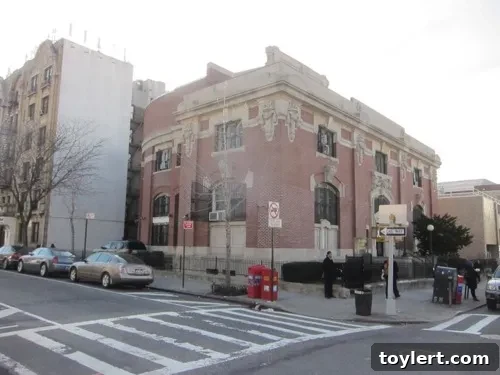
Brooklyn’s Historic Libraries: Navigating Sales, Redevelopment, and Community Needs
Brooklyn, a borough renowned for its distinctive neighborhoods and rich cultural fabric, is currently grappling with significant decisions regarding the future of several of its public library branches. Proposals from the city and the Brooklyn Public Library (BPL) suggest the sale and redevelopment of two historic branches – the Brooklyn Heights Branch on Cadman Plaza West and the Pacific Branch on Fourth Avenue in Boerum Hill. These plans, while aiming to address critical infrastructure needs and secure the long-term viability of library services, have ignited considerable debate among residents, community advocates, and urban planners. At the heart of this discussion lies a fundamental question: how do we balance the preservation of beloved public assets with the urgent demand for modernized facilities and sustainable funding?
The imperative for these strategic changes stems from a challenging reality: many of Brooklyn’s libraries are venerable institutions, some over a century old, originally established through the generous philanthropy of figures like Andrew Carnegie. While these buildings stand as enduring testaments to civic pride and intellectual pursuit, their age also means they come with an enormous financial burden. The Brooklyn Public Library system faces a staggering backlog of over $200 million in necessary repairs and capital improvements across its network. This substantial figure underscores the critical need for innovative solutions to maintain and enhance these vital community resources for future generations.
The Brooklyn Heights Branch: A New Chapter for a Neighborhood Icon
Among the branches slated for significant change, the Brooklyn Heights Branch holds particular prominence due to its central location and historical significance. Reports, including initial coverage by the Daily News, revealed the city’s intention to sell this branch to a developer. The proposed model is an example of adaptive reuse: the library would be retained on the ground floor of a new building, with residential apartments constructed above it. This vertical integration strategy seeks to capitalize on valuable urban real estate while preserving a public amenity at street level.
Early iterations of the plan suggested a reduction in the library’s physical footprint, from the building’s 60,000 square feet to a more modest 16,000 square feet. This prospective shrinkage initially raised alarms within the Brooklyn Heights community, sparking concerns about diminished service capacity, reduced collection size, and the potential impact on community programming. The library, for many, is more than just a place for books; it’s a vital community anchor, a quiet study space, and a hub for cultural enrichment and civic engagement.
However, crucial clarifications from a Brooklyn Public Library spokesperson have since provided a more nuanced picture. It was pointed out that while the building housing the Brooklyn Heights Branch encompasses 60,000 square feet, the actual operational space utilized by the neighborhood branch itself is approximately 13,000 square feet. This distinction is vital: the new branch, under the revised commitment, is planned to be at least 2,000 square feet larger than its current operational area. This means the community can anticipate an *expansion* of usable library space, not a reduction. Furthermore, a key commitment has been made to address community anxieties about service interruptions: a replacement branch will be fully established and operational before any existing branch closes its doors. This ensures continuous access to library services for residents throughout the transition period, directly addressing the significant concern raised by the Brooklyn Heights Association executive director, Judy Stanton, regarding any “very long interim period when there will be no branch there.”
The Pacific Branch: Relocation to Brooklyn’s Cultural Heart
In parallel, the Pacific Branch, located in the dynamic Boerum Hill neighborhood on Fourth Avenue, is also part of the BPL’s strategic realignment. The library’s vision for this branch involves its sale in 2016, followed by a move to a new location within the thriving Brooklyn Cultural District. This approach represents a different model of redevelopment, focusing on relocation rather than co-location, and aims to integrate library services into a broader ecosystem of arts and culture.
The relocation of the Pacific Branch offers several potential advantages. It provides an opportunity for the library to move into a modern, purpose-built facility designed to meet the evolving needs of contemporary patrons, free from the architectural and structural constraints of an aging building. The Brooklyn Cultural District, home to esteemed institutions like the Brooklyn Academy of Music (BAM) and Theatre for a New Audience, offers a vibrant backdrop for a new library space. This synergy could foster new partnerships, expand programming opportunities, and enhance the library’s reach within a diverse and culturally active population. Moreover, the sale of the existing Pacific Branch property, situated in an area experiencing significant development, could generate substantial capital, which the BPL intends to reinvest strategically across its system to tackle critical maintenance issues and fund future upgrades.
A Legacy of Learning: Carnegie Libraries and the Modern Dilemma
The challenges facing Brooklyn’s libraries are deeply rooted in their history. Many of these branches are “Carnegie libraries,” built in the early 20th century with funds donated by industrialist Andrew Carnegie. These magnificent structures, often designed with classical architecture, were intended to be enduring symbols of public education and access to knowledge. They were built to last, but even the sturdiest foundations succumb to the ravages of time and wear without consistent investment.
Today, this legacy of grandeur comes with a significant price tag. The over $200 million repair backlog encompasses a wide range of issues: from outdated electrical systems and inefficient HVAC units to leaky roofs, non-ADA compliant entrances, and the need for technological upgrades essential for 21st-century library services. The choice facing the city and the BPL is stark: either find new, substantial funding streams to preserve these buildings in their current form, or explore alternative models that ensure continued library services while addressing the financial realities of maintaining a vast, aging infrastructure. The proposed sales and redevelopment are presented as a pragmatic, albeit emotionally charged, solution to generate the necessary capital to sustain and modernize the entire Brooklyn Public Library system.
Community Voices: Balancing Preservation with Progress
The proposals, despite their stated goals of modernization and financial sustainability, have not been without controversy. Community reactions have been passionate, reflecting a deep-seated connection to these libraries. Beyond the practical concerns about square footage and service continuity, there are profound emotional and philosophical arguments at play. Residents often view their local library as an indispensable community hub, a historical landmark, and a democratic space that offers equal access to information and resources for everyone, regardless of socio-economic status.
Concerns voiced by organizations like the Brooklyn Heights Association underscore a broader apprehension about the sale of public land to private developers, especially in rapidly gentrifying areas. There is a fear that such transactions could prioritize profit motives over public good, potentially altering the character of neighborhoods and diminishing the availability of accessible public spaces. Questions about transparency in decision-making, equitable distribution of benefits, and the long-term implications for neighborhood identity are central to the ongoing debate. For many, these libraries are not just buildings; they are anchors of community identity and tangible links to Brooklyn’s rich past.
The Path Forward: Awaiting City Council’s Deliberation
It is crucial to note that these proposed sales and redevelopment plans are not yet finalized. They require the formal approval of the City Council, serving as a vital democratic step in the process. This legislative review ensures that all stakeholders – the Brooklyn Public Library, community groups, local politicians, urban planning experts, and the broader public – have the opportunity to voice their perspectives, scrutinize the plans, and influence the ultimate decisions. The City Council’s deliberations will involve a careful balancing act, weighing the immediate financial needs of the library system against the long-term interests of the communities these branches serve and the preservation of Brooklyn’s unique historical character.
The discussions surrounding the Brooklyn Heights and Pacific Branch sales are emblematic of broader challenges faced by urban centers worldwide: how to fund and sustain essential public services, how to adapt historic infrastructure to meet contemporary demands, and how to navigate the complex pressures of development in a growing metropolis. The outcomes of these specific proposals will undoubtedly set precedents for how New York City and other urban environments manage their aging public assets, emphasizing the critical need for creative, transparent, and community-centric solutions that honor the past while building for a vibrant future for public institutions.
GMAP, GMAP
Update: A spokesperson for the Brooklyn Public Library pointed out that though the building that houses the Brooklyn Heights Branch is 60,000 square feet, the neighborhood branch takes up only about 13,000 square feet of space in the building. The new branch will be at least 2,000 square feet larger. And the library has committed to having a replacement branch in place before any closing so a library will always be available to the community.