Brooklyn’s Real Estate Boom: Unpacking the 2013 Price Surge and its Lasting Impact
In the dynamic world of New York City real estate, Brooklyn has consistently carved out its own narrative of growth and transformation. The year 2013 marked a significant turning point, cementing the borough’s status as a formidable force in the housing market. Reports from that period painted a vivid picture of a market in overdrive, with property values experiencing an unprecedented ascent. A comprehensive report released by Douglas Elliman at the time unequivocally echoed what many market observers had been witnessing firsthand for months: Brooklyn home prices were not just rising, they were skyrocketing.
The data from the fourth quarter of 2013 was particularly striking, revealing that home prices had reached an astonishing 11-year record. As meticulously documented by The Real Deal, the median home price across all dwelling types in Brooklyn had surged to an impressive $570,110. This figure represented a substantial 11.2 percent increase when compared to the median price of $512,500 recorded in the fourth quarter of 2012. Such a dramatic rise within a single year underscored the intense demand and escalating value of real estate within Brooklyn’s diverse neighborhoods.
Understanding the Phenomenon: Why Brooklyn’s Market Exploded
The significant leap in Brooklyn’s home prices was not an isolated incident but rather the culmination of several interconnected factors that had been brewing for years. Understanding these drivers is crucial to grasping the full scope of Brooklyn’s real estate transformation.
The Allure of Brooklyn: A Magnet for New Residents
Brooklyn had long been shedding its reputation as merely Manhattan’s quieter sibling, evolving into a vibrant destination in its own right. A growing influx of residents, including young professionals, families, and creatives, found themselves drawn to its unique blend of urban sophistication and neighborhood charm. Many were “Manhattan refugees” seeking more space, better value, and a strong sense of community that had become increasingly elusive in the hyper-dense core of New York City. Brooklyn offered tree-lined streets, distinct architectural styles, and a burgeoning cultural scene that appealed to a wide demographic.
Desirability and Lifestyle: Beyond Just Housing
The borough’s lifestyle offerings played a pivotal role in its increased desirability. Brooklyn boasted an exploding culinary scene, with world-class restaurants and artisanal food markets. Its parks, such as Prospect Park and Brooklyn Bridge Park, provided much-needed green spaces and recreational opportunities. A thriving arts and entertainment landscape, independent boutiques, and a palpable sense of community contributed to a high quality of life that was increasingly sought after. Neighborhoods like Park Slope, Williamsburg, Dumbo, Carroll Gardens, and Brooklyn Heights, already well-established, saw demand intensify, while areas like Bed-Stuy and Bushwick began experiencing significant gentrification, attracting new buyers and investors.
Investment Hotspot: Capitalizing on Brooklyn’s Future
As Brooklyn’s appeal grew, so did its attractiveness as an investment opportunity. Savvy investors, recognizing the borough’s upward trajectory, poured capital into various developments, from luxury condominiums to renovated brownstones. The prospect of significant returns in a rapidly appreciating market fueled competitive bidding and drove prices even higher. This investment surge further solidified Brooklyn’s position as a hotbed for real estate activity, enticing both local and international buyers looking to secure a piece of this burgeoning market.
Limited Inventory and High Demand: A Classic Economic Formula
One of the most fundamental forces at play was the classic economic principle of supply and demand. While demand for Brooklyn housing soared, the supply, particularly in the most coveted neighborhoods, remained relatively constrained. The finite number of historic brownstones, combined with the slow pace of new construction in certain areas, created a highly competitive seller’s market. Buyers frequently faced bidding wars, and properties often sold above their asking prices, further contributing to the median price escalation seen in 2013. This imbalance underscored the underlying strength and resilience of Brooklyn’s housing market.
Infrastructure and Development: Building a Better Brooklyn
Improvements in infrastructure and ongoing development projects also played a significant role. Enhanced transportation links, including subway extensions and new ferry services, made commuting to Manhattan and other parts of the city more convenient. The revitalization of waterfront areas and the construction of mixed-use developments brought new amenities, jobs, and housing options to previously underdeveloped sections of the borough. These advancements collectively made Brooklyn a more accessible and attractive place to live and work, adding to its overall property value.
Delving Deeper: The “Brownstone Brooklyn and Beyond” Perspective
Beyond the general market trends, specific reports provided granular insights into Brooklyn’s real estate landscape. Ideal Properties, a prominent real estate firm in the borough, also contributed to the market analysis with their timely report, “Brownstone Brooklyn and Beyond.” This publication specifically highlighted the enduring appeal and significant value of the borough’s iconic brownstones and the vibrant communities that surround them.
The Enduring Charm of Brownstones
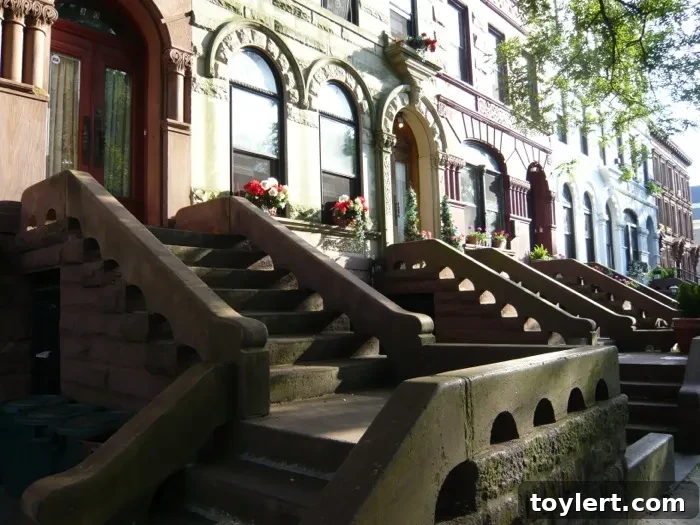
“Brownstone Brooklyn” refers to a collection of historic neighborhoods renowned for their elegant, 19th-century brownstone row houses. These architectural gems, with their distinct stoops and intricate facades, represent a significant portion of Brooklyn’s identity and allure. Neighborhoods like Park Slope, Fort Greene, Cobble Hill, Brooklyn Heights, and Carroll Gardens fall under this coveted umbrella. The Ideal Properties report likely focused on how the scarcity and historical significance of these properties commanded premium prices, attracting buyers who valued architectural integrity, spacious interiors, and a quintessential New York charm. The market for these homes is often distinct, driven by both emotional appeal and solid investment potential.
Beyond the Brownstones: The Expanding Market
The “and Beyond” aspect of Ideal Properties’ report title suggested an acknowledgement of Brooklyn’s expanding real estate footprint. While brownstones remained a significant draw, the market growth wasn’t confined to these historic enclaves. Areas previously considered less desirable were experiencing rapid development and gentrification. Industrial waterfronts transformed into luxury apartment complexes, and once-quiet streets bustled with new businesses and residents. This broader expansion meant that Brooklyn’s real estate narrative was constantly evolving, encompassing both its treasured past and its dynamic future. The report likely examined how this diversified growth contributed to the overall market strength and the borough-wide price increases.
The Lasting Impact: A Glimpse into Brooklyn’s Future
The record-breaking prices of 2013 were not merely a transient spike; they laid the groundwork for Brooklyn’s continued evolution as a prime real estate destination. This surge initiated a new era for the borough, characterized by intense competition, rising property taxes, and a constant dialogue about affordability and gentrification.
For prospective homebuyers, the market of 2013 signaled a significant shift. What was once considered a more affordable alternative to Manhattan rapidly became a luxury market in its own right. First-time buyers and those with more modest budgets faced increasing challenges, leading to a scramble for remaining value in emerging neighborhoods. For sellers, however, it was a golden age, with properties often selling quickly and above expectations.
The momentum from 2013 continued to propel Brooklyn’s market forward in subsequent years, solidifying its reputation as a global real estate hotspot. While market conditions naturally fluctuate, the foundation established during this record-setting period underscored Brooklyn’s enduring appeal, robust demand, and its undeniable status as one of the most exciting and dynamic real estate markets in the world. The careful analysis of these past trends offers invaluable insights into the enduring strength and complex dynamics that continue to shape Brooklyn’s vibrant property landscape.