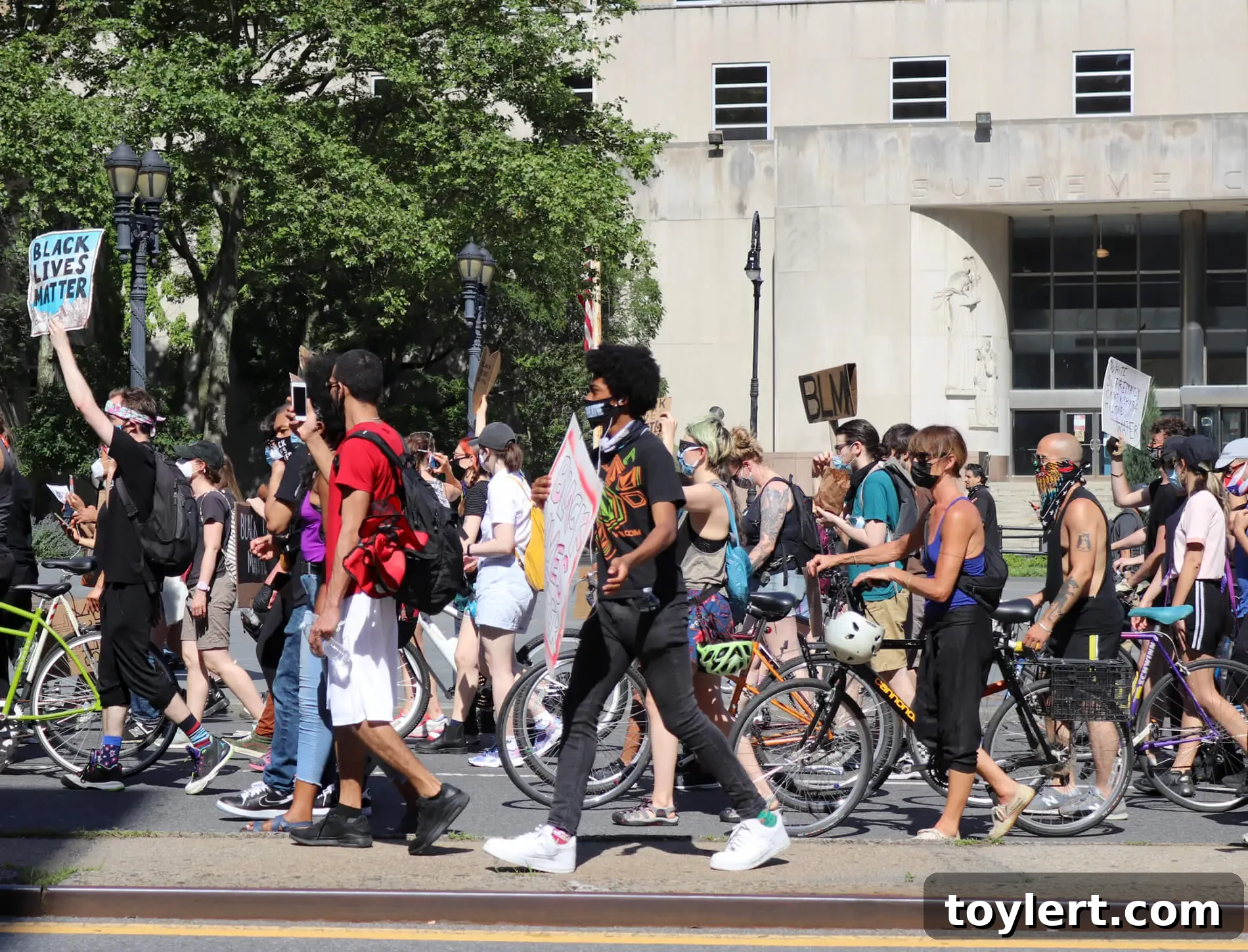
New York City has found itself at the epicenter of monumental shifts, navigating the complex interplay of a global pandemic, a citywide lockdown, and a powerful wave of social justice movements. As the city entered its thirteenth week of widespread sheltering in place, with New York City schools completing their fifty-fifth day of remote learning, the daily lives of millions were irrevocably altered. This period has been characterized by unprecedented challenges, from the logistical complexities of homeschooling to the profound economic and social repercussions rippling through every borough. Amidst this backdrop, the streets of New York City became a focal point for nationwide protests, reigniting critical conversations about systemic issues, police accountability, and the very fabric of community safety.
Navigating Life Under Lockdown: NYC’s Pandemic Experience and the Shift to Remote Learning
The spring of 2020 marked a historical turning point for New York City, a vibrant metropolis accustomed to constant motion and bustling streets, as it embraced an extended period of sheltering in place. This unprecedented public health measure, designed to curb the spread of the novel coronavirus, transformed the rhythm of urban life. Iconic landmarks fell silent, public transportation saw drastic reductions in ridership, and the city’s famed cultural institutions shuttered their doors. For residents, the daily routine shifted dramatically, requiring adaptability and resilience in the face of profound uncertainty.
One of the most significant societal transformations during this period was the widespread adoption of remote learning for New York City schools. With over a million students across the five boroughs, the transition to homeschooling represented a monumental undertaking for educators, parents, and students alike. Teachers swiftly adapted their curricula and pedagogical methods to digital platforms, striving to maintain educational continuity amidst a global crisis. Parents, many of whom were simultaneously balancing remote work or essential duties, found themselves taking on new roles as facilitators of their children’s education, navigating online portals, and managing diverse learning needs. This rapid pivot highlighted both the incredible resourcefulness of the city’s educational community and the persistent challenges of the digital divide, where access to reliable internet and devices proved critical for equitable learning experiences. The long-term implications of this period on academic outcomes, social development, and the future of educational delivery continue to be a subject of ongoing study and adaptation for New York City and beyond.
Waves of Protest: Responding to Injustice and Demanding Change in New York City
Even as the city grappled with the ongoing health crisis, a powerful new movement began to unfold on its streets. Fueled by national outrage following the death of George Floyd, protests against police brutality and racial injustice surged across New York City, continuing for thirteen consecutive days and drawing thousands of participants from every walk of life. These demonstrations, which often started peacefully but sometimes led to clashes, became a defining feature of the city’s immediate post-lockdown landscape, echoing the deep-seated frustration and pain felt by many communities.
Local political figures actively engaged with the protest movement, seeking to bridge divides and channel public energy into concrete policy changes. Notably, Public Advocate Jumaane Williams and Brooklyn Borough President Eric Adams were prominent figures during these demonstrations in Brooklyn, often addressing crowds and engaging with community members. Their presence underscored the growing pressure on city leadership to respond meaningfully to demands for systemic reform within law enforcement. The protests served as a critical platform for voices demanding accountability, advocating for a reevaluation of policing practices, and highlighting the disproportionate impact of police actions on Black and brown communities within New York City.
In a powerful gesture of solidarity and recognition, Mayor Bill de Blasio announced plans for the city to paint “Black Lives Matter” murals on five prominent streets across New York City, with one designated for each borough. These large-scale public artworks serve not only as a visual affirmation of the movement’s message but also as a permanent symbol of the city’s acknowledgment of systemic racism and its commitment to social justice. The murals, strategically placed in high-visibility locations, aimed to spark ongoing dialogue and reinforce the importance of the Black Lives Matter movement in the city’s public consciousness, transforming urban landscapes into canvases for vital social commentary.
Forging a New Path: Police Reform, Community Investment, and Transparency in NYC
The momentum generated by the protests swiftly translated into tangible commitments for reform from New York City leadership. Mayor de Blasio pledged a significant $10 million boost to the city’s crisis management system budget. This investment is specifically earmarked for community groups involved in the Cure Violence movement, a widely recognized public health approach to gun violence prevention that treats violence as a contagious disease. By empowering local organizations and community leaders, this initiative aims to interrupt cycles of violence, mediate conflicts, and provide support services, shifting the paradigm from punitive measures to preventative, community-led interventions. This increased funding represents a strategic pivot towards addressing root causes of crime through social programs rather than solely relying on traditional policing.
Further details regarding a comprehensive plan for reallocating police funding and increasing investments in community services were anticipated by June 30. This initiative, championed by First Lady Chirlane McCray, sought to redirect resources from the New York Police Department (NYPD) towards youth services and other community-based programs. The move reflected a growing consensus that community safety could be enhanced not just through law enforcement, but by bolstering social infrastructure, educational opportunities, and mental health support, particularly in underserved neighborhoods. The proposed budget shifts sparked considerable public debate, illustrating the complex challenge of balancing public safety concerns with calls for defunding or reallocating police resources to other vital city services.
In a landmark legislative development, the New York State government took a significant step towards greater police accountability by repealing Section 50-a of the state’s Civil Rights Law. This decades-old statute had previously kept the disciplinary records of police officers, firefighters, and corrections officers confidential, making it exceedingly difficult for the public, journalists, and even attorneys to access information regarding misconduct investigations and outcomes. The repeal of Section 50-a was a direct response to longstanding demands from civil rights advocates, community groups, and legal organizations who argued that the law shielded officers from scrutiny and hindered efforts to hold them accountable for misconduct. Its elimination opens the door to increased transparency within law enforcement agencies across the state, allowing for public access to disciplinary records and fostering a more informed dialogue about police practices. This pivotal legislative change signals a new era of police oversight and represents a monumental victory for those championing transparency and justice in New York State.
As New York City moves forward, it does so with a heightened awareness of its interconnected challenges. The ongoing recovery from the pandemic, the urgent need for social justice reforms, and the critical reevaluation of public safety strategies all converge to define this unique moment in the city’s history. The decisions made during this period will undoubtedly shape the future of its communities, its governance, and its enduring spirit of resilience.