Celebrating 50 Years: New York City’s Landmarks Law and the Preservation of Brooklyn’s Heritage
New York City’s skyline and streetscapes are iconic, a vibrant tapestry woven from diverse architectural styles and generations of urban development. Yet, this rich heritage wasn’t always guaranteed to stand the test of time. Fifty years ago, a landmark piece of legislation was enacted to safeguard these irreplaceable treasures, a story beautifully captured in WNET’s hour-long documentary, “The Landmarks Preservation Movement.” This captivating episode, part of the acclaimed “Treasures of New York” series, aired recently and offers a compelling journey through the history of landmark preservation from its nascent beginnings to its crucial role today. For those who missed the broadcast, the full documentary is available to watch online, providing invaluable insights into how New York has fought to preserve its soul.
The film expertly traces the evolution of the Landmarks Preservation Movement, drawing striking parallels between foundational preservation efforts and contemporary battles. It contrasts the groundbreaking designation of Brooklyn Heights as New York City’s very first landmark district in 1965 with the ongoing, fervent campaign to expand the historic district in Bed-Stuy. This comparison not only highlights the enduring relevance of the Landmarks Law but also underscores the continuous commitment required to protect the city’s unique architectural and cultural identity across its varied neighborhoods.
The Genesis of Preservation: A Law Born from Loss
The New York City Landmarks Law, officially established in 1965, was a direct response to a burgeoning crisis of urban development that threatened to erase the city’s rich past. The catalyst for this pivotal legislation was the shocking demolition of the magnificent Pennsylvania Station in 1963, a Beaux-Arts masterpiece that left a gaping hole in the city’s architectural fabric and its collective memory. This act of destruction galvanized a coalition of citizens, architects, historians, and activists who understood that without legal protection, cherished buildings and entire neighborhoods would continue to fall victim to unchecked progress.
The law’s primary objective was to protect buildings and sites that possess special historical, aesthetic, or cultural value. It empowered the Landmarks Preservation Commission (LPC) to designate individual landmarks, scenic landmarks, interior landmarks, and, crucially, historic districts. These designations meant that any proposed alterations, demolitions, or new constructions within these protected areas would require review and approval by the LPC, ensuring that development respected the existing character and heritage of the community. This marked a monumental shift in urban planning, prioritizing preservation alongside growth and development.
Brooklyn Heights: New York City’s Pioneering Historic District
The documentary delves deep into the story of Brooklyn Heights, a neighborhood that truly set the precedent for urban preservation in New York City. As the city’s inaugural landmark district, designated in 1965, Brooklyn Heights serves as a powerful testament to the foresight and dedication of early preservationists. Nestled on a bluff overlooking the East River, offering breathtaking views of the Manhattan skyline, Brooklyn Heights boasts an unparalleled collection of antebellum architecture, including Federal, Greek Revival, and Italianate brownstones and mansions. Its tree-lined streets, gas lamps, and historic churches create an atmosphere that feels distinctively timeless, a peaceful enclave just minutes from the bustling financial district.
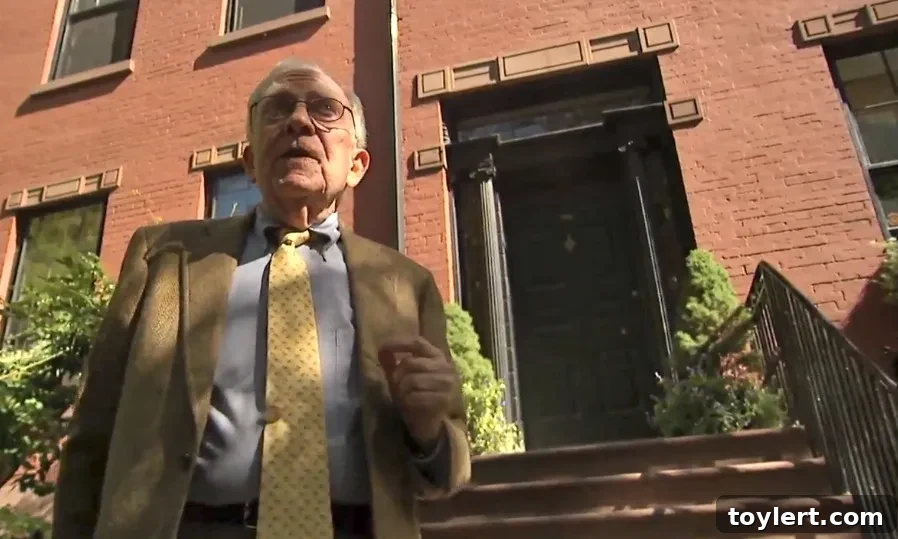
A central figure in this formative chapter of preservation history is Otis Pratt Pearsall, a distinguished Brooklyn Heights resident and a passionate advocate for its architectural integrity. Featured prominently in the film, Pearsall serves as a guide, leading viewers on a tour through the very streets he fought so tirelessly to protect. The documentary reveals a startling fact: if not for the relentless efforts of Pearsall and his fellow preservationists, an estimated 80 percent of what constitutes Brooklyn Heights today would likely have been lost to demolition and redevelopment. His vision and persistence ensured that this historic neighborhood, with its unique character and community spirit, would be preserved for future generations, becoming a shining example of successful grassroots activism and the power of the Landmarks Law.
Bed-Stuy’s Ongoing Fight for Preservation
Fast forward to the present day, and the fight for preservation continues in another of Brooklyn’s vibrant neighborhoods: Bedford-Stuyvesant, affectionately known as Bed-Stuy. The documentary masterfully pivots from the triumphs of the past to the pressing needs of the present, highlighting the contemporary movement to expand Bed-Stuy’s historic district status. Bed-Stuy is a neighborhood rich in history and architectural diversity, boasting an incredible array of 19th-century brownstones, limestones, and Queen Anne-style homes, alongside impressive churches and public buildings. These structures are not merely bricks and mortar; they are living testaments to the community’s storied past, including its significant role in African American history and culture.
At the forefront of this modern-day preservation effort is Claudette Brady, a dedicated Bed-Stuy resident, preservationist, and a familiar voice in local community discussions. Brady speaks movingly and eloquently in the documentary about the urgent need for robust protection for Bed-Stuy’s architectural treasures. She articulates a powerful argument: landmarking is not simply about preserving old buildings; it is fundamentally about preserving the community itself, its identity, its way of life, and its collective memory. Her advocacy underscores the idea that a neighborhood’s physical environment is inextricably linked to its social fabric and cultural continuity. Viewers can catch her impactful contributions at key moments in the film, specifically at 33:46 and again at 56:38, where her passion and insight shine through.
The Broader Impact of Landmark Preservation: Beyond Aesthetics
The narratives of Brooklyn Heights and Bed-Stuy, as presented in “The Landmarks Preservation Movement,” illuminate the multifaceted benefits of landmark preservation that extend far beyond mere aesthetics. Protecting historic buildings and districts contributes significantly to:
- Economic Vitality: Historic districts often become tourist destinations, attracting visitors and supporting local businesses. Property values within well-preserved historic areas tend to remain stable or appreciate, contributing to neighborhood economic health.
- Cultural Identity and Community Cohesion: Preserved environments foster a strong sense of place and identity, reinforcing community bonds and providing tangible links to the past. They tell stories of previous generations and anchor a community in its unique heritage.
- Sustainable Development: The greenest building is often the one that already exists. Reusing and rehabilitating historic structures reduces waste, conserves energy embedded in existing materials, and lessens the demand for new construction, aligning with environmental sustainability goals.
- Educational Value: Historic sites serve as invaluable outdoor museums, offering educational opportunities for residents and visitors alike to learn about architecture, urban planning, and social history.
- Architectural Diversity: Preservation prevents the homogenization of urban landscapes, ensuring that distinct architectural styles and periods continue to enrich the city’s visual tapestry, rather than being replaced by generic modern constructions.
However, the movement is not without its challenges. Debates often arise concerning development pressures, affordability, and the balance between preservation and accommodating modern needs. Yet, as the documentary clearly illustrates, the ongoing dialogue and dedicated efforts of individuals like Otis Pratt Pearsall and Claudette Brady are vital to navigating these complexities and securing the future of New York City’s irreplaceable heritage.
“Treasures of New York”: A Must-Watch Documentary
WNET’s “Treasures of New York” series consistently delivers compelling documentaries that explore the rich cultural, historical, and architectural tapestry of New York City. “The Landmarks Preservation Movement” is a stellar addition, offering a timely and insightful examination of a law that has fundamentally shaped the city’s character. By interweaving historical footage, expert commentary, and personal narratives from those on the front lines of preservation, the film brings to life the passion, challenges, and profound successes of safeguarding urban heritage.
Whether you are a long-time resident, a history enthusiast, an urban planner, or simply curious about what makes New York City so unique, this documentary is a must-watch. It’s an engaging reminder that our built environment is a precious legacy, constantly requiring vigilance and advocacy to protect it from the tides of change. Be sure to watch it online to gain a deeper appreciation for the beauty and resilience of New York City’s historic neighborhoods.
The Enduring Legacy of Preservation in NYC
Fifty years on, the New York City Landmarks Law stands as a monumental achievement, a testament to the power of collective action and the enduring value of preserving our shared history. From the preserved elegance of Brooklyn Heights to the vibrant, threatened brownstones of Bed-Stuy, the story of preservation is one of ongoing dedication, passionate advocacy, and a deep understanding that our buildings are more than just structures – they are the soul of our city. As we look to the future, the lessons learned from these preservation battles continue to guide efforts to ensure that New York City remains a place where history and progress can coexist in harmony, enriching the lives of all who call it home.