New York City’s Affordable Housing Crisis: Threatening the City’s Core Diversity and Vitality
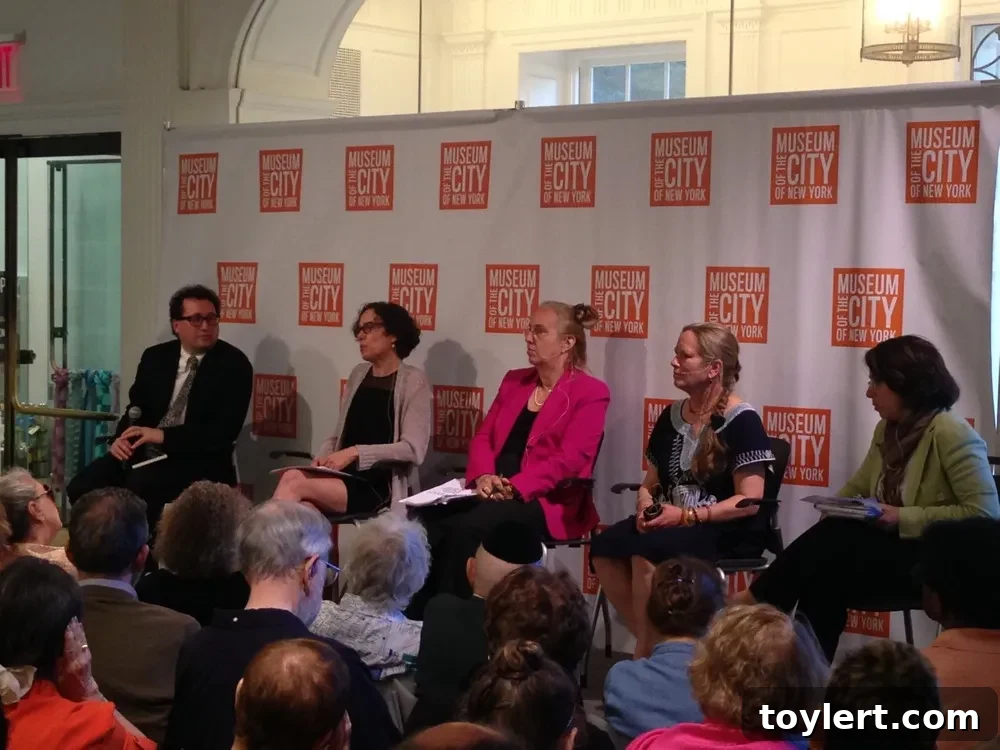
New York City, a global beacon of culture, innovation, and opportunity, is grappling with an escalating challenge that threatens its very identity: a severe affordable housing crisis. As rents continue their relentless ascent, outpacing wage growth and pushing countless residents to the brink, the city faces a full-blown emergency. This critical situation, marked by displacement, mounting economic inequality, and the erosion of community bonds, was the central topic of a recent enlightening discussion hosted by the esteemed Museum of the City of New York. A panel of four distinguished local experts convened to dissect the multifaceted nature of the crisis, unanimously agreeing that the lack of affordable housing is not merely an economic issue, but a profound threat to the city’s social fabric.
The urgency of the situation was underscored by Ingrid Gould Ellen, the insightful director of the Urban Planning Program at NYU Wagner. “We need to preserve the diversity and vitality that makes New York what it is,” Ellen articulated passionately, her words resonating with the audience, “and I’m worried that escalating housing costs are threatening that very vitality and diversity.” Her statement encapsulates the fear shared by many New Yorkers: that the city risks losing its soul, transforming from a vibrant melting pot into an exclusive enclave affordable only to the affluent. This transformation would strip away the unique character that has long defined New York, impacting everything from its cultural institutions to its thriving small businesses.
Understanding the Epicenter of the Crisis: New York City’s Rental Market
The affordable housing crisis in New York City is a complex phenomenon fueled by several interconnected factors. At its core is a fundamental imbalance between supply and demand. The city’s land is finite, and despite ongoing development, the pace of new housing construction, particularly for affordable units, simply cannot keep up with the ever-increasing demand generated by a growing population and a strong job market. This scarcity is exacerbated by stringent zoning regulations, lengthy approval processes, and the often prohibitive costs of construction in such a dense urban environment. Furthermore, the preferential development of luxury condominiums and high-end rental properties often diverts resources and attention away from the pressing need for accessible housing options for working-class families, essential service providers, and middle-income earners.
The economic landscape also plays a crucial role. While New York City boasts a robust economy, the wages for many residents have not kept pace with the dramatic increase in housing costs over the past few decades. A significant portion of the city’s workforce, including teachers, nurses, police officers, artists, and service industry professionals, finds themselves spending upwards of 50-60% of their income on rent, far exceeding the recommended 30% threshold for housing affordability. This financial strain leaves little room for other necessities like food, healthcare, and education, trapping many in a cycle of economic precarity. The rise of short-term rental platforms, while offering income opportunities for some, has also been criticized for removing a substantial number of units from the long-term rental market, further tightening supply and driving up prices.
Expert Perspectives: Beyond the Numbers
The panel discussion at the Museum of the City of New York brought together diverse voices, each offering a unique lens through which to view the crisis. Beyond Ingrid Gould Ellen’s emphasis on diversity and vitality, other experts delved into specific facets of the problem and potential solutions. One urban economist on the panel highlighted the severe economic ripple effects, explaining how the lack of affordable housing acts as a significant drag on the city’s overall economic health. Businesses struggle to attract and retain talent when employees cannot afford to live nearby, leading to longer commutes, reduced productivity, and ultimately, a less competitive business environment. This economic pressure disproportionately affects small businesses, which are often the lifeblood of New York’s unique neighborhood character, as their employees are most vulnerable to displacement.
Another expert, a housing policy advocate, shed light on the systemic policy shortcomings that have contributed to the current predicament. Decades of underinvestment in public housing, coupled with fragmented and often insufficient affordable housing programs, have created a widening gap between the housing needs of residents and the available inventory. The advocate stressed the importance of comprehensive policy reforms, including robust rent stabilization measures, increased funding for housing subsidies, and more aggressive mandates for developers to include truly affordable units in new constructions. They also pointed to the need for greater transparency and accountability in how housing resources are allocated and utilized across the five boroughs.
Finally, a community organizer on the panel brought a grassroots perspective, emphasizing the human cost of the crisis. Stories of families being evicted, long-standing communities being fractured by gentrification, and individuals struggling with homelessness paint a stark picture of the social injustice inherent in the current housing market. The organizer stressed the critical role of community engagement and resident-led initiatives in shaping equitable housing solutions. They argued that any effective strategy must prioritize the voices of those most affected by the crisis, ensuring that solutions are tailored to meet the diverse needs of New York’s neighborhoods rather than being imposed from the top down.
The Erosion of Social Fabric: A City at Risk
When experts speak of the affordable housing crisis “tearing at the city’s social fabric,” they are referring to a multitude of interconnected societal consequences. First and foremost is the escalating economic inequality. As the cost of living soars, New York risks becoming a city primarily for the wealthy, forcing out the very people who contribute to its vibrant culture, diverse economy, and essential services. This displacement leads to a decline in diversity, as artists, immigrants, young professionals, and working-class families, who historically have been the engines of New York’s dynamism, can no longer afford to reside within city limits. The loss of these groups directly impacts the city’s creative industries, cultural institutions, and the very unique blend of perspectives that make New York globally renowned.
Furthermore, the crisis strains public services. Essential workers, from sanitation engineers to teachers and healthcare providers, find it increasingly difficult to live in the city they serve. This can lead to staffing shortages, longer commutes, and decreased morale, ultimately diminishing the quality of vital public services for all residents. Neighborhoods also suffer as long-time residents and small businesses are replaced by chain stores and luxury developments, leading to a homogenization of urban spaces and the loss of unique community identities. The sense of belonging and community cohesion, vital for a healthy urban environment, erodes when people are constantly forced to move, disrupting social networks and support systems.
Pathways to Solutions: Charting a Course Towards an Equitable Future
Addressing New York City’s affordable housing crisis requires a comprehensive, multi-pronged approach that transcends political divides and leverages public and private sector collaboration. No single solution will suffice, but a combination of strategic interventions can begin to turn the tide. One critical area is increasing the supply of genuinely affordable housing. This means not only building new units but also preserving existing affordable housing stock through stronger tenant protections and anti-displacement policies. The city and state must streamline zoning and permitting processes for affordable housing developments, while also exploring innovative construction methods, such as modular housing, to reduce costs and accelerate delivery.
Policy interventions are also paramount. Expanding rent stabilization programs, implementing robust inclusionary zoning policies that mandate a higher percentage of affordable units in new developments, and providing more substantial rental assistance programs for low-income families are crucial steps. Beyond direct subsidies, creative financing mechanisms, such as community land trusts, where land is held in perpetuity for community benefit and housing remains permanently affordable, offer promising alternatives. The adaptive reuse of underutilized commercial spaces, particularly in a post-pandemic landscape, presents another opportunity to convert existing structures into much-needed residential units.
Investment in public housing is another non-negotiable component. Historically, public housing has provided a safety net for countless New Yorkers. Reinvigorating and adequately funding these vital resources, alongside exploring public-private partnerships that ensure long-term affordability and resident protection, will be essential. Ultimately, solving this crisis demands a commitment to prioritizing people over profit, fostering equitable development, and safeguarding the fundamental right to safe, stable, and affordable housing for all who call New York City home. Only then can the city truly preserve the invaluable diversity and vitality that defines its enduring spirit.
The discussion at the Museum of the City of New York serves as a powerful reminder that the affordable housing crisis is not an abstract concept, but a tangible threat with far-reaching consequences for every New Yorker. The consensus among experts is clear: without immediate, sustained, and collaborative action, the very essence of New York City stands to be irrevocably altered, diminishing its unique character and undermining its promise as a city of opportunity for all.