Brooklyn’s Post-Storm Gas Crisis: A Deep Dive into Fuel Shortages and Resilience
The aftermath of a significant natural disaster often brings unforeseen challenges, and for the residents of Brooklyn, New York City, one of the most immediate and crippling hurdles was an unprecedented gas shortage. In the days following a devastating storm, the borough was plunged into a desperate search for fuel, turning everyday commutes into epic quests and highlighting the fragility of urban infrastructure. The city that never sleeps found itself grappling with an essential resource scarcity, impacting everything from emergency services to the simple act of charging a phone.
The Unfolding Crisis: A Borough Runs Dry
As recovery efforts began across Brooklyn, an alarming pattern emerged: gas stations were running out of fuel. The problem wasn’t isolated; it was widespread, affecting neighborhoods from the picturesque streets of Park Slope to the vibrant avenues of Coney Island. Reports flooded in from distressed residents who had spent hours, sometimes days, fruitlessly searching for an open pump. One reader vividly recounted, “We drove from Park Slope to Coney Island last night and passed 20 stations that were all out of gas. My colleague said she drove from Prospect Heights to Greenpoint in the middle of the night and could not get any then either.” This wasn’t just an inconvenience; it was a crisis deepening with each passing hour.
Areas like Crown Heights and stretches along Bushwick Avenue near the Jackie Robinson Parkway were particularly hard hit. The sight of “Out of Gas” signs became a grim staple of the urban landscape. People with essential generators, vital for homes without power, and car owners relying on their vehicles for transportation or even warmth, found their tanks quickly drained. What compounded the issue was the apparent lack of new deliveries. Despite key roads into Brooklyn being cleared and open, the fuel simply wasn’t making its way to the pumps, leading to growing frustration and desperation among the populace.
The Desperate Search for Fuel: A Race Against Time
The search for fuel transformed into a daily ordeal for thousands of Brooklynites. Drivers crisscrossed boroughs, burning precious reserves in the hope of finding a working gas station. The queues at the few stations that did manage to receive a delivery stretched for blocks, sometimes miles, with cars waiting for hours on end. The sheer scale of the demand quickly overwhelmed any limited supply, creating a volatile situation where patience wore thin and tempers often flared.
Beyond personal vehicles, the gas shortage had profound implications for public services and recovery operations. Emergency vehicles, utility crews, and other essential personnel also struggled to refuel, hindering their ability to respond to calls, restore power, and provide aid. The reliance on generators, a lifeline for many without electricity, also meant a constant demand for gasoline, further straining the already depleted reserves at the few operational gas stations in Brooklyn. Information, often shared through word-of-mouth or burgeoning social media channels, became as valuable as the fuel itself, with residents actively seeking and disseminating tips on which Brooklyn gas station might have a dwindling supply.
Why Brooklyn Ran Out: Unpacking the Supply Chain Breakdown
The root causes of this severe fuel crisis were multifaceted, stemming directly from the widespread impact of the storm. Firstly, the storm inflicted significant damage on critical infrastructure along the East Coast. Refineries, especially those in the Gulf Coast region which supply much of the Northeast, faced production disruptions. More critically, the port facilities around New York Harbor, essential for receiving fuel tankers, were either damaged, flooded, or unable to operate due to power outages and debris. This effectively choked the primary arteries through which fuel typically enters the city.
Secondly, even if fuel could reach the ports, getting it to the gas stations was another challenge. Many fuel terminals and distribution centers in the region were also without power, rendering them unable to offload, store, or pump gasoline into tanker trucks. The logistical nightmare was compounded by the fact that many gas stations themselves were powerless, meaning their pumps couldn’t operate even if a fuel delivery miraculously arrived. The combination of stalled deliveries, damaged infrastructure, and the inability to dispense fuel created a perfect storm of scarcity that left Brooklyn gas stations barren.
Lastly, panic buying exacerbated the situation. As news of shortages spread, individuals rushed to fill their tanks and jerrycans, stockpiling fuel for generators and vehicles. While understandable in a crisis, this surge in demand quickly depleted the already meager supplies, accelerating the crisis and creating a feedback loop of fear and scarcity. This confluence of supply chain disruptions, infrastructure failures, and heightened demand led to a prolonged and challenging fuel crisis for New York City, particularly in densely populated areas like Brooklyn.
Community Spirit and Ingenuity Amidst Scarcity
Despite the overwhelming challenges, the Brooklyn community demonstrated remarkable resilience and ingenuity. Neighbors shared what little fuel they had, often siphoning gas from their cars for those with generators powering medical equipment or refrigeration. Online forums and local community groups became vital hubs for sharing real-time information about gas availability, power status, and where to find essential supplies. This collective effort helped to mitigate some of the individual hardships, fostering a sense of solidarity that defined the recovery period.
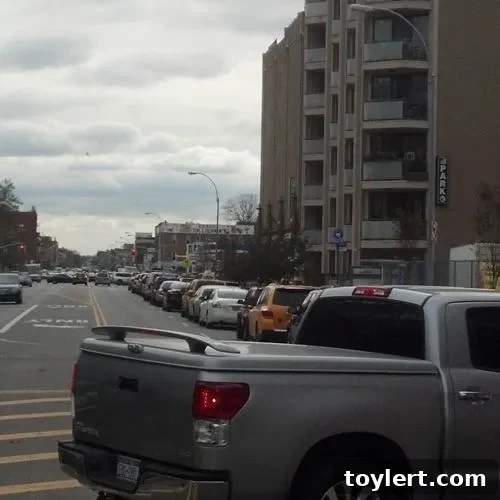
The image of lines stretching for blocks, while a symbol of the struggle, also became a testament to human perseverance. People waited patiently, sharing stories and information, often finding camaraderie in the shared adversity. Local businesses that managed to stay open, often running on their own generators, became crucial gathering points, offering charging stations and warm drinks, further cementing the community spirit that arose from the ashes of the storm.
Governmental Response and Relief Efforts
In response to the escalating crisis, local and federal authorities mobilized to address the severe fuel shortage. Measures included bringing in military fuel trucks to establish emergency refueling stations for essential services and the general public. These ad-hoc centers, often set up in parking lots or open spaces, became critical points of distribution, albeit with their own set of logistical challenges and lengthy queues.
Efforts were also made to prioritize fuel deliveries to areas most in need and to work with utility companies to restore power to critical infrastructure, including fuel terminals and gas stations, as quickly as possible. Public announcements and updates, though sometimes slow to disseminate given the communication outages, aimed to guide residents to available resources and manage expectations regarding the ongoing fuel crisis. The coordination of these efforts played a vital role in gradually alleviating the pressure on Brooklyn’s gas supply.
The Economic Ripple Effect: Businesses Under Pressure
The gas shortage had a significant economic impact on Brooklyn. Small businesses, many already reeling from power outages and reduced foot traffic, faced additional hurdles. Delivery services, vital for everything from food to construction supplies, were severely hampered. Commuting employees struggled to reach their workplaces, leading to absenteeism and reduced productivity. The ripple effect touched nearly every sector, underscoring how deeply modern urban economies rely on a stable and accessible energy supply, especially fuel for transportation.
Lessons Learned: Building a More Resilient Future
The severe fuel crisis in Brooklyn served as a stark reminder of the vulnerabilities in urban infrastructure and supply chains during a major disaster. Key lessons emerged from this challenging period. First, the importance of diversifying energy sources and strengthening the resilience of the fuel distribution network, including backup power for terminals and gas stations, became evident. Second, better communication strategies for informing the public about resource availability and emergency measures are crucial.
Furthermore, the crisis highlighted the need for individual and community-level preparedness. Encouraging residents to have emergency plans, including alternative transportation methods and a small reserve of fuel for critical needs (stored safely), could help alleviate future strain. Investing in infrastructure that can withstand extreme weather events and creating robust contingency plans for essential services are paramount to ensuring New York City, and Brooklyn in particular, is better equipped to handle future emergencies. The experience underscored that while recovery from a storm is often focused on power and physical damage, the availability of fuel is equally critical for a functioning society.
The Coney Island Lifeline: A Beacon of Hope
Amidst the widespread scarcity, a glimmer of hope appeared for many Brooklyn residents. As our initial reports indicated, a reader discovered a gas station on Coney Island that, against all odds, still had some fuel. The accompanying image vividly captures the scene: cars lining up down the street and beyond the station, a testament to the desperate need and the relief felt by those who found it. This station became a temporary lifeline for countless individuals, representing the resilience and resourcefulness often found in times of crisis.
Conclusion
The Brooklyn gas crisis was more than just a logistical challenge; it was a defining moment in the borough’s post-storm recovery. It laid bare the interconnectedness of our infrastructure and the profound impact that disruptions in one area can have on daily life. While the immediate shortages were eventually resolved, the memories of long lines, frantic searches, and community solidarity remain. This period provided invaluable lessons for urban planning, emergency preparedness, and the ongoing effort to build a more resilient and sustainable New York City, ensuring that vital resources like fuel are more securely available when future challenges arise.