Brooklyn’s Unyielding Spirit: Community Rises Against the Decade’s Toughest Blizzard
by Kirstyn Brendlen, Brooklyn Paper
As New York City braced for what was heralded as its largest blizzard in a decade, the forecast alone sent ripples of preparation across the boroughs. On February 22nd, as the colossal winter storm began its relentless push toward the coast, Brooklynites demonstrated their characteristic resilience and foresight. Grocery stores became bustling hubs of activity, with residents flocking in droves to stock up on essential provisions. Shelves were quickly emptied of foodstuffs, emergency supplies, and crucially, ice melt, as the community prepared for the dangerous cold and wind that threatened to sweep through their neighborhoods.
The severity of the impending blizzard was not to be underestimated. Meteorologists issued stark warnings, painting a picture of crippling snowfall, plummeting temperatures, and treacherous winds that would make travel exceedingly difficult, if not impossible. In response, city officials implemented a travel ban, urging everyone to stay indoors for their safety. Yet, even in the face of such formidable natural forces, the spirit of Brooklyn’s community shone through, exemplified by acts of profound generosity and mutual aid.
The Heart of Bed Stuy: Thadeus Umpster and the Community Fridge
Amidst the swirling snow and the enforced quiet of the travel ban, a remarkable story of dedication unfolded in Bed Stuy. On Monday, with the blizzard still raging and conditions hazardous, resident Thadeus Umpster embarked on a critical mission. His destination: the community fridge located at 133 Van Buren Street. His purpose: to ensure that this vital resource, a beacon of sustenance for many, remained stocked with fresh, nutritious food.
Thadeus Umpster’s journey was more than just a trip to a local fridge; it was a testament to the power of communal responsibility. Braving the elements, navigating snow-choked streets, and enduring the biting cold, he embodied the unwavering commitment that defines Brooklyn’s mutual aid networks. His actions highlight the essential role these grassroots initiatives play, especially during emergencies when access to food can become severely limited for vulnerable populations.
Understanding Community Fridges: A Lifeline in the Urban Landscape
Community fridges, like the one Thadeus Umpster dedicated his time to, are powerful symbols of neighborhood solidarity and practical solutions to food insecurity. Operating on a simple yet profound principle—”take what you need, leave what you can”—these publicly accessible refrigerators offer free food to anyone who needs it, without questions or judgment. They are often stocked by local residents, businesses, and volunteers, creating a self-sustaining ecosystem of generosity. During a blizzard, their importance amplifies exponentially.
In normal times, community fridges bridge gaps in food access, supporting individuals and families facing economic hardship. During emergencies, when traditional food supply chains can be disrupted and mobility restricted, they become critical lifelines. For those unable to reach grocery stores due to financial constraints, physical limitations, or hazardous travel conditions, a well-stocked community fridge can mean the difference between having a meal and going hungry. Thadeus Umpster’s efforts ensured that this particular fridge continued to serve its purpose as a crucial anchor for the Bed Stuy community during a period of intense need.
Beyond the Fridge: A Web of Mutual Aid During Crisis
The story of Thadeus Umpster is just one thread in the rich tapestry of community support that emerged across Brooklyn during the blizzard. While community fridges provide tangible sustenance, the spirit of mutual aid extends far beyond food. Throughout the borough, countless acts of kindness, both big and small, collectively formed a robust network of support, demonstrating Brooklyn’s innate capacity for solidarity in times of crisis.
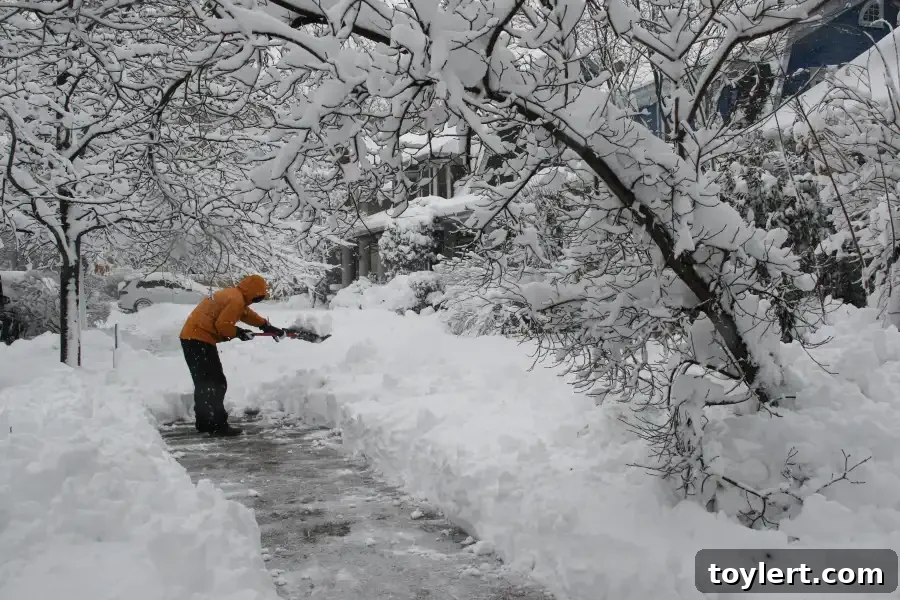
One of the most immediate and physically demanding needs during a heavy snowstorm is snow removal. With travel bans in effect and city plows often struggling to keep up with the sheer volume of snow, neighbors stepped up to help each other. Volunteers organized through local social media groups and grassroots organizations, offering to shovel sidewalks and clear pathways for elderly residents, individuals with disabilities, or those simply unable to manage the strenuous task themselves. Driveways and car-parked spaces, often buried under several feet of snow, were meticulously cleared, making post-blizzard life a little easier for everyone.
Beyond the physical labor, there was a profound sense of communal vigilance. Neighbors checked in on one another, particularly on isolated or vulnerable residents. Phone calls, quick texts, and even daring trips through the snow were made to ensure everyone was safe, warm, and had access to necessary medications or emergency supplies. This informal network of care provided not just practical assistance but also vital psychological comfort, mitigating the feelings of isolation that can accompany severe weather events.
Brooklyn’s Tradition of Resilience: Forging Stronger Bonds
Brooklyn has a long and proud history of community resilience. From its diverse neighborhoods to its vibrant local culture, the borough has always prided itself on its strong social fabric. Events like the decade’s largest blizzard serve as powerful reminders of this inherent strength. They strip away the ordinary routines of daily life, exposing both vulnerabilities and the incredible capacity for human connection and cooperation.
During the blizzard, local businesses, though often struggling with closures and reduced patronage, also played a part. Some cafes and bodegas that managed to stay open became impromptu community hubs, offering warm drinks and a brief respite from the cold, sometimes even providing free meals to those in dire need. These small gestures reinforced the idea that during a crisis, the entire community rallies together, each contributing in their own unique way to weather the storm.
Navigating the Storm: Challenges and Triumphs
Operating a mutual aid network during a blizzard presents unique challenges. Transportation logistics become a nightmare, as volunteers must brave hazardous conditions to deliver supplies or assist neighbors. Accessing fresh food for community fridges requires dedicated individuals with reliable vehicles—or, like Thadeus Umpster, a sheer will to walk through the snow—to navigate treacherous roads. The biting cold poses a constant threat, and the sheer physical effort involved can be exhausting.
Yet, these very challenges often bring out the best in people. The difficulties faced by volunteers and organizers during the blizzard underscored their unwavering dedication. It highlighted the intrinsic value of their work, transforming simple acts of kindness into heroic efforts. Each successful delivery, every shoveled path, and every warm check-in became a small triumph against the overwhelming force of nature, reinforcing the idea that even in the bleakest conditions, humanity’s warmth can prevail.
The Power of Connection: Strengthening Community Bonds
In a city as vast and dynamic as New York, it can sometimes be easy to feel disconnected. However, during moments of shared adversity like a major blizzard, the bonds of community are often fortified. The collective experience of preparing for, enduring, and recovering from such an event creates a powerful sense of unity. Residents who might ordinarily pass each other by suddenly find common ground in shared struggles and mutual support.
These interactions, born out of necessity, often spark lasting connections. New friendships are formed, existing relationships deepen, and a stronger sense of local identity emerges. The blizzard, while posing significant hardship, inadvertently served as a catalyst for community building, proving that even when physically isolated by snow, Brooklynites remain deeply interconnected by their shared humanity and commitment to one another.
A Call to Action: Sustaining Local Initiatives
The inspiring response to Brooklyn’s blizzard serves as a powerful reminder of the importance of robust community support systems. While the immediate crisis of the snowstorm may have passed, the underlying issues that mutual aid networks address—such as food insecurity, lack of access to resources, and social isolation—persist year-round. Therefore, the lessons learned and the spirit awakened during the blizzard must be carried forward into everyday life.
Residents are encouraged to actively seek out and support local community groups and mutual aid networks, not just during emergencies, but continually. This can take many forms: donating food to community fridges, volunteering time to help elderly neighbors, contributing financially to grassroots organizations, or simply spreading awareness about these vital initiatives. Even small acts of support can make a significant difference in sustaining these networks and ensuring they are prepared for future challenges, whether they be natural disasters, economic downturns, or other community needs.
Looking Ahead: Building a More Resilient Brooklyn
The “largest blizzard in a decade” was more than just a weather event for Brooklyn; it was a profound demonstration of the borough’s collective heart and an affirmation of its unyielding spirit. From the hurried preparations at grocery stores to Thadeus Umpster’s dedicated restocking of the Bed Stuy community fridge, and the countless acts of neighborly kindness, the blizzard brought out the very best in Brooklynites.
As the snow melts and daily life resumes its rhythm, the echoes of this communal response remain. They serve as a powerful testament to the fact that while nature can present formidable challenges, the strength of human connection and mutual aid forms an even more formidable force. By continuing to nurture and support these grassroots efforts, Brooklyn not only strengthens its resilience against future adversities but also cultivates a more compassionate, interconnected, and supportive community for all its residents.