Brooklyn’s Green Revival: From Historic Cannabis Fields to Modern Dispensaries
Brooklyn, a borough renowned for its rich history, vibrant culture, and undeniable influence on contemporary trends, is currently experiencing a profound transformation in its relationship with cannabis. With the recent shift in legal paradigms, notably Brooklyn District Attorney Ken Thompson’s progressive stance on not prosecuting low-level marijuana offenses – a policy that significantly predated broader state reforms – and the imminent arrival of its first medical cannabis dispensary in Downtown Brooklyn, the borough is not merely embracing a new era; it’s embarking on a profound return to its often-forgotten “pot-growing roots.” This fascinating trajectory reveals a Brooklyn deeply intertwined with cannabis cultivation, a connection that dates back far beyond modern memory, offering a unique glimpse into the evolving social and legal landscape of New York City.
A Forgotten Landscape: Brooklyn’s Cannabis Fields of Yesteryear
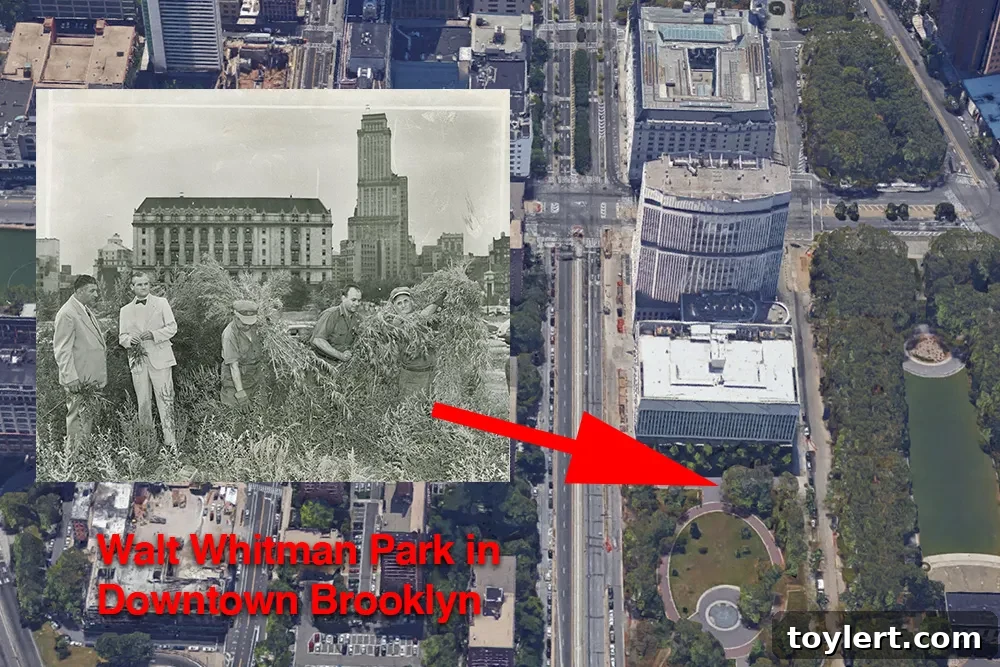
The notion of vast marijuana fields sprawling across urban landscapes might seem anachronistic in today’s tightly regulated world. Yet, for much of New York City’s history, particularly prior to the mid-20th century, the cultivation of cannabis was a remarkably common and largely unregulated phenomenon. Picture the vibrant summer of 1951 in Brooklyn: the legendary Dodgers were igniting the National League pennant race, shaping the borough’s collective identity with every swing and pitch. Simultaneously, influential Parks Commissioner Robert Moses was tirelessly championing ambitious plans for expansive urban freeways, irrevocably altering the city’s infrastructure and green spaces. Amidst this dynamic backdrop of sports fervor and urban redevelopment, an even more striking detail emerged from the heart of Downtown Brooklyn: an enormous field of marijuana, an unsuspecting botanical landmark thriving openly in the urban sprawl.
This wasn’t an isolated incident or a secret operation. For decades, cannabis plants, often mistaken for harmless weeds or simply viewed as part of the natural flora, grew abundantly in vacant lots, along railway tracks, and in undeveloped parklands across the five boroughs. Brooklyn, with its ample undeveloped areas and industrial fringes, was particularly fertile ground for these resilient plants. These were largely wild hemp, a variety of *Cannabis sativa* low in psychoactive THC, but nonetheless genetically linked to the plant later targeted by prohibition. Their widespread presence was so common that city officials would occasionally conduct “weed eradication” campaigns, not specifically targeting marijuana for its psychoactive properties, but rather as part of general urban landscaping and cleanliness efforts. The photograph from 1951, capturing what appears to be a cultivated or at least highly concentrated field in what is now Walt Whitman Park, offers a compelling visual testament to this forgotten aspect of Brooklyn’s natural history and the sheer scale of cannabis history in Brooklyn.
Hemp’s Enduring Legacy: Before Prohibition Took Hold
To truly understand the sheer scale of cannabis presence in early to mid-20th century Brooklyn, one must look back at the plant’s broader history in America. Hemp, a variant of the cannabis plant, was an essential agricultural crop in the United States from colonial times well into the 19th century. Valued for its strong fibers used in ropes, textiles, and paper, it was widely cultivated across the burgeoning nation. While these industrial varieties were distinct from the psychoactive strains primarily consumed for recreational purposes, the general acceptance and widespread growth of the *Cannabis* genus laid the groundwork for its pervasive presence in urban environments. New York City, serving as a major port and industrial hub, would have seen plenty of hemp-related activities and, consequently, self-seeding plants spreading into its numerous open spaces, especially in a rapidly developing borough like Brooklyn.
The plant’s transition from an industrial staple to a vilified substance was a complex process, heavily influenced by socio-political factors, economic interests, and sensationalist media campaigns like “Reefer Madness.” Before these campaigns fully took hold in the public consciousness, especially prior to the federal Marihuana Tax Act of 1937, cannabis was not widely perceived as a dangerous drug. Its use as a medicinal ingredient was common, and its casual growth in public spaces elicited little alarm. The discovery of these large fields in Downtown Brooklyn underscores a period when the plant existed openly, almost innocuously, before sweeping legal and cultural shifts dramatically altered its perception and led to its widespread criminalization. This historical context is vital for appreciating the current trends in NYC cannabis legalization.
The Green Culling: How Cannabis Vanished from Brooklyn’s Streets
The seemingly idyllic scene of cannabis fields thriving openly in Brooklyn was not destined to last. The mid-20th century marked a pivotal turning point, ushering in an era of stringent drug laws and aggressive public campaigns that reshaped how society viewed and regulated cannabis. The federal government’s Marihuana Tax Act of 1937 effectively criminalized cannabis nationwide, though its enforcement gained significant momentum in subsequent decades. Local authorities, including those in New York City, began to implement stricter measures, transforming casual cultivation into a prosecutable offense, a stark contrast to the 1950s Brooklyn weed landscape.
The influence of figures like Robert Moses, while primarily focused on urban development rather than drug policy, indirectly contributed to the disappearance of these wild cannabis patches. Moses’s grand vision for New York City involved extensive demolition and construction, transforming vast swathes of undeveloped land into parks, highways, and public housing. As Brooklyn underwent significant urbanization and landscaping projects, many of the vacant lots, railway edges, and neglected areas where cannabis once flourished were either paved over, built upon, or meticulously maintained to fit a new urban aesthetic, thereby eradicating the wild growth that had once been so prevalent. The era of aggressive urban renewal, combined with intensifying anti-drug sentiment, systematically pruned Brooklyn’s natural green spaces of their cannabis flora, making the idea of an “enormous field of marijuana” a fading memory.
A Cultural and Legal Transformation
Beyond physical eradication, a profound cultural shift took place across America, and particularly within diverse communities like Brooklyn. The sensationalized narrative of cannabis as a dangerous and addictive drug became deeply entrenched in American society. This shift was fueled by moral panics, often with racist undertones, particularly targeting immigrant communities and jazz musicians associated with cannabis use. What was once an overlooked plant became a symbol of societal decay, leading to increased surveillance, arrests, and harsh penalties for possession and cultivation. Brooklyn, as a diverse and rapidly growing borough, felt the full weight of these new prohibitions. The open fields of 1951 soon became a distant memory, replaced by a legal framework that criminalized even small amounts of the plant, forever changing New York cannabis laws.
The “war on drugs,” escalated throughout the latter half of the 20th century, disproportionately impacted minority communities in Brooklyn, leading to mass incarceration and systemic injustices. This period of intense prohibition cemented cannabis’s status as a forbidden substance, erasing its historical presence and natural growth from public consciousness. The transformation from an innocuous weed to a controlled substance was complete, laying the groundwork for decades of criminalization that would only begin to unravel in the 21st century, with Ken Thompson’s marijuana policy playing a critical role.
Brooklyn’s Green Awakening: Decriminalization and the Dawn of Legal Cannabis
Fast forward to the 21st century, and Brooklyn is once again at the forefront of a monumental shift regarding cannabis. The current landscape stands in stark contrast to the restrictive era of the mid-20th century, signaling a full-circle moment for the borough. A key catalyst in this modern resurgence was the groundbreaking policy enacted by Brooklyn District Attorney Ken Thompson. His decision, announced in 2014, to cease prosecuting low-level marijuana possession offenses was a bold, progressive move that significantly reduced arrests and the disproportionate impact of cannabis laws on communities of color. This policy not only offered relief to countless individuals but also set a powerful precedent, influencing broader decriminalization efforts across New York State and the nation.
Thompson’s initiative was a harbinger of more significant changes to come. New York State eventually legalized adult-use recreational cannabis in 2021, and before that, established a robust medical marijuana program. The imminent opening of Brooklyn’s first pot dispensary in Downtown Brooklyn is a direct manifestation of these evolving legal frameworks. These dispensaries are more than just retail outlets; they represent legitimate, regulated access points for patients seeking therapeutic relief and, eventually, for adults seeking recreational products. Their presence transforms the narrative around cannabis, moving it from the shadows of illicit trade into the light of regulated commerce and healthcare, fundamentally altering Brooklyn cannabis culture.
Economic Opportunities and Social Justice Imperatives
The re-emergence of legal cannabis in Brooklyn brings with it a wave of economic opportunities. The burgeoning industry promises new jobs in cultivation, processing, distribution, and retail, potentially revitalizing local economies. Tax revenues generated from cannabis sales are earmarked for reinvestment in communities disproportionately affected by past drug laws, funding education, infrastructure, and social services. This economic potential is deeply intertwined with critical social justice considerations. Legalization efforts in New York, and Brooklyn in particular, have emphasized equity, aiming to ensure that individuals and communities historically marginalized by prohibition are given priority in the new legal market. This includes providing opportunities for licensing and employment to those impacted by past cannabis convictions, ensuring the benefits of legalization are shared broadly.
The establishment of medical marijuana Brooklyn dispensaries and potential adult-use cultivation facilities within the borough also signifies a broader societal acceptance of cannabis as a legitimate industry. It reflects a growing understanding of the plant’s potential benefits, both medicinal and economic, and a long-overdue departure from decades of misinformation and moral panic. This normalization is crucial for integrating cannabis into the fabric of daily life, much like it was, albeit in a different form, over seventy years ago when Downtown Brooklyn pot fields were a visible reality. The conversation around cannabis has shifted from criminal justice to public health and economic development, reflecting a more mature and evidence-based approach.
Brooklyn’s Green Future: A Harmonious Blend of Past and Present
The journey of cannabis in Brooklyn—from its unencumbered growth in urban fields in the mid-20th century to its systematic eradication, and now, its triumphant return through decriminalization and legal dispensaries—is a powerful narrative of resilience and evolving societal views. Brooklyn is not merely joining a national trend; it is revisiting its own unique history, re-establishing a connection with a plant that once thrived openly within its urban sprawl. This “return to its pot-growing roots” is more than just a historical anecdote; it’s a blueprint for a future where cannabis is treated with respect, regulated responsibly, and leveraged for both public health and economic prosperity.
As Brooklyn embraces its green future, it does so with a clearer understanding of the plant’s history, the harms of prohibition, and the immense potential of a legal, equitable cannabis industry. The enormous fields of marijuana in 1951, though long gone, serve as a poignant reminder of Brooklyn’s enduring relationship with cannabis, a relationship now being rekindled with foresight and progressive policy. The borough stands as a testament to how public perception, legal frameworks, and urban landscapes can dramatically transform over time, yet also how certain threads of history, like the deep-rooted presence of cannabis, can resurface and redefine a community. Brooklyn’s ongoing journey with cannabis is a vibrant chapter in its storied past and an exciting prologue to its future as a leader in the evolving cannabis landscape of New York City.