Williamsburg’s Shifting Landscape: The Evolution of 543 Metropolitan Avenue from Klenosky Paint to Brooklyn Roasting Company and Beyond
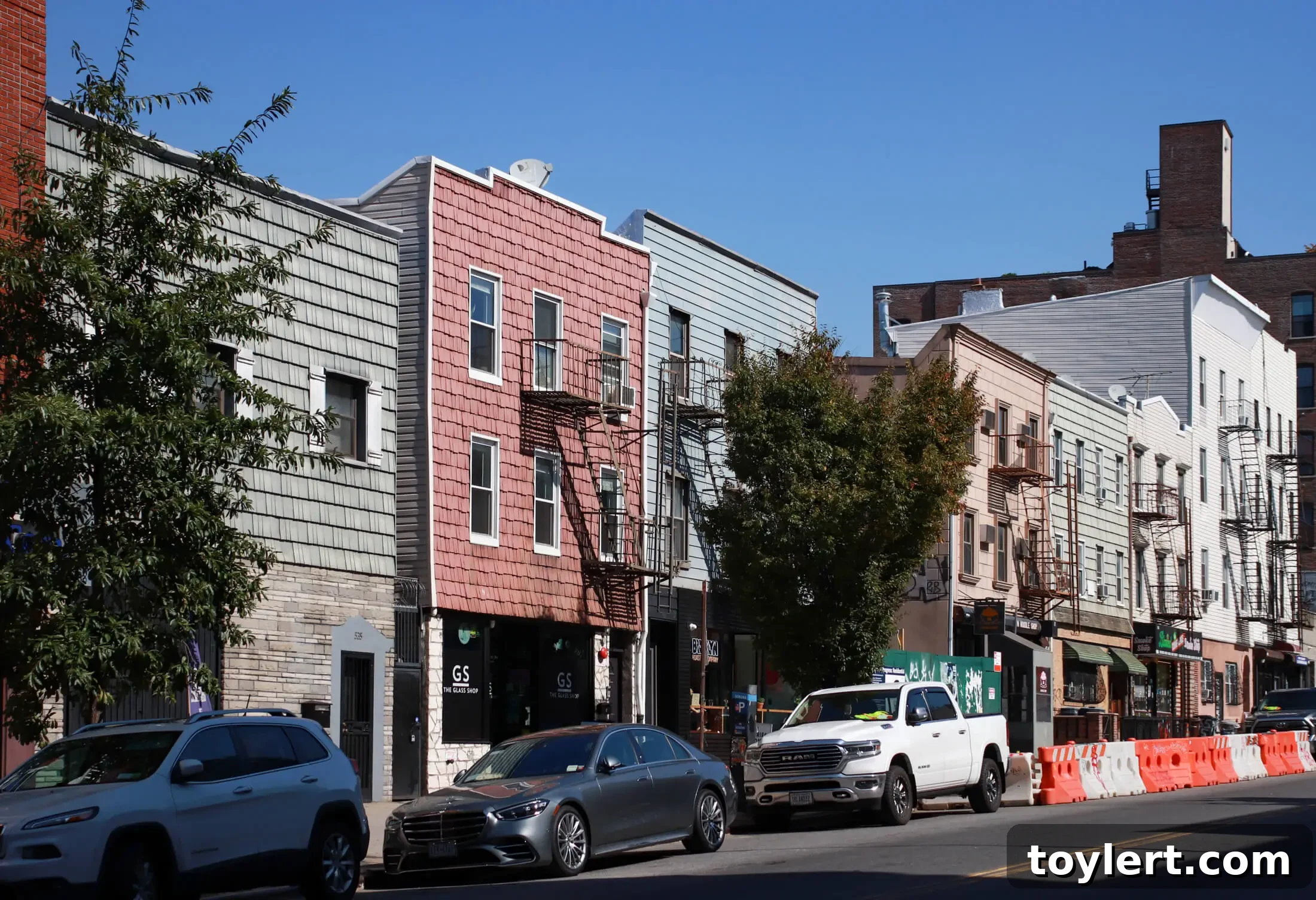
Williamsburg, Brooklyn, a neighborhood perpetually in motion, continues its fascinating transformation, often at the crossroads of cherished history and dynamic development. A prime example of this ongoing evolution can be witnessed at 543 Metropolitan Avenue, a locale that has recently experienced a significant shift. Here, the long-standing community pillar, Klenosky Paint, has gracefully given way to a new outpost of the Brooklyn Roasting Company, while an ambitious apartment building development rises on the adjacent lot where a garage once stood. This particular corner of North Williamsburg encapsulates the broader narrative of urban renewal, where legacy businesses yield to contemporary ventures, and new residential structures reshape the urban fabric.
The End of an Era: Klenosky Paint’s Enduring Legacy in Williamsburg
For over seven decades, Klenosky Paint was more than just a hardware store; it was an integral part of Williamsburg’s identity. Operating continuously at 543 Metropolitan Avenue since 1949, this fourth-generation, family-owned “mom and pop” shop served generations of residents, artists, and contractors. Its reputation was built not just on the quality of its products, but on the invaluable expertise and friendly service provided by its knowledgeable staff. They were the trusted advisors for countless home improvement projects, offering personalized recommendations and a familiar face in an ever-changing borough.
The sudden closure of Klenosky Paint in the fall of 2021 sent ripples through the community. For many long-time residents, it marked the bittersweet departure of a beloved institution, a tangible link to Williamsburg’s past. The store represented a time when local businesses, deeply embedded in the community’s daily life, were the norm rather than the exception. Its demise highlighted the increasing pressures on independent retailers in a rapidly gentrifying urban environment, where soaring rents and competitive markets often make it challenging for even the most established businesses to thrive.
A New Chapter: Brooklyn Roasting Company Brews Changes
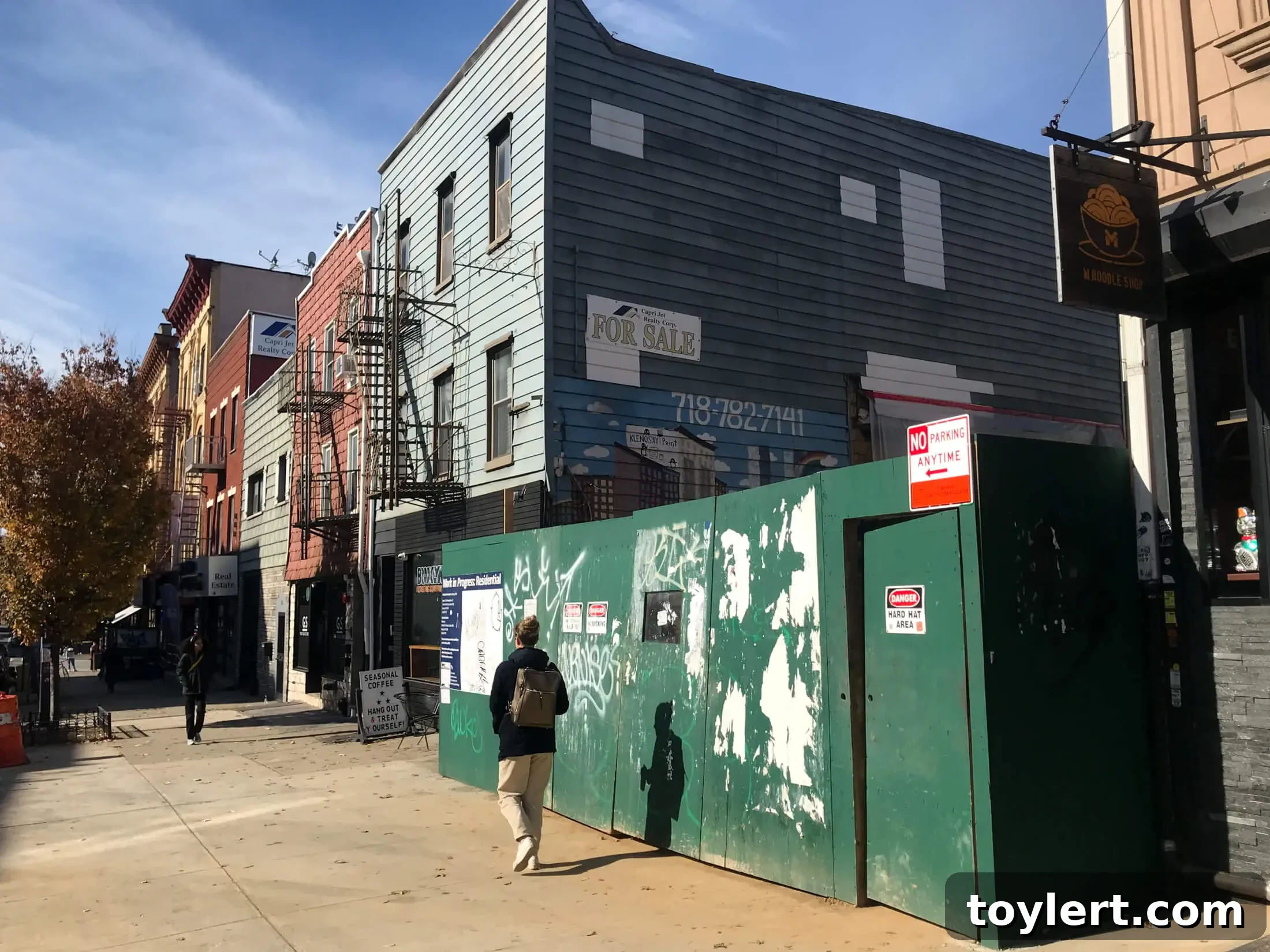
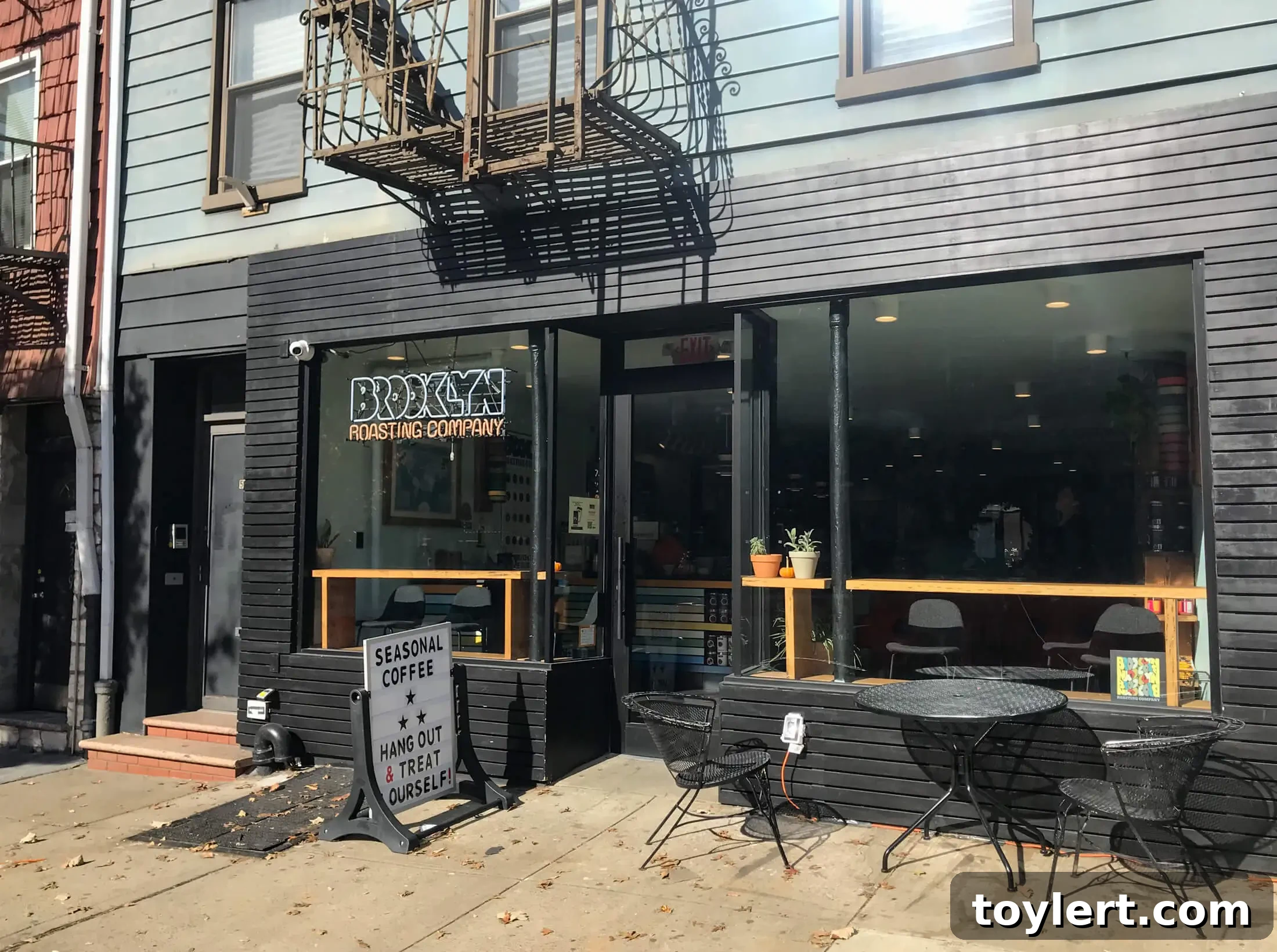
Following Klenosky Paint’s closure, a “for-sale” sign soon appeared on the storefront, signaling an imminent transition for the property. The speed with which new ventures often replace old ones in Brooklyn’s prime locations is a testament to the area’s ongoing appeal to developers and businesses alike. By early 2023, a new tenant had moved in, bringing a different kind of commerce to Metropolitan Avenue: the Brooklyn Roasting Company. This popular local coffee chain, known for its artisanal beans and commitment to ethical sourcing, quickly established its presence, transforming the former paint shop into a bustling café.
The arrival of the Brooklyn Roasting Company at 543 Metropolitan Avenue is symbolic of Williamsburg’s continued evolution from an industrial hub to a vibrant residential and commercial center. While the loss of Klenosky Paint evoked nostalgia, the new coffee shop caters to the modern rhythms of the neighborhood, providing a popular gathering spot for residents, remote workers, and visitors seeking quality coffee and a contemporary ambiance. This transition reflects the ongoing demand for lifestyle amenities that support a thriving, diverse community, even as it signals a clear departure from the area’s commercial heritage.
The $3.1 Million Transaction and Patoma Partners’ Vision for Urban Living
The full scope of change at this strategic Williamsburg location became clearer with the public revelation of the property’s sale. In May 2022, the long-time owner behind Klenosky Paint sold the two adjacent lots – comprising the former paint store and the neighboring garage site – for a total of $3.1 million. This significant transaction underscored the immense value of real estate in North Williamsburg and the potential seen by developers in this coveted area. The buyer was Patoma Partners, a prominent developer known for its focus on the rental apartment market across Brooklyn.
Patoma Partners specializes in developing, acquiring, and managing rental apartment buildings primarily in Williamsburg, Bushwick, and Ridgewood – neighborhoods that have experienced substantial growth and demand for housing in recent years. Their portfolio includes a range of residential projects, often characterized by modern design and amenity-rich living spaces. An example of their work, cited in public records, is a Common co-living space located at 248-254 South 3rd Street, directly fronting the BQE. This gives insight into Patoma’s strategy: developing contemporary, often higher-density, rental properties designed to meet the needs of a diverse urban populace, from young professionals to families seeking a dynamic Brooklyn lifestyle.
Architectural Insights: The Modern Six-Story Development at 545 Metropolitan Avenue
The plans for the new apartment building, rising next door to the Brooklyn Roasting Company, were revealed through a rendering posted on the green construction fence at 545 Metropolitan Avenue. The visual showcases a striking, modern six-story building designed to maximize its urban footprint. One of its most distinctive features is its cantilevered design, extending gracefully over the petite wood-frame house that now hosts the Brooklyn Roasting Company and two residential apartments above. This architectural move is often employed in dense urban environments to create additional floor space without encroaching on ground-level properties, providing a sense of dynamic overhang.
While the overall aesthetic of the building appears to be sleek and fairly restrained, a closer look at the rendering reveals several “fun quirks” that add character and a unique visual signature. Among these is a particularly eye-catching upside-down arched window, a playful inversion of traditional architectural elements. The curve of this distinctive window is thoughtfully echoed in other parts of the design, notably in the prominent cantilever itself, and subtly in the corner of the ground-floor storefront’s large glass window. These repeated curvilinear motifs create a sense of harmony and intentional design, suggesting a careful consideration for aesthetic details beyond mere functionality.
Adding another layer of local artistry and whimsy to the design, a tiny Tom Fruin water tower is depicted on the roof of the new structure. Tom Fruin, a Brooklyn-based artist, is renowned for his colorful, stained-glass-like water towers that dot the city’s skyline, transforming utilitarian structures into vibrant public art installations. The inclusion of such a detail in the rendering suggests a desire to integrate local artistic flair into the new development, perhaps as a “freelance addition” that celebrates Brooklyn’s creative spirit and acts as a beacon in the neighborhood. This thoughtful nod to local culture ensures the building, despite its modernism, maintains a connection to the artistic vibrancy that defines much of contemporary Williamsburg.
Williamsburg’s Evolving Landscape: A Microcosm of Change
The transformation of 543-545 Metropolitan Avenue serves as a microcosm for the larger narrative of urban change unfolding across Williamsburg and beyond. This bustling thoroughfare, once a gateway to industrial activity, now stands as a vibrant commercial and residential artery. The ongoing development projects reflect a significant shift towards accommodating a growing population seeking to live in proximity to Manhattan, while enjoying the unique cultural and culinary offerings of Brooklyn. The proliferation of luxury rentals and modern mixed-use buildings is a testament to the neighborhood’s desirability, attracting both new residents and businesses.
However, this rapid development is not without its complexities. The balance between preserving the historic character and local businesses that gave Williamsburg its soul, and the undeniable need for more housing and modern amenities, remains a constant challenge. Each new construction, each storefront transformation, sparks conversations about gentrification, affordability, and the changing identity of the community. Metropolitan Avenue, with its blend of old and new establishments, its mix of classic brownstones and contemporary developments, is a living canvas depicting this ongoing urban dialogue.
The Impact on the Community and Future Outlook
The changes at 543 Metropolitan Avenue, from the closure of Klenosky Paint to the rise of a new apartment complex and the establishment of Brooklyn Roasting Company, profoundly impact the daily lives of Williamsburg residents. While the loss of a long-standing local business can evoke sadness and a sense of disconnection from the past, the arrival of new establishments and housing options brings renewed vitality and infrastructure. The new apartment building will provide much-needed residential units in a high-demand area, catering to the influx of people drawn to Williamsburg’s dynamic environment.
Ultimately, this specific development on Metropolitan Avenue highlights the relentless pace of urban development in Brooklyn. It signifies a continued shift towards modern living, sophisticated architectural design, and a commercial landscape that caters to evolving consumer tastes. As Williamsburg continues to grow and redefine itself, properties like 543 Metropolitan Avenue will stand as symbols of its enduring appeal and its capacity for constant reinvention, blending echoes of its past with the bold strokes of its future.