Unsettling Surge: Addressing Recent Gun Violence and Public Safety Concerns in Brooklyn
Brooklyn, a borough renowned for its vibrant culture, diverse communities, and bustling urban landscape, has recently found itself grappling with a disturbing series of events that have shaken the sense of security among its residents. In what has been described as an unusual and unsettling escalation, three significant shooting incidents have occurred since a recent Monday evening, prompting urgent discussions about public safety and the pervasive challenge of urban gun violence. These events underscore a critical need for enhanced measures and community vigilance to preserve the peace and well-being of Brooklynites.
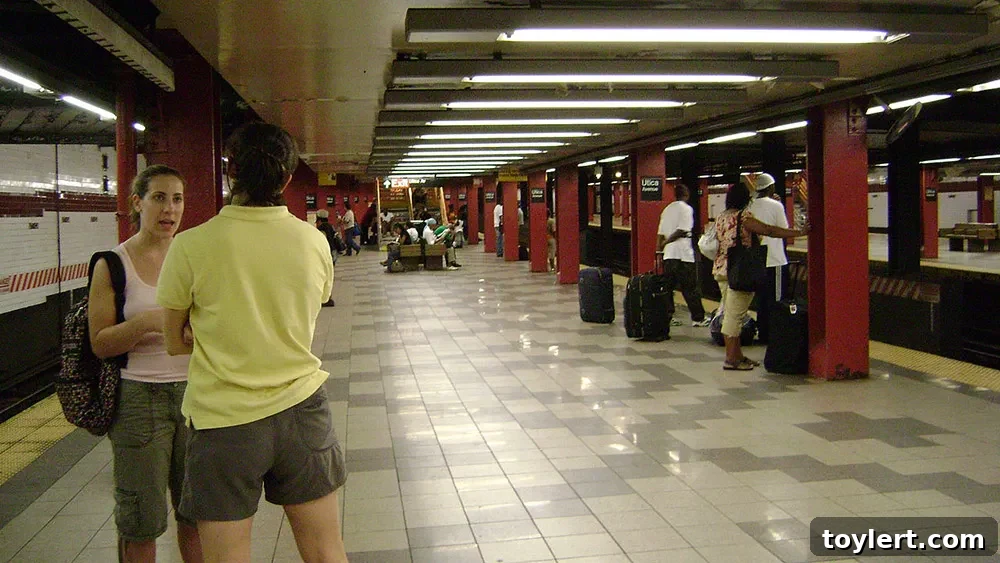
The most prominent of these incidents unfolded during the busy rush hour on a Tuesday evening, specifically at the Utica Avenue A/C subway station in the heart of Stuyvesant Heights. What began as an ordinary commute for countless individuals quickly descended into chaos when a lone gunman opened fire into a crowd of people. While authorities were quick to clarify that the incident was not an act of terrorism, the sheer randomness and brutality of the attack undoubtedly evoked profound fear and anxiety, particularly coming just days after major global events that had heightened public sensitivity to such threats.
The Utica Avenue Subway Incident: A Detailed Account
The scene at the Utica Avenue subway station was one of immediate pandemonium. As commuters navigated the platforms and trains, a sudden burst of gunfire shattered the evening’s calm. This brazen act of violence left two individuals seriously injured. One man, who was in the process of exiting a train, sustained grave wounds, underscoring the indiscriminate nature of the attack. Another male, identified as 27 years old, was critically wounded. Investigators believe this individual had a prior connection to the gunman and was potentially fleeing an ongoing dispute, adding a layer of complexity to the incident.
The aftermath saw a rapid deployment of emergency services and law enforcement personnel, who quickly secured the area and initiated a thorough investigation. The immediate impact on witnesses was profound. Many described the terror of the moment, the instinctive scramble for cover, and the lingering psychological shock. The incident served as a stark reminder of how quickly public spaces can transform from safe havens into scenes of grave danger, leaving an indelible mark on those who experienced it firsthand.
Community Reactions and the Broader Context of Urban Crime
The Utica Avenue shooting, alongside the other two unspecified but equally disturbing incidents that occurred in rapid succession, has ignited widespread concern within the Brooklyn community. A worker at a nearby laundromat, reflecting the sentiment of many residents, told a local newspaper, “It’s too frequent, too rampant. It’s like an everyday thing now.” This sentiment highlights a troubling normalization of violence, indicating that such occurrences are no longer perceived as isolated anomalies but rather as part of an increasingly worrying trend.
The term “unusual” in the initial reports of these shootings draws attention to specific characteristics that set them apart. Perhaps it refers to the location – a busy subway station during peak hours – or the apparent randomness of some of the attacks, or even the heightened brazenness of the perpetrators. Regardless of the exact interpretation, these incidents collectively point to a worrying erosion of public safety in spaces traditionally considered safe. Public transportation, in particular, relies on the trust and security of its users, and any threat to that security has far-reaching consequences for urban mobility and quality of life.
Addressing the Root Causes and Strengthening Community Resilience
The recent spate of violence in Brooklyn compels a deeper examination of the multifaceted factors contributing to urban gun crime. While the immediate focus is on law enforcement’s efforts to apprehend suspects and ensure justice, a sustainable solution requires addressing underlying socio-economic disparities, mental health challenges, and the accessibility of illegal firearms. Community leaders, local organizations, and policymakers are increasingly called upon to collaborate on comprehensive strategies that extend beyond reactive policing to proactive prevention.
Efforts to enhance public safety must encompass several key areas. Firstly, increased police presence in high-risk areas, including subway stations and major transportation hubs, can act as a deterrent and provide a quicker response to incidents. Secondly, leveraging advanced surveillance technologies can aid in identifying perpetrators and gathering critical evidence. However, technology alone is insufficient; it must be coupled with robust community policing initiatives that foster trust and cooperation between residents and law enforcement.
The Importance of Community Engagement and Support Systems
Beyond policing, the resilience of Brooklyn’s communities plays a pivotal role in countering violence. Neighborhood watch programs, community-led initiatives for conflict resolution, and youth outreach programs are vital in creating safer environments. Providing accessible mental health services and support for individuals at risk of violence, both as perpetrators and victims, is also paramount. Education and economic opportunities can help divert individuals from pathways that lead to crime, offering alternatives and fostering a sense of hope and belonging.
The psychological toll of such incidents on residents cannot be overstated. Fear of crime can impact daily routines, stifle social interaction, and diminish the overall quality of life. Therefore, establishing support systems for victims and witnesses, including trauma counseling and community healing initiatives, is crucial for long-term recovery and rebuilding trust. The collective spirit of Brooklyn, historically a borough that has overcome numerous challenges, will be instrumental in navigating this current period of unease.
A Call for Unified Action for a Safer Brooklyn
The recent shootings in Brooklyn serve as a potent reminder that public safety is a shared responsibility. It requires the unwavering commitment of law enforcement agencies, the proactive engagement of community organizations, thoughtful policy-making, and the vigilance of every individual. While the incidents at the Utica Avenue subway station and the other related shootings are deeply concerning, they also galvanize a collective resolve to protect Brooklyn’s vibrant communities.
Moving forward, sustained dialogue, robust resource allocation, and a unified approach are essential. Residents are encouraged to report suspicious activities, participate in local safety initiatives, and stay informed about community efforts. By working together, Brooklyn can reinforce its foundational values of community, resilience, and safety, ensuring that its public spaces remain places of connection and opportunity, free from the shadow of violence. The path to greater security is multifaceted and challenging, but with determination and collaborative action, Brooklyn can continue to thrive as a safe and welcoming home for all.