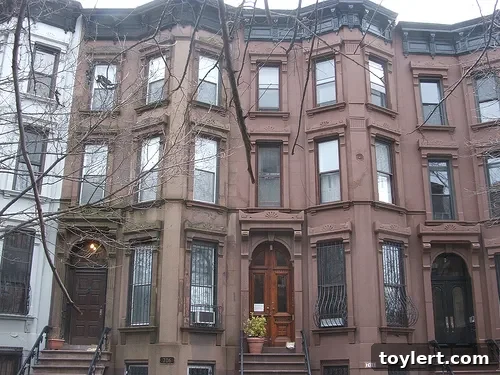
The Shifting Landscape of Poverty: NYC’s Reverse Migration to the Suburbs
For decades, the narrative of urban centers in the United States was one of decline, characterized by middle-class flight to the suburbs and the concentration of poverty within city limits. However, the dawn of the 21st century has brought a remarkable reversal to this long-standing trend, particularly within the New York metropolitan area. A groundbreaking analysis from the Metropolitan Policy Program of the Brookings Institution, highlighted in a significant report by the New York Times, reveals a profound demographic shift: the economically disadvantaged are increasingly relocating from vibrant urban hubs like Brooklyn and Manhattan to the surrounding suburban communities, while the affluent continue to gravitate towards the city.
This evolving dynamic, often observed anecdotally by residents and urban planners alike, now has robust data to back it up. As housing costs in New York City’s most desirable boroughs have skyrocketed, pushing the limits of affordability, a new pattern of migration has emerged. This article delves into the intricacies of this reverse migration, exploring the underlying causes, the critical data points, and the far-reaching implications for both urban and suburban areas within the greater New York region.
A Decade of Transformation: Unpacking the Data (2000-2010)
The first ten years of the 21st century proved to be a pivotal period, acting as a crucial tipping point for this demographic restructuring. From 2000 through 2010, the New York metropolitan region witnessed significant changes in its poverty landscape:
- Brooklyn’s Decline in Poverty: The number of poor individuals in Brooklyn saw a notable reduction, decreasing by 11 percent. Once a borough grappling with high poverty rates, Brooklyn began its transformation into a highly sought-after residential area.
- Manhattan’s Shifting Demographics: Manhattan, long synonymous with wealth and opportunity, also experienced a 10 percent decline in its impoverished population. This further underscores the trend of lower-income residents being priced out of the city’s core.
- Suburban Surge: Conversely, the suburbs surrounding New York City experienced a substantial increase in their impoverished populations. This segment grew by 14 percent, translating to an estimated 100,000 more poor individuals settling in suburban areas during this decade.
For the purpose of this comprehensive study, “poor” was precisely defined as a family of four earning less than $23,350 annually. This threshold, while seemingly low in a high-cost region like New York, provides a consistent benchmark for understanding economic hardship across different areas. The findings from the Brookings Institution’s Metropolitan Policy Program offer an invaluable lens through which to view the ongoing socio-economic restructuring of one of the world’s most dynamic urban environments.
The Driving Forces Behind the Suburban Shift: Housing Costs and Gentrification
The primary catalyst for this outward migration of lower-income residents is unequivocally the escalating cost of living, particularly housing. New York City, especially its more attractive boroughs like Brooklyn and Manhattan, has undergone a dramatic transformation driven by gentrification and relentless real estate development. What were once working-class neighborhoods have been revitalized with luxury condominiums, boutique shops, and upscale restaurants, leading to a surge in rents and property values.
The Housing Affordability Crisis in NYC
As demand for urban living among the affluent surged, developers responded by constructing high-end properties that cater to a wealthier demographic. This market dynamic has inadvertently pushed out long-term residents and those with limited incomes. For many families, even modest apartments in Brooklyn or parts of Manhattan became financially unsustainable, forcing them to seek more affordable housing options elsewhere. The average rent in many Brooklyn neighborhoods now rivals or even exceeds that of some parts of Manhattan, making it impossible for individuals earning just above the poverty line to secure decent housing without spending an unsustainable portion of their income.
This displacement is not merely an economic issue; it has profound social and cultural implications. It erodes community fabric, disperses established networks, and diminishes the very diversity that has historically defined New York City. The city’s efforts to create affordable housing have struggled to keep pace with the overwhelming market forces, leading to a net loss of affordable units relative to demand.
Immigration Patterns and Economic Realities in the Suburbs
Another significant factor contributing to the suburbanization of poverty is the changing settlement patterns of immigrants. Historically, new immigrants to the U.S. often first settled in urban centers, drawn by existing ethnic communities, job opportunities, and public transportation. However, this trend has also seen a reversal. Immigrants are now increasingly opting to settle directly in suburban areas for several compelling reasons:
- Lower Cost of Living: Suburbs, generally, offer lower housing costs compared to New York City. This allows immigrant families to stretch their limited incomes further, often enabling them to afford larger homes or better living conditions than they could in the city.
- Job Availability: While suburban jobs often pay less than those in the city, there is a growing availability of service sector, retail, and light manufacturing jobs in suburban towns. These jobs, while not high-paying, provide accessible employment for many new arrivals.
- Perceived Better Quality of Life: Suburbs often promise better schools, safer environments, and more green space, appealing to families looking to raise children away from the perceived intensity of urban life.
This shift in immigration patterns has added to the growing diversity and, in some cases, the economic strain on suburban communities. The confluence of these factors – soaring urban housing costs and evolving immigrant settlement patterns – has created a complex web of challenges and opportunities across the entire metropolitan region.
Impacts and Implications: A Regional Perspective
The increasing concentration of poverty in suburban areas presents a unique set of challenges for these communities, which were historically designed and funded to serve a middle-class population. Suburban infrastructure, social services, and public transportation systems are often ill-equipped to handle the growing needs of a low-income population.
Challenges for Suburban Communities
Many suburban towns lack the robust social safety nets and public transit systems found in major cities. Schools in these areas may face increased pressure to provide services for children from diverse socio-economic backgrounds, including those with limited English proficiency. Healthcare access, food assistance programs, and job training initiatives may be less comprehensive or accessible compared to their urban counterparts. This shift demands a re-evaluation of regional planning and resource allocation to ensure that suburban communities can adequately support their changing populations.
The Future of NYC’s Urban Core
While the city’s core becomes wealthier, questions arise about its long-term social and economic health. A city that loses its economic diversity risks becoming homogenous, potentially stifling innovation and creativity. The disappearance of working-class families and small businesses can alter the character and vibrancy of neighborhoods, transforming them into exclusive enclaves rather than dynamic melting pots. Maintaining a balance of affordability and opportunity remains a critical challenge for New York City’s policymakers.
Staten Island: A Unique Case
Amidst these regional shifts, Staten Island presents a particularly noteworthy case. The number of poor households in Staten Island rose by a significant 18 percent during the 2000-2010 decade. As one of New York City’s five boroughs, Staten Island often retains a more suburban feel and has historically been more accessible in terms of housing costs compared to Manhattan or Brooklyn. Its increase in poverty suggests it may be absorbing some of the displaced populations from its sister boroughs, or experiencing its own internal economic pressures, serving as a transitional point for those seeking a balance between urban proximity and suburban affordability.
Addressing the Disparity: Policy Considerations
Understanding this intricate demographic shift is merely the first step. The findings from the Brookings Institution report underscore the urgent need for comprehensive, region-wide strategies to address housing affordability and poverty. Policymakers must move beyond siloed urban or suburban approaches and embrace a holistic view that considers the interconnectedness of the entire metropolitan area. This could involve:
- Regional Affordable Housing Initiatives: Developing a coordinated regional strategy for affordable housing that spans across city and suburban boundaries, incentivizing the creation of diverse housing options in all communities.
- Investing in Suburban Infrastructure: Boosting investment in public transit, social services, and educational resources in suburban areas to support their growing low-income populations.
- Economic Development Strategies: Fostering economic development that creates diverse job opportunities, including well-paying jobs in both urban and suburban areas, reducing reliance on low-wage service sector employment.
- Support for Immigrant Communities: Ensuring that suburban communities have the resources to integrate and support new immigrant populations, providing language services, job training, and cultural programs.
Conclusion: A Call for Comprehensive Solutions
The reversal of traditional urban-suburban migration patterns for the poor marks a profound shift in the socio-economic fabric of the New York metropolitan region. While rising rents and home prices continue to drive out lower-income residents from Brooklyn and Manhattan, the subsequent increase in suburban poverty demands immediate attention. This trend is not merely a statistical anomaly but a reflection of deep-seated issues related to housing affordability, economic inequality, and evolving immigration patterns. As New York City continues to evolve, understanding and proactively addressing these shifts will be crucial for fostering equitable growth and ensuring the well-being of all its residents, whether they reside in its bustling urban core or its expanding suburban periphery. The challenge now lies in developing integrated solutions that transcend traditional boundaries and build a more inclusive and sustainable future for the entire region.
Suburbs’ Share of Poor Has Grown Since 2000 [NY Times]