Navigating the New Normal: Life, Work, and Community in the Midst of a Global Crisis
The world as we knew it has shifted dramatically. As we reflect on these unprecedented times, many of us recall the early days of the widespread lockdowns. For those of us in New York City, a vibrant metropolis that never truly sleeps, the silence that descended was profound. Weeks turned into months, marking a period of intense adaptation and resilience. We remember being in the fourth week of sheltering in place, a measure deemed crucial to curb the rapid spread of the virus, and for families with school-aged children, it also marked the 14th day of a new, unexpected venture: home schooling for New York City schools.
This period introduced a unique set of challenges and opportunities. The sudden pivot to remote learning transformed kitchens into classrooms and parents into impromptu educators. While initially daunting, this experience also offered families a chance to reconnect, to rediscover the simple joys of shared time, and to witness the incredible adaptability of children. Yet, it wasn’t without its difficulties, from managing screen time and diverse learning styles to ensuring access to necessary resources for every student across the city’s vast educational system.
The Economic Aftershocks: A Deepening Unemployment Crisis
While the initial efforts of social distancing began to show promising signs, leading to a slowing rate of infection, the economic ramifications were just beginning to unfold. The gears of commerce ground to a halt in many sectors, resulting in an unprecedented surge in job losses. Businesses, large and small, faced impossible decisions, leading to widespread furloughs and layoffs. The ripple effect was felt across every industry, from hospitality and retail to arts and entertainment, fundamentally reshaping the economic landscape.
In a period of mere weeks, the scale of the job crisis became staggering. We witnessed millions of individuals filing for unemployment benefits, a stark indicator of the rapidly deteriorating job market. In the span of just three weeks, more than 16 million people had filed for unemployment, according to figures released at the time. This number, shocking as it was, likely understated the true extent of the problem. Many outdated computer systems, designed for a different era and a different scale of crisis, struggled to handle the sheer volume of applications. This technological bottleneck meant countless others, equally affected, faced delays and frustration, further exacerbating the anxieties of an already distressed populace. The true number of job losses was, without a doubt, much higher, painting a grim picture of financial uncertainty for millions of households.
Supporting Businesses and Communities Through Unprecedented Strain
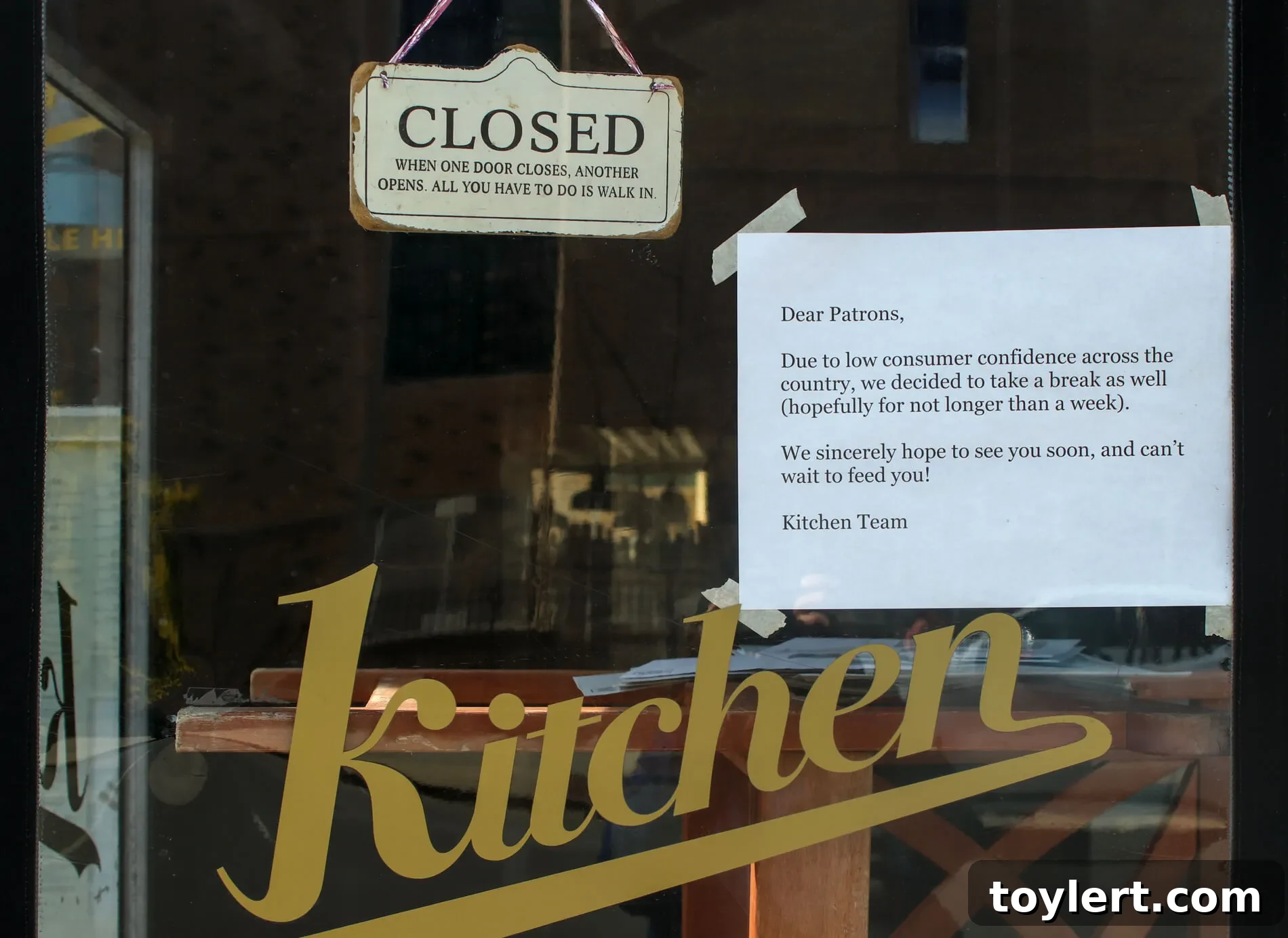
The impact of these economic shifts extended far beyond individual households. Small businesses, the lifeblood of communities like Brooklyn, faced existential threats. Local restaurants, boutiques, and service providers, often operating on thin margins, grappled with mandated closures and reduced customer traffic. Government initiatives and community-led campaigns emerged in an effort to provide relief, offering loans, grants, and avenues for consumer support. The resilience of these businesses, and the collective desire to see them survive, became a heartwarming testament to the spirit of local communities.
The crisis highlighted existing societal inequalities, with marginalized communities often bearing the brunt of both the health and economic impacts. Essential workers, from healthcare professionals to grocery store clerks, became the unsung heroes, risking their own well-being to keep critical services running. Their dedication and sacrifice underscored the interconnectedness of society and the vital role each individual plays in maintaining its fabric.
Social Distancing: A Collective Act of Responsibility
The concept of social distancing, once a relatively obscure public health term, became a household mantra. It was more than just a recommendation; it was a collective act of responsibility. Parks closed, public gatherings ceased, and even routine errands became strategic endeavors, requiring masks and careful spatial awareness. While challenging for social beings, these measures were understood as vital in flattening the curve and protecting healthcare systems from being overwhelmed.
The empty streets and quiet neighborhoods were a visual representation of a city in hibernation, a stark contrast to its usual bustling energy. Yet, within this quiet, new forms of connection emerged. Neighbors checked in on one another, virtual communities thrived, and acts of kindness, both large and small, became commonplace. This period taught us profound lessons about public health, collective action, and the enduring power of human connection, even in isolation.
Mental Well-being in a Time of Uncertainty
Beyond the physical and economic tolls, the pandemic brought significant challenges to mental well-being. The isolation, the constant flow of unsettling news, and the pervasive uncertainty about the future took a toll on many. Anxiety, stress, and feelings of loneliness became prevalent. Recognizing this, mental health resources and support networks adapted rapidly, moving online and offering virtual services to reach those in need. Open conversations about mental health became more frequent and necessary than ever, emphasizing the importance of self-care and mutual support during a global crisis.
The experience underscored the importance of routines, engaging in hobbies, staying connected with loved ones virtually, and seeking professional help when needed. It served as a reminder that resilience is not just about enduring hardship, but also about actively nurturing one’s mental and emotional health in the face of adversity.
Your Voice Matters: Sharing Experiences and Insights
In these challenging and transformative times, understanding diverse perspectives is more crucial than ever. Every individual’s experience, whether here in the heart of Brooklyn or across the globe, contributes to a broader tapestry of human resilience and adaptation. We are keen to hear about your personal journey through these extraordinary circumstances. What are you doing to cope and thrive?
What are your primary concerns, and what thoughts occupy your mind as we navigate this ever-evolving situation? Perhaps you’ve discovered new routines, learned new skills, or found unexpected sources of comfort and joy. What innovations have you seen emerge in your community, or what stories of human kindness have resonated with you?
Furthermore, what are you reading and seeing regarding the Coronavirus crisis? Are there particular news sources, expert opinions, or personal narratives that have informed your understanding or offered you solace and perspective? Sharing these insights can help illuminate the path forward for others and foster a sense of shared experience.
Please feel free to comment in a thoughtful and respectful manner. We encourage open dialogue and the exchange of ideas, but we kindly request that all contributions adhere to a standard of civility. Please, no personal attacks, nothing libelous, and ensure your comments contribute constructively to the conversation. Our goal is to foster a safe and supportive environment for community engagement. If you are not already logged in, you can easily do so by navigating to the top right-hand side of the page. Logging in will enable you to share your valuable thoughts and become an active participant in our community’s ongoing discussion.