Hurricane Sandy’s Enduring Legacy: Brooklyn’s Ongoing Battle for Recovery
More than a decade has passed since Superstorm Sandy unleashed its devastating power upon the East Coast, yet for many residents in Brooklyn’s hard-hit neighborhoods, the path to full recovery remains an ongoing journey. Areas such as Coney Island, Gerritsen Beach, and Canarsie continue to grapple with the profound and multifaceted consequences of the catastrophic storm, highlighting the long-term challenges of disaster recovery in densely populated urban environments. A recent report released by the Brooklyn Recovery Fund underscored this persistent struggle, revealing some truly unsettling findings about the pace and equity of rebuilding efforts.
The Echoes of Devastation: A Look Back at Sandy’s Impact on Brooklyn
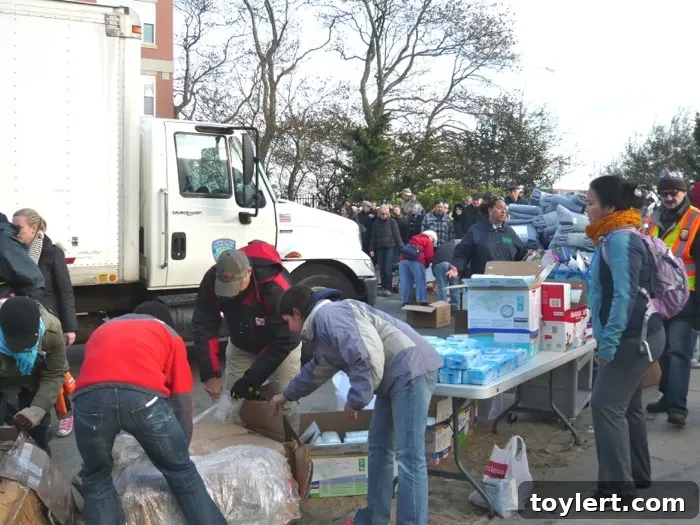
When Hurricane Sandy made landfall in October 2012, it brought unprecedented storm surges that inundated vast swathes of New York City’s coastline. Brooklyn, with its extensive waterfront, bore a significant brunt of the storm’s fury. Homes, businesses, and critical infrastructure were submerged under feet of saltwater, leading to widespread power outages, structural damage, and the displacement of thousands of residents. The immediate aftermath was a scene of chaos and despair, but it also sparked an incredible outpouring of community support and resilience.
However, the initial shock quickly gave way to the arduous process of recovery, a journey that has proven to be far more complex and protracted than many anticipated. The challenges were not merely about rebuilding physical structures; they encompassed economic disruption, psychological trauma, bureaucratic hurdles, and the existential threat of future climate events. Each neighborhood, while sharing a common experience of devastation, faced unique obstacles in its quest to return to normalcy, or rather, to forge a new, more resilient normal.
Coney Island: Rebuilding an Icon, Reclaiming a Community
Coney Island, an iconic symbol of Brooklyn’s vibrant spirit, experienced immense damage. The storm surge overwhelmed its famous boardwalk, amusement parks, and countless homes. The immediate concern was the future of its beloved attractions, crucial for the local economy and identity. While significant investments were made to restore the Luna Park, Deno’s Wonder Wheel Amusement Park, and the boardwalk, the residential areas tell a different story. Many homes, often multi-generational, suffered severe water damage, leading to lengthy and costly repairs. Residents faced a grueling battle with insurance companies, contractors, and city agencies, often navigating complex regulations and funding streams like the “Build It Back” program, which itself was plagued by delays and inefficiencies.
The spirit of Coney Island residents, however, proved as resilient as its legendary Cyclone roller coaster. Community organizations worked tirelessly to provide aid, support, and advocacy for those struggling to rebuild. Yet, the economic fallout, coupled with the slow pace of housing recovery, meant that many longtime residents faced immense pressure, with some forced to leave the neighborhood they called home for generations. The balance between restoring a tourist destination and ensuring the well-being of its year-round residents remains a delicate and ongoing challenge.
Gerritsen Beach: A Tight-Knit Community’s Fight for Survival
Nestled along the shores of Sheepshead Bay, Gerritsen Beach is a unique, close-knit community characterized by its small bungalows and strong communal bonds. Its low elevation made it particularly vulnerable to Sandy’s storm surge, which swept through streets and homes with destructive force. Many houses, built decades ago without modern flood protection, were rendered uninhabitable overnight. The community’s strong sense of identity became a powerful asset in the immediate aftermath, with neighbors helping neighbors in an extraordinary display of solidarity.
However, the recovery process was fraught with difficulties. Homeowners often found themselves underinsured or facing exorbitant costs for elevated rebuilds mandated by new flood zone regulations. The struggle to secure sufficient funding, navigate permit processes, and find reliable contractors became a full-time job for many. The psychological toll of displacement, coupled with the stress of rebuilding, led to significant challenges for mental health and community cohesion. While many residents have returned and rebuilt, the scar of Sandy remains, visible in the elevated homes and the ongoing discussions about future flood mitigation strategies.
Canarsie: Economic Hardship and the Shadow of Foreclosure
Canarsie, a predominantly working-class community in southeastern Brooklyn, suffered extensive flooding and significant economic disruption. Unlike some other areas, Canarsie’s vulnerabilities were often exacerbated by existing socio-economic factors. The Brooklyn Recovery Fund’s report starkly revealed the deep and ongoing economic pain in the area: in Canarsie, foreclosure rates have more than doubled since Sandy, soaring to more than 3,000 foreclosures across the neighborhood. This alarming statistic underscores a critical, often overlooked aspect of disaster recovery: the disproportionate impact on financially vulnerable communities.
The surge in foreclosures in Canarsie can be attributed to several factors. Many homeowners, already living paycheck to paycheck, found themselves unable to afford the high deductibles, extensive repair costs not covered by insurance, or the increased property taxes that sometimes followed repairs or improvements. Delays in receiving aid from programs like “Build It Back” meant that families were forced to choose between paying their mortgages and undertaking essential repairs, often while living in damaged homes or paying for temporary housing. Contractor scams, a grim reality after major disasters, further depleted limited funds. The stress of these financial burdens, combined with the emotional strain of losing personal belongings and community stability, created a perfect storm for housing instability. The doubling of foreclosures is not just a number; it represents thousands of families whose lives were irrevocably altered, pushing many out of their homes and further destabilizing the community.
The Broader Landscape of Recovery Efforts and Persistent Challenges
The efforts to rebuild Brooklyn have involved a complex tapestry of governmental agencies, non-profit organizations, and grassroots initiatives. The Brooklyn Recovery Fund, for instance, played a crucial role in directing resources to the most affected areas, identifying needs, and supporting local organizations. Federal programs like FEMA provided initial relief, while the Department of Housing and Urban Development’s (HUD) Community Development Block Grant – Disaster Recovery (CDBG-DR) funds aimed to facilitate long-term rebuilding.
However, these programs often faced criticism for their slow rollout, bureaucratic complexities, and sometimes inequitable distribution. The “Build It Back” program, intended to help homeowners rebuild, elevate homes, and address structural damage, became a symbol of both hope and frustration, with many residents experiencing years of delays and administrative headaches. These systemic issues highlight the immense challenges inherent in coordinating large-scale disaster recovery, especially in a city as diverse and complex as New York.
Beyond the structural repairs and financial aid, the psychological impact of Sandy continues to reverberate. Many residents, particularly children and seniors, experienced significant trauma, anxiety, and depression. Access to mental health services and ongoing community support remains vital for true, holistic recovery. Furthermore, the displacement of residents, some permanent, has subtly altered the demographic and social fabric of these neighborhoods, posing questions about community identity and continuity.
Building Resilience: Lessons Learned and the Path Forward
The enduring struggle for recovery in Brooklyn’s Sandy-affected neighborhoods has yielded invaluable, albeit painful, lessons. One of the most critical takeaways is the urgent need for enhanced coastal resilience. This includes investing in robust infrastructure like sea walls, elevating critical systems, and updating building codes to withstand future extreme weather events. The scientific consensus on climate change underscores that storms of Sandy’s magnitude are likely to become more frequent and intense, making proactive preparedness paramount.
Another key lesson centers on equitable recovery. The experience of Canarsie, with its soaring foreclosure rates, starkly illustrates that disaster recovery must be designed with an explicit focus on protecting and empowering vulnerable communities. This means streamlining access to aid, providing clear and comprehensive guidance, offering legal assistance to navigate complex claims, and guarding against predatory practices that often follow disasters. Empowering local community leaders and organizations, who possess intimate knowledge of their neighborhoods’ unique needs, is also crucial for effective and empathetic recovery efforts.
Finally, the power of community resilience stands as a testament to the human spirit. In Coney Island, Gerritsen Beach, and Canarsie, residents rallied together, demonstrating incredible strength, adaptability, and determination. This inherent community capital is an indispensable asset in both immediate crisis response and long-term rebuilding. Fostering and supporting these community networks is as important as any physical infrastructure project.
The Unfinished Business of Recovery
While much progress has been made, the story of Brooklyn’s recovery from Hurricane Sandy is far from over. The doubling of foreclosures in Canarsie is a stark reminder of the deep scars that linger, particularly in communities grappling with pre-existing economic fragilities. The ongoing efforts in Coney Island to balance tourism with residential needs, and in Gerritsen Beach to rebuild with resilience, symbolize the multifaceted nature of this generational challenge.
The insights from the Brooklyn Recovery Fund’s report serve as a critical call to action, urging continued attention, investment, and policy adjustments to ensure that all residents, regardless of their socio-economic status, have the opportunity to fully recover and thrive. As Brooklyn looks to the future, the legacy of Hurricane Sandy serves as a powerful reminder that true resilience is not just about rebuilding what was lost, but about building a stronger, fairer, and more prepared community for whatever challenges may lie ahead.