Unveiling Downtown Brooklyn’s Overlooked Architectural Twins: 308-310 Livingston Street
In the vibrant, ever-evolving landscape of Downtown Brooklyn, where gleaming new towers often steal the spotlight and modern developments redefine the skyline, a pair of historically significant structures at 308-310 Livingston Street stand as silent sentinels. For decades, these twin buildings have captivated the imagination of urban explorers and architecture enthusiasts, yet astonishingly, they remain largely unacknowledged in the broader architectural narrative of New York City. This oversight is a profound puzzle, especially considering their distinct character and potential insights into Brooklyn’s rich past. Our journey into their forgotten history aims to shed light on their enduring appeal and advocate for their rightful place in the annals of Brooklyn architecture, ensuring that these remarkable structures finally receive the recognition they deserve.
The Enduring Mystery of Livingston Street’s Twin Gems
The fascination with 308-310 Livingston Street is not a recent phenomenon. For many, including long-time observers of Brooklyn’s urban fabric, these buildings have been a source of quiet wonder since as far back as the late 1970s. Their stately presence, even amidst the dramatic transformations of Downtown Brooklyn, begs the question: why have such prominent and architecturally interesting structures been so consistently overlooked? It’s a mystery that intertwines with the very nature of urban development, historical memory, and the selective recording of architectural heritage. These buildings, standing shoulder to shoulder, possess a unique charm that whispers tales of a bygone era, making their historical omission even more perplexing.
Downtown Brooklyn itself is a crucible of history and modernity. From its origins as a bustling commercial and civic center, serving as the heart of one of America’s largest cities, to its current status as a dynamic residential, cultural, and business hub, the district has undergone successive waves of change. Amidst this rapid evolution and ambitious urban planning, many structures, no matter how significant, have faded into obscurity, overshadowed by more grandiose projects or simply lost in the shuffle of time. However, the case of 308-310 Livingston Street feels different; their continued neglect seems particularly unwarranted, given their undeniable visual impact and the rich historical narratives they potentially hold within their walls and facades.
A Glimpse into Brooklyn’s Architectural Heritage: Style and Significance
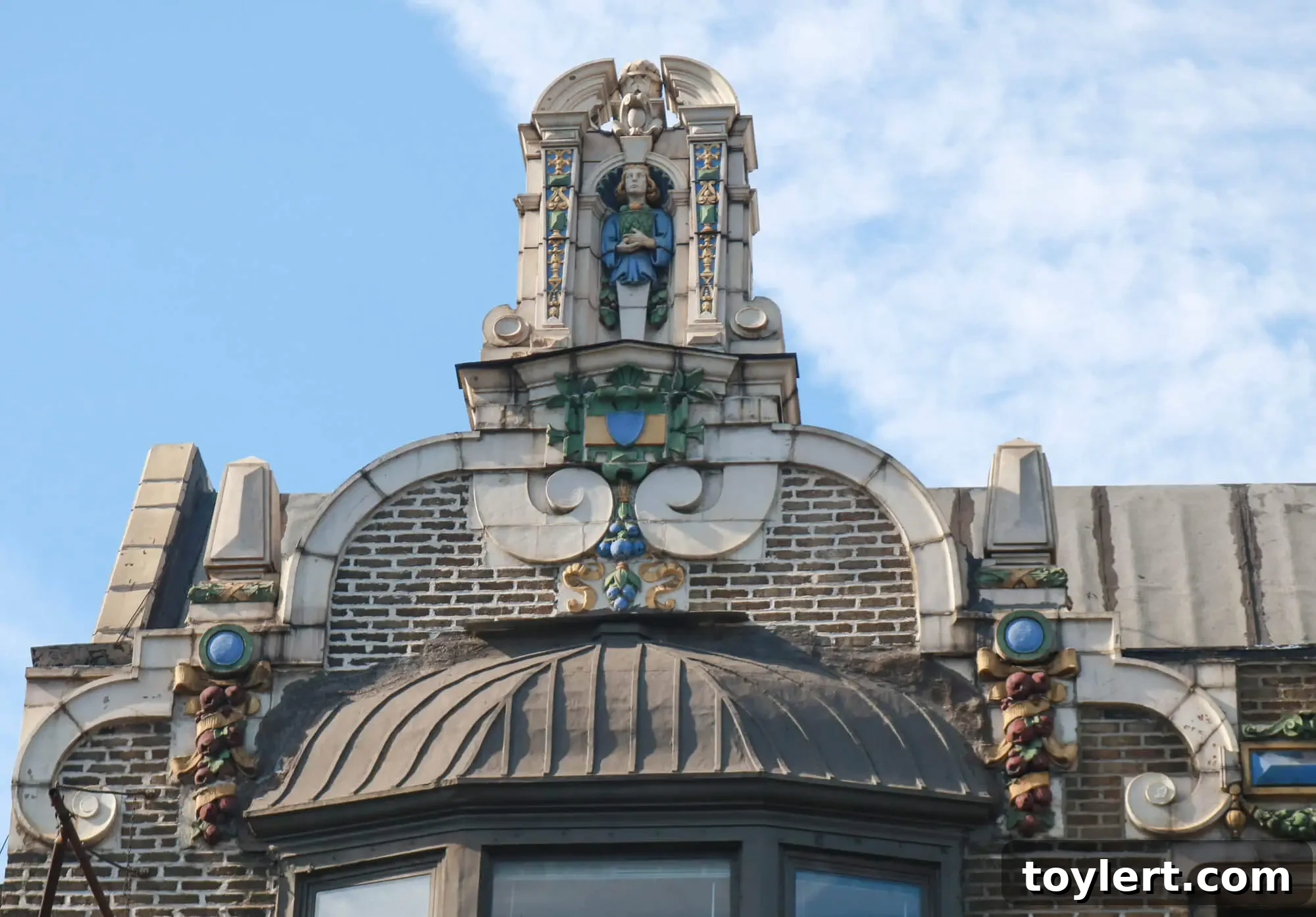
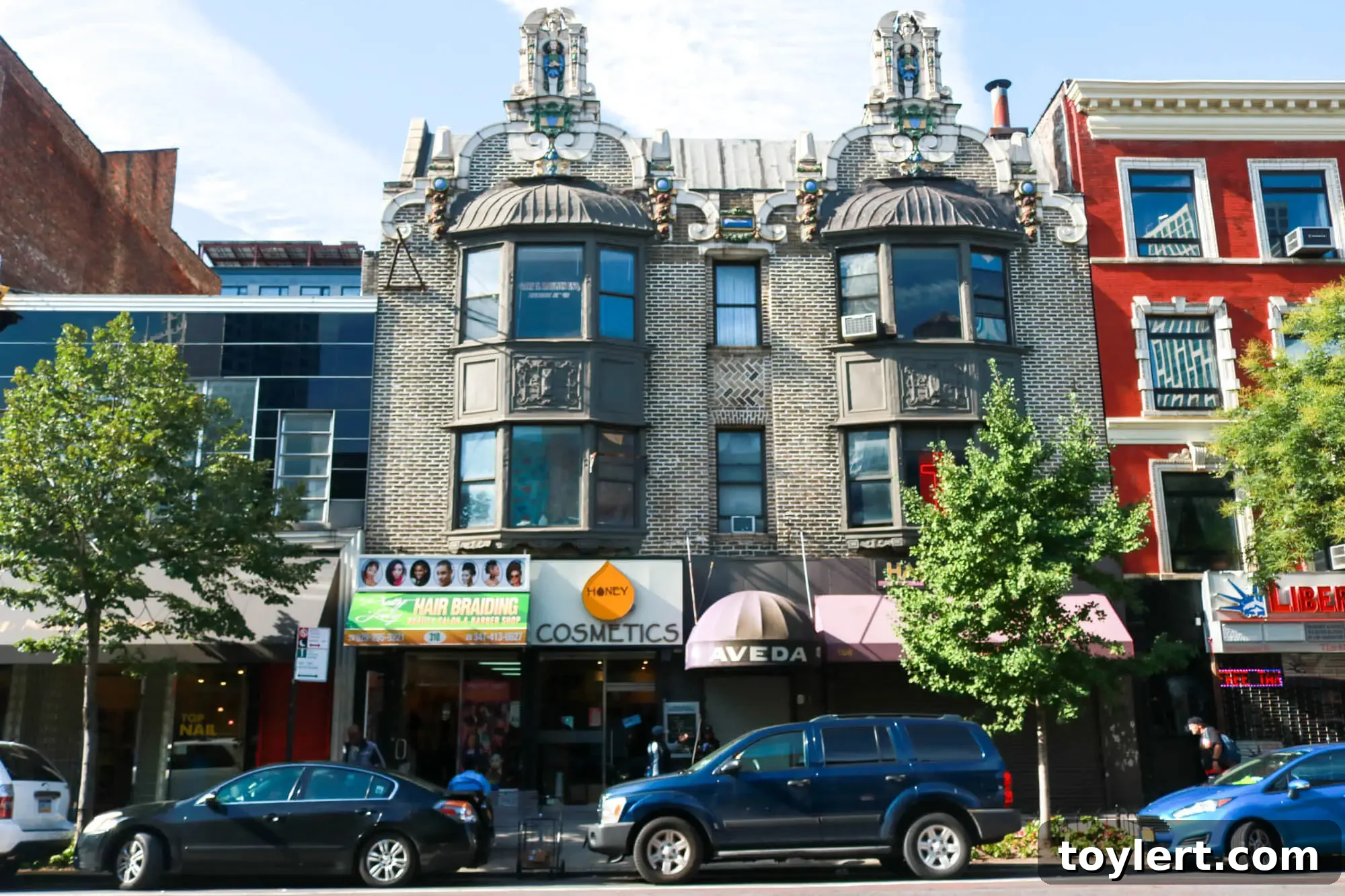
While definitive records concerning their original architect or detailed construction history might be scarce, the buildings at 308-310 Livingston Street speak volumes through their design. They exemplify a transitional period in American architecture, most likely dating from the late 19th or early 20th century. Their design likely incorporates robust elements from styles such as Beaux-Arts or Neo-Classical Revival, characterized by their monumental scale, classical ornamentation, and an emphasis on symmetry and grandeur. One can imagine the intricate detailing that once adorned their facades: ornate cornices crowning the structures, decorative pilasters framing windows, and perhaps terra cotta or carved stone motifs that conveyed a sense of permanence and prestige, indicative of the era’s architectural aspirations.
The concept of “twin buildings” itself suggests a deliberate urban planning choice, possibly designed to create a harmonious streetscape or to house a particular type of enterprise, perhaps a pair of prominent commercial entities or even a unified residential complex catering to a specific demographic. This deliberate pairing contributes significantly to their unique character, distinguishing them from standalone structures that might have been built in isolation. Their shared design language, consistent materiality, and proximate location suggest a singular, thoughtful vision, making their collective amnesia from architectural history all the more perplexing and calling for deeper investigation into their origins.
These buildings would have stood tall during a pivotal era for Brooklyn. As the borough solidified its identity, distinct from Manhattan, its civic and commercial core in Downtown Brooklyn flourished. Structures like 308-310 Livingston Street were not merely functional; they were architectural statements. They reflected the aspirations of a growing city, showcasing exemplary architectural craftsmanship and the prevailing aesthetic values of their time. Their survival, despite the numerous development cycles and periods of intense urban renewal that have reshaped Livingston Street and its surroundings, is a testament to their inherent structural integrity and perhaps, a subtle, unarticulated value recognized by those who came after, even if not formally documented or celebrated.
Why Are They Forgotten? Unraveling the Enigma of Their Obscurity
The reasons behind the neglect of 308-310 Livingston Street are multifaceted, touching upon broader themes in urban history and architectural preservation. One plausible explanation lies in the absence of a celebrity architect’s name attached to their plans. Many buildings, even those of remarkable design and significant historical presence, fade from public memory if they lack the imprimatur of a well-known master. Without a famous signature, the detailed story of their creation often remains untold, making them harder to champion for preservation or widespread historical recognition among a public that often associates architectural importance with celebrity designers.
Another factor could be the relentless pace of development in Downtown Brooklyn. For decades, the area has been a dynamic canvas for grand urban planning schemes, often prioritizing new construction and economic growth over the careful documentation and preservation of existing, albeit less flashy, structures. In this fast-paced environment, even architecturally significant buildings can be swallowed by the narrative of progress, their individual stories obscured by the larger transformation of the district. The visual dominance of more iconic landmarks in Brooklyn, such as Borough Hall, the Brooklyn Bridge, or the historical properties around Brooklyn Heights, may have also inadvertently diverted attention from lesser-known, yet equally deserving, structures like these twins on Livingston Street.
Furthermore, changes in aesthetic tastes and the pragmatic demands of real estate development can lead to a devaluation of older building styles. What was once considered grand might later be deemed outdated, inefficient, or simply too expensive to maintain in its original glory. This economic reality often leads to extensive, sometimes insensitive, renovations that strip away original details, or worse, leads to complete demolition, thereby erasing a vital piece of the city’s visual lexicon forever. The fact that 308-310 Livingston Street still stands is, in itself, a minor miracle—a quiet defiance against the forces of erasure. Yet, this remarkable survival has not, unfortunately, translated into widespread historical appreciation or formal landmark status, perpetuating their enigmatic obscurity.
Their Enduring Appeal and the Call for Recognition
Despite their relative obscurity, the twin buildings at 308-310 Livingston Street continue to exert a powerful pull on those who notice them. Their symmetrical elegance, the rich patina of age on their materials, and the sheer resilience they embody in a constantly changing urban fabric make them compelling subjects for contemplation and study. They serve as a vital, tangible link to a bygone era, offering concrete evidence of Brooklyn’s architectural ambitions and its complex journey through time. These structures are not merely old buildings; they are living artifacts that can teach us about the city’s past, its economic drivers, and its evolving sense of identity.
Today, these buildings likely house a mix of commercial enterprises on their ground floors, perhaps retail storefronts or small businesses, with offices or even residential units occupying the upper levels. This represents a common adaptive reuse strategy for historic buildings in bustling urban centers. While their interiors may have undergone considerable modernization to suit contemporary needs, their exterior facades largely retain the character that initially captured the attention of passersby generations ago. The challenge now is to elevate their status, to transition them from overlooked curiosities to recognized landmarks, ensuring their preservation and integrating their story more fully into Brooklyn’s rich historical tapestry.
Bringing these buildings back into the architectural discourse requires a concerted effort from historians, preservationists, and the local community. This could involve further rigorous historical research to uncover their original plans, identify their architects, and document their first occupants and functions. It might also entail advocating for their designation as official city landmarks, which would provide crucial legal protection against unsympathetic alterations or demolition and actively encourage their sensitive restoration. Including them in architectural walking tours of Downtown Brooklyn, featuring them prominently in local historical society publications, or even dedicating educational initiatives to their study could significantly raise their profile. Ultimately, recognizing 308-310 Livingston Street is not just about these two specific buildings; it’s about a commitment to a richer, more nuanced understanding of Brooklyn’s architectural legacy, ensuring that no significant piece of its past is left behind and that all its stories are given due attention.
Conclusion: Preserving Brooklyn’s Hidden Chapters
The twin buildings at 308-310 Livingston Street are more than just forgotten structures; they are powerful reminders that history is not always recorded in bold, sweeping strokes, but often resides in the quiet corners and overlooked facades of our cities. Their enduring presence in Downtown Brooklyn challenges us to look beyond the obvious landmarks, to appreciate the intricate layers of history beneath the surface, and to actively seek out and celebrate the unsung heroes of our urban environment. By acknowledging and preserving such architectural gems, we enrich our collective memory, deepen our connection to the past, and ensure that future generations can marvel at the full spectrum of Brooklyn’s remarkable built heritage. It is time for 308-310 Livingston Street to take its rightful place as a celebrated chapter in Brooklyn’s architectural story, no longer forgotten, but cherished, understood, and admired for generations to come.