Exploring Brooklyn’s Vibrant Tapestry: Urban Life, Real Estate, and Community Spirit
Brooklyn, a borough renowned for its distinctive neighborhoods, rich history, and burgeoning cultural scene, continues to captivate residents and visitors alike. From its iconic waterfront parks offering breathtaking views of the Manhattan skyline to the charming brownstone-lined streets, Brooklyn is a dynamic microcosm of New York City’s diverse spirit. This past week, a series of headlines highlighted the multifaceted nature of life in this beloved borough, touching upon everything from unexpected wildlife sightings to significant real estate shifts and heartwarming community celebrations.
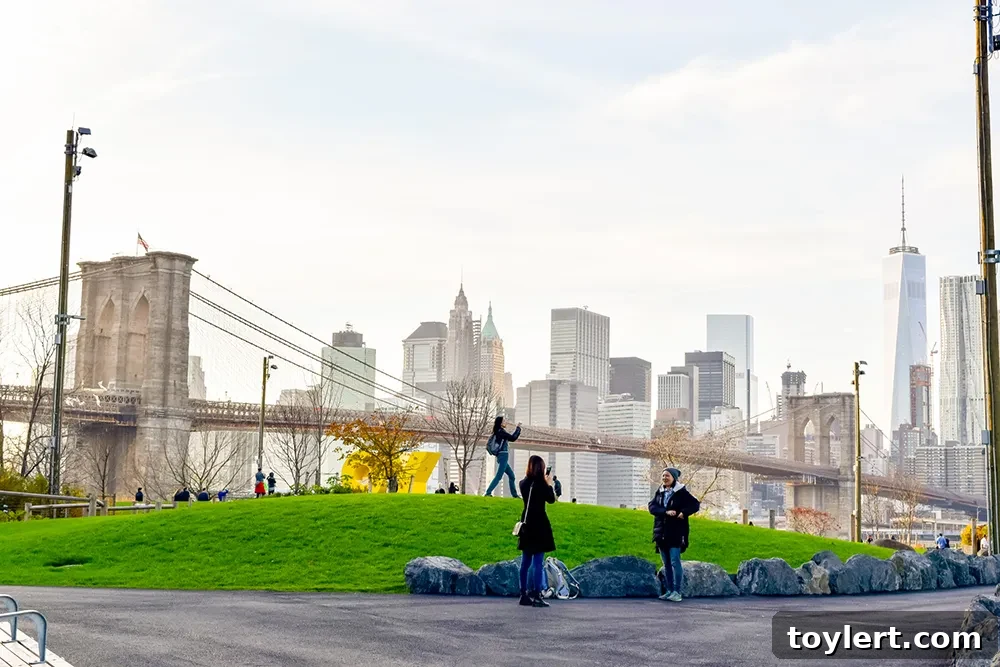
Our journey through Brooklyn’s recent happenings often begins at its green heart. The picturesque Brooklyn Bridge Park, visible in the image above, is a sprawling urban oasis that masterfully blends ecological preservation with public recreation. It’s a testament to thoughtful urban planning, transforming former industrial spaces into vibrant green areas where nature thrives amidst the metropolitan bustle. This park, often a focal point for community activities and a haven for wildlife, sets the stage for our exploration of Brooklyn’s unique charm and ongoing evolution.
Brooklyn in the Spotlight: Recent Headlines and Deeper Dives
The news cycle this week offered a fascinating glimpse into the various aspects that make Brooklyn such an intriguing place to live and explore. From rare natural phenomena to major architectural developments and crucial community dialogues, these stories underscore the borough’s constant evolution and enduring appeal, painting a vivid picture of its current pulse.
A Splash of Color: The Painted Bunting’s Unexpected Brooklyn Visit
Nature enthusiasts and urban dwellers alike were recently enchanted by the sighting of a stunning Painted Bunting in Brooklyn. This vibrant, colorful bird, typically found in the southeastern United States, made headlines by appearing in an unexpected urban setting. Its presence sparked joy and curiosity, reminding us of the surprising biodiversity that can flourish even within dense city environments. Experts from Audubon weighed in, speculating on the reasons for its unusual migratory path, perhaps blown off course by a storm or seeking refuge. This event beautifully illustrates Brooklyn’s role as an unlikely ecological corridor and highlights the importance of preserving green spaces, such as Brooklyn Bridge Park, Prospect Park, and other smaller community gardens, that serve as vital resting and feeding grounds for migratory birds. It’s a testament to the resilience of nature and the unexpected wonders that can emerge when urban and natural worlds intersect, inspiring local birdwatchers and nature lovers to look more closely at their surroundings.
From Sacred Ground to Luxury Living: The Watchtower Buildings Transformation
The iconic Watchtower buildings, once the global headquarters of the Jehovah’s Witnesses, have been a significant landmark in Brooklyn Heights and DUMBO for decades. Their sale and subsequent redevelopment have been a hot topic, symbolizing the dramatic shifts in Brooklyn’s real estate landscape and urban identity. The Brooklyn Paper revisited the status of these grand structures, which are being meticulously transformed into luxurious residential and commercial spaces. This transformation not only preserves the architectural integrity of these historic, often federally designated, buildings but also injects new life into the waterfront area, attracting a new wave of residents and businesses seeking high-end amenities and unparalleled views. The adaptive reuse of such monumental properties reflects a broader trend in Brooklyn: maintaining historical charm while embracing modern functionality and luxury. It’s a complex dance between preserving the past and building for the future, with these buildings serving as a prime example of high-stakes urban redevelopment that redefines a neighborhood’s economic and social fabric.
Echoes of the Past: Cherishing Parkside Memories
Neighborhoods are defined not just by their physical structures but by the collective memories and stories of their residents. The blog “Q Parkside” recently delved into “Parkside Memories,” offering a poignant reflection on the enduring spirit of this Brooklyn community. Such historical anecdotes and personal narratives are crucial in understanding the evolution of a neighborhood and maintaining its unique identity in the face of rapid change. These stories often highlight the tight-knit bonds among residents, the local businesses that served as community hubs, and the shared experiences that shape a sense of belonging and collective history. In a rapidly gentrifying city, preserving these ‘memories’ through oral histories, local blogs, and community archives becomes vital for new residents to appreciate the area’s heritage and for long-time residents to feel connected to their roots. It reminds us that behind every building and street, there’s a rich tapestry of human experience, cultural practices, and social interactions that give a place its true character and soul.
Williamsburg’s Shifting Skyline: The Rise of the Third Edge Tower
Williamsburg, once a hub for artists, musicians, and independent spirits, has undeniably transformed into one of Brooklyn’s most sought-after and rapidly developing neighborhoods, synonymous with trendsetting culture and luxury living. Curbed provided an update on the “Third Edge Tower,” a significant new addition to Williamsburg’s ever-changing skyline. This development is more than just another building; it represents the ongoing evolution of Williamsburg from an industrial and creative enclave to a luxury residential and commercial destination. The rise of such towers speaks volumes about market demand, architectural innovation, and the continuous push for vertical living spaces in prime locations with stunning waterfront views. While these developments bring economic growth, new jobs, and state-of-the-art amenities, they also spark debates about affordability, neighborhood character, and the balance between old and new. The Third Edge Tower is a physical manifestation of these broader urban development narratives, marking a new chapter in Williamsburg’s architectural and social story, profoundly impacting its visual identity and demographic makeup.
SantaCon: Defending a Controversial Holiday Tradition
SantaCon, the annual pub crawl where thousands of participants dress as Santa Claus and parade through New York City, is an institution that often draws both fervent participation and strong criticism. Gothamist’s interview with a SantaCon organizer offered a candid defense of the event, with the organizer suggesting critics “steer clear” if they disapprove. This encapsulates the ongoing tension between large-scale public events, community concerns, and individual freedoms in an urban environment. Such events highlight the complexities of managing public space, ensuring public safety and order, and balancing revelry with respect for local residents and businesses. The debate around SantaCon touches on issues of urban identity, community responsibility, the commercialization of public space, and the evolving nature of public celebrations in a dense metropolis. It’s a microcosm of the challenges faced by cities in accommodating diverse recreational activities while maintaining order and quality of life for all its inhabitants.
A Beacon of Hope: Brooklyn’s Chanukah Celebration for Holocaust Survivors
Amidst the hustle and bustle of city life, Brooklyn often shines brightest through its heartfelt community events. The New York Daily News reported on a deeply moving Chanukah celebration organized specifically for Holocaust survivors in Brooklyn. This event transcends a simple holiday gathering; it is a powerful act of remembrance, resilience, and profound community support. For survivors, such celebrations offer comfort, companionship, and a vital connection to their heritage and to a community that cherishes their experience and stories. It underscores Brooklyn’s role as a haven for diverse communities and its unwavering commitment to honoring history, fostering intergenerational connections, and supporting its most vulnerable residents. These gatherings are not just about celebrating a holiday; they are about bearing witness to history, ensuring that the lessons of the past are never forgotten, and reflecting the profound humanity and compassion that thrives in the borough.
Brooklyn’s Real Estate Enigma: Is a $499,000 Bed Stuy House a Steal?
The question posed this week—”Is a $499,000 house in Bed Stuy a total steal?”—captures the perennial fascination and sometimes bewildering nature of Brooklyn’s real estate market. Bed Stuy, or Bedford-Stuyvesant, is a neighborhood rich in history, architectural grandeur, and cultural significance. Known for its magnificent brownstones, tree-lined streets, and vibrant community, it has experienced significant gentrification and property value appreciation over the last two decades. While $499,000 might seem remarkably low for a standalone house in prime Brooklyn today, especially when compared to median single-family home prices in the borough that often hover well over a million dollars, the answer is complex and demands a closer look into market nuances.
Analyzing the Bed Stuy Real Estate Market: What Defines a “Steal”?
To assess if a $499,000 property in Bed Stuy truly qualifies as a “steal,” one must consider the historical context of the market, the specific condition and size of the property, and its exact location within the expansive neighborhood. A few years ago, this price point might have been more common for properties requiring substantial renovation or located on less developed blocks. However, in today’s fiercely competitive market, where demand consistently outstrips supply, particularly for brownstones and single-family homes, such a price would immediately raise questions or signal an extraordinary, perhaps once-in-a-decade, opportunity.
Factors that could realistically contribute to such a relatively low asking price for a “house” in Bed Stuy might include:
- Extreme Fixer-Upper Status: The property could be in severe disrepair, structurally unsound, or require extensive renovations, potentially costing hundreds of thousands of dollars more, thereby making the total investment significantly higher than the initial purchase price.
- Unusually Small Footprint or Lot Size: It might be a very compact house, perhaps a former carriage house, a particularly narrow row house, or a structure on a significantly undersized lot with limited living space and outdoor area.
- Less Desirable Location within Bed Stuy: While Bed Stuy is generally desirable, some blocks or areas might be less developed, further from key transportation hubs, amenities, or have other localized factors impacting value compared to the most coveted stretches.
- Distressed Sale: The property might be part of an estate sale, foreclosure, short sale, or a quick sale situation where the sellers prioritize speed and ease of transaction over maximizing profit, often due to urgent circumstances.
- Property Type Misclassification: It’s crucial to confirm if it’s a true single-family house with its own lot or a unit within a co-op or condo building. Co-ops and condos typically come with monthly HOA fees, different ownership structures, and generally lower price points than a freehold house, but the wording of the query specifically mentions a “house.”
- Outdated Listing or Misinformation: Occasionally, an old, un-updated listing or even a typographical error can lead to a seemingly unbelievable price.
For potential buyers, a price like this in Bed Stuy demands meticulous and swift due diligence. This would involve a thorough structural inspection, a professional appraisal, a comprehensive review of property taxes, and a comparative market analysis to understand recent sales of similar properties in the immediate vicinity. While the dream of an “affordable” Brooklyn brownstone persists, true steals are exceptionally rare and often come with significant caveats or hidden costs. However, if all factors align—meaning it is genuinely a well-located, structurally sound, single-family home requiring only cosmetic updates—then yes, it could indeed be considered an exceptional value in an increasingly expensive market, marking a rare opportunity for homeownership in one of Brooklyn’s most celebrated and historically rich neighborhoods. Such an opportunity would undoubtedly disappear from the market almost as quickly as it appeared.
Engage with Brooklyn: Share Your Perspectives
Brooklyn’s story is continuously written by its residents, its architecture, and its dynamic pulse. From the unexpected visit of a Painted Bunting reminding us of nature’s resilience to the ongoing transformation of historic Watchtower buildings, and from the rising luxury towers in Williamsburg to the profound community bonds celebrated in Bed Stuy and Parkside, the borough offers an endless array of narratives. These stories, whether about development, preservation, or human connection, form the vibrant fabric of this iconic New York City borough, inviting continuous dialogue and appreciation.
We invite you to share your thoughts on these stories or any other aspects of Brooklyn life that resonate with you. What are your favorite memories of Parkside? How do you feel about the changing skyline of Williamsburg and its impact on local culture? Do you believe there are still genuine real estate “steals” to be found in neighborhoods like Bed Stuy, or are those days long gone? Your insights and experiences enrich our collective understanding of Brooklyn’s unique character and its ongoing evolution. Join the conversation and help us celebrate the enduring, multifaceted spirit of Brooklyn.
Comment on this article and share your Brooklyn story!