By Ximena Del Cerro, Brooklyn Paper
Summer may have drawn to a close, but its scorching memory lingers, having delivered a profound and undeniable lesson to Brooklynites. This past season wasn’t just warm; it etched itself into history as the hottest summer globally since record-keeping began in 1880, a stark declaration made by NASA earlier this month. Across Brooklyn, residents experienced temperatures soaring to and frequently surpassing a sweltering 92 degrees Fahrenheit on multiple occasions. Notably, July 5 saw the borough grapple with an intense heatwave exacerbated by pervasive smoke from Canadian wildfires that drifted across the continent, as meticulously tracked by the National Oceanic and Atmospheric Administration (NOAA) weather radar. Even as summer traditionally wanes, September continued to challenge, with the mercury climbing high again on the 7th and 11th. Globally, July alone was documented by Copernicus Climate Data as the warmest month ever recorded, signaling an alarming acceleration in global warming trends.
Brooklyn’s Scorching Summer: A Wake-Up Call for Climate Action and Urban Resilience
The relentless heat of summer 2023 served as an undeniable testament to the accelerating pace of climate change, turning Brooklyn into a microcosm of a global phenomenon. While the world collectively experienced record-breaking heat, the borough’s unique urban landscape amplified the impact, transforming streets and homes into uncomfortable ovens. This wasn’t merely a string of hot days; it was a sustained period of extreme weather that challenged residents, strained infrastructure, and underscored the urgent need for robust climate resilience strategies in one of the world’s most vibrant urban centers.
The Science Behind the Heat: Global Records and Local Realities in Brooklyn
NASA’s announcement that summer 2023 was the hottest globally since 1880 is a sobering fact that resonates deeply within communities like Brooklyn. This record-breaking heat is not an isolated event but a clear manifestation of long-term climate trends driven predominantly by human activities, primarily the extensive emission of greenhouse gases. The combustion of fossil fuels releases carbon dioxide and other heat-trapping gases into the atmosphere, creating an insulating blanket that warms the planet. The unequivocal data from Copernicus Climate Data, identifying July as the warmest month ever globally, further reinforces the scientific consensus: our planet is warming at an unprecedented and alarming rate, threatening ecosystems and human settlements worldwide.
For Brooklyn, these global trends translated into tangible, oppressive heat that permeated every aspect of daily life. The borough endured several days where temperatures well exceeded 92 degrees Fahrenheit, transforming concrete jungles into heat traps. These weren’t just statistical anomalies; they represented tangible discomfort, potential health risks, and a disruption to the quality of life for hundreds of thousands of residents. The urban heat island effect, a widely recognized phenomenon, undoubtedly amplified the heat’s intensity within Brooklyn’s bustling neighborhoods. Metropolitan areas, characterized by dense infrastructure (concrete, asphalt, dark rooftops) and a relative lack of green spaces, absorb and retain more heat than surrounding rural areas. Buildings absorb and re-emit solar radiation throughout the day and night, and the scarcity of parks and tree cover means less natural cooling through evapotranspiration, effectively trapping heat within the urban fabric and making nights particularly uncomfortable.
Beyond the Heat: The Dual Threat of Wildfire Smoke and Air Quality Concerns
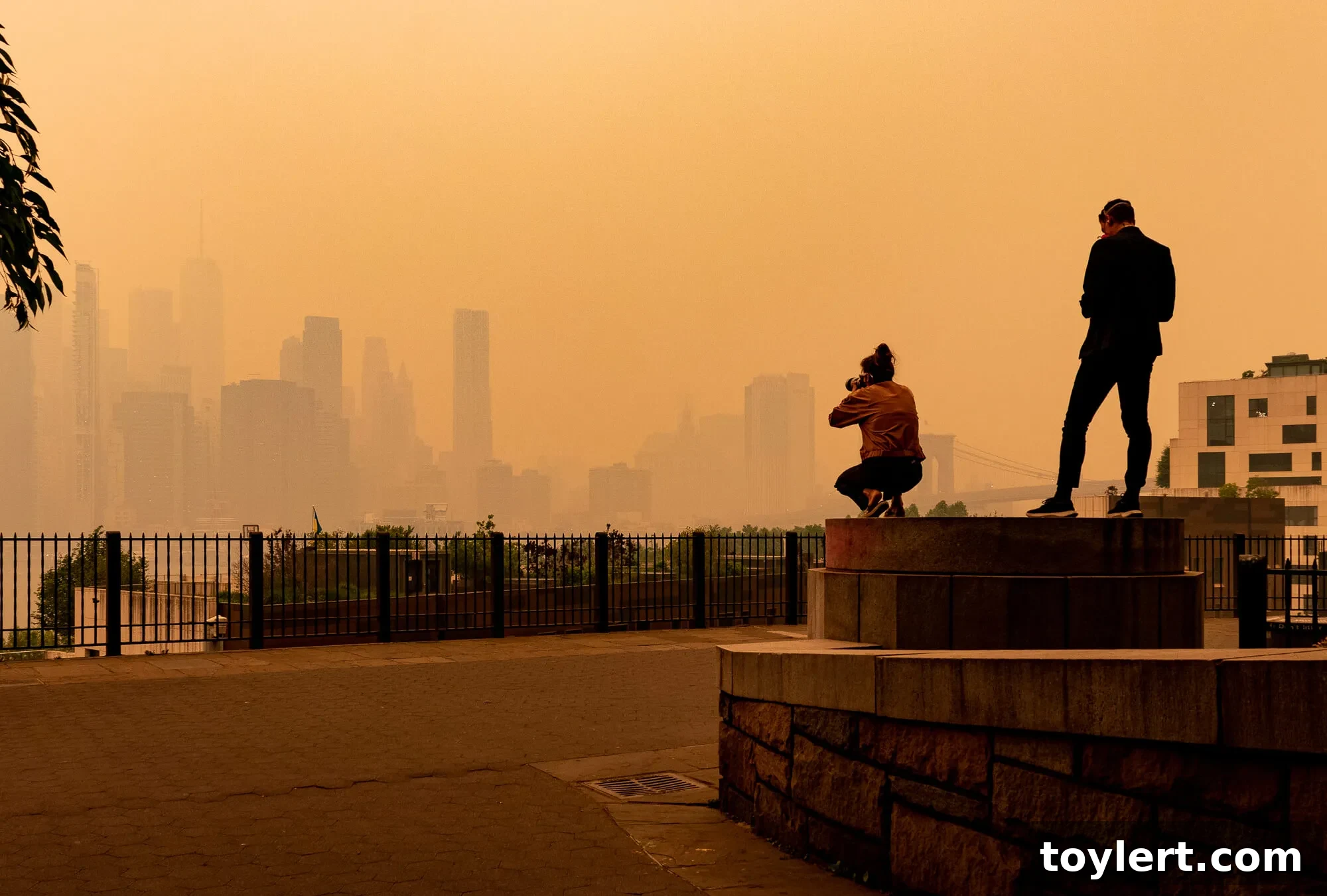
Compounding the extreme heat, Brooklynites faced an additional, alarming environmental challenge: the pervasive smoke from distant Canadian wildfires. The National Oceanic and Atmospheric Administration (NOAA) weather radar meticulously tracked these smoke plumes as they traversed vast distances, reaching and blanketing the New York City metropolitan area. On July 5, as temperatures soared, the air quality plummeted to hazardous levels, creating a dangerous environment for all residents, particularly those with pre-existing respiratory conditions. This dual threat of intense heat and poor air quality presented a unique and dangerous scenario, prompting widespread health advisories and urging residents to stay indoors and limit strenuous activity. The unsettling sight of an orange-tinged sky and the acrid smell of smoke, typically associated with distant wildlands, became a chilling reality for Brooklyn, as extensively reported by outlets like Brooklyn Paper, highlighting the interconnectedness of global environmental crises and their direct local impacts on urban populations.
The Canadian wildfires, fueled by unprecedented drought and extreme heat in their own regions, served as a stark reminder that climate change impacts are not confined by geographical or political borders. What happens thousands of miles away can directly affect the air quality, health, and overall quality of life in densely populated urban centers like Brooklyn. This event spurred critical conversations about the importance of robust air quality monitoring systems, the necessity of comprehensive emergency preparedness plans, and the inherent vulnerability of urban populations to transboundary environmental hazards, demanding a more integrated approach to environmental management.
Impacts on Brooklyn Life: From Daily Routines to Public Health and Infrastructure
The prolonged period of extreme heat and compromised air quality had a cascading and profound effect on Brooklyn life. Daily routines were significantly disrupted; outdoor activities, a beloved staple of summer in the borough, became risky propositions. Parks and recreational areas, usually vibrant with activity, saw reduced attendance during peak heat hours. Commuting, particularly for those reliant on public transportation with limited air conditioning, transformed into a grueling and potentially dangerous ordeal. The economic impact was also palpable, with some outdoor businesses experiencing a downturn while others, like those selling air conditioning units, fans, or bottled water, saw a surge in demand, highlighting shifts in consumer behavior driven by environmental factors.
More critically, public health emerged as a paramount concern. Cases of heatstroke and heat exhaustion spiked, placing additional strain on local hospitals and emergency services already stretched thin. Vulnerable populations, including the elderly, very young children, individuals with chronic health conditions, and those living in buildings without adequate cooling systems, were disproportionately affected. The synergistic combination of intense heat and wildfire smoke exacerbated respiratory issues for those with asthma, allergies, and other lung conditions, leading to increased emergency room visits and a greater demand for medical resources. In response, the City of New York activated numerous cooling centers across the boroughs, including a significant number of locations in Brooklyn, providing a vital refuge for residents seeking temporary relief from the oppressive heat and hazardous air.
Beyond human health, the borough’s infrastructure also faced significant challenges. The electrical grid experienced unprecedented strain as air conditioning usage surged, raising concerns about potential power outages. Transportation networks, including subway lines and roads, were also affected, with heat-related speed restrictions on trains and asphalt expanding under extreme temperatures. This summer brought into sharp focus the need for infrastructure upgrades and more resilient urban systems capable of withstanding the increasing frequency and intensity of extreme weather events.
Building a Resilient Brooklyn: Proactive Strategies for a Changing Climate
The invaluable, albeit harsh, lessons of summer 2023 have not gone unheeded. Brooklyn, as an integral part of New York City, is at the forefront of developing and implementing innovative strategies to combat the effects of climate change and enhance urban resilience. These comprehensive efforts span multiple sectors, from green infrastructure development to community engagement and policy reform.
Green Infrastructure and Urban Greening Initiatives
One primary focus is on expanding green infrastructure across the borough. Planting more trees in Brooklyn neighborhoods is a highly effective strategy to combat the urban heat island effect, providing crucial shade and cooling the surrounding air through evapotranspiration. Green roofs and permeable surfaces are also being actively promoted and integrated into new developments to manage stormwater runoff, reduce heat absorption, and create new urban ecosystems that support biodiversity. Parks and open spaces are being strategically designed not just for recreation but also for their ecological benefits, serving as natural cooling zones and vital biodiversity hotspots. Initiatives like the city-wide MillionTreesNYC program, while encompassing all boroughs, have significantly contributed to Brooklyn’s urban canopy, offering long-term benefits in mitigating extreme heat and improving air quality.
Sustainable Urban Planning and Energy Efficiency
Sustainable urban planning is unequivocally crucial for building a truly climate-resilient Brooklyn. This includes implementing and enforcing more rigorous energy-efficient building codes for new constructions, actively encouraging the retrofitting of existing structures with better insulation and advanced cooling systems, and integrating renewable energy sources into the urban grid whenever possible. Development projects are increasingly required to consider environmental impacts and incorporate sustainable design principles from their inception. Public awareness campaigns also play a pivotal role, educating residents and businesses about simple yet effective energy conservation measures, from unplugging electronics to upgrading to energy-efficient appliances, fostering a culture of sustainability.
Community Engagement and Preparedness for Climate Extremes
Empowering and engaging communities is fundamental to successful climate adaptation. Local organizations and government agencies are working collaboratively to strengthen community networks, especially in vulnerable neighborhoods identified as high-risk. This includes disseminating vital information on heat safety, establishing robust systems to identify and assist at-risk individuals, and expanding access to cooling centers during periods of extreme weather. The experience with wildfire smoke also underscored the urgent need for more robust air quality monitoring and timely, clear public health advisories. Brooklyn communities are actively participating in discussions about local climate action plans, ensuring that solutions are not only effective but also tailored to their unique needs and challenges, fostering a sense of collective ownership and responsibility.
Looking Ahead: A Call to Action for Every Brooklynite
The summer of 2023 unequivocally demonstrated that climate change is not a distant, abstract threat but a present reality, impacting the daily lives, health, and well-being of Brooklyn residents. The lesson learned is clear: inaction is no longer a viable option. Building a resilient, sustainable, and equitable Brooklyn requires a concerted and collaborative effort from all stakeholders – government, businesses, community organizations, and every individual citizen.
For Brooklynites, this means embracing a proactive and conscious approach to environmental stewardship. Simple actions, when aggregated across a borough of millions, can have a profound and lasting impact. Reducing personal energy consumption, supporting local businesses committed to sustainable practices, advocating for stronger environmental policies at all levels of government, and actively participating in community greening initiatives are all vital steps. It also means staying informed about local weather advisories and public health alerts, especially during periods of extreme heat and poor air quality, and looking out for vulnerable neighbors.
As the seasons continue to shift and the climate evolves, the memory of Brooklyn’s scorching summer should serve not as a cause for despair, but as a powerful catalyst for urgent and meaningful change. By acknowledging the challenges head-on and working collaboratively towards common goals, Brooklyn can not only adapt to a changing climate but also emerge as a leading example of urban sustainability and resilience, ensuring a healthier, cooler, and more equitable future for all its inhabitants and future generations.