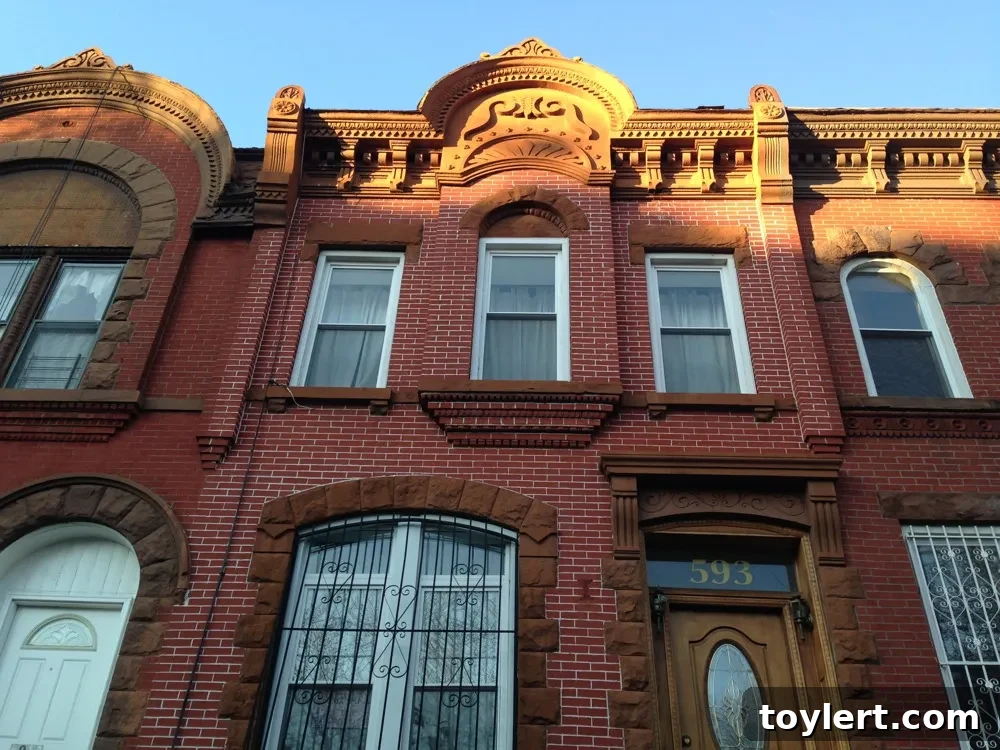
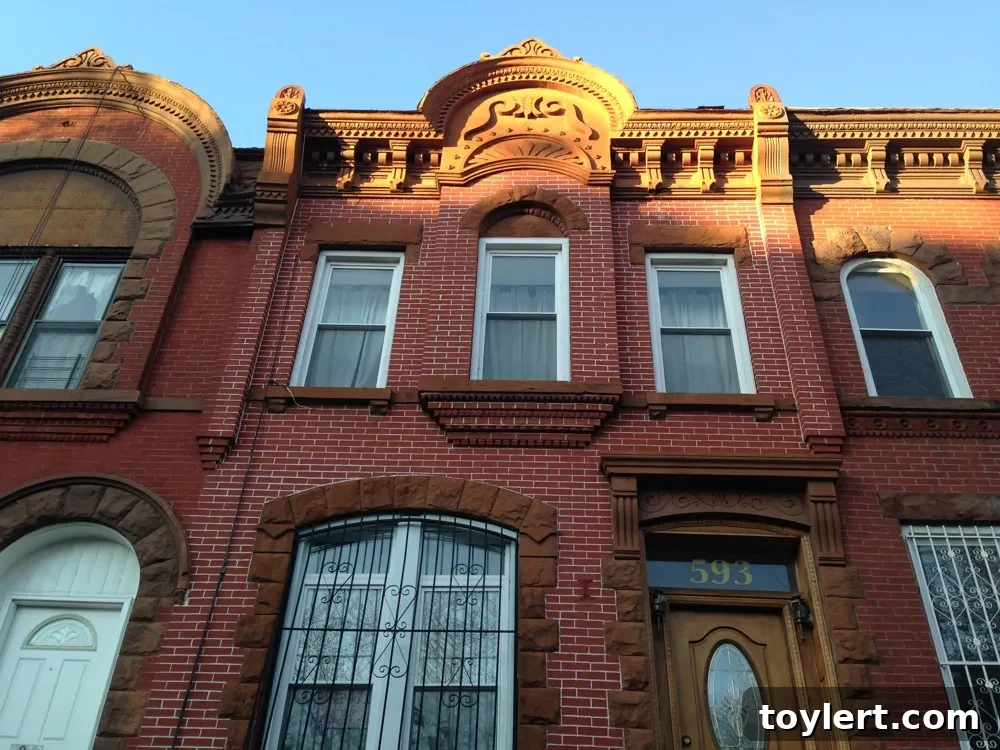
The Brooklyn real estate market has long been a subject of intense fascination and debate, drawing global attention for its meteoric rise in property values and rental costs. A persistent question on the minds of residents, prospective buyers, and investors alike is whether this unparalleled growth is indicative of a burgeoning real estate bubble destined to burst, or simply a reflection of sustained, robust demand in one of the world’s most vibrant urban centers. This discussion often centers on neighborhoods like Bed-Stuy, Bushwick, and Crown Heights, once considered “emerging” but now commanding prices that rival established prime areas, fueling speculation about the market’s long-term sustainability, a sentiment frequently echoed in various real estate analyses, including a notable article in Gothamist from previous years.
The narrative of Brooklyn’s real estate boom is rich with complexity, marked by record-high housing costs that seem to defy gravity. What was once considered an affordable alternative to Manhattan has transformed into a highly competitive landscape, where bidding wars are common and properties, particularly coveted brownstones and new luxury developments, are snapped up at astonishing speeds. This trend has pushed the boundaries of affordability, extending the reach of high sale prices and rents outwards from historically “prime” Brooklyn enclaves like Brooklyn Heights, Park Slope, and Williamsburg, into once more accessible neighborhoods. These areas, now squarely in the spotlight, face immense pressure from new development and a relentless influx of residents and capital, prompting critical discussions about gentrification and its impact on long-standing communities.
One of the most significant factors contributing to this dynamic market is the substantial role played by institutional investors and publicly traded firms. These entities, often equipped with vast capital reserves, frequently outmaneuver individual owner-occupants, particularly in the market for townhouses and multi-family units. A prominent example that has frequently surfaced in discussions is the involvement of Australian REITs, most notably Dixon Advisory, known for their strategy of acquiring residential properties—often paying all-cash—renovating them, and then either renting them out or reselling them at a significant premium. This practice not only inflates prices but also fundamentally alters the competitive landscape, making it increasingly challenging for everyday families and first-time homebuyers to secure a foothold in the borough, thereby exacerbating the affordability crisis.
To understand the “Brooklyn real estate bubble” debate, it’s essential to define what a real estate bubble truly entails. A bubble occurs when housing prices rise rapidly and unsustainably, driven primarily by speculation rather than fundamental economic factors such as income growth or genuine housing demand. These speculative booms are typically characterized by an irrational exuberance, where buyers anticipate continuous price appreciation, leading to overvalued assets. Common indicators include a significant disconnect between home prices and local incomes, excessive credit availability, speculative buying, and a general belief that prices will only go up. The critical question for Brooklyn is whether its current trajectory aligns with these bubble characteristics, or if its growth is underpinned by genuine, long-term demand and robust economic foundations.
Proponents of the “bubble” theory point to several alarming indicators within the Brooklyn housing market. Median home prices in many Brooklyn neighborhoods have surged by double-digit percentages year-over-year for extended periods, far outpacing inflation and local wage growth. Rental costs have similarly skyrocketed, forcing many long-term residents and aspiring new residents to seek housing further afield or to compromise significantly on space and amenities. The proliferation of luxury developments, often featuring high-end finishes and amenities, further exacerbates the issue by catering predominantly to a top-tier market, with limited inventory available for middle-income households. This creates a severe supply-demand imbalance at different price points, effectively pricing out a significant portion of the population and fostering an environment ripe for speculation.
Furthermore, the high volume of all-cash transactions, particularly from institutional and international investors, is often cited as a warning sign. While an influx of investment can signal confidence in a market, an over-reliance on investment purchases rather than owner-occupant demand can create an artificial floor for prices. Investors typically seek strong returns on their capital, and if rental yields or appreciation rates slow down, their willingness to hold properties at current valuations might diminish. This could potentially lead to a wave of sales that could depress prices rapidly, creating a downward spiral reminiscent of past bubble bursts. The concern is that these institutional buyers are betting on perpetual appreciation, a bet that historically has proven unsustainable in other booming global markets.
However, an equally compelling argument suggests that Brooklyn’s real estate market is experiencing sustained, healthy growth rather than an unsustainable bubble. This perspective emphasizes Brooklyn’s undeniable appeal and its robust economic underpinnings. The borough boasts a unique cultural identity, a thriving arts scene, innovative culinary landscapes, and excellent transportation links to Manhattan. It has become a global destination in itself, attracting a diverse mix of professionals, creatives, and families who prioritize urban living with a distinct community feel. This intrinsic desirability ensures a constant influx of people looking to live and work in the area, contributing to relentless and organic demand.
Moreover, New York City, as a global economic powerhouse, continues to generate high-paying jobs, particularly in sectors like technology, finance, healthcare, and creative industries. This strong job market translates into a consistent pool of buyers and renters with substantial purchasing power. Unlike some speculative markets built on shaky economic foundations, Brooklyn’s growth is intimately tied to a robust regional and national economy. The inherent scarcity of buildable land in a dense urban environment also plays a crucial role. With limited space for new construction, supply struggles to keep pace with an ever-increasing demand, inherently driving up prices in a truly supply-constrained market. This fundamental imbalance, proponents argue, is not a bubble but a structural reality of urban real estate economics.
The resilience of Brooklyn’s real estate market, even during national economic downturns and global crises like the 2008 financial crisis or the recent COVID-19 pandemic, further supports the “sustainable growth” thesis. While there might be temporary dips or slowdowns in activity, the market has historically demonstrated a remarkable ability to rebound quickly, often setting new price records shortly thereafter. This resilience points to deeply entrenched demand, the borough’s enduring value proposition, and a strong belief in its long-term investment potential among both residents and sophisticated investors. Ongoing infrastructure investments, such as improved transit options and new public spaces, further solidify its appeal and underpin property values.
Delving deeper into the “emerging” neighborhoods like Bed-Stuy, Bushwick, and Crown Heights reveals the complex dynamics of gentrification and rapid urban transformation. These areas, rich in history, architectural beauty, and cultural heritage, have undergone dramatic changes over the last two decades. Once characterized by more affordable housing and a strong sense of community, they have become hotbeds for renovation, new development, and an influx of new residents. This transformation has brought new businesses, amenities, and significantly increased property values, often benefiting existing homeowners. However, it has also led to significant displacement pressures for long-term residents and businesses, raising critical questions about equity, inclusivity, and the preservation of neighborhood character.
The “spillover” effect is a key driver in these neighborhoods’ ascent. As prices in established prime areas like Williamsburg, Dumbo, and Park Slope soared beyond the reach of many, prospective buyers and renters began looking for better value in adjacent, historically less expensive areas. This outward migration of demand created a powerful ripple effect, steadily driving up prices and rents in Bed-Stuy, Bushwick, and Crown Heights. What began as a hunt for relative affordability has now resulted in these neighborhoods themselves becoming increasingly unaffordable for many, completing a cycle of urban development that leaves few corners of Brooklyn untouched by the intense forces of escalating real estate values and demand.
The role of institutional investors, such as the aforementioned Dixon Advisory and other large investment funds, in this rapidly evolving landscape cannot be overstated. Their strategy often involves acquiring multiple properties in target neighborhoods, undertaking extensive renovations to modernize them for a higher-income demographic, and then either listing them for sale at premium prices or converting them into high-end rental units. While this process can contribute to neighborhood revitalization and property upkeep, it also removes a significant portion of the housing stock from the traditional owner-occupant market. Their all-cash offers often bypass the complexities of mortgage financing and appraisals, giving them a distinct competitive advantage over individual buyers, thereby pushing market values upwards at an accelerated and sometimes artificial rate.
Looking ahead, the future of Brooklyn’s real estate market remains a topic of fervent discussion and speculation. Several factors could influence its trajectory. Rising interest rates, for instance, could cool down demand by making mortgages more expensive, potentially leading to a more moderate pace of appreciation. A broader economic downturn or recession, while historically weathered by Brooklyn with resilience, could also introduce a period of market correction or stagnation. Additionally, ongoing debates about zoning changes, increased housing supply through new construction, and government initiatives aimed at fostering affordable housing could all play a significant role in shaping the market’s future. Policymakers are continually grappling with how to balance development, address affordability challenges, and preserve the unique character of Brooklyn’s diverse neighborhoods.
For buyers and investors, understanding these nuanced dynamics is crucial for making informed decisions. While the allure of Brooklyn remains exceptionally strong, the market demands careful consideration and strategic planning. Those who believe in its long-term appeal see opportunities for continued appreciation, driven by enduring demand, limited supply, and a vibrant economy. Others caution against the potential for overvaluation, especially in specific sub-markets or property types, advising prudence and a focus on long-term value rather than short-term speculative gains. Ultimately, the question of whether Brooklyn is in a real estate bubble is less about a simple yes or no answer, and more about the complex interplay of unique urban characteristics, powerful economic forces, and diverse investment behaviors that collectively define one of the most dynamic and watched real estate markets in the world. Its ongoing evolution will undoubtedly continue to be a compelling story for years to come.