Brooklyn’s Resounding Vote: A Deep Dive into the 2020 Presidential Election Results
The 2020 United States Presidential Election saw unprecedented voter engagement across the nation, and Brooklyn, New York, was no exception. As a vital Democratic stronghold, Kings County once again played a pivotal role in shaping the electoral landscape, delivering a decisive victory for the Democratic candidate, Joe Biden. Preliminary figures released by the state’s Board of Elections underscored Brooklyn’s unwavering commitment to the Democratic Party, showcasing a robust turnout that reflected the borough’s diverse and politically engaged population.
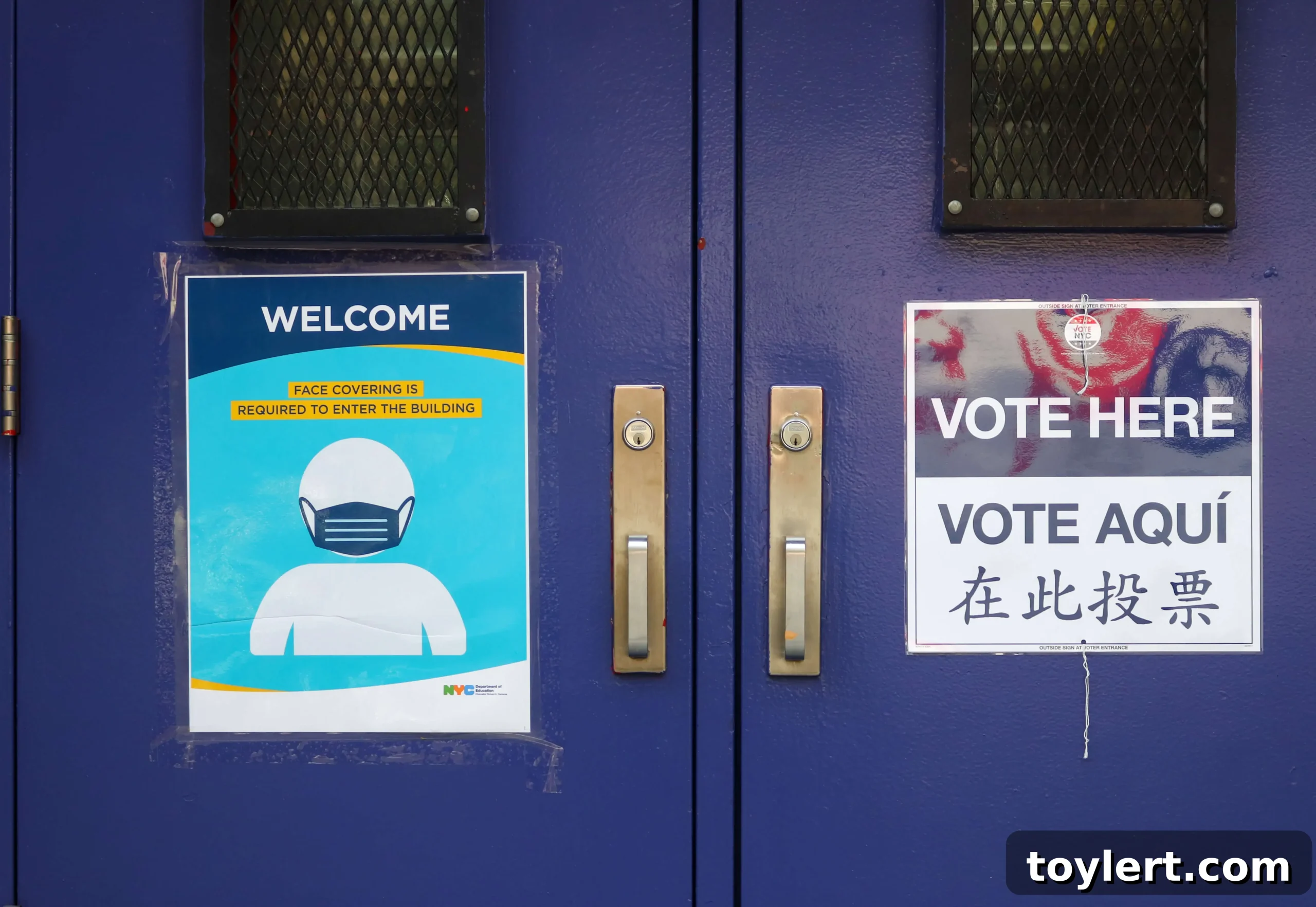
In a powerful display of electoral preference, nearly three-quarters of in-person voters in Brooklyn cast their ballots for then-Democratic presidential candidate Joe Biden. The official count revealed a staggering 514,133 votes for Biden, cementing his formidable lead in the borough. These numbers reflect votes cast during the crucial Election Day and the nine-day early voting period that preceded it. Brooklynites turned out in higher numbers than any other borough in New York City, demonstrating a profound dedication to participating in the democratic process.
Joe Biden’s Dominance in Kings County
Joe Biden’s performance in Brooklyn was not merely a victory; it was a clear and emphatic endorsement from the borough’s electorate. With over half a million votes, Biden garnered an overwhelming majority, consistent with Brooklyn’s long-standing reputation as a Democratic bastion. This substantial margin contributed significantly to his statewide victory in New York, further illustrating the borough’s influence in state and national politics. The widespread support for Biden was evident across various demographic groups and neighborhoods within Kings County, from the progressive enclaves of Park Slope and Williamsburg to the diverse communities of Flatbush and Bay Ridge, signaling a unified front in favor of the Democratic platform.
The campaign’s focus on issues such as healthcare reform, economic equity, social justice, and environmental protection resonated deeply with Brooklyn voters. The borough’s diverse population, comprising a significant number of working-class families, immigrants, young professionals, and minority communities, found common ground in Biden’s message. This broad appeal was a key factor in mobilizing such an impressive number of voters to the polls, whether in person or via early voting options, demonstrating a clear preference for a progressive agenda and a desire for change.
Donald Trump’s Performance in a Democratic Stronghold
Conversely, Republican incumbent and Queens native Donald Trump faced an uphill battle in Brooklyn. Kings County, known for its deep blue leanings, presented a challenging environment for the Republican platform. Trump garnered just over 25 percent of Kings County ballots, with 174,731 in-person votes. While this figure represents a dedicated segment of the Brooklyn electorate, it was insufficient to significantly alter the borough’s overall Democratic tilt. The results highlight the stark partisan divide that characterizes Brooklyn politics, where Republican candidates typically struggle to gain widespread traction.
Despite the overall Democratic dominance, Trump’s vote count does indicate pockets of Republican support within Brooklyn, particularly in certain neighborhoods. These areas often comprise more conservative demographics or communities with specific economic interests that align with the Republican platform. Analyzing these localized results can offer insights into the complex political tapestry of Brooklyn, even within a largely Democratic landscape. However, the overarching narrative remains clear: Brooklyn overwhelmingly favored the Democratic ticket, echoing the broader sentiment found throughout New York City.
Brooklyn’s Historical Context as a Democratic Stronghold
Brooklyn’s electoral behavior in 2020 is not an anomaly but rather a continuation of a deeply rooted political tradition. For decades, Kings County has been a reliable stronghold for the Democratic Party, consistently delivering significant majorities for Democratic candidates at all levels of government. This historical trend is intrinsically linked to the borough’s demographic makeup and socioeconomic fabric. Brooklyn is home to a diverse population, including large African American, Hispanic, and Jewish communities, as well as a growing number of young, progressive residents and recent immigrants.
These demographic groups have historically aligned with the Democratic Party’s platform, which traditionally emphasizes social welfare programs, civil rights, workers’ protections, and inclusive immigration policies. The borough’s urban environment, with its vibrant cultural scene and progressive political activism, further reinforces its Democratic identity. Local political organizations, community leaders, and grassroots movements play a crucial role in mobilizing voters and shaping public opinion, contributing to a consistently high level of engagement with Democratic causes and candidates. Understanding this historical context is essential to comprehending why Brooklyn’s 2020 results were not just predictable but also a powerful reaffirmation of its political identity.
Unprecedented Voter Turnout and Its Driving Factors
One of the most remarkable aspects of the 2020 election in Brooklyn was the exceptional voter turnout. Kings County led all other New York City boroughs in the number of residents who cast their ballots, underscoring the high stakes and intense public interest surrounding this particular election. Several factors contributed to this surge in participation, demonstrating a collective commitment to exercising democratic rights even amid challenging circumstances like the global pandemic.
The introduction of expanded early voting options played a critical role. For nine days prior to Election Day, Brooklyn residents had the opportunity to cast their ballots, providing flexibility and convenience that encouraged greater participation. This measure proved particularly effective in reducing crowds on Election Day and making voting more accessible to individuals with busy schedules or those concerned about health risks. Beyond logistical improvements, the perceived importance of the election itself, coupled with strong partisan feelings on both sides, motivated many to vote. Local community organizations and political campaigns also conducted extensive outreach efforts, including voter registration drives and get-out-the-vote initiatives, which significantly boosted engagement across the borough.
The Impact of Early Voting in Brooklyn
The nine-day early voting period was a game-changer for Brooklyn in the 2020 election. This initiative aimed to increase voter accessibility and alleviate the pressure on Election Day polling sites. For Brooklynites, it meant more opportunities to cast their ballots at a time and location convenient for them, leading to a noticeable increase in overall participation. Many voters embraced the chance to vote early, forming lines at designated polling sites throughout the borough, reflecting a strong desire to make their voices heard.
The success of early voting in Brooklyn also highlighted the adaptability of the electoral system in response to public health concerns. By spreading out the voting period, the Board of Elections could better manage crowd flow and ensure social distancing protocols were followed, providing a safer environment for voters. This not only encouraged turnout but also built confidence in the electoral process during an unprecedented time. The positive reception of early voting in Brooklyn suggests it will remain a crucial component of future elections, enhancing democratic participation and making voting more user-friendly for all residents.
Connecting Brooklyn’s Vote to National Trends
While Brooklyn’s results are undeniably local, they also fit into the broader narrative of the 2020 presidential election. The borough’s overwhelming support for Joe Biden mirrored the national trend where Biden ultimately secured the presidency. New York State as a whole delivered its electoral votes to Biden, with Brooklyn’s significant contribution acting as a major pillar of this statewide victory. The local figures showcase how individual communities, even within a large metropolitan area, contribute to the aggregate outcome of national elections.
Brooklyn’s vote reflects the sentiment of many urban centers across the United States that largely favored the Democratic candidate. This pattern underscores the urban-rural political divide that has become increasingly pronounced in American politics. For political strategists, understanding the specific dynamics within communities like Brooklyn is crucial for crafting effective campaigns and identifying key voter bases. The borough serves as a microcosm of urban Democratic strength, illustrating the power of diverse, densely populated areas in shaping electoral results both regionally and nationally.
Key Takeaways for Future Elections in Brooklyn
The 2020 presidential election in Brooklyn offers several critical takeaways for understanding the borough’s political future. Firstly, Brooklyn remains an undisputed Democratic stronghold, and any candidate seeking to win local or statewide office will need to secure significant Democratic support within Kings County. Secondly, the election demonstrated the immense power of accessible voting methods, such as early voting, in mobilizing a large and diverse electorate. These measures are likely to be staples in future elections, potentially leading to continued high voter engagement.
Furthermore, the issues that resonated with Brooklyn voters in 2020—including social justice, economic inequality, and community well-being—will likely continue to be central themes in future political discourse. Candidates who effectively address these concerns and connect with the borough’s diverse communities stand the best chance of electoral success. Brooklyn’s unwavering commitment to democratic participation and its clear political leanings continue to make it a fascinating and influential player in the American political landscape, underscoring the vibrant spirit of its residents in shaping their collective future.