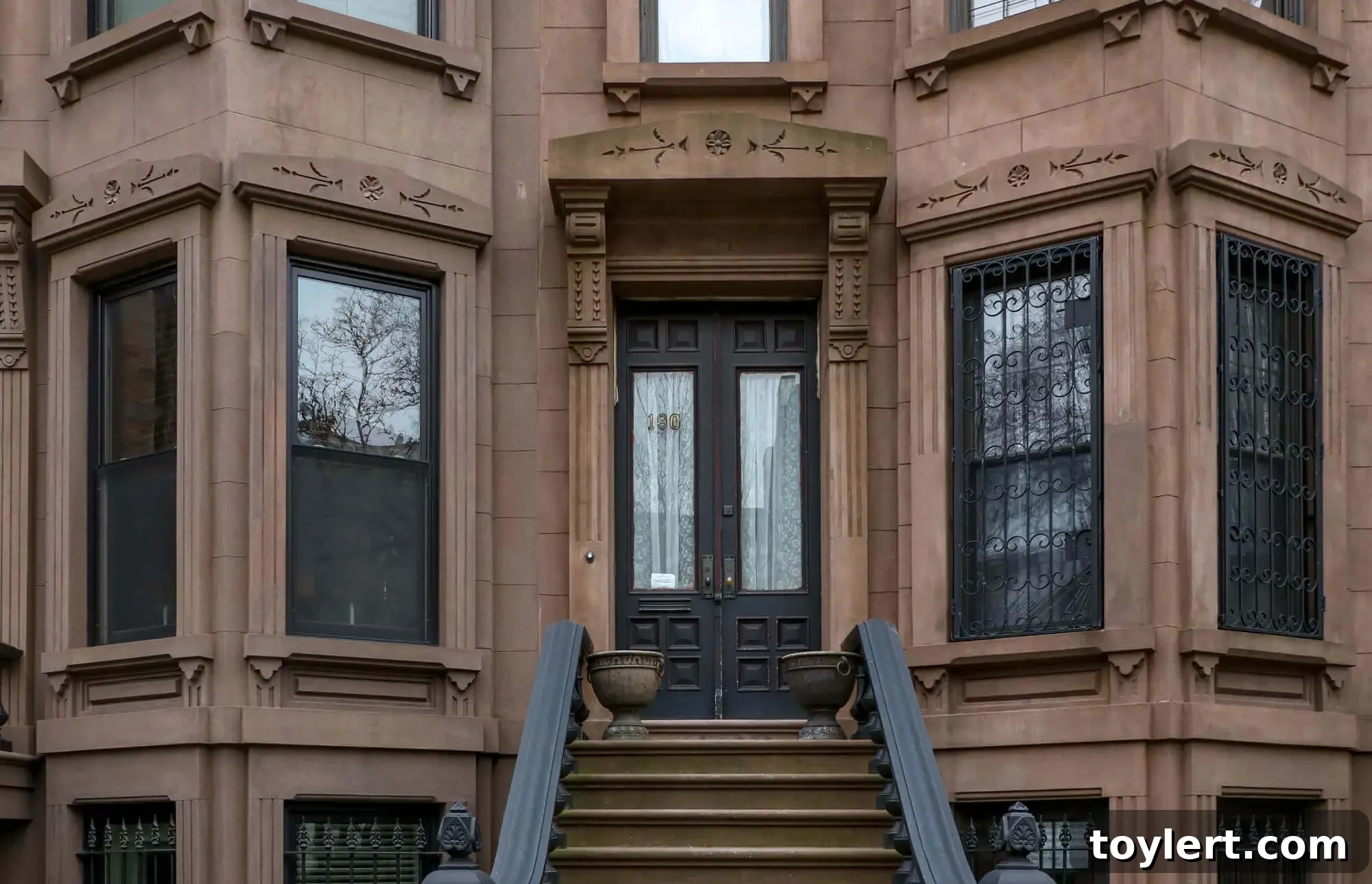
Ductless Mini-Split AC Installation Costs in a 3-Story Brownstone: A Comprehensive Guide
For many brownstone owners, the dream of comfortable, efficient air conditioning often clashes with the architectural integrity and existing infrastructure of their historic homes. Traditional ducted HVAC systems can be incredibly disruptive and expensive to install in older buildings, often requiring extensive renovations that compromise original details. This is where ductless mini-split air conditioning systems emerge as an ideal solution, offering modern comfort without the need for invasive ductwork.
A homeowner recently posed a common question regarding the installation of a ductless mini-split system in a three-story brownstone: what should they budget for the full project? This article aims to provide a comprehensive overview of the factors influencing these costs, offering insights and guidance for those embarking on a similar project. While exact figures can only come from professional quotes, understanding the various components of the investment will empower you to plan more effectively and make informed decisions.
Why Ductless Mini-Splits Are the Ideal Choice for Brownstones
Before delving into the financial aspects, it’s essential to understand why ductless mini-splits are particularly well-suited for brownstones and other historic properties:
- Preservation of Architecture: The most significant advantage is the elimination of bulky ductwork. Mini-splits preserve the original layout and architectural features of your home, requiring only small conduit lines (for refrigerant, power, and condensate) to connect indoor units to an outdoor compressor. This minimal intrusion is crucial for maintaining the historical value and aesthetic of a brownstone.
- Zoned Comfort and Efficiency: A multi-zone mini-split system allows each indoor unit to be controlled independently. In a three-story brownstone, this means you can cool the living room on the first floor without simultaneously cooling unused bedrooms on the third floor. This leads to significant energy savings, as you only condition the spaces you’re actively using, and provides personalized comfort for different occupants or preferences.
- Superior Energy Efficiency: Modern mini-split systems boast high Seasonal Energy Efficiency Ratio (SEER) and Heating Seasonal Performance Factor (HSPF) ratings, making them incredibly efficient. Variable-speed compressors adjust their output to precisely match the cooling or heating load, avoiding the energy waste common with traditional on/off systems. Many models also offer inverter technology for even greater savings.
- Quiet Operation: Indoor units are designed to operate very quietly, providing comfort without intrusive noise. The loudest component, the compressor, is located outside, further enhancing indoor tranquility.
- Installation Flexibility: Indoor units come in various styles (wall-mounted, floor-standing, ceiling cassettes, concealed duct) to seamlessly blend with different room aesthetics and layouts, offering versatility that traditional systems cannot.
- Heating and Cooling in One: Most mini-splits are heat pumps, meaning they can provide both efficient heating and cooling, offering year-round climate control from a single system.
Key Factors Influencing Ductless Mini-Split Installation Costs
The cost of installing a ductless mini-split system in a three-story brownstone can vary dramatically, typically ranging from a few thousand dollars for a single-zone setup to tens of thousands for a complex, multi-zone installation covering the entire property. Several critical factors contribute to this variability:
1. Number of Zones and Indoor Units Required
For a three-story brownstone, it’s highly likely you’ll need a multi-zone system to adequately cool and heat the entire property or specific key areas. Each “zone” represents an area controlled by a single indoor unit. The more zones you require, the more indoor units and the larger the outdoor condenser will be needed, directly impacting the overall equipment and labor cost.
- Single Zone vs. Multi-Zone: A single-zone system (one indoor unit, one outdoor unit) is suitable for a single room. For a brownstone, a multi-zone system (multiple indoor units connected to a single, larger outdoor unit) is standard. Each additional indoor unit adds to the system complexity and cost.
- Coverage Strategy: Will you install a unit in every bedroom, living area, and study, or focus on primary living spaces? Your coverage strategy will define the number of zones.
2. BTU Capacity of Units (Cooling/Heating Power)
British Thermal Units (BTUs) indicate the cooling (or heating) power of the system. Each room will require a specific BTU capacity based on various factors, including its size (square footage), ceiling height, level of insulation, number and type of windows, sun exposure, and occupancy. A professional HVAC technician will perform a detailed load calculation to determine the appropriate BTU for each zone.
- Sizing Matters: Oversizing units can lead to short-cycling, inefficiency, and poor dehumidification, while undersizing results in units constantly running and failing to maintain desired temperatures.
- Cost Correlation: Higher BTU units, necessary for larger spaces or rooms with significant heat gain, naturally cost more than smaller units. A three-story brownstone will likely require a mix of BTU capacities for different rooms.
3. Brand, Model, and Features of the System
Just like any major appliance, mini-split systems come from various manufacturers, each offering different levels of quality, features, efficiency, and warranty. Top brands (e.g., Daikin, Mitsubishi Electric, Fujitsu, LG, Panasonic) generally command higher prices but often come with superior energy efficiency (higher SEER/HSPF), quieter operation, advanced filtration, smart home integration capabilities, and longer, more robust warranties. Budget-friendly brands might offer lower upfront costs but could have higher running costs or shorter lifespans.
- Efficiency Ratings: Systems with higher SEER and HSPF ratings are more expensive initially but offer greater long-term energy savings.
- Advanced Features: Features like Wi-Fi connectivity, specialized air filters, enhanced dehumidification modes, and motion sensors can add to the unit cost.
4. Installation Complexity and Labor Costs
This is often the most significant variable in the total project cost, particularly for older brownstones due to their unique construction and limitations:
- Line Set Lengths: The distance between the outdoor condenser unit and each indoor unit dictates the length of refrigerant lines, condensate drain lines, and electrical wiring. Longer runs mean more materials and significantly more labor. In a three-story building, routing lines vertically through floors and horizontally across rooms can be complex and time-consuming.
- Exterior Penetrations: Drilling holes through thick brownstone walls for line sets requires specialized tools, expertise, and careful execution to avoid damaging the historic facade. Preserving the aesthetic of the building is paramount and adds to the labor cost.
- Electrical System Upgrades: A multi-zone mini-split system will require dedicated electrical circuits. Older brownstones often have outdated electrical panels or insufficient capacity, necessitating a service panel upgrade to safely accommodate the new load. This can be a substantial additional cost.
- Condenser Placement: Where the outdoor unit is placed (e.g., rooftop, backyard, side alley, wall-mounted) significantly affects accessibility and labor. Rooftop placements might require cranes or specialized lifting equipment, increasing costs. Placement must also consider noise levels and aesthetic impact.
- Accessibility Challenges: Tight spaces, narrow staircases, limited attic or crawl space access, and difficult access points within the brownstone can make installation more time-consuming and expensive for technicians.
- Specialized Labor: Installing mini-splits, especially in historic homes, requires skilled technicians familiar with the intricacies of these systems, experienced in working with older building materials, and mindful of architectural preservation.
- Geographical Location: Labor rates vary significantly by region and local market demand. Major metropolitan areas like New York City, where brownstones are prevalent, typically have higher labor costs.
5. Permits and Inspections
Most HVAC installations require local building permits to ensure the work complies with safety and building codes. The cost of these permits varies by municipality but is a non-negotiable part of the project. Inspections ensure the installation meets all local regulations and standards.
6. Additional Features and Optional Upgrades
- Smart Thermostats/Controls: Integration with advanced smart home systems or specialized controls can add convenience and optimize energy usage but will increase the overall cost.
- Condensate Pumps: If gravity drainage for the indoor units isn’t feasible or aesthetically desirable (e.g., to avoid exterior plumbing), condensate pumps will be needed for each indoor unit to push water to a drain, adding to material and installation costs.
- Line Set Covers: Aesthetic line set covers (often made of PVC) are frequently used to conceal the refrigerant lines, electrical cables, and condensate drains on the exterior of the brownstone, providing a cleaner, more finished look.
- Extended Warranties: While systems come with manufacturer warranties, purchasing extended labor or parts warranties can provide additional peace of mind but comes at an extra cost.
- Pre-Installation Work: In older homes, unforeseen issues like lead paint abatement or asbestos testing/removal might be necessary if walls or ceilings need to be opened significantly for routing lines. This can add substantial unexpected costs.
Estimated Cost Ranges for a 3-Story Brownstone Mini-Split Installation
Given the complexity and the numerous variables, providing a single budget figure for a three-story brownstone is challenging. However, based on industry averages and the specifics of such a property, here’s a general breakdown:
- Per Zone Cost (Equipment & Installation): For a high-quality multi-zone system, expect to pay anywhere from $3,000 to $7,000+ per indoor unit (zone), including its proportional share of the outdoor unit, line sets, and installation labor. This is a very rough estimate and can fluctuate significantly based on brand, BTU, and complexity.
- Total Project Cost for a 3-Story Brownstone (Multi-Zone System):
- Modest System (3-4 zones): Potentially $12,000 – $25,000. This might cover essential areas like a main living floor and a few key bedrooms on upper floors.
- Comprehensive System (5-7+ zones): Likely in the range of $25,000 – $45,000+. This would ensure extensive coverage, possibly with units in most bedrooms, main living areas, and possibly a home office or den.
- Premium or Highly Complex Installations: For very large brownstones, top-tier brands, extensive electrical upgrades, challenging exterior placements, or significant architectural considerations, costs could even exceed $50,000.
- Additional Electrical Work: If a major panel upgrade or dedicated new circuit runs are needed, add another $1,500 – $5,000+ to the budget.
- Permits: Usually a few hundred dollars, varying by local jurisdiction.
These figures are illustrative and can be higher in markets with inflated labor costs or for systems requiring extensive custom work, premium features, or unexpected remediation during installation. It’s crucial to remember that these are just starting points for your budgeting discussions and serve as a general guideline.
How to Obtain an Accurate Budget and Quote
The most reliable way to budget for your ductless mini-split installation in a brownstone is through diligent research and professional consultation:
- Consult Multiple Reputable HVAC Professionals: Obtain at least three detailed, written quotes from licensed HVAC companies. Prioritize firms specializing in ductless mini-splits and, ideally, those with verifiable experience working on historic homes or brownstones.
- Request Thorough On-Site Visits: A comprehensive assessment of your brownstone (including room dimensions, ceiling heights, window types, existing electrical panel, desired outdoor unit location, and preferred indoor unit placements) is absolutely essential for an accurate and tailored quote. Avoid companies that offer quotes over the phone without a physical inspection.
- Ask for Itemized Proposals: Ensure the quotes you receive break down costs for equipment (indoor units, outdoor unit, line sets), labor, electrical work, permits, any required accessories (like condensate pumps or line covers), and potential contingencies. This allows for clear comparison.
- Discuss Warranty and Maintenance: Understand the warranty coverage for both parts and labor. Inquire about annual maintenance plans, which are vital for prolonging system life and efficiency.
- Check References and Reviews: Verify the company’s reputation through online reviews (Google, Yelp, BBB) and by asking for local references from previous brownstone clients. Ensure they are properly insured and licensed.
- Clarify Aesthetics: Discuss how line sets will be routed and concealed, both inside and outside your home, to ensure the finished look meets your expectations for a historic property.
Long-Term Benefits and Return on Investment
While the upfront cost of a ductless mini-split system can seem substantial, especially for a multi-zone brownstone installation, it’s an investment that yields significant long-term benefits:
- Substantial Energy Savings: Zoned control, precise temperature management, and high energy efficiency ratings can drastically reduce your utility bills compared to inefficient window units or outdated central AC, leading to a quicker return on your initial investment.
- Increased Property Value: A modern, efficient, and discreet cooling and heating system adds significant value and appeal to a brownstone, making it more attractive to potential buyers should you ever decide to sell.
- Enhanced Comfort and Air Quality: Enjoy precise temperature control in every area of your home, eliminating hot and cold spots. Many mini-split systems include advanced filtration, contributing to a healthier indoor living environment by reducing allergens and pollutants.
- Preservation of Historic Character: The non-invasive nature of mini-splits allows you to modernize your home’s comfort without compromising its original architectural charm and details.
Conclusion
Installing a ductless mini-split air conditioning system in a three-story brownstone is a significant undertaking and investment, but one that offers unparalleled comfort, superior energy efficiency, and respectful preservation of your home’s unique character. While the initial question of “how much” is complex, a realistic budget for a comprehensive multi-zone system in such a property can range broadly from $12,000 to over $45,000, depending heavily on the number of zones desired, system capacity, brand choice, installation complexity, and the specific challenges of your brownstone’s layout and existing infrastructure.
The key to a successful project and an accurate budget lies in thorough research, understanding the various cost-contributing factors, and most importantly, obtaining detailed, on-site quotes from multiple qualified HVAC professionals experienced in working with historic properties. By following these steps, you can confidently navigate the process and bring modern, comfortable climate control to your cherished brownstone, enhancing its livability for years to come.