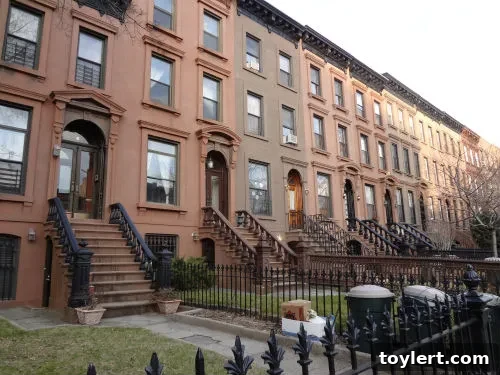
The Unfolding Transformation: Wealth and Demographics in Brooklyn’s Iconic Brownstone Neighborhoods
Brooklyn, a borough celebrated for its rich history, diverse communities, and distinctive architecture, has witnessed significant socio-economic shifts over the past few decades. Among its most iconic features are the elegant brownstone neighborhoods, which have long captivated residents and visitors alike. Recent reports compiled by CUNY’s Center for the Study of Brooklyn, and highlighted by The Brooklyn Eagle, reveal a fascinating and complex narrative: these cherished brownstone enclaves are experiencing a rapid surge in wealth, accompanied by profound demographic changes, even amidst broader economic challenges.
This comprehensive analysis delves into the specific trends observed in two key areas: District 2, encompassing the highly sought-after neighborhoods of Brooklyn Heights, DUMBO, Downtown Brooklyn, Boerum Hill, and Fort Greene; and District 6, which includes Carroll Gardens, Cobble Hill, Red Hook, Gowanus, and Park Slope. These districts, characterized by their historic charm and vibrant urban landscapes, offer a microcosm of Brooklyn’s ongoing transformation. The data points towards a future where these areas are increasingly defined by prosperity, rising costs of living, and an evolving social fabric.
The Ascendance of Affluence: Income Growth and Economic Resilience
The studies from CUNY provide compelling evidence of growing wealth within these Brooklyn brownstone districts. The median gross income per household has seen substantial increases, painting a clear picture of an upward economic trajectory that distinguishes these areas. This financial growth is not merely incremental; it represents a significant revaluation of these neighborhoods as prime residential locations for higher-income individuals and families.
Income Surge in District 2 and District 6
- In District 2, which includes the prestigious Brooklyn Heights and the burgeoning DUMBO, the median gross income per household climbed from $52,342 in 2000 to an impressive $65,836. This represents a robust increase of approximately 25.8% over less than a decade, showcasing a strong influx of economic capital into these historically rich areas.
- District 6, home to the charming Carroll Gardens and family-friendly Park Slope, demonstrated an even more accelerated pace of wealth accumulation. Here, the median gross income per household soared from $66,000 in 2000 to $84,154. This remarkable leap of nearly 27.5% underscores the escalating desirability and economic dynamism of these neighborhoods.
These figures are not just statistics; they reflect a fundamental shift in the economic profile of these communities. They suggest an influx of professionals, entrepreneurs, and families with higher disposable incomes, drawn by the unique blend of historic architecture, cultural amenities, and convenient access to Manhattan. This economic resilience, even “despite recession,” as the original article noted, speaks volumes about the enduring appeal and investment potential of Brooklyn’s brownstone belt.
The Soaring Cost of Living: Rent Increases and Affordability Challenges
While rising incomes signal prosperity, they often come hand-in-hand with an escalating cost of living, particularly in highly desirable urban centers. Brooklyn’s brownstone neighborhoods are no exception, with rental prices experiencing dramatic increases that highlight growing affordability challenges for many.
Dramatic Rent Hikes Across Brownstone Enclaves
- District 2 saw a significant spike in median gross rent, rising from $878 in 2000 to $1,104 during the 2007-09 period. This represents a substantial 25% increase, placing considerable pressure on renters and potentially pushing out those with more modest incomes.
- The trend was even more pronounced in District 6, where median rent per household surged from $1,141 in 2000 to $1,499 between 2007-09. This translates to an even higher increase of 31%, indicating that these neighborhoods are becoming increasingly exclusive in terms of housing costs.
These rent increases are a critical indicator of the intense demand for housing in these districts. They reflect a market where the allure of brownstone living, combined with limited inventory and robust economic growth, allows landlords to command higher prices. While this benefits property owners and investors, it simultaneously fuels concerns about gentrification and the potential displacement of long-term residents and local businesses that have historically contributed to the unique character of these neighborhoods. The rising cost of living threatens to erode the very diversity that has long been one of Brooklyn’s defining strengths.
Shifting Demographics: An Evolving Social Fabric
Beyond economic metrics, the CUNY study sheds light on profound demographic shifts occurring within these brownstone districts. The racial and ethnic composition of these neighborhoods has undergone a notable transformation, reflecting broader trends of gentrification and socio-economic change across urban America.
Racial Composition Changes in District 2 and District 6
- In District 2, the white population increased from 32.5% in 2000 to 43%. Concurrently, the black population declined from 39% to 31%. This represents a significant shift, indicating an increasing homogenization of the district’s racial makeup.
- District 6 experienced an even more dramatic demographic change. The white population grew from 55.7% in 2000 to 64.9%. Over the same period, the black population decreased from 11.5% to 8%, and the Latino population saw a notable decline from 23.8% to 18.2%. These figures illustrate a clear trend towards a less diverse racial and ethnic landscape within these brownstone communities.
These demographic shifts are often considered a hallmark of gentrification. As areas become wealthier and more expensive, they tend to attract a new wave of residents who can afford the rising costs, often leading to a change in the predominant racial and ethnic composition. The decline in black and Latino populations in these districts raises important questions about cultural preservation, community identity, and equitable access to housing and opportunities within thriving urban environments. The unique cultural tapestry that once defined many parts of Brooklyn is slowly being rewoven, with implications for social cohesion and historical continuity.
The Professional Landscape: A Lawyer’s Haven in Brooklyn
An intriguing detail unearthed by the reports, and often overlooked in broader discussions, concerns the professional landscape of these brownstone neighborhoods. It highlights a particular profession that not only dominates the occupational chart but also contributes significantly to the districts’ overall wealth.
Lawyers: The Prevailing Profession
- In both District 2 and District 6, the top occupation identified was “lawyer,” a trend that remained consistent from 2000.
- In District 2, 4.9% of residents were lawyers, commanding a median salary of $121,547.
- In District 6, an even higher proportion—6.6% of residents—were lawyers, with a median salary of $126,611.
The prevalence of legal professionals in these brownstone areas is telling. It points to Brooklyn’s strong appeal to individuals in high-earning fields, likely due to its proximity to major legal and financial centers in Manhattan and increasingly, Downtown Brooklyn. The substantial median salaries earned by these professionals undoubtedly contribute to the districts’ escalating median incomes and property values, further solidifying their status as affluent enclaves. This concentration of a specific high-income profession also influences the types of services and amenities that flourish in these areas, from upscale dining to specialized retail, catering to the tastes and spending power of the dominant professional class.
Understanding the Driving Forces Behind Brownstone Transformation
The transformation of Brooklyn’s brownstone neighborhoods is not a spontaneous occurrence but the result of a confluence of powerful socio-economic forces. Understanding these drivers is crucial to appreciating the full scope of their evolution.
Key Factors Fueling Gentrification and Wealth Accumulation
- Historical Context and Urban Revival: Following periods of urban decline, Brooklyn, like many major cities, experienced a significant revitalization beginning in the late 20th century. Post-9/11, many professionals sought more residential, community-oriented lifestyles outside Manhattan, finding an ideal balance in Brooklyn’s brownstone neighborhoods.
- Economic Investment and Job Growth: Strategic investments in infrastructure, the rise of tech hubs, and the expansion of the creative industries in Brooklyn have created numerous high-paying job opportunities within the borough, drawing a new wave of affluent residents.
- Desirability and Quality of Life: These neighborhoods offer an unparalleled quality of life, boasting tree-lined streets, historic architecture, excellent public and private schools, vibrant cultural institutions, and a strong sense of community. Access to sprawling parks like Prospect Park and Brooklyn Bridge Park further enhances their appeal.
- Proximity to Manhattan: The ease of commute to Manhattan’s major employment centers remains a primary draw for professionals and families, making these brownstone districts highly convenient while offering a distinct, less frenetic lifestyle.
- The “Brooklyn Brand”: Over time, Brooklyn has cultivated a powerful brand identity synonymous with creativity, authenticity, and a unique urban charm, making it a highly desirable place to live for a global audience.
The ability of these brownstone areas to continue “getting wealthier, despite recession,” as observed in the original article, further underscores their unique resilience. During economic downturns, high-income households tend to be less affected, and desirable real estate in prime locations often retains or even increases its value, acting as a safe haven for investment. This phenomenon illustrates the robust demand and intrinsic value attributed to these particular Brooklyn neighborhoods.
Implications and the Future of Brooklyn’s Brownstone Districts
The ongoing transformation of Brooklyn’s brownstone neighborhoods presents a complex picture of economic success intertwined with significant social and cultural implications. While the influx of wealth revitalizes infrastructure and supports local economies, it also poses critical challenges that demand thoughtful consideration.
Challenges and Considerations for a Sustainable Future
- Affordability Crisis: The escalating cost of living, driven by rising incomes and demand, creates an affordability crisis for middle and lower-income families, artists, and long-standing residents, many of whom are forced to relocate. This displacement erodes the social diversity that has historically defined Brooklyn.
- Loss of Diversity and Community Identity: The demographic shifts towards a more racially and economically homogeneous population raise concerns about the loss of unique cultural identities and the rich tapestry of communities that once thrived in these areas. Local businesses catering to original communities often struggle to survive amidst rising rents and changing consumer demographics.
- Maintaining Authenticity: As neighborhoods become more affluent, there’s a delicate balance to strike between modernization and preserving the authentic, historic character that made them desirable in the first place. Over-development or chain establishments can dilute the unique charm.
- Policy Responses: Addressing these challenges requires proactive policy measures, such as the implementation of affordable housing initiatives, nuanced zoning regulations, and support for small, independent businesses. Ensuring that the benefits of prosperity are shared more broadly across all segments of the population is paramount.
In conclusion, the reports from CUNY’s Center for the Study of Brooklyn paint a vivid picture of Brooklyn’s brownstone neighborhoods as dynamic epicenters of wealth accumulation and demographic re-shaping. From soaring incomes and escalating rents to significant shifts in racial composition and the prevalence of high-earning professionals, these districts epitomize the complex nature of urban evolution. The journey of these iconic enclaves reflects not just economic trends but also the ever-evolving identity of one of the world’s most vibrant and sought-after urban centers, perpetually navigating the intricate balance between prosperity and preservation, growth and inclusivity.
Brownstone Areas Getting Wealthier, Despite Recession [Eagle]