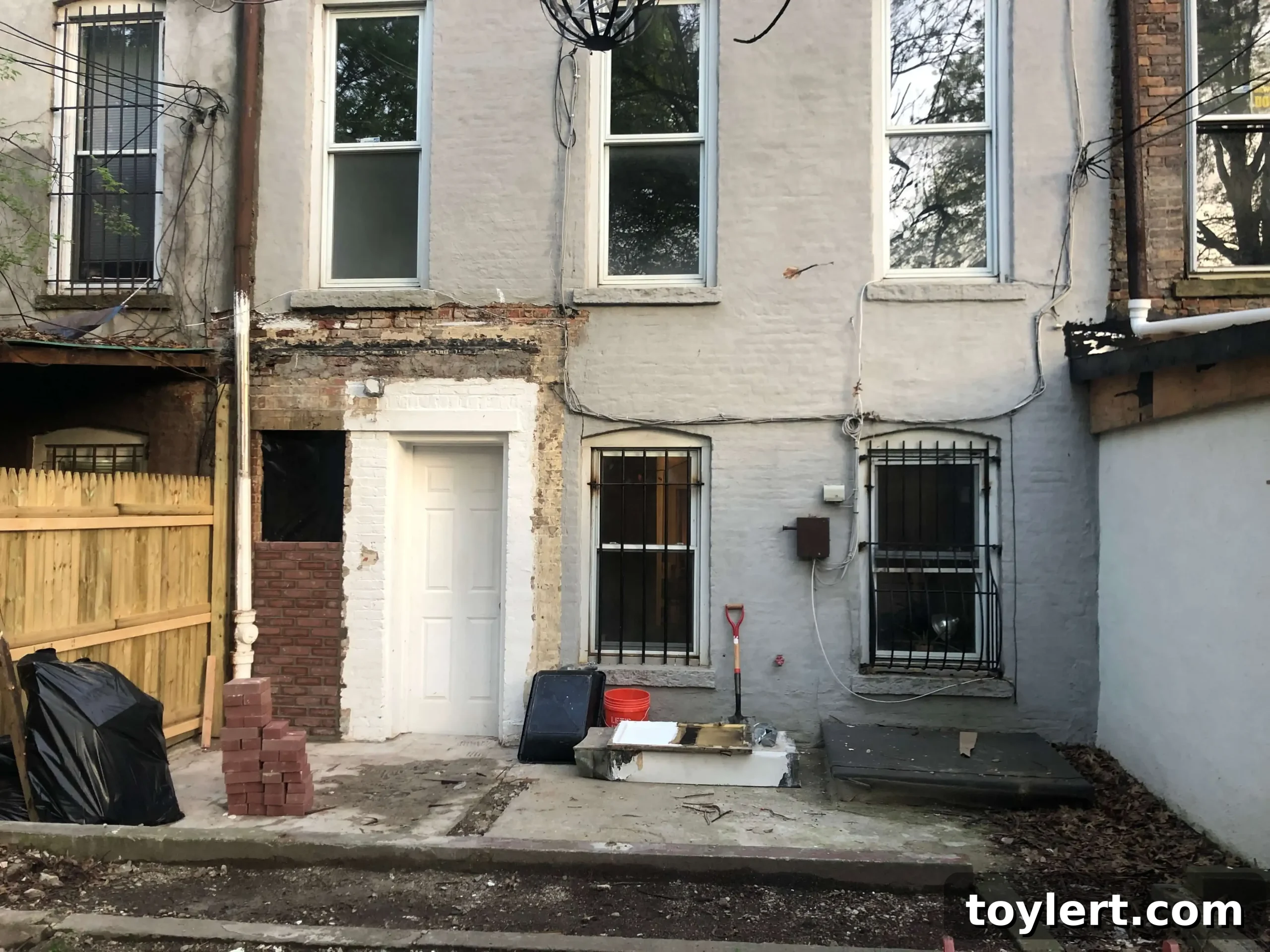
Editor’s note: Welcome to the 26th installment of Brownstone Boys Reno, a captivating reader renovation diary chronicling the meticulous transformation of a historic brownstone in Bed Stuy, Brooklyn. Dive into the journey from the beginning with the first chapter here. For more insights and behind-the-scenes glimpses, explore their blog at www.thebrownstoneboys.com.
Embarking on a brownstone renovation in the heart of Bed Stuy is an exhilarating journey, filled with anticipation and creative vision. Yet, for every grand project, even the most meticulous planning can only take you so far. The true essence of renovation often lies in the unexpected—those crucial moments when unforeseen challenges surface, demanding quick, decisive action. We recently concluded one such pivotal meeting with our contractor, navigating a comprehensive list of items that required on-the-spot decisions. This intense session, while demanding, fills us with immense excitement, as it unequivocally signals our entry into one of the final, most thrilling stages of the project. The finish line is now truly within sight, and the dream of our revitalized brownstone is closer than ever to becoming a tangible reality.
Navigating the Unforeseen: Essential Decisions in Brownstone Renovation
Renovating a historic brownstone, particularly in an area like Bed Stuy, Brooklyn, is an intricate dance between preserving architectural heritage and integrating modern functionality. While extensive planning is the bedrock of any successful project, the unique character of older homes guarantees a steady stream of surprises. These unexpected revelations often emerge as walls are opened or floors are lifted, presenting scenarios that demand not just solutions, but swift, well-considered decisions to keep the project on track and within budget. Our recent contractor meeting epitomized this reality, transforming a theoretical blueprint into a dynamic problem-solving session.
Problem 1: Unearthing Hidden Structural Complexities
One of the most significant challenges we encountered involved an unexpected structural revelation within the main living area. During the demolition phase, after carefully removing layers of plaster and lath, our team discovered a section of the original floor joists that showed signs of significant sagging and minor deterioration, likely due to decades of incremental stress and perhaps some historical water intrusion. This wasn’t merely cosmetic; it compromised the structural integrity of the floor above and required immediate attention before we could proceed with the new flooring installation.
The Decision Process: Our contractor presented us with several options. The first involved sistering new lumber alongside the existing compromised joists, reinforcing them to bear modern loads. The second, more invasive, suggested replacing the entire section of affected joists. We convened with our structural engineer on-site to assess the extent of the damage. After thorough inspection, the engineer confirmed that sistering would provide adequate reinforcement, provided the new lumber was properly secured and sized. The cost implications were significant, as it required specialized carpentry and additional material sourcing. However, the alternative of full replacement would have led to substantial delays and a considerably higher budget outlay.
The Outcome and Lesson Learned: We opted for the sistering solution. This decision allowed us to reinforce the structure effectively without dismantling a larger section of the house, which would have impacted the project timeline considerably. This experience underscored the absolute necessity of a robust contingency fund in any brownstone renovation budget. It also highlighted the invaluable role of a skilled contractor who can not only identify such issues but also present clear, actionable solutions, working in tandem with structural experts. Flexibility and clear communication became paramount in navigating this unforeseen structural hurdle.
Problem 2: The Evolving Aesthetics – A Tile Dilemma in the Master Bathroom
Our initial design for the master bathroom called for a specific type of handcrafted, subway-style tile with a unique glaze, carefully selected to complement the historic feel of the brownstone while offering a touch of modern elegance. We had planned for this tile from the outset, believing it was readily available. However, as the project progressed and it was time to place the order, we received unfortunate news: the manufacturer had discontinued the specific color and finish we had chosen, with no suitable alternatives in their current line.
The Decision Process: This put us in a bind. Do we compromise on our vision and select a readily available, but less appealing, tile? Or do we embark on a time-consuming search for something comparable, potentially delaying the entire bathroom completion? Our contractor, understanding our aesthetic goals, presented us with samples from several different suppliers that offered similar profiles but distinct glaze variations. We spent a critical afternoon comparing shades, textures, and the way light interacted with each sample in the actual bathroom space. This wasn’t just about finding any tile; it was about finding the *right* tile that maintained the integrity of our design vision for the master bathroom, a sanctuary we envisioned as both luxurious and timeless.
The Outcome and Lesson Learned: We ultimately discovered a slightly different, yet equally captivating, handcrafted tile from a boutique supplier. While it added a small increment to the material cost and slightly extended the lead time, the aesthetic result was undeniably superior, perhaps even enhancing the original vision. This experience taught us that while detailed planning is crucial, maintaining a degree of flexibility in material selections can often lead to serendipitous discoveries. It reinforced the idea that sometimes, unexpected pivots can yield even better outcomes, especially when dealing with unique design elements in a brownstone renovation. It also highlighted the importance of placing material orders well in advance and having backup options.
Problem 3: Navigating Code Compliance – The 36-Inch Landing Conundrum
One of the more technical, yet critical, surprises related to code compliance for our internal staircase. We were meticulously renovating an existing staircase, aiming to preserve its historical grandeur. However, a routine inspection flagged a minor, yet non-negotiable, issue: the landing at the top of the main flight did not quite meet the current Brooklyn building code requirement for a minimum 36-inch depth. While it had likely passed previous codes, modern safety standards are more stringent. This seemingly small measurement discrepancy presented a significant challenge, as altering a finished landing would impact the surrounding wall and potentially the entrance to an adjacent room.
The Decision Process: Our contractor immediately brought this to our attention. We needed to extend the landing by a few inches, which involved rebuilding a portion of it. This wasn’t a simple fix; it required careful consideration of how to seamlessly integrate the extension without making it look like an afterthought. Options included slightly adjusting the wall framing or cantilevering a portion of the landing, each with its own structural implications and aesthetic compromises. We reviewed architectural drawings and debated the least disruptive method to achieve compliance while maintaining the staircase’s elegance and flow, crucial aspects of a historic brownstone interior.
The Outcome and Lesson Learned: We decided on a solution that involved a subtle adjustment to the wall framing and a re-engineered extension of the landing. While it necessitated extra carpentry work and a slight delay in the staircase finishing, it ensured full code compliance and, more importantly, enhanced safety without detracting from the staircase’s original charm. This incident served as a powerful reminder of the paramount importance of strict adherence to local building codes, especially when renovating older structures. Engaging a contractor who is intimately familiar with current regulations, and even better, proactive in identifying potential issues, is non-negotiable. It proves that even minor details can have significant ripple effects on a renovation timeline and budget.
Problem 4: Budgetary Bumps and Material Lead Times – The Kitchen Cabinet Quandary
As we approached the critical stage of kitchen installation, we faced a double whammy: a key set of custom kitchen cabinets arrived with minor transit damage, and simultaneously, we were notified that a specialized range hood, crucial for our gourmet kitchen design, would face a two-month delay due to unforeseen supply chain issues. These two seemingly separate issues converged to create a significant budgetary and timeline concern.
The Decision Process: For the damaged cabinets, our contractor immediately initiated a claim with the supplier. We had to decide whether to wait for replacement pieces, which could take weeks, or attempt on-site repairs. Given the craftsmanship involved, waiting was deemed the better option to preserve quality. For the range hood, the delay was more problematic. A two-month wait meant the kitchen couldn’t be fully functional or inspected. We explored alternative high-performance range hoods that were immediately available, weighing aesthetic compatibility, ventilation power, and cost against our original selection. This involved intense research and rapid comparisons of specifications and design elements, all while managing the existing budget constraints.
The Outcome and Lesson Learned: We successfully negotiated a partial replacement for the damaged cabinets and, after much deliberation, decided to proceed with an alternative range hood that met our functional requirements and integrated seamlessly with the kitchen’s aesthetic, despite a slight adjustment to the budget. This dual challenge underscored the absolute necessity of meticulous material management, including rigorous quality checks upon delivery, and a proactive approach to understanding lead times from all suppliers. It reinforced the importance of building flexibility into the project timeline and having a well-padded contingency fund to absorb unexpected costs. The experience highlighted that sometimes, adapting to unforeseen circumstances with a creative solution is more efficient than rigidly sticking to the original plan, especially in the fast-paced world of brownstone renovation.
The Master Bathroom Ceiling: A Testament to Precision
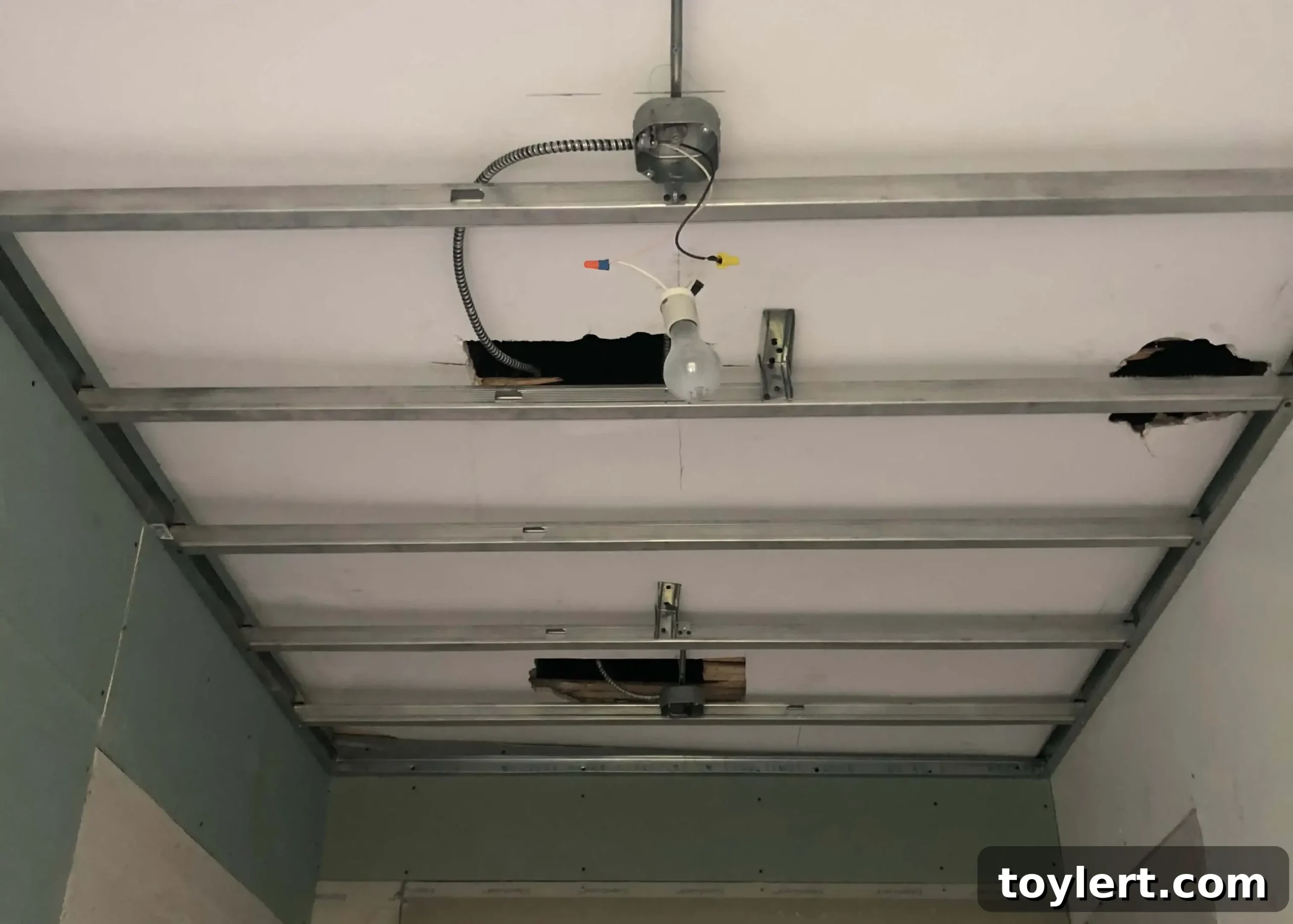
The image above beautifully captures a pivotal moment in our master bathroom renovation: the meticulous leveling of the ceiling before the walls were enclosed. This might seem like a small detail, but in a brownstone, especially an older one, original ceilings are rarely perfectly level. Years of settling, minor structural shifts, and previous patchwork repairs can lead to noticeable inconsistencies. Our goal for the master bathroom was to create a sanctuary of modern comfort within a historic shell, and a perfectly level ceiling was non-negotiable for achieving the clean lines and polished finish we envisioned for the space.
Achieving this level of precision involved careful assessment, shimming, and often adding new framing to create a uniformly flat surface. This step was critical for several reasons: it ensures that all subsequent installations – from lighting fixtures to tiling patterns on the walls – align perfectly, preventing visual distortions that can cheapen the overall look. It also provided a stable foundation for the eventual plasterwork and paint, guaranteeing a smooth, unblemished finish. This painstaking attention to detail, though time-consuming, is what separates a good renovation from an exceptional one, laying the groundwork for a truly luxurious and durable master bathroom in our Bed Stuy home.
Strategies for Agile Decision-Making in Renovation
Through all these “problems” and swift solutions, we’ve developed a few core strategies that have become indispensable:
- Trust Your Contractor: A seasoned contractor isn’t just a builder; they’re a problem-solver. Their experience in brownstone renovation is invaluable for identifying issues and proposing practical solutions.
- Maintain a Clear Vision: While flexibility is key, having a strong overarching design vision helps in making decisions that remain true to the project’s aesthetic and functional goals.
- Prioritize Budget, Timeline, and Quality: When faced with a decision, weigh its impact on these three pillars. Sometimes, a slight budget increase is worth avoiding a significant timeline delay or a compromise on quality.
- Document Everything: Keep detailed notes of all decisions made, especially those that deviate from the original plan. This helps in tracking changes, managing budget, and resolving any future ambiguities.
- Build in Contingency: This cannot be stressed enough. Both financial and temporal contingencies are essential buffers against the inevitable surprises of renovating a historic home.
Nearing the Finish Line: Anticipation and Reflection
As we navigate these final decision-making sprints, the air in our brownstone is thick with anticipation. The scent of fresh paint, the hum of finishing touches, and the gradual reveal of completed spaces fill us with immense satisfaction. Each challenge overcome, each quick decision made, has contributed to a deeper understanding of our home and the intricate process of its transformation. We are not just renovating a brownstone; we are restoring a piece of Bed Stuy’s history, imbuing it with modern comforts while honoring its original spirit.
The journey has been a testament to patience, perseverance, and the power of collaborative problem-solving. While the complexities of a brownstone renovation are undeniable, the reward of seeing our vision materialize is immeasurable. We look forward to sharing the final reveal and reflecting on the incredible evolution of this special place. The end is truly near, and the excitement for our dream home is building with every passing day.