Editor’s note: Welcome to the 77th installment of Brownstone Boys Reno, a reader renovation diary about renovating a brownstone in Bed Stuy. See the first one here. They also blog at www.thebrownstoneboys.com.
Brownstone Boys Reno: Mastering Mini-Splits for Year-Round Comfort in a Brooklyn Brownstone
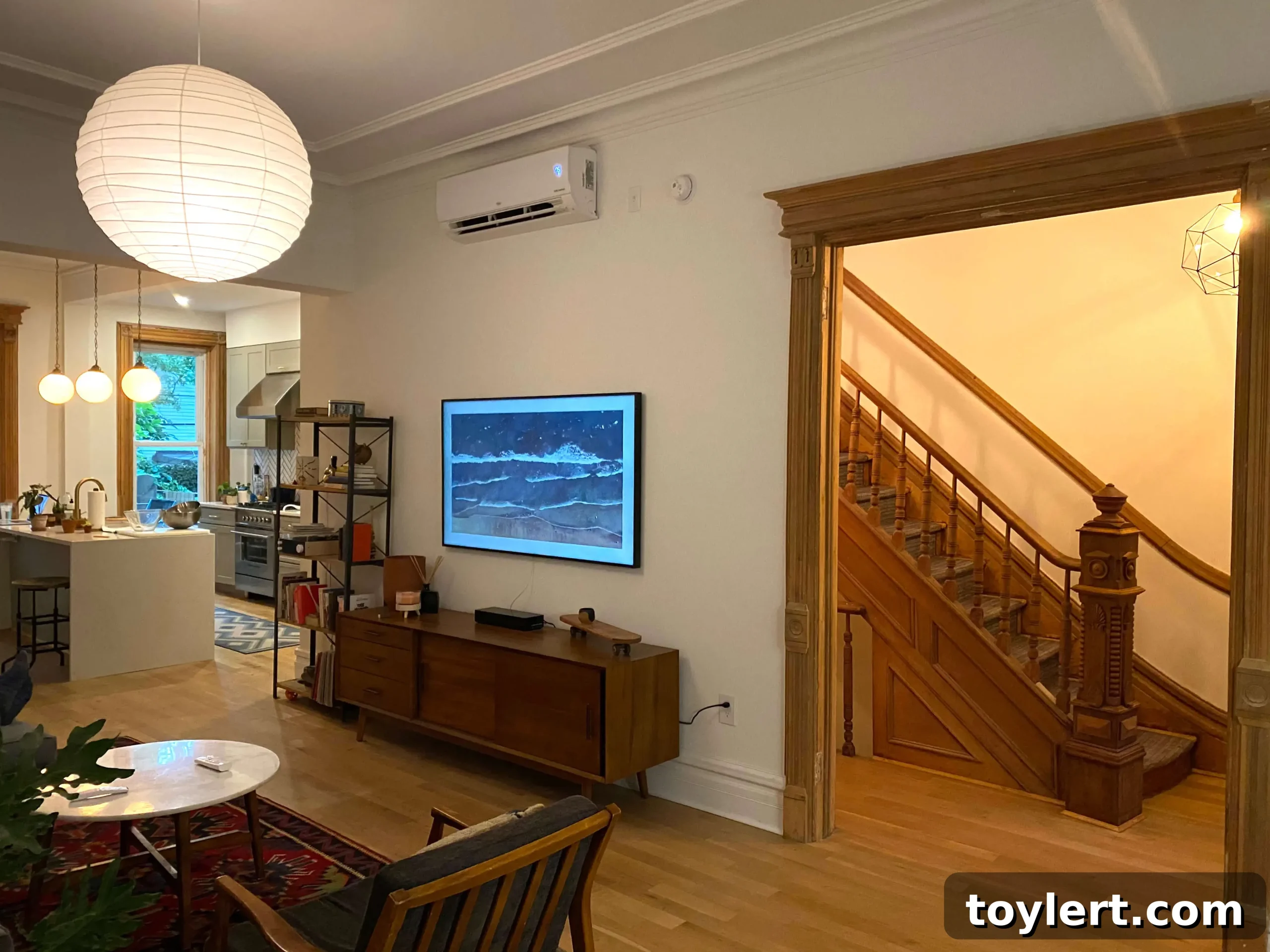
As the summer heat truly settles in, blanketing Bed Stuy with its characteristic warmth and humidity, our newly installed mini-split system has seamlessly transitioned from a novel addition to an indispensable part of our daily lives. When we initially planned this installation, particularly for our expansive parlor floor, we harbored a degree of healthy skepticism. Conventional wisdom and many sizing recommendations often suggest significantly more BTU power for an 800-square-foot, relatively open-concept space than the single 18,000 BTU unit we chose.
However, after weeks of rigorous testing against the demanding Brooklyn summer, we can confidently declare its performance has not just met, but gloriously exceeded, every single expectation. It passed with flying colors! Our parlor floor is transformed into a perfectly climate-controlled haven within mere minutes – a level of cool akin to stepping into a refreshing department store. The efficiency is so profound, we often find ourselves needing to turn it off because the space becomes too cool! This remarkable efficacy isn’t confined to our main living area; the smaller, 7,000 BTU units installed in each bedroom are delivering equally stellar results, ensuring peaceful and comfortable sleep even on the most sweltering nights.
This resounding success in cooling has naturally ignited a more profound question in our minds, one that resonates deeply with many homeowners considering modern HVAC solutions: If our mini-split heat pumps are so adept and efficient at keeping us cool, could they also serve as our exclusive heating system when the inevitable chill of winter descends? The allure of a single, integrated system providing comprehensive comfort year-round, from the dog days of summer to the biting cold of a Northeast winter, is incredibly strong. It promises not just convenience, but also potential gains in energy efficiency and sustainability. Let’s delve into this intriguing possibility and explore the evolving capabilities of modern heat pump technology.
The Cooling Revelation: How Our Mini-Splits Crushed Summer Heat
Before we fully pivot to the heating debate, it’s worth dissecting why our mini-split cooling performance proved to be such a triumph. When we were in the planning stages for our brownstone’s HVAC system, we meticulously reviewed various guidelines for BTU requirements. For an 800-square-foot open-concept space, many traditional recommendations would point towards a larger capacity unit, perhaps 24,000 BTUs or even a multi-zone system with several smaller indoor units. Our decision to install a single 18,000 BTU unit for the parlor floor was, in some ways, a calculated gamble. This choice was influenced by the specific layout of our brownstone’s parlor level, which benefits from an open design that facilitates good airflow, alongside the impressive efficiency ratings of the specific unit we selected.
The fact that this unit, which by some conventional metrics might be considered “undersized,” not only manages but excels at cooling such a significant area speaks volumes about the advancements in modern mini-split technology. A crucial factor in this success is the integrated inverter technology. Unlike older, single-speed compressors that simply cycle on and off, inverter-driven compressors can vary their speed and output precisely to match the cooling demand. This not only dramatically enhances energy efficiency but also maintains a remarkably consistent indoor temperature, eliminating uncomfortable fluctuations and ensuring continuous comfort. Furthermore, the strategic placement of our indoor unit on the parlor floor, combined with the inherent thermal mass and improved insulation of our brownstone, plays a vital role in retaining conditioned air effectively. The cumulative effect is instant, pervasive, and effortlessly managed comfort that makes even the most sweltering Brooklyn days a joy to experience indoors.
Demystifying Mini-Split Heat Pumps: The Science Behind Year-Round Comfort
To truly appreciate the potential of mini-split heat pumps for heating, it’s essential to understand their fundamental operational principles. Unlike traditional furnaces that generate heat by burning fossil fuels, or conventional central air conditioners that exclusively remove heat, heat pumps operate by transferring thermal energy. In cooling mode, the system extracts heat from the indoor air and expels it outdoors. Crucially, in heating mode, this process is simply reversed: the heat pump absorbs latent heat from the outdoor air (even cold air contains a significant amount of thermal energy) and transfers it indoors, effectively warming your home.
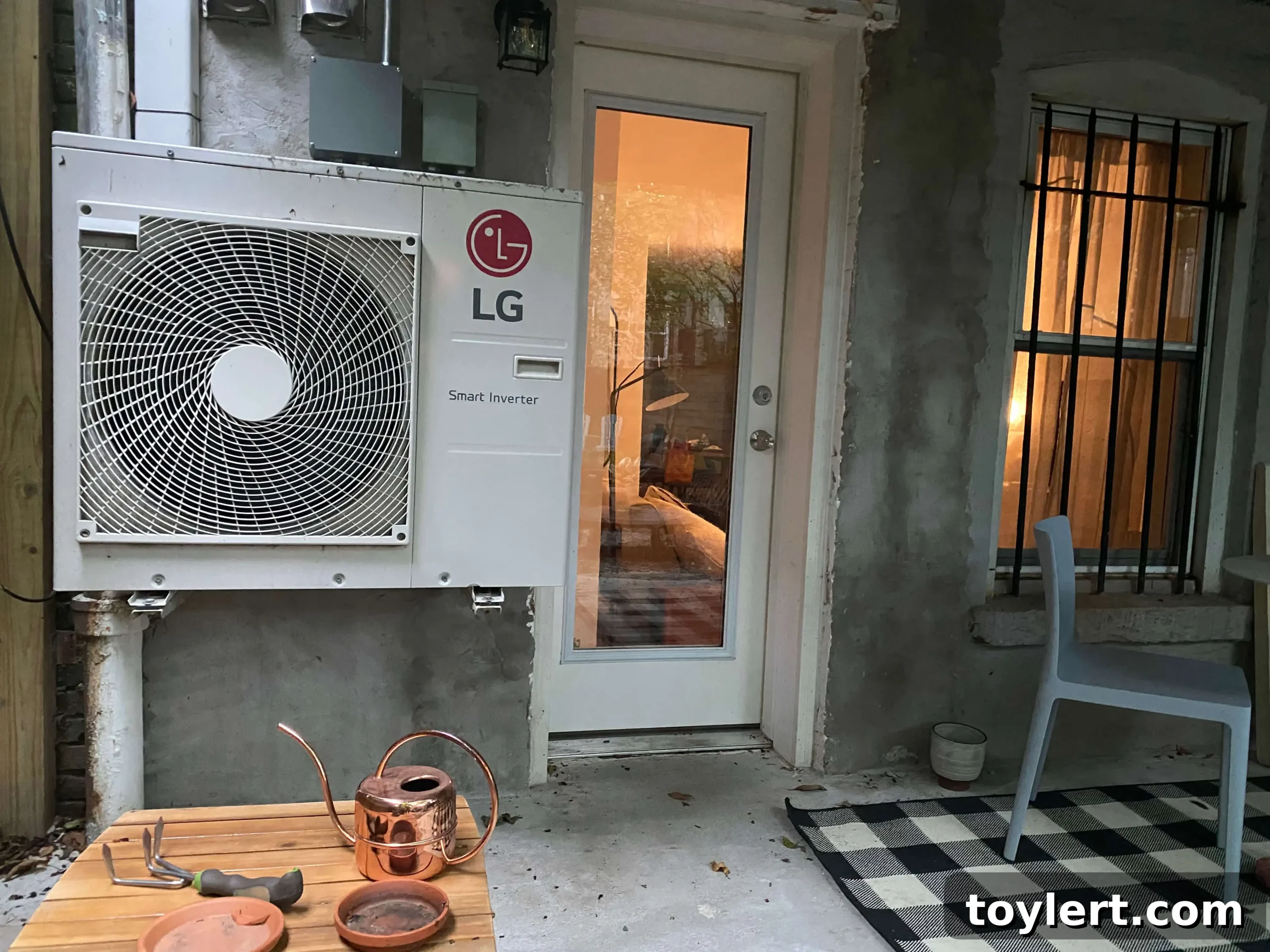
This ingenious ability to simply *move* heat, rather than *create* it through combustion, is what underpins the incredible energy efficiency of heat pumps. By not relying on the burning of fossil fuels within your home, heat pumps lead to substantial reductions in utility bills and a significantly smaller carbon footprint. A typical mini-split system comprises an outdoor compressor unit—like the compact one cleverly concealed under our deck—connected via refrigerant lines to one or more indoor air-handling units. The beauty of these systems, particularly ductless mini-splits, lies in their zoned capabilities, allowing for independent temperature control in different areas of your home, thus maximizing both comfort and energy savings.
The Heating Dilemma: Overcoming Obsolete Perceptions with Modern Innovation
For decades, the primary hurdle to widespread adoption of heat pumps as a sole heating source, especially in frigid climates like the Northeast, revolved around their perceived inefficiency in extremely cold temperatures. Older generations of heat pump technology indeed struggled when outdoor temperatures plummeted significantly below freezing. As the temperature differential between the indoor and outdoor environments grew, these units had to work considerably harder to extract sufficient heat from the cold ambient air. This often necessitated the activation of supplemental electric resistance heating, which, while effective, is considerably less energy-efficient than the heat pump itself.
The Transformative Power of Cold Climate Heat Pumps and Inverter Technology
However, this long-held perception is rapidly becoming a relic of the past, thanks to a cascade of groundbreaking technological advancements. The advent of modern “cold climate” heat pumps, synergistically combined with sophisticated inverter technology, has fundamentally redefined the capabilities of these systems. These innovations empower heat pumps to maintain remarkable efficiency and robust heating capacity even when outdoor temperatures dip well below freezing, with some advanced models performing optimally down to -15°F or even lower.
- Revolutionary Inverter Technology: As previously highlighted, inverter technology allows the compressor to modulate its speed continuously, rather than cycling through abrupt on/off states. This means the system can precisely match the home’s heating demand, operating at lower, more efficient speeds during milder conditions and intelligently ramping up when external temperatures drop. This variable operation dramatically reduces energy waste associated with constant stop-start cycles and significantly boosts performance in challenging cold weather.
- Advanced Refrigerants and Optimized Components: Manufacturers have engineered specialized refrigerants that perform more effectively in low-temperature environments. Simultaneously, redesigned coils and compressors are now capable of extracting greater amounts of heat from colder outdoor air, enhancing overall system efficiency.
- Intelligent Defrost Cycles: In cold, humid conditions, ice can inevitably accumulate on the outdoor coil, impeding efficiency. Modern cold climate heat pumps are equipped with intelligent, demand-based defrost cycles. These systems only initiate defrosting when necessary, minimizing energy consumption during this vital process and ensuring continuous, highly efficient heating operation without significant interruptions.
These remarkable developments signify a profound shift: what was once largely relegated to a supplemental role in the Northeast is now genuinely capable of serving as a primary, or even exclusive, heating solution. This evolution is also strongly supported by a broader societal impetus towards electrification and a reduced reliance on fossil fuels, often bolstered by a growing array of local, state, and federal incentives designed to encourage heat pump installations.
Compelling Benefits of Adopting Exclusive Mini-Split Heating
Embracing mini-split heat pumps for comprehensive, year-round climate control offers a compelling suite of advantages that extend beyond mere temperature regulation:
- Unparalleled Energy Efficiency: Heat pumps are renowned for delivering significantly more heat energy than the electrical energy they consume—often two to three times more. This makes them profoundly more efficient than traditional electric resistance heating and, given fluctuating energy markets, frequently more cost-effective than systems relying on oil, propane, or even natural gas.
- Environmental Stewardship: By transferring heat rather than generating it through the combustion of fossil fuels, heat pumps drastically reduce greenhouse gas emissions and eliminate on-site burning. This directly contributes to cleaner air and a substantially smaller carbon footprint, aligning perfectly with modern sustainability goals.
- Personalized Zoned Comfort and Control: One of the most significant advantages of ductless mini-splits is their ability to provide independent temperature control for each indoor unit. This means you can establish different temperature zones throughout your home, heating or cooling only the occupied spaces and reducing climate control in unused areas. This personalized approach not only maximizes comfort for every inhabitant but also leads to substantial energy savings.
- Enhanced Indoor Air Quality: Without the combustion of fossil fuels indoors, concerns about carbon monoxide or other combustion byproducts are eliminated. Furthermore, mini-split systems incorporate advanced filtration, actively removing dust, allergens, pollen, and other airborne particulates, leading to a healthier living environment.
- Whisper-Quiet Operation: Modern mini-split systems are engineered for minimal noise output. Both the indoor and outdoor units operate remarkably quietly, ensuring that your home remains a peaceful sanctuary without intrusive mechanical sounds.
- Space-Saving and Flexible Design: Ductless mini-splits eliminate the need for cumbersome and intrusive ductwork, making them an ideal and often less disruptive solution for renovations of older homes, such as our brownstone, where space is often at a premium and preserving historical integrity is key. The compact outdoor unit can also be easily concealed, as ours is under the deck, maintaining aesthetic appeal.
- Integrated Year-Round Solution: A single, unified system efficiently handles both your heating and cooling needs. This streamlines your home’s HVAC infrastructure, simplifies maintenance, and provides consistent comfort across all seasons.
Critical Considerations for an Exclusive Mini-Split Heating System
While the advantages of adopting a mini-split heat pump as your sole heating source are numerous and compelling, it’s crucial to approach this decision with a thorough understanding of all factors involved:
- Initial Investment Costs: The upfront cost for purchasing and installing a high-quality mini-split system, especially one designed for cold climates, can be higher than that of traditional furnaces or central air conditioning units. However, this initial expenditure is frequently amortized and offset over the system’s lifespan through substantial long-term energy savings and can often be mitigated by various government rebates, tax credits, and utility incentives available for energy-efficient upgrades.
- Precise Sizing is Paramount: Incorrect sizing is a common pitfall. An undersized system will struggle to maintain comfortable temperatures during peak heating demand, leading to discomfort and increased energy consumption. Conversely, an oversized system will cycle on and off too frequently, reducing efficiency, causing temperature swings, and potentially shortening the equipment’s lifespan. Engaging a qualified HVAC contractor for a detailed load calculation tailored to your specific home is absolutely essential.
- Home Insulation and Air Sealing: The overall efficiency and performance of any heating system are profoundly influenced by the integrity of your home’s thermal envelope. A well-insulated and properly air-sealed home will retain heat much more effectively, allowing the heat pump to operate optimally, reach desired temperatures more quickly, and consume less energy. For older homes like brownstones, investing in insulation upgrades and air sealing improvements might be a prerequisite to maximize the benefits of a heat pump.
- Regional Climate and the “Balance Point”: While modern cold climate heat pumps demonstrate exceptional performance in freezing temperatures, every heat pump has an inherent “balance point”—the specific outdoor temperature below which its heating capacity might ideally benefit from supplementation. For contemporary units, this balance point is very low, often well below zero Fahrenheit. However, in scenarios of exceptionally frigid, prolonged cold snaps, some homeowners may still prefer the added peace of mind of a small supplemental heat source (such as electric radiant floor heating in a bathroom, or a compact gas fireplace) for absolute comfort.
- Regular Maintenance Requirements: To ensure your mini-split system operates at peak efficiency and achieves its projected lifespan, regular maintenance is indispensable. This includes routine cleaning or replacement of air filters by the homeowner and annual professional check-ups and servicing by a certified HVAC technician.
The Northeast Context: A Game-Changer for Brooklyn Brownstones
Our personal experience in Bed Stuy, Brooklyn, serves as a microcosm of a larger and rapidly accelerating trend across the Northeast. Historically, homes in this region have heavily relied on oil or natural gas boilers and furnaces for heating, largely due to the historically cold and demanding winters. However, homeowners in areas like ours are increasingly embracing heat pumps as a viable, often superior alternative.
This shift is driven by a confluence of factors: the escalating and volatile costs of fossil fuels, a growing desire for energy independence, and, most critically, the remarkable technological advancements in cold climate heat pump capabilities. For brownstone owners, in particular, mini-splits offer elegant solutions to several chronic architectural challenges. The widespread absence of existing ductwork in many historic homes makes ductless mini-splits a natural and often less invasive fit, avoiding the costly and disruptive renovations required to install traditional ducted systems. Moreover, their inherent zoned capabilities are perfectly suited to the multi-story layouts of brownstones, allowing for highly customized comfort across different levels and individual rooms without the inefficiency of heating or cooling the entire structure uniformly.
What’s Next for the Brownstone Boys? Our Journey Continues
Our unqualified success with cooling during the intense summer months has undeniably fueled our optimism and heightened our confidence in the mini-split system’s overarching potential as a primary heating source for our brownstone. The pressing questions surrounding its exclusive heating capability during the formidable Northeast winter are no longer theoretical ponderings; they have solidified into practical considerations for our home and for countless others embarking on similar renovations.
Our immediate plan involves meticulously monitoring the system’s performance throughout the upcoming colder months. We will pay close attention to critical metrics such as energy consumption patterns, the consistency of comfort levels maintained across various zones, and the system’s overall reliability in diverse winter conditions. This ongoing journey is a testament to the rapid and continuous evolution of HVAC technology, pushing the boundaries of what’s possible in home comfort and efficiency.
As we navigate this exciting phase, we will continue to consult with experienced HVAC professionals, stay abreast of any new energy efficiency incentives or rebates, and, crucially, share our real-world findings and insights with you, our dedicated readers. Our ultimate objective extends beyond merely achieving a comfortable home; it is about cultivating an energy-efficient, environmentally conscious, and sustainably comfortable brownstone that will gracefully stand the test of time, adapting seamlessly through every season for years to come.
Conclusion: A Promising Future for Sustainable Year-Round Comfort
From the initial, cautious skepticism regarding its cooling capacity to the exciting and highly promising prospect of an all-in-one heating and cooling solution, our mini-split heat pump experience in the brownstone has proven to be nothing short of transformative. The impressive and often surprising performance in the demanding heat of summer has established a robust foundation of confidence, unequivocally opening the door to envisioning a future where a single, highly efficient system can provide unparalleled comfort throughout the entire year, even within the challenging and diverse climate demands of the Northeast.
Modern mini-split heat pumps are no longer mere supplemental heating or cooling units; they have evolved into robust, reliable, and increasingly indispensable cornerstones of energy-efficient and sustainable homes. For homeowners embarking on a new AC system installation, contemplating a comprehensive heating upgrade, or simply seeking a more environmentally friendly and cost-effective climate control solution, now is unequivocally the optimal time to explore and embrace the full potential of these versatile and cutting-edge technologies. Stay tuned as we continue to meticulously document our brownstone’s ongoing journey towards achieving ultimate, sustainable, and unwavering year-round comfort.