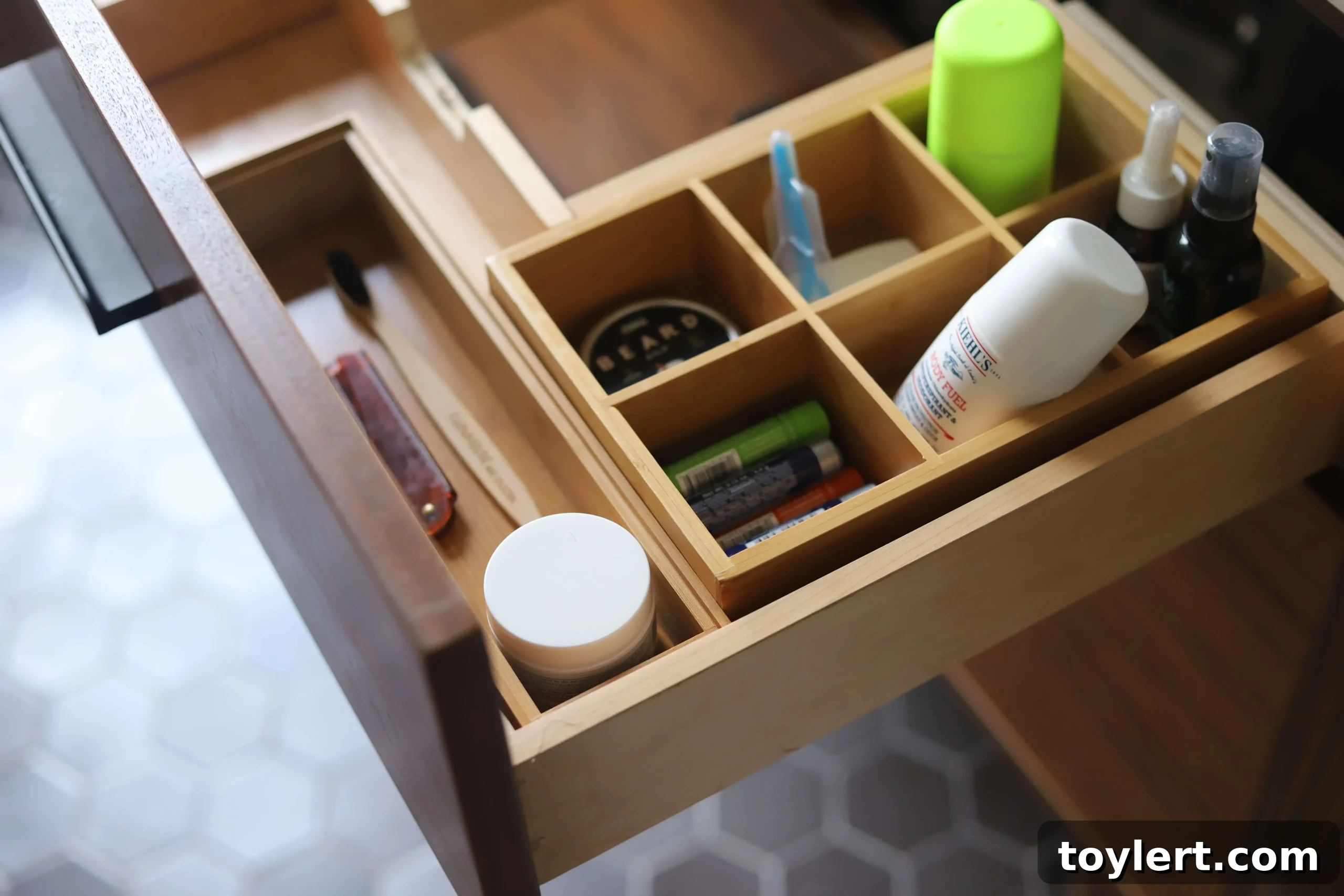
Editor’s note: Welcome to the 67th installment of Brownstone Boys Reno, a reader renovation diary about renovating a brownstone in Bed Stuy. See the first one here. They also blog at www.thebrownstoneboys.com.
Unlock Your Home’s Potential: Top 5 DIY Projects to Tackle While Staying Home
In these unprecedented times, many of us find ourselves spending more time at home than ever before. While the world outside may feel uncertain, our homes offer a sanctuary and an opportunity for productive engagement. Instead of letting this extra time pass by, we at Brownstone Boys believe it’s the perfect moment to roll up your sleeves and invest in your living space. We’ve certainly been busy tackling several DIY projects on our own list, and we’re excited to share our inspiration with you.
Whether you’re a seasoned DIY enthusiast or just looking for an accessible way to enhance your home, there are countless projects you can embark on right from your living room. The beauty of a DIY endeavor is the immediate satisfaction, the tangible improvement to your surroundings, and the sense of accomplishment it brings. Plus, with a wealth of resources available online, from tutorials to material suppliers, you can kickstart almost any project from the comfort and safety of your couch.
From simple updates that require no special tools to more involved transformations that will truly make a difference, we’ve curated our top five DIY project ideas. These projects are designed to be manageable, rewarding, and perfect for making the most of your time at home. Let’s dive in and discover how you can transform your space and boost your spirits while you #stayhome.
Our Top 5 Home Improvement DIY Projects You Can Do Now
1. Refresh a Room with a Fresh Coat of Paint
One of the most impactful and cost-effective ways to revitalize any room is with a fresh coat of paint. A new color palette can drastically alter the mood and perceived size of a space, making it feel cleaner, brighter, or more cozy. This is an excellent project for beginners, as the tools are minimal, and the techniques are straightforward to master. It’s a classic home improvement project that delivers stunning results without breaking the bank.
Why Painting is a Great Stay-at-Home Project:
- High Impact, Low Cost: Paint is relatively inexpensive compared to other renovation materials, offering a significant visual upgrade for a minimal investment.
- Immediate Gratification: You’ll see dramatic results quickly, often within a day or two, providing a great sense of accomplishment.
- Skill-Building: It’s a fundamental DIY skill that builds confidence for future projects and teaches you about preparation, application, and finishing techniques.
- Availability of Materials: Paint, brushes, rollers, and tape are easily ordered online from various home improvement stores, delivered right to your door.
How to Approach Your Painting Project:
- Choose Your Color Wisely: Consider the room’s purpose, existing decor, and natural light. Order paint swatches online to see how colors look in your space throughout the day and in different lighting conditions.
- Gather Your Supplies: You’ll need paint, primer (if changing color drastically or painting over stains), painter’s tape (for crisp lines), drop cloths or old sheets (for protection), brushes for cutting in (edges and corners), rollers with trays (for large surfaces), a stirring stick, and rags for spills.
- Prepare the Room: Remove all furniture or move it to the center and cover it completely. Remove switch plates and outlet covers. Clean the walls thoroughly to remove dust, cobwebs, and grime. Fill any holes or cracks with spackle and sand smooth once dry. Finally, tape off trim, ceilings, and any areas you don’t want painted with precision.
- Prime (If Necessary): Apply a thin, even coat of primer, especially if you’re making a drastic color change, covering dark colors, or painting over patched areas. Allow it to dry completely according to manufacturer instructions.
- Paint: Start with “cutting in” around the edges, corners, and trim using a brush. Then, use a roller for the larger wall surfaces, working in small sections and using a “W” or “M” pattern to ensure even coverage. Overlap each stroke slightly to avoid roller marks. Apply a second coat if needed, after the first has dried completely.
- Clean Up: Carefully remove painter’s tape while the paint is still slightly wet (this prevents the paint from peeling along with the tape). Clean brushes and rollers thoroughly with water or solvent, depending on the paint type.
A beautifully painted room not only looks fantastic but also creates a refreshed ambiance, making your home feel brand new and tailored to your current style.
2. Organize and Declutter a Space for Enhanced Living
Sometimes, the best home improvement project doesn’t involve buying anything new, but rather optimizing what you already have. Decluttering and organizing a specific area of your home can have profound positive effects on your daily life, reducing stress and increasing functionality. This is a zero-cost DIY project that yields immense returns, transforming chaos into calm without requiring any physical materials, just your time and effort.
Why Decluttering is a Perfect At-Home Task:
- Zero Material Cost: You already have everything you need – your hands, a discerning eye, and a few trash bags.
- Stress Reduction: A tidy space often leads to a tidier mind, reducing visual clutter and promoting mental clarity.
- Increased Functionality: Finding things becomes easier, and spaces become more enjoyable and efficient to use, saving you time and frustration.
- Mindful Living: It encourages you to evaluate your possessions, appreciate what you truly need, and make intentional choices about what you bring into your home.
Steps to a More Organized Home:
- Choose Your Target Area: Start small to avoid overwhelm. A single drawer, a cabinet, a bookshelf, or a small closet is a great beginning. Once you experience success, you can move on to larger areas.
- Empty Everything Out: Take every single item out of your chosen space. This crucial step allows you to see everything you own, clean the empty space thoroughly, and reassess each item without distraction.
- Sort into Categories: Create distinct piles: “Keep,” “Donate/Sell,” “Trash/Recycle,” and “Relocate” (items that belong elsewhere). Be honest with yourself about what you truly use, love, and need. If you haven’t used an item in a year, or if it doesn’t bring you joy, consider letting it go.
- Clean the Space: Before putting anything back, wipe down shelves, vacuum floors, and ensure the area is pristine. A clean foundation makes the organized space feel even better.
- Strategically Return Items: Only put back items from your “Keep” pile. Group similar items together. Use bins, dividers, or risers if needed (these can be bought later if you find specific needs, but start with what you have or repurpose existing containers). Place frequently used items in easily accessible spots and less-used items further back or on higher shelves.
- Maintain: Once organized, try to maintain the system by putting things back in their designated spots immediately after use. Regular mini-declutters can prevent clutter from accumulating again.
Transforming a cluttered space into an organized haven brings a surprising level of peace and efficiency to your daily routine, enhancing your entire home experience and boosting your overall well-being.
3. Build Simple Shelving or Custom Storage Solutions
Lack of storage is a common complaint in many homes, especially in older brownstones where space can be at a premium. Building simple shelving or custom storage solutions is a practical DIY project that can dramatically improve your home’s functionality and aesthetic. Whether it’s floating shelves for books and decor or a custom cubby for shoes, adding smart storage can transform an unused corner into a valuable asset, making your home more organized and efficient.
Benefits of DIY Storage Solutions:
- Maximizes Space: Utilizes vertical space and awkward nooks efficiently, turning dead space into functional storage.
- Customization: Tailor dimensions, materials, and style to perfectly fit your home’s unique layout and your specific storage needs, creating bespoke solutions.
- Enhanced Organization: Provides dedicated homes for various items, from kitchen essentials to office supplies, reducing clutter and improving accessibility.
- Skill Development: Offers a great opportunity to learn basic carpentry skills, including measuring, cutting, drilling, and finishing.
Getting Started with DIY Shelving:
- Plan and Measure: Decide precisely where you want the shelving, what you’ll store, and how much weight it needs to hold. Carefully measure the space, noting width, height, and depth. Sketch out your design, considering the number of shelves and their spacing.
- Choose Your Materials: Plywood, pine, or MDF are common and versatile choices for shelves. Consider the finish – paint for a clean, modern look; stain for natural wood beauty; or leave it natural for a rustic feel. You’ll also need sturdy brackets or cleat lumber for support.
- Gather Tools: A measuring tape, pencil, level (essential for straight shelves!), saw (a hand saw for small cuts, circular saw or miter saw for more precise and larger cuts), drill with appropriate bits, screws, sandpaper, and a stud finder (for secure wall mounting) are typically needed.
- Cut and Prepare Wood: Cut your shelves and support pieces to your planned dimensions. Sand all edges smooth to prevent splinters and ensure a professional finish. If painting or staining, do this before assembly for a cleaner, more even finish, applying multiple coats as needed.
- Install Supports: Use a stud finder to locate wall studs for the most secure mounting. Mark the height and level of your support brackets or cleats on the wall. Securely screw them into the studs. If studs aren’t available, use heavy-duty wall anchors appropriate for the weight your shelves will hold.
- Mount Shelves: Carefully place your cut shelves onto the installed supports. For added security and stability, you might screw the shelves into the brackets from underneath or use small L-brackets if the design allows.
From a basic set of floating shelves in the living room to a built-in pantry organizer, custom storage not only solves practical problems but also adds bespoke charm to your property, increasing its value and appeal while decluttering your life.
4. Cultivate an Indoor Garden or Refresh Your Greenery
Bringing the outdoors in can do wonders for your mood and your home’s air quality. Cultivating an indoor garden, propagating existing plants, or simply rearranging and refreshing your current greenery is a delightful and low-stress DIY project. It connects you with nature, even when confined indoors, and adds vibrant life, color, and texture to any room, turning your home into a more serene and healthy environment.
Why an Indoor Garden is a Revitalizing Project:
- Stress Relief: Tending to plants is a meditative and calming activity, reducing anxiety and promoting a sense of well-being.
- Improved Air Quality: Plants naturally filter toxins from the air, increasing oxygen levels and creating a healthier indoor atmosphere.
- Aesthetic Enhancement: Greenery adds color, texture, and life to your decor, instantly brightening a space and making it feel more inviting and natural.
- Creative Outlet: Experiment with different plants, pots, arrangements, and even vertical gardens, allowing for endless creative expression.
Steps to a Greener Home:
- Assess Your Space and Light: Determine which areas of your home receive adequate light – direct sun, bright indirect, or low light. Research plants that thrive in those specific conditions (e.g., succulents for sunny windowsills, Pothos for dimmer corners).
- Choose Your Plants: For beginners, consider easy-care options like Snake Plants, Pothos, ZZ Plants, Spider Plants, or peace lilies. You can order plants, seeds, and gardening kits online from nurseries and specialized retailers.
- Gather Supplies: You’ll need pots with drainage holes (essential to prevent root rot), potting soil suitable for indoor plants, a small trowel or scoop, a watering can, and possibly plant food for ongoing nourishment.
- Potting/Repotting: Fill pots with a layer of soil, create a small hole, gently place the plant (loosen roots if pot-bound), and backfill with soil, pressing lightly around the base. If repotting an existing plant, choose a pot that’s only slightly larger than the previous one to avoid overwatering issues.
- Arrangement and Care: Arrange your plants to create visually appealing vignettes – grouping plants of different heights and textures can be very effective. Learn about each plant’s specific watering, light, humidity, and feeding needs. Wipe leaves occasionally to keep them clean and healthy.
- Propagate (Optional): Many common houseplants can be propagated from stem or leaf cuttings placed in water or soil, offering a free and fun way to expand your collection or share with friends and family.
An indoor oasis not only brings natural beauty but also fosters a sense of tranquility and connection to the living world, turning your home into a vibrant, breathable sanctuary that supports your well-being.
5. Upcycle or Refinish Old Furniture for a Custom Look
Before you discard that old chest of drawers, outdated side table, or vintage chair, consider its potential for a stunning transformation. Upcycling or refinishing old furniture is an incredibly rewarding DIY project that gives new life to forgotten pieces, reducing waste and allowing you to create truly custom items that perfectly match your decor. It’s a sustainable and creative way to furnish your home with unique, character-filled pieces.
Why Refinishing Furniture is a Rewarding Project:
- Sustainability: Reduces landfill waste and gives old items a second chance, promoting an eco-friendly approach to home decor.
- Cost-Effective: Often significantly cheaper than buying new furniture, especially solid wood pieces that can be transformed for a fraction of the cost of a new item.
- Unique Customization: Create one-of-a-kind pieces that reflect your personal style and fit your home’s aesthetic perfectly, something mass-produced furniture can’t offer.
- Skill Enhancement: Learn valuable skills in sanding, painting, staining, sealing, and hardware installation, which are transferable to other DIY projects.
How to Refinish a Piece of Furniture:
- Select Your Piece: Look for sturdy, solid wood furniture. Thrift stores, garage sales, flea markets, or even your own attic are great sources. Avoid pieces with extensive structural damage unless you’re prepared for complex repairs.
- Clean and Disassemble: Thoroughly clean the piece with a degreaser to remove dirt, grime, and oils. Remove all hardware (knobs, pulls, hinges) and any detachable parts like drawers or shelves. Label hardware if you plan to reuse it.
- Prepare the Surface:
- Sanding: For a full refinish down to bare wood, start with a coarser grit sandpaper (e.g., 80-100 grit) to remove the old finish, then progressively move to finer grits (150-220 grit) for a smooth surface. For painting, a light “scuff-sand” with 180-220 grit sandpaper might be enough to create adhesion, or you might opt for a liquid deglosser.
- Repairs: Fill any dents, scratches, or minor imperfections with wood filler. Once dry, sand the patched areas smooth and flush with the surrounding wood.
- Paint or Stain:
- Painting: Apply a primer (especially if the wood is dark or has knots) to ensure good adhesion and prevent bleed-through. Then, apply two or more thin, even coats of furniture paint using a good quality brush or foam roller for a smooth, streak-free finish. Lightly sand between coats for extra smoothness.
- Staining: Apply wood stain evenly with a clean cloth or foam brush, wiping off excess according to the product instructions. Apply multiple coats to achieve your desired depth of color and richness. Always test stain on an inconspicuous area first.
- Seal and Protect: Once the paint or stain is completely dry, apply a protective topcoat (e.g., polyurethane, wax, or clear lacquer). This step is crucial for durability, protecting your hard work from daily wear and tear. Apply thin, even coats, sanding lightly with very fine grit sandpaper between coats if desired for a super smooth finish.
- Reassemble and Accessorize: Reattach original hardware, or install new, stylish pulls and knobs for an instant update that complements your new finish. Place drawers and shelves back into position.
Transforming an old, tired piece into a focal point of your home is a testament to the power of DIY, adding character, a unique story, and significant personalized appeal to your living environment.
General Tips for Successful DIY Projects
Embarking on any DIY project, whether small or large, can be incredibly rewarding. To ensure your projects are as successful and enjoyable as possible, keep these general tips in mind:
- Safety First: Always read product instructions thoroughly. Wear appropriate safety gear, including gloves, eye protection, and a mask, especially when sanding or working with chemicals. Ensure proper ventilation in your workspace.
- Start Small: Don’t try to tackle an entire kitchen remodel as your very first project. Begin with something manageable, like painting a single wall or organizing a drawer, to build confidence and hone your skills.
- Research and Plan: Before you begin, watch tutorials, read detailed guides, and make a comprehensive plan. Know what tools and materials you’ll need, and anticipate potential challenges. A well-planned project is a successful one.
- Patience is Key: DIY projects can sometimes take longer than expected, or you might encounter unexpected challenges. Embrace the process, don’t rush, and allow yourself extra time. Rushing often leads to mistakes.
- Don’t Be Afraid to Ask for Help: Online communities, forums, and local hardware store experts are great resources for advice, troubleshooting, and inspiration. There’s a vast network of DIY enthusiasts willing to share their knowledge.
- Enjoy the Process: Remember, the goal is not just the finished product, but also the joy of creation, the satisfaction of learning new skills, and the pride of doing it yourself. Celebrate your small victories along the way!
Embrace Your Inner Home Improvement Hero
As the Brownstone Boys, we firmly believe that your home is your canvas, and there’s no better time than now to express your creativity and enhance your living space. These five DIY projects are just a starting point, offering a blend of easy wins and more involved undertakings to suit every skill level and interest. From the transformative power of a fresh coat of paint to the calming presence of an indoor garden, and the functional beauty of custom storage, each project contributes to a more beautiful, functional, and personal home environment.
So, why not turn this period of staying home into an opportunity for growth, creativity, and home improvement? Gather your inspiration, order those materials (or simply clear out that cluttered drawer!), and embark on a rewarding journey of DIY. Your home, and your sense of accomplishment, will thank you. We encourage you to share your own #stayhome DIY triumphs with us and the community – let’s inspire each other to keep busy and keep building! You might be surprised at what incredible transformations you can achieve right within the comfort of your own Brownstone, or any home you cherish.