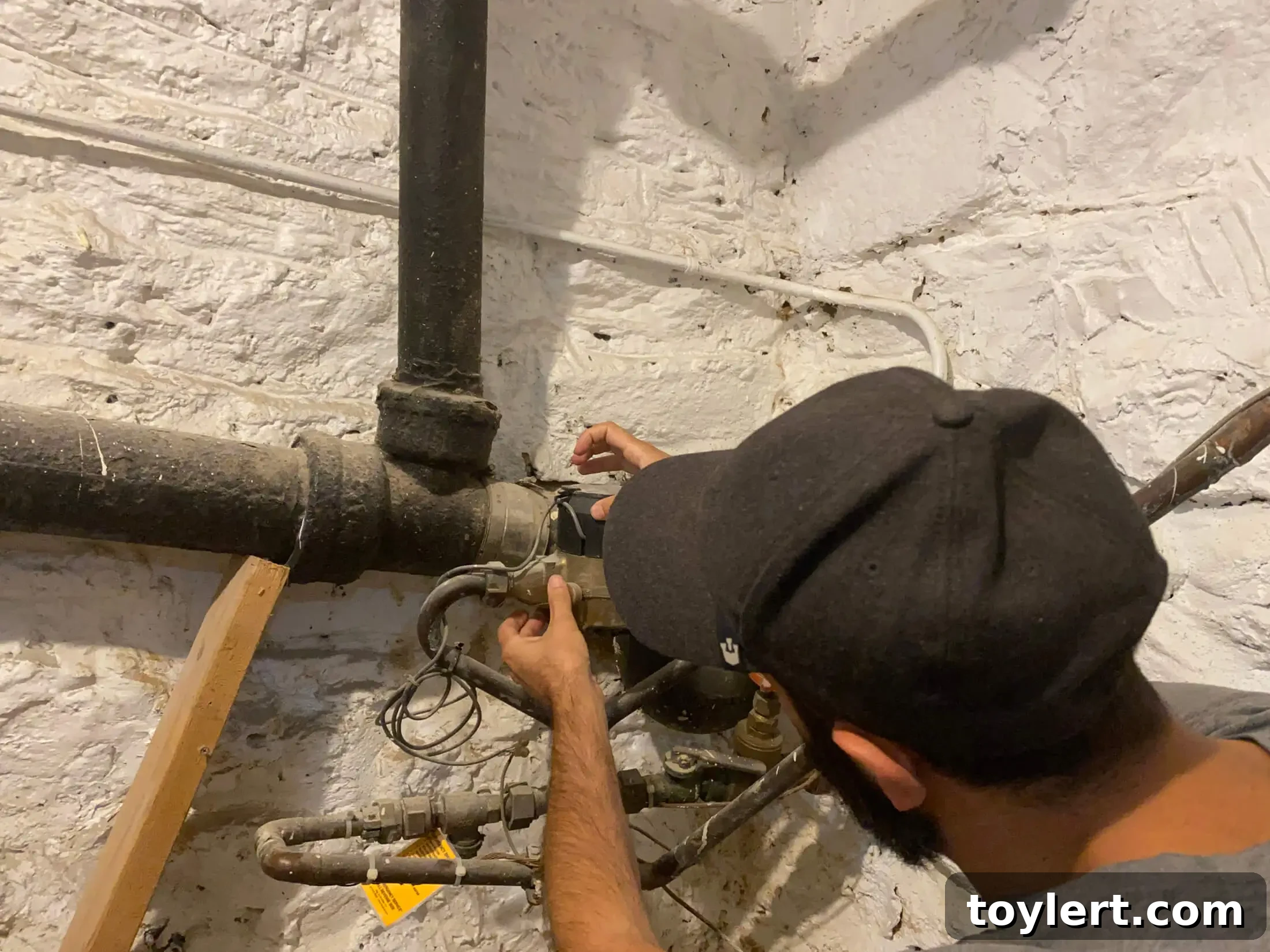
Editor’s note: Welcome to the 81st installment of Brownstone Boys Reno, a reader renovation diary about renovating a brownstone in Bed Stuy. See the first one here. They also blog at www.thebrownstoneboys.com.
Ensuring Water Safety: The Critical Decision of Replacing a Lead Water Main in Your Brownstone Renovation
Embarking on a brownstone renovation in vibrant neighborhoods like Bed Stuy is an exciting journey, often filled with discoveries both charming and challenging. Among the most critical aspects of modernizing an older home is a thorough assessment of its plumbing system. For many homeowners, a full plumbing overhaul is not just an upgrade, but a necessity, especially when relocating kitchens and bathrooms or when faced with the inevitable deterioration of aged pipes. However, one specific concern often overshadows all others: the potential presence of a lead water main. This hidden threat can have significant implications for your family’s health and the long-term value of your property, making the decision to replace it one of the most important you’ll face during your renovation.
Why Plumbing Replacement is Essential in Older Homes
Homes built before the mid-20th century, particularly historic brownstones, frequently house plumbing systems that are well past their prime. Original pipes, often made of galvanized steel or even lead, are prone to corrosion, leaks, and reduced water pressure. As these systems age, they can develop pinhole leaks, blockages from mineral buildup, and compromise the overall efficiency and safety of your home’s water supply. Beyond mere functionality, the material composition of these pipes poses a more insidious risk. For decades, lead was a common material in plumbing due to its durability and malleability. This widespread use, however, created a legacy of potential lead exposure that modern homeowners must now address.
Replacing deteriorating internal pipes is a relatively straightforward decision. If you’re undertaking a significant renovation that involves reconfiguring layouts, such as moving a kitchen or adding a bathroom, it’s almost always more cost-effective and less disruptive to replace all existing pipes with modern, safe alternatives like copper or PEX. This proactive approach ensures your new fixtures and appliances receive clean, unimpeded water flow and drastically reduces the risk of future plumbing emergencies. Yet, even with all internal pipes replaced, a critical connection remains: the water main that delivers water from the municipal supply into your home. This is where the lead dilemma truly begins.
The Hidden Threat: Understanding Lead Water Mains and Their Health Risks
Lead pipes were the standard for water service lines in many cities across North America until the mid-20th century. Their use gradually declined but wasn’t fully phased out until the 1980s. Even after lead pipes were banned, lead solder continued to be used to join copper pipes until 1986, creating another potential point of contamination. The primary concern with lead water mains and plumbing is the release of lead particles into drinking water, particularly when pipes corrode or water chemistry changes. Lead exposure, even at low levels, can have serious health consequences, especially for infants, young children, and pregnant women. It can lead to developmental problems, learning disabilities, behavioral issues, and in adults, kidney problems and high blood pressure.
Unlike other contaminants, lead in water is often undetectable by taste, smell, or sight. This makes identifying and addressing its presence a critical priority for any homeowner, particularly those renovating older properties. While the city’s water treatment facilities work diligently to provide clean water, the journey from the main utility line to your tap can be compromised by old infrastructure. The segment of the water main owned by the homeowner, typically from the property line to the house, is the responsibility of the brownstone owner. If this segment is lead, it acts as a continuous source of potential contamination, even if all your internal plumbing is brand new and lead-free. This creates a significant quandary for renovators: is the significant investment in replacing the lead water main truly worth it?
How Do You Know if Your Water Main Is Lead?
Identifying whether your water main is made of lead is the crucial first step. It’s not always obvious, as the pipe is often buried or coated with corrosion. However, there are several methods you can employ:
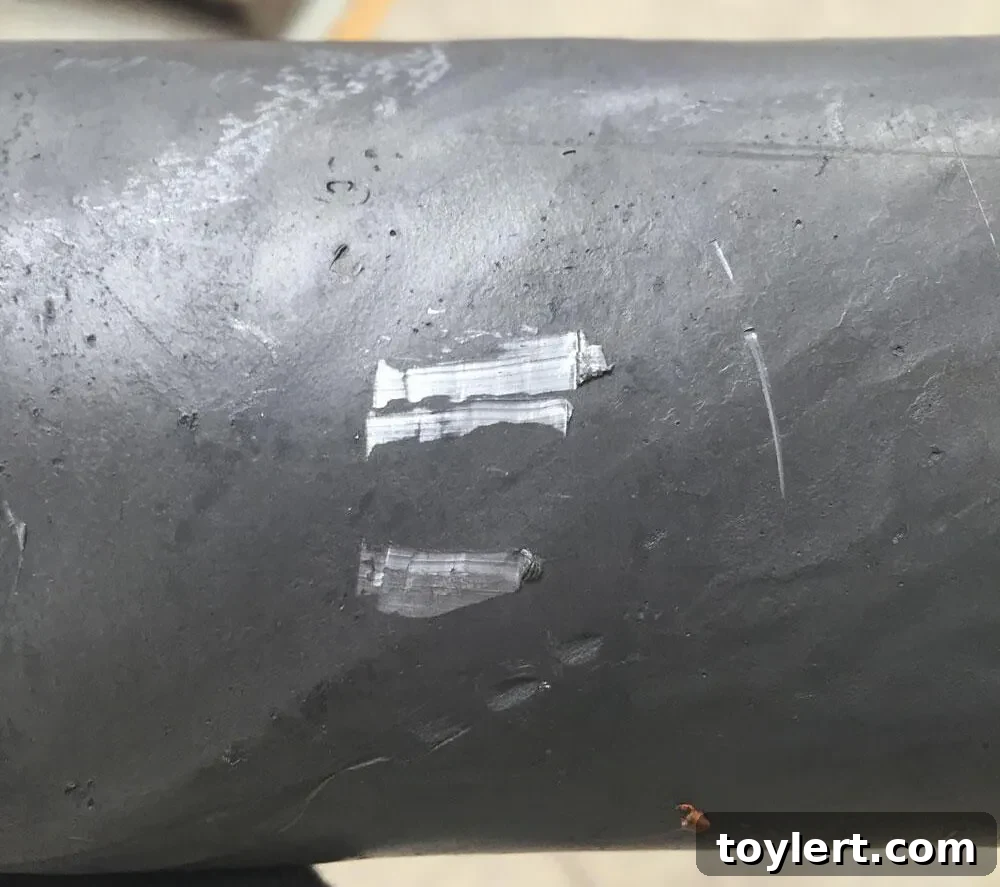
- Visual Inspection: The most common place to check is where the water service line enters your home, typically in your basement or utility area, near the water meter. Lead pipes are usually a dull gray color. When scraped gently with a coin or key, they will reveal a shiny, silver-gray metallic surface. They are also soft and easily dented. Copper pipes, by contrast, are reddish-brown (or green if corroded) and hard. Galvanized steel pipes are typically dull gray but are hard and may have threaded connections.
- Magnet Test: Lead pipes are not magnetic. If a magnet sticks to the pipe, it’s likely steel or iron, not lead.
- Tap Test: Gently tap the pipe with a metal object. Lead pipes produce a dull thud, while copper pipes make a metallic ring.
- Joints: Look at the joints. Lead pipes often have large, rounded solder joints, whereas copper pipes have smaller, tighter connections.
- Consult City Records: Many municipal water departments maintain records of service line materials, particularly in older neighborhoods. Contacting your local water authority can sometimes provide valuable information about the material of the water main leading to your property.
- Professional Plumber: The most reliable method is to hire a licensed plumber. They have the expertise to accurately identify pipe materials, especially if the pipes are heavily corroded or difficult to access. They can also advise on the condition of the pipe and the best course of action.
- Water Testing: Regardless of your pipe material, it’s always wise to test your home’s water for lead. This will confirm whether lead is present in your tap water and at what levels, providing a clear indication of potential risk. Many municipalities offer free or low-cost lead testing kits.
The Renovation Dilemma: To Replace or Not to Replace the Lead Water Main?
Once you’ve identified a lead water main, the fundamental question arises: is it worth the cost and trouble of replacing it? This is a complex decision, weighing immediate financial investment against long-term health benefits and property value. The cost of replacing a lead water main can be substantial, often ranging from several thousand to tens of thousands of dollars, depending on factors like the length of the line, excavation challenges, and local labor rates in areas like Brooklyn.
However, the health implications of lead exposure are undeniable. For families, especially those with young children or planning to start one, ensuring lead-free water is a paramount concern. From a resale perspective, a home with a documented lead-free water main can be a significant selling point, offering peace of mind to potential buyers and potentially increasing property value. Moreover, many cities are now implementing programs to encourage or even mandate lead service line replacement, which could mean facing the cost sooner or later. Ignoring the issue is not a viable option, as regulatory pressures and public awareness continue to grow.
Consider the complete picture of your renovation. If you’re already investing heavily in modernizing your brownstone, replacing the lead water main can be seen as a foundational upgrade that secures the health and integrity of your entire water system. It’s often more efficient to undertake this work while other disruptive renovation activities are already underway. The peace of mind that comes from knowing your family is safe from lead contamination is, for many, an invaluable return on investment.
The Replacement Process: What to Expect
Replacing a lead water main is a significant undertaking that requires careful planning and execution. Here’s a general overview of what you can expect:
- Permitting and Approvals: You’ll need permits from your local municipality and water authority. This ensures the work complies with all local codes and regulations, especially regarding excavation and connection to the city’s main line.
- Professional Assessment: A licensed plumber will assess the specific conditions of your property, including the length of the service line, the type of soil, and the location of other utilities.
- Excavation: This is often the most disruptive part. The old lead pipe needs to be removed or bypassed. There are generally two methods:
- Open Cut: This involves digging a trench from your property line to your home, which can be disruptive to landscaping and driveways.
- Trenchless (Pipe Bursting or Directional Drilling): Less invasive methods that involve digging only small access pits. A new pipe is pulled through the path of the old pipe or alongside it, minimizing disruption to your yard. This method is often more expensive but can save on landscaping restoration costs.
- New Pipe Installation: The new water main will typically be made of copper or PEX (cross-linked polyethylene), both of which are durable, corrosion-resistant, and approved for drinking water.
- Connection to City Main: The new service line will be carefully connected to the municipal water main at the street, a process usually overseen by city water department personnel to ensure proper sealing and minimal disruption to the public water supply.
- Restoration: Once the new pipe is in place, the excavated areas will be backfilled, and any disturbed landscaping or hardscaping will be restored.
- Flushing and Testing: After installation, the new system will be thoroughly flushed, and it’s advisable to conduct a follow-up water test to confirm lead levels are within safe parameters.
The entire process can take anywhere from a few days to a week, depending on the complexity of the job and weather conditions. Communication with your plumber and understanding each step is key to a smooth replacement.
Costs Associated with Lead Water Main Replacement
The expense of replacing a lead water main is often a primary concern for homeowners. Several factors influence the total cost:
- Length of the Service Line: Longer lines require more material and more extensive excavation.
- Excavation Method: Trenchless methods are generally more expensive upfront than open-cut trenching, but they can save on subsequent landscaping repair costs.
- Location and Soil Conditions: Urban areas like Brooklyn can have higher labor costs and more complex excavation due to dense infrastructure. Rocky soil or difficult terrain can also increase costs.
- Permit Fees: Local government and utility permits add to the overall expense.
- Material Costs: Copper is typically more expensive than PEX, though both are excellent choices.
- City Main Connection Fees: Some municipalities charge fees for connecting to the public water supply.
- Labor Costs: The expertise of licensed plumbers and excavation teams constitutes a significant portion of the cost.
While the initial outlay can be substantial, consider the long-term benefits: improved water quality, enhanced property value, and eliminating a significant health risk. Some cities offer incentive programs, grants, or low-interest loans to help homeowners with the cost of lead service line replacement. It’s worth researching what options are available in your area to offset this important investment.
Beyond Replacement: Interim Solutions and Prevention
If immediate replacement of your lead water main is not feasible due to budget or timing, there are interim measures you can take to reduce lead exposure:
- Use Cold Water for Drinking and Cooking: Lead dissolves more easily into hot water. Always use cold water from the tap for consumption and heating, and then heat it on the stove or in a kettle.
- Flush Your Taps: If water has been sitting in your pipes for several hours (e.g., overnight or while you’re at work), flush your cold water tap for 1-2 minutes before using it for drinking or cooking. This clears out water that may have absorbed lead from the pipes.
- Install Water Filters: Certified point-of-use filters (for specific faucets) or whole-house filtration systems can effectively remove lead from your drinking water. Ensure any filter you purchase is certified to remove lead by organizations like NSF International.
- Regular Water Testing: Continue to test your water regularly to monitor lead levels and assess the effectiveness of any interim measures.
- Clean Aerators: Regularly clean faucet aerators to remove any accumulated lead particles or sediment.
These measures are temporary solutions and do not eliminate the source of the problem. They serve as important precautions until a permanent solution, such as lead water main replacement, can be implemented.
Making an Informed Decision for Your Home and Health
Ultimately, the decision to replace a lead water main in your brownstone is a deeply personal one, driven by a balance of health concerns, financial realities, and long-term vision for your home. However, given the undeniable health risks associated with lead exposure, prioritizing its removal is almost always the recommended course of action. When undergoing a major renovation, integrating this crucial upgrade into your project plan can be more efficient and less disruptive than tackling it as a separate future endeavor.
Consult with experienced professionals, including plumbers specializing in older homes and lead service line replacements, and leverage city resources to gather all the necessary information. Armed with knowledge about the presence of lead, its potential impact, and the processes involved in remediation, you can make the most informed decision for the safety, health, and future value of your beloved brownstone in Bed Stuy. Ensuring clean, safe drinking water is not just a renovation choice; it’s an investment in your family’s well-being and the enduring legacy of your home.