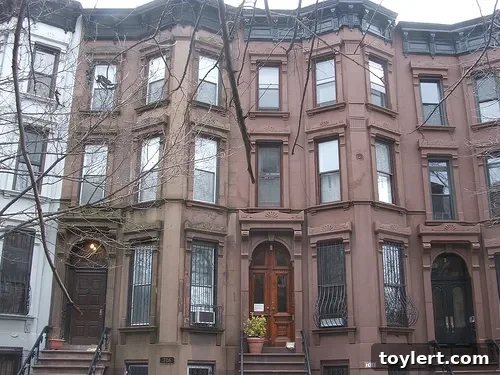
Brooklyn’s Unstoppable Rise: Rents and Home Prices Soar in a Booming Market
Brooklyn, long admired for its unique character and vibrant neighborhoods, firmly established its formidable identity in the real estate world in 2012. Far from being a mere alternative to Manhattan, the borough’s most sought-after areas began to command prices that not only rivaled but often surpassed those in some of Manhattan’s established districts. This unprecedented surge across both rental and sales markets signaled a profound shift, transforming Brooklyn into a premier destination for residents, businesses, and investors alike. Reports from leading real estate firms at the time painted a vivid picture of a borough in the midst of a spectacular boom, fueled by escalating demand, attractive amenities, and an undeniable urban charm that captivated a growing population.
The Rental Market Redefined: Brooklyn Outpaces Manhattan Hotspots
The year 2012 marked a pivotal moment for Brooklyn’s rental market, as the borough definitively shed its reputation as a merely more affordable alternative to Manhattan. According to MSN’s comprehensive report on Brooklyn rental prices, a surprising and significant trend emerged: key Brooklyn hotspots, notably Dumbo and Williamsburg, began to command rents that were not just competitive, but actually more expensive than some well-known areas in Manhattan. This included districts such as the bustling Financial District, portions of the Upper East Side (specifically east of Third Avenue), and historic Harlem, a phenomenon widely reported by outlets like DNAinfo, which highlighted the intriguing dynamic of Brooklyn rents being so high they were compelling some residents to consider Manhattan.
This market shift wasn’t merely incremental; it underscored Brooklyn’s growing desirability as a standalone residential hub, rich in culture, amenities, and community spirit. In Williamsburg, a neighborhood synonymous with artistic innovation, vibrant nightlife, and a thriving culinary scene, the average rental prices in 2012 reached significant heights. Studios commanded an average of $2,701, one-bedroom apartments averaged $3,133, and spacious two-bedroom units soared to an average of $4,002. These figures clearly indicated the intense demand for living spaces in one of Brooklyn’s most sought-after locales. The appeal of Williamsburg extended beyond its renowned cultural scene, drawing residents with its picturesque waterfront parks, a burgeoning tech industry presence, and excellent transportation links that offered convenient access to Manhattan.
Dumbo, or “Down Under the Manhattan Bridge Overpass,” presented an even more striking illustration of Brooklyn’s premium pricing in the rental sector. Known for its charming cobblestone streets, architecturally stunning converted loft buildings, and breathtaking views of the Manhattan skyline and the East River, Dumbo’s rental market reflected its luxury status. Here, average rents for a studio were $2,853, a one-bedroom apartment fetched $3,712, and two-bedroom residences were renting for an impressive $4,985. The neighborhood’s exquisite blend of historic industrial architecture, high-end retail boutiques, gourmet dining options, and direct transit access to Manhattan made it an unparalleled choice for those seeking an elevated urban living experience. The fact that these distinctive Brooklyn neighborhoods were surpassing parts of Manhattan in rental costs signaled a profound maturation of Brooklyn’s brand, positioning it as a distinct, highly valuable, and fiercely competitive real estate market in its own right.
The Booming Sales Market: Condos and Townhouses Reach New Heights Across Brooklyn
Beyond the dynamic rental market, the sales landscape for condos and townhouses in Brooklyn, particularly in areas proximal to Manhattan, showcased an equally robust and highly competitive performance. According to a detailed analysis by Brown Harris Stevens, the general trend indicated substantial price increases, ranging approximately from 6 percent to 11 percent per square foot across various property types. This consistent growth highlighted strong investor confidence, sustained buyer interest, and an enduring demand for homeownership in this rapidly gentrifying borough.
Neighborhood Spotlights: Unpacking Significant Price Increases
Delving into specific neighborhoods, the reports offered granular insights into Brooklyn’s diverse and flourishing housing market, revealing distinct patterns of appreciation:
- Northwest Brooklyn’s Elite Enclaves: In the highly coveted cluster comprising Brooklyn Heights, Carroll Gardens, Cobble Hill, Columbia Street Waterfront, Dumbo, and Red Hook, condo prices averaged an impressive $829 per square foot in the second half of 2012. This represented a significant 10 percent increase compared to the previous year. These neighborhoods, universally celebrated for their pristine historic brownstones, direct waterfront access, charming tree-lined streets, and close proximity to cultural institutions and vibrant parks, consistently attracted affluent buyers seeking premium living experiences. The irresistible combination of architectural beauty, a strong sense of community, and strategic location drove these high valuations.
- Cultural Hubs on the Rise: Further south, the dynamic and increasingly popular neighborhoods of Boerum Hill, Clinton Hill, and Fort Greene also demonstrated compelling growth. Here, the average condo price per square foot was $619, marking an impressive 11 percent rise year-over-year. These areas, known for their vibrant arts scenes, diverse populations, stunning historic architecture, and lush green spaces like Fort Greene Park, offered a slightly more accessible entry point into Brooklyn’s booming market while still providing excellent value appreciation and a high quality of life. Their rich cultural amenities and strong community ties made them increasingly attractive to a broad range of buyers.
- Park Slope and Prospect Heights: The Family Favorites Thrive: The median price of apartments in the beloved, family-friendly neighborhoods of Park Slope and Prospect Heights surged to $650,000, an remarkable 18 percent increase year over year. This substantial jump was primarily attributed to a growing number of high-end sales within newly developed properties, which introduced modern luxury living options into these traditionally brownstone-dominated areas. Park Slope and Prospect Heights have long been celebrated for their picturesque streets, top-rated schools, and immediate access to the expansive Prospect Park, making them prime choices for families and those seeking a more serene yet thoroughly connected urban lifestyle.
- Greenpoint and Williamsburg: The Continued Evolution: Not to be outdone, Greenpoint and Williamsburg experienced a solid 6 percent increase in average condo price per square foot, reaching $728 in just one year. These areas, once predominantly industrial but now synonymous with trendsetting culture, innovative dining, and independent businesses, offered a compelling mix of converted lofts and sleek new luxury developments. Their unique blend of historic industrial charm, thriving independent businesses, and unparalleled waterfront views ensured their continued appeal to a younger, dynamic demographic looking for a vibrant and active community.
Market Dynamics: Robust Growth Amidst Scarcity
A broader perspective on the fourth quarter of 2012, provided by Douglas Elliman’s comprehensive market snapshot, echoed these trends of escalating prices and intensified demand. The median sales price across Brooklyn saw a robust 12.8 percent increase, settling at $512,500, while the average sales price climbed an even more impressive 15.9 percent to $613,650. These figures unequivocally demonstrated a robust appreciation in property values across the borough, signaling a highly confident and buoyant market. You can explore the detailed report here.
However, an important nuance emerged from Douglas Elliman’s data: the number of sales actually declined by 7.3 percent, totaling 1,445 transactions. This decrease in transaction volume, juxtaposed with significantly rising prices, pointed towards a critical market condition: low inventory. While buyer demand remained exceptionally high and fervent, the supply of available properties simply couldn’t keep pace, driving prices upwards and creating an intensely competitive environment for prospective buyers. This scenario, common in rapidly appreciating markets, suggests that the true potential for sales might have been even higher had there been a more ample supply of homes on the market to meet the overwhelming demand.
Corcoran’s analysis further illuminated the strong performance of townhouses, segmenting them separately from condos and co-ops to highlight their unique market dynamics. The number of townhouse sales surged by an impressive 17 percent in the fourth quarter of 2012 compared to the previous year, with the average sale price exceeding $600,000. This indicated a strong resurgence in demand for these iconic Brooklyn residences, cherished for their historic charm, generous spaciousness, and often private outdoor spaces. For single-family townhouses, the boom was even more pronounced and truly exceptional: sales volume tripled in the fourth quarter compared to the same period in 2011, and the average sale price astonishingly surpassed $1.9 million. This staggering figure underscored the premium placed on private, multi-story living in Brooklyn’s most desirable areas, often representing significant long-term investments for buyers seeking substantial returns and an unparalleled urban lifestyle.
Brooklyn’s Commercial Market: A Parallel Boom Fueling Growth
The residential real estate surge in Brooklyn wasn’t an isolated phenomenon; it was intrinsically mirrored and powerfully supported by a parallel boom in the commercial property sector. A fifth report, this one from TerraCRG, clearly demonstrated that commercial property sales in Brooklyn experienced significant increases in both volume and dollar value throughout 2012. The report summary unequivocally declared, “The Brooklyn commercial real estate market boomed in 2012,” highlighting the borough’s comprehensive economic transformation.
Specifically, TerraCRG verified a staggering total of 1,621 commercial sales, with a cumulative consideration of $4.38 billion. This impressive sum represented double the dollar volume recorded in 2011 and approximately a 40 percent increase in the total number of sales. This remarkable growth in commercial transactions is intrinsically linked to the residential boom and the broader gentrification trends. As more residents flocked to Brooklyn, establishing new communities and boosting local economies with their spending power, businesses naturally followed suit, recognizing the burgeoning consumer base and lucrative investment opportunities. The influx of new residents created robust demand for retail spaces, modern office environments, and a wide array of service-oriented businesses, prompting savvy investors to acquire commercial properties. This symbiotic relationship between residential and commercial growth not only solidified Brooklyn’s position as a desirable place to live but also established it as a vibrant and increasingly important economic hub in its own right, attracting significant capital and fostering a dynamic business environment that continued to expand.
The Broader Implications: Brooklyn’s Enduring Appeal and Future Trajectory
The collective data from these reputable real estate reports paints a clear and compelling picture: 2012 was a landmark year for Brooklyn real estate, firmly solidifying its status as a highly sought-after and increasingly expensive market. The dramatic rise in both rental and sales prices, coupled with the unprecedented commercial growth, unequivocally marked Brooklyn’s emergence as a formidable rival to Manhattan in terms of urban desirability, economic vitality, and investment potential. The borough’s unique blend of historic charm, cultural vibrancy, abundant green spaces, and excellent connectivity continued to draw individuals and families from across the globe, even as prices escalated, demonstrating its deep and enduring appeal.
While the overarching trend was undeniably one of aggressive growth and significant appreciation, the underlying issue of persistently low inventory, particularly in the sales market, suggested that demand was consistently outstripping supply. This dynamic contributed significantly to the relentless upward pressure on prices, creating a seller’s market where competition was fierce. As critically noted by The Real Deal, while prices and sales figures were undeniably up, these metrics might have “masked recovery’s stall” in terms of transaction volume, hinting at a market that was exceptionally hot but perhaps constrained more by a critical lack of listings rather than any dip in genuine buyer interest. Nevertheless, the overarching narrative was one of a market in full ascent, with Brooklyn confidently asserting its place at the forefront of New York City’s complex and competitive real estate landscape.
The transformation of Brooklyn from a perceived affordable alternative to a premium destination, boasting distinct, high-value neighborhoods, represents a significant and ongoing chapter in New York City’s urban development story. This trend, firmly established in the seminal year of 2012, has continued to shape the borough’s trajectory, cementing its appeal for residents, businesses, and investors seeking a unique and compelling blend of urban dynamism, unparalleled community charm, and robust economic opportunity.