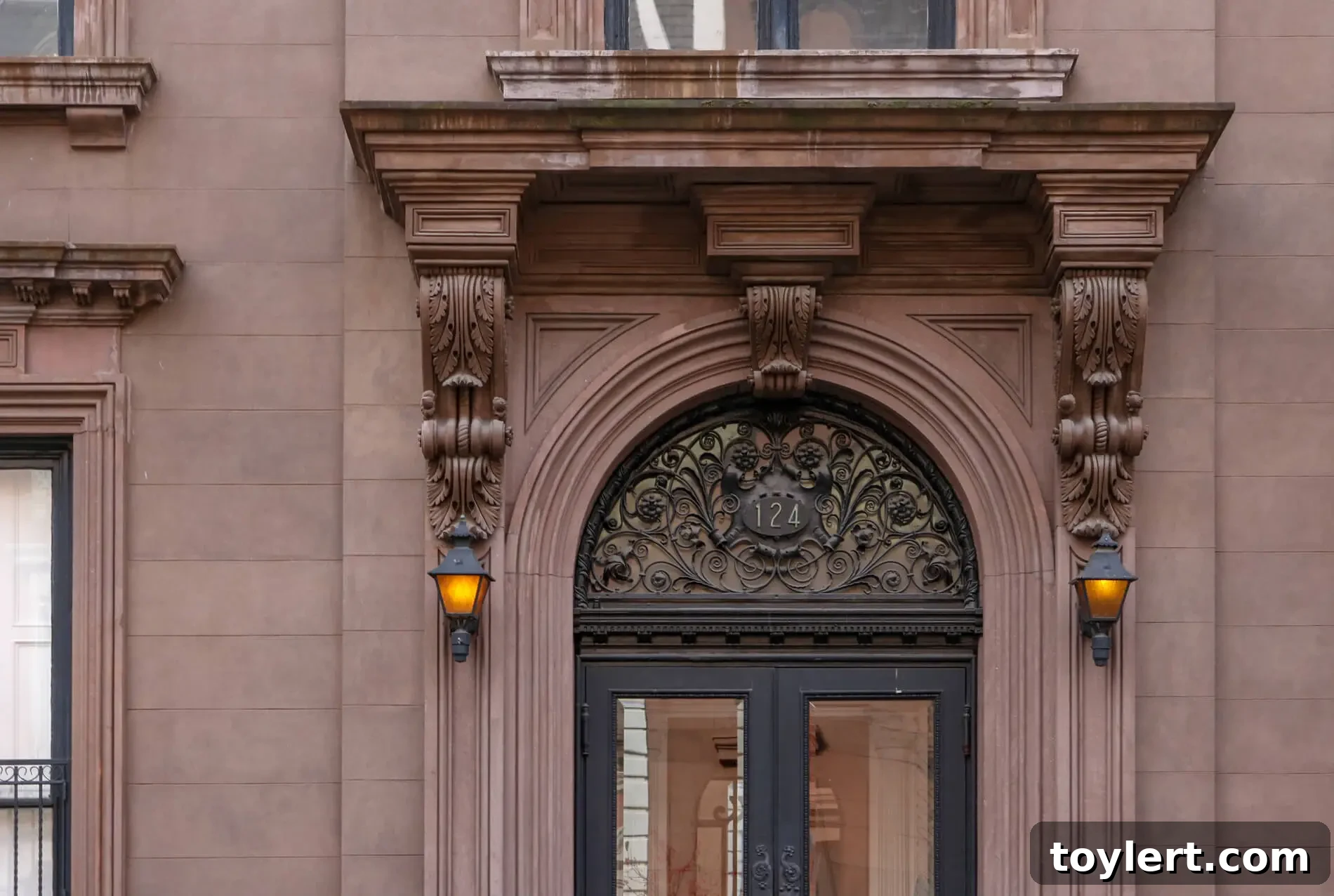
Illuminating Historic Homes: A Guide to Exterior Lighting for Brownstones and Townhouses
Stepping into a historic brownstone or townhouse means embracing a legacy of architectural grandeur. These magnificent residences, often predating the widespread adoption of electricity, present a unique challenge when it comes to selecting outdoor light fixtures. Homeowners frequently grapple with a fundamental design dilemma: should they opt for historically accurate lighting that reverently echoes the past, or embrace sleek, modern fixtures that offer a minimalist complement to a venerable facade?
This decision is rarely purely aesthetic. As interior designer Tamara Eaton wisely advises, “First, if the house is landmarked or in a landmarked area the Landmarks Preservation Commission will actually have to review the fixture and finish specification.” This critical insight highlights a key consideration for many historic property owners: external design choices are often subject to regulatory oversight aimed at preserving the architectural integrity and historical character of the neighborhood. Eaton further notes that commissions “typically like to see either traditional fixtures or very minimal fixtures if they are not too dominantly displayed,” offering a valuable guideline for those navigating the process.
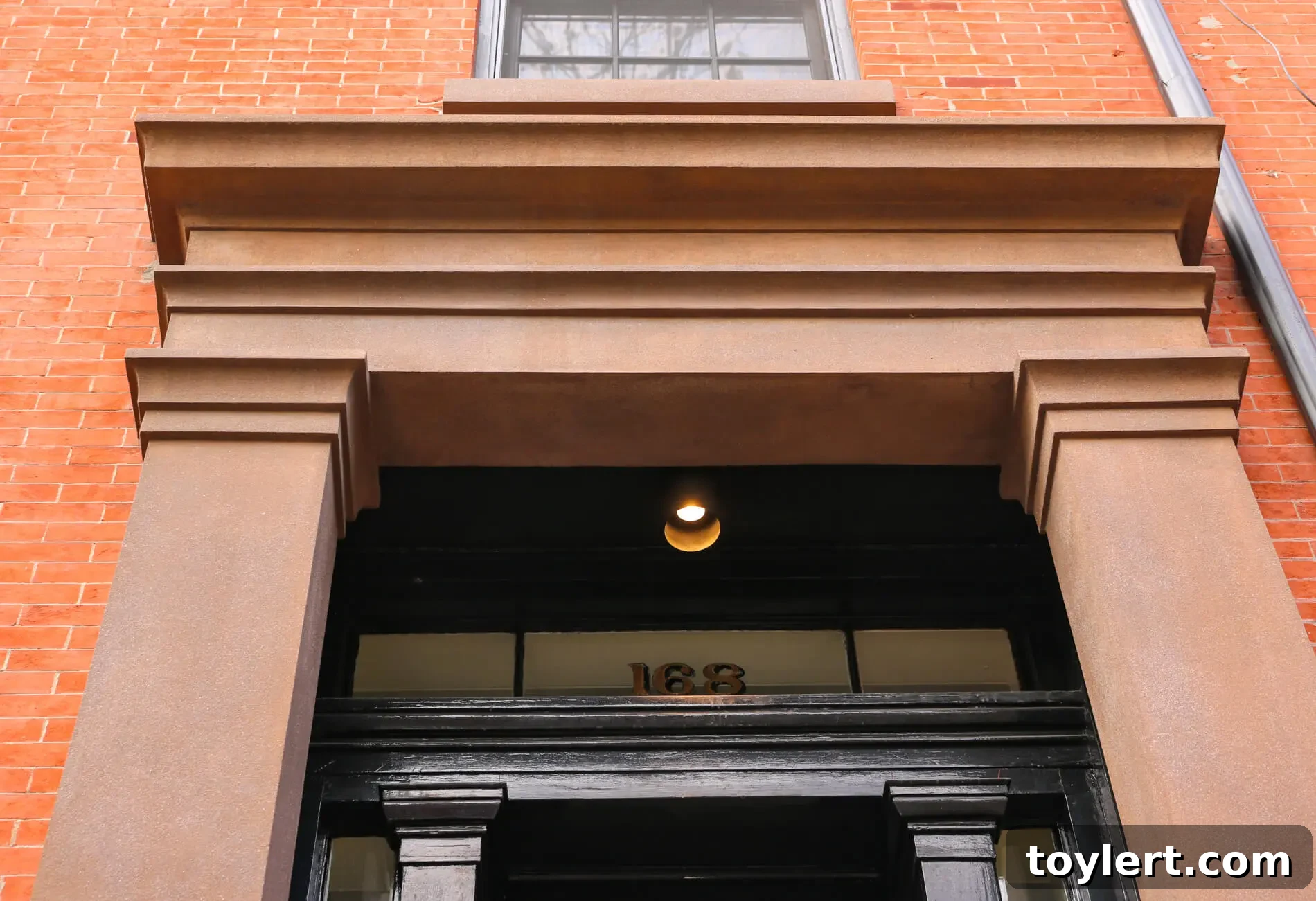
Understanding the Unique Charm of Historic Architecture
Brownstones and townhouses are more than just buildings; they are testaments to a bygone era, each brick and cornice telling a story. These homes typically feature distinctive architectural styles such as Victorian, Federalist, Gothic Revival, or Beaux-Arts, often characterized by intricate detailing, rich materials, and imposing structures, including grand 10-foot-high double doors. The exterior lighting chosen for such a property does more than just illuminate; it either enhances or detracts from its inherent beauty and historical significance. The right fixture can accentuate ornate details, highlight impressive doorways, and extend the warmth and elegance of the home to its exterior.
The Dual Role of Exterior Lighting for Historic Properties
For historic homes, exterior lighting serves a multifaceted purpose:
- Aesthetics: It dramatically impacts curb appeal, defining the home’s presence and welcoming visitors.
- Safety: Well-placed lighting illuminates pathways, steps, and entrances, preventing trips and falls.
- Security: Adequate outdoor lighting acts as a deterrent to potential intruders, enhancing the safety of residents and property.
- Architectural Enhancement: Strategic lighting can artfully highlight unique architectural features, bringing the facade to life after dusk.
Navigating Preservation Guidelines: The Landmarks Preservation Commission (LPC)
For owners of historic brownstones and townhouses, particularly those located in designated landmark districts, the journey of selecting exterior lighting often begins with understanding and adhering to the regulations set forth by local preservation commissions. The Landmarks Preservation Commission (LPC), or similar bodies, play a crucial role in safeguarding the historical and architectural heritage of these areas. Their guidelines ensure that any exterior modifications, including lighting installations, are sympathetic to the building’s original design and the character of the surrounding historic streetscape.
What the LPC Looks For in Exterior Lighting
As Tamara Eaton mentioned, the LPC generally favors two main approaches:
- Traditional Fixtures: These are lights that either faithfully reproduce designs from the period in which the house was built or are inspired by those styles. They blend seamlessly with the existing architecture, reinforcing its historical narrative.
- Very Minimal Fixtures: In cases where a traditional fixture might be overly dominant or visually interruptive, a minimalist design can be approved. These fixtures are chosen for their understated presence, allowing the architectural elements of the home to remain the primary focus, while still providing necessary illumination. The key is that they should not “dominantly display” themselves but rather provide functional light discreetly.
Tips for a Smooth Approval Process with the LPC
Engaging with preservation commissions doesn’t have to be daunting. Here are some strategies for a successful lighting selection and approval process:
- Early Consultation: Contact your local preservation commission early in your planning process. Understand their specific guidelines and requirements before making any purchases.
- Research Your Home’s History: Gather old photographs, architectural drawings, or historical documents related to your home. This can provide valuable clues about original lighting styles and inform your choices.
- Provide Detailed Specifications: When submitting for approval, include comprehensive details about the proposed fixtures, including dimensions, materials, finishes, and specific light source information. High-quality images or renderings showing the fixture in situ can be very helpful.
- Consider Scale and Placement: Present how the new fixtures will relate to the scale of your home’s facade, particularly its doorways and windows. Improperly scaled lighting can clash with a historic structure.
- Be Open to Alternatives: If your initial selection doesn’t meet approval, be prepared to consider alternative options that align with the commission’s guidelines.
Design Considerations for Exterior Lighting in Historic Contexts
Beyond regulatory compliance, the art of choosing exterior lighting for a historic home lies in thoughtful design that respects the past while meeting contemporary needs. This involves a delicate balance of aesthetics, functionality, and historical sensitivity.
Balancing Historical Accuracy with Complementary Modernity
This is the core design challenge. There are two primary philosophies:
- Embracing Historical Accuracy: This approach involves meticulously researching the period of your home’s construction and selecting fixtures that are true to that era. Look for materials like aged brass, oil-rubbed bronze, or wrought iron, and glass types such as seeded, clear, or frosted panels. Consider styles like traditional lanterns, gas-light replicas (electrified), or simple mission-style fixtures, depending on your home’s specific architectural period. The goal is to make the lighting look as if it has always been there.
- Achieving Complementary Modernity: For those who prefer a contemporary touch or where the LPC allows for minimal designs, the key is “complementary.” This means selecting modern fixtures that are clean-lined, understated, and do not compete with the ornate details of the historic facade. Minimalist sconces with subtle downlighting, or simple, geometric forms in dark, matte finishes can provide effective illumination without drawing excessive attention to themselves. The light, rather than the fixture, becomes the focal point.
Types of Exterior Fixtures for Brownstones and Townhouses
Several types of fixtures are commonly used and can be adapted for historic homes:
- Wall Sconces: These are perhaps the most common choice, flanking entryways and garage doors. For historic properties, choose sconces that are appropriately scaled for your doors and facade. Traditional lantern-style sconces work well for many architectural periods, while slender, modern options can provide discreet illumination.
- Pendant Lights and Chandeliers: If your home features a covered porch, portico, or a recessed entry, a hanging pendant or a smaller outdoor chandelier can create a dramatic and inviting focal point. Ensure these are rated for outdoor use and are proportional to the space.
- Flush Mounts and Semi-Flush Mounts: These fixtures sit close to the ceiling or wall, offering a more discreet lighting solution for areas with lower ceilings or where a less obtrusive light is desired.
- Post Lights and Pedestal Lights: For homes with front yards, garden walls, or low entry piers, post lights can define pathways and illuminate landscaping, extending the home’s aesthetic appeal beyond its immediate facade.
- Step and Pathway Lighting: Integrated into steps or along walkways, these provide essential safety lighting without visual clutter. They are often minimalist and designed to blend into their surroundings.
The Importance of Scale and Proportion
One of the most critical aspects of selecting exterior lighting is ensuring it is proportionate to your home. A fixture that is too small will appear insignificant, while one that is too large can overwhelm the facade. For grand 10-foot-high double doors, for instance, a pair of generously sized sconces or a substantial hanging lantern would be appropriate, providing a sense of grandeur and balance. Consider the overall height and width of your entryway and the blank wall space available when determining fixture dimensions.
Finish and Material: Enduring Elegance and Durability
The material and finish of your outdoor lights are vital for both aesthetics and longevity. Historic homes often feature robust materials, and their lighting should reflect this quality. Look for:
- Solid Brass or Bronze: These materials age beautifully, developing a desirable patina over time, and are highly resistant to the elements.
- Wrought Iron: Ideal for more rustic or Gothic-inspired homes, offering strength and a classic, handcrafted look.
- Copper: Similar to brass, copper develops a beautiful green patina and is incredibly durable.
- Powder-Coated Aluminum: A more modern, lightweight option that can mimic the look of traditional metals when finished in appropriate colors like black, bronze, or dark green. Ensure the coating is high quality to prevent chipping and fading.
The finish should ideally complement other existing exterior hardware, such as door handles, railings, or window frames, creating a cohesive and polished look.
Light Quality and Direction
Beyond the fixture itself, consider the quality and direction of the light it emits:
- Warm vs. Cool Light: For historic homes, a warmer color temperature (around 2700K-3000K) is generally preferred as it evokes a sense of tradition and hospitality, akin to gaslight or incandescent bulbs. Cooler temperatures (4000K+) can appear harsh or industrial.
- Glare Control: Ensure fixtures are designed to direct light downwards or in a focused beam to avoid blinding visitors or neighbors. Shielded lights are excellent for this purpose.
- Uplighting vs. Downlighting: Downlighting from sconces illuminates the immediate area and path, while discreet uplighting can be used to highlight architectural details like cornices or decorative brickwork, adding depth and drama to the facade.
Practical Tips for Selection, Installation, and Maintenance
Once you’ve considered the design principles and regulatory landscape, it’s time to move to the practicalities of bringing your vision to life.
Consulting Professionals
For complex projects or landmarked properties, consider enlisting the help of:
- Architects or Interior Designers: Especially those with experience in historic preservation, they can provide invaluable guidance on style, scale, and compliance.
- Lighting Designers: Specialists who can create a comprehensive lighting plan, optimizing for aesthetics, safety, and energy efficiency.
- Licensed Electricians: Essential for safe and compliant installation, particularly in older homes where wiring may need updating.
Embracing Energy Efficiency
Modern lighting technology allows for beautiful, period-appropriate aesthetics without sacrificing energy efficiency. LED bulbs are now available in a wide range of color temperatures and brightness levels, offering significant energy savings and a longer lifespan. Consider smart lighting systems that allow for scheduling, dimming, and remote control, adding convenience and security.
Installation Challenges in Older Homes
Historic homes can present unique installation challenges:
- Existing Wiring: Older homes may have outdated or insufficient wiring. A thorough electrical inspection is crucial.
- Facade Integrity: Drilling into historic brick or stone requires care to avoid damage. Professional installers will know how to mount fixtures securely while preserving the building’s fabric.
- Accessibility: High entrances, like those found on many brownstones, may require specialized equipment for safe installation and future maintenance.
Ongoing Maintenance
Outdoor fixtures are exposed to the elements and will require periodic cleaning and maintenance to retain their appearance and functionality. Choose materials and finishes known for their durability and ease of care. Regular inspection for corrosion, loose wiring, or bulb replacement will ensure your lighting continues to perform beautifully for years to come.
Where to Find the Perfect Lighting
Finding the ideal exterior lighting for a historic home can be an exciting treasure hunt. Here are some excellent resources:
- Specialty Lighting Stores: Many retailers specialize in period lighting reproductions and historically inspired designs. They often have knowledgeable staff who can guide you through options.
- Architectural Salvage Yards: A fantastic source for authentic vintage fixtures, though these may require restoration. Always ensure they are safe and can be rewired to modern electrical standards.
- Custom Fabricators: For a truly unique or historically precise piece, consider commissioning a custom-made fixture. This allows for exact replication or creation of a design tailored to your home.
- Online Retailers: Numerous online shops offer extensive selections, often with filters for architectural style, material, and finish, making it easier to narrow down choices. Look for reputable brands known for quality outdoor fixtures.
Conclusion: A Luminous Legacy
Selecting exterior lighting for a brownstone or townhouse is a journey that intertwines historical appreciation, thoughtful design, and practical considerations. Whether you choose to meticulously recreate a period-specific look or opt for a gracefully understated modern complement, the ultimate goal is to enhance the unique character of your home. By navigating preservation guidelines, understanding architectural context, and making informed design decisions, you can create an exterior lighting scheme that not only illuminates your home beautifully but also honors its rich history and contributes to the timeless charm of its surroundings. The right light fixture doesn’t just brighten a doorway; it enriches a legacy, welcoming all who approach with warmth and distinction.