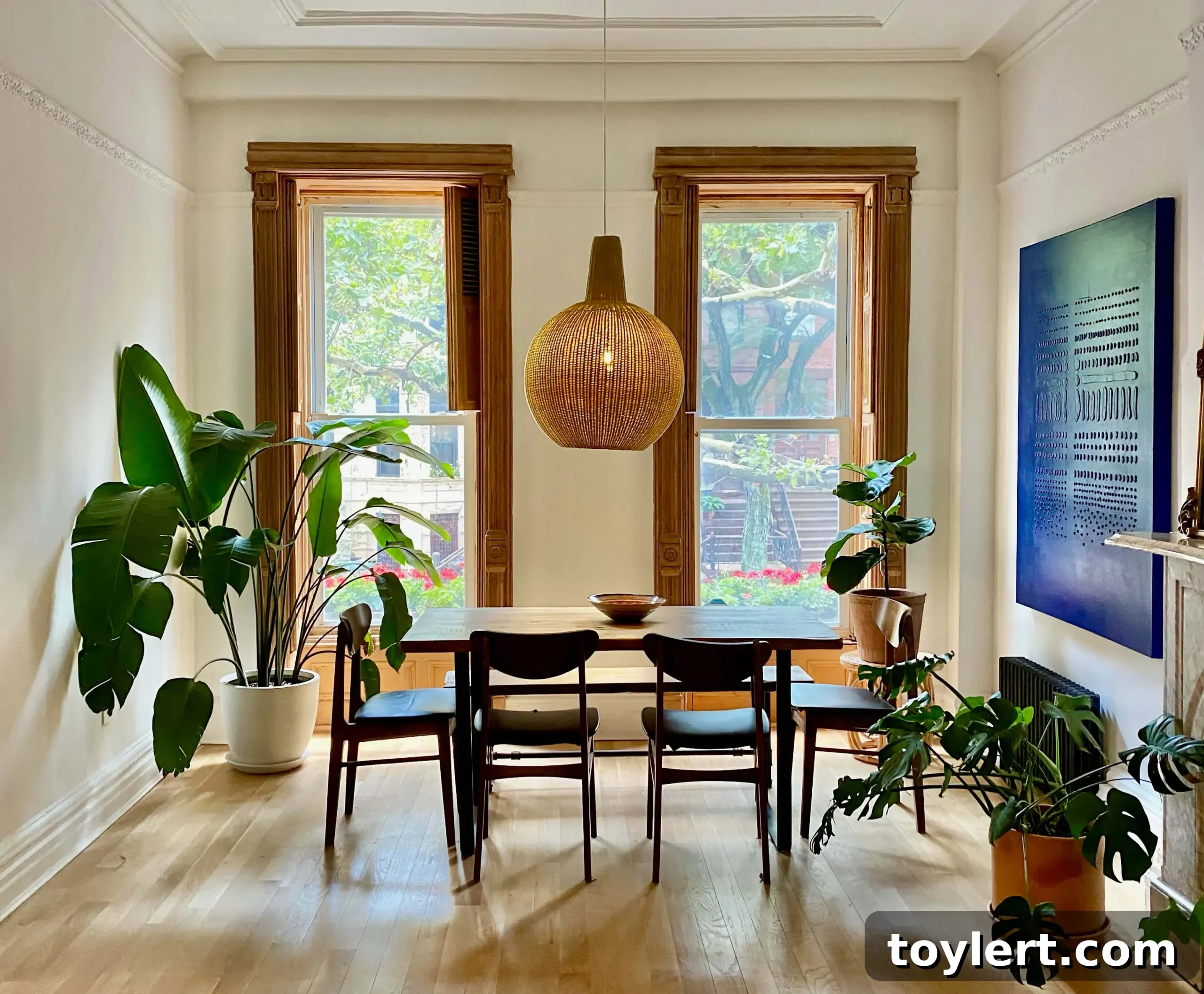
Editor’s note: Welcome to the Brownstone Boys Reno, your essential guide to navigating the exciting and often challenging world of brownstone renovation in Bed Stuy. This ongoing renovation diary chronicles our journey, offering insights and lessons learned along the way. For our previous entries, you can catch up on our first installment here. For even more renovation wisdom and behind-the-scenes content, make sure to visit our blog at www.thebrownstoneboys.com.
For any homeowner, especially those dedicated to preserving the charm of a historic property like a brownstone, windows are far more than mere panes of glass. They are the eyes of your home, integral to its architectural integrity, energy efficiency, and overall comfort. Whether your brownstone boasts its original, perhaps aging, window frames or has suffered the indignity of cheap, poorly installed modern replacements as ours did, the time will inevitably come when you face a critical decision: to replace them entirely or embark on a meticulous restoration journey. This isn’t a task undertaken lightly or frequently; for most, it’s a once-in-a-lifetime project. Given the rarity and complexity, we’ve put together a comprehensive guide to help demystify the process of replacing or restoring windows, ensuring you make informed decisions that enhance your home for decades to come.
Where Do You Start: The Initial Assessment
Before you even think about materials or contractors, the very first step in any window project is a thorough assessment of your existing windows. This means examining their current condition, identifying their type, and understanding their historical significance. Are they original to the brownstone’s construction, likely dating back over a century? Or are they poorly fitted, mass-produced units that detract from your home’s aesthetic and efficiency? Look for signs of rot, drafts, cracked panes, or frames that no longer operate smoothly. This initial diagnostic phase will significantly inform your path forward, helping you determine if restoration is a viable, desirable option or if full replacement is the only sensible choice.
The Great Debate: Window Restoration vs. Replacement
This is often the most agonizing decision for brownstone owners. Both restoration and replacement have distinct advantages and disadvantages, and the best choice depends on a multitude of factors, including the condition of your existing windows, your budget, your commitment to historical accuracy, and your desired level of energy efficiency.
Window Restoration: Preserving History and Character
Restoring original windows involves repairing and refurbishing the existing frames, sashes, and glass. This often includes stripping old paint, repairing rotten wood, replacing broken glass with historically appropriate materials, re-glazing, and upgrading weatherstripping. For brownstone owners, restoration offers an unparalleled opportunity to maintain the authentic character and architectural integrity of their home. Original windows, often crafted from old-growth wood, are incredibly durable and can last for generations when properly maintained. With modern techniques, restored windows can achieve surprising levels of energy efficiency, sometimes even rivaling new, lower-quality replacements, especially when combined with good storm windows.
- Pros of Restoration: Maintains historical authenticity, preserves original materials, often more environmentally friendly, can be very cost-effective for moderately damaged windows, superior craftsmanship of old-growth wood.
- Cons of Restoration: Can be labor-intensive and costly for severely damaged windows, finding skilled craftsmen can be challenging, may not achieve the same U-factor ratings as high-performance new windows without additional measures.
Window Replacement: Modern Performance and Aesthetics
Replacing windows means removing the old units entirely and installing new ones. This path is often chosen when existing windows are beyond repair, are severely lacking in thermal performance, or if a significant aesthetic upgrade is desired. Modern replacement windows come in a vast array of materials, styles, and performance levels, offering substantial improvements in energy efficiency, soundproofing, and reduced maintenance. However, it’s crucial to select replacements that complement your brownstone’s architectural style, rather than detracting from its historic charm.
- Pros of Replacement: Significant improvement in energy efficiency and sound insulation, reduced maintenance, wide range of material and style options, quick installation compared to restoration, often comes with warranties.
- Cons of Replacement: Risk of losing historical authenticity if not chosen carefully, can be a higher upfront cost than minor restoration, disposal of old windows can be a concern, quality varies widely.
Exploring Window Materials: A Comprehensive Overview
Once you’ve decided on replacement, or if you’re restoring and considering what materials were originally used, understanding the different types of window materials available is paramount. Each material offers a unique balance of cost, durability, aesthetics, and performance.
Wood Windows: Timeless Elegance and Superior Insulation
Often considered the gold standard for historic homes, wood windows offer unmatched aesthetic appeal and excellent natural insulation properties. They can be painted or stained to match any décor and are highly customizable. For brownstones, historically accurate wood windows are often the preferred choice to maintain the original look and feel. They are excellent insulators, which helps with energy efficiency, and they have a beautiful, warm feel. While they require more maintenance than other materials, modern finishes and treatments have extended their lifespan and reduced upkeep.
Vinyl Windows: Budget-Friendly and Low Maintenance
Vinyl windows are a popular choice for their affordability, energy efficiency, and low maintenance. Made from PVC, they come in various colors and styles and don’t require painting or staining. However, their aesthetic may not always align with the classic look of a brownstone, and they can sometimes look bulky, obscuring more glass area. The quality of vinyl can vary significantly, impacting longevity and structural integrity over time. While cost-effective, they might not be the ideal choice for a historically sensitive renovation unless specifically designed to mimic historic profiles.
Aluminum Windows: Sleek Design, Modern Appeal
Aluminum windows are known for their strength, durability, and sleek, narrow frames, which allow for larger glass areas and more natural light. They are low maintenance and resistant to rust and corrosion. Historically, aluminum windows have been less thermally efficient than wood or vinyl due to their high conductivity. However, advancements in thermal breaks have significantly improved their energy performance. They tend to be a more modern aesthetic choice, sometimes suited for contemporary updates within historic shells, but rarely for strict historical replication.
Fiberglass Windows: Strength, Stability, and Efficiency
Fiberglass windows are an increasingly popular option, praised for their exceptional strength, durability, and thermal performance. Made from glass fibers and resin, they are incredibly stable, resisting warping, expanding, and contracting with temperature changes. This makes them highly energy-efficient and long-lasting. Fiberglass can be painted, offering design flexibility, and often comes with a thinner profile than vinyl, making it a good compromise for those seeking modern performance with a more traditional look. They are often more expensive than vinyl but offer a superior return on investment due to their longevity and efficiency.
Clad Wood Windows: The Best of Both Worlds
Clad wood windows feature a wood interior for traditional aesthetics and an exterior covered (clad) in a low-maintenance material like aluminum or fiberglass. This option offers the beauty and warmth of wood indoors without the need for exterior painting or extensive upkeep. It’s a popular choice for homeowners who want the look of wood but desire minimal exterior maintenance, especially in multi-story brownstones where exterior access can be challenging.
Key Considerations for Your Window Project
Beyond the choice between restoration and replacement, and the material selection, several other critical factors will influence the success and satisfaction of your window project.
Energy Efficiency: Long-Term Savings and Comfort
Upgrading your windows offers one of the most significant opportunities to improve your home’s energy efficiency. Look for windows with low U-factors (which measure heat loss) and high R-values (which measure thermal resistance). Features like low-emissivity (Low-E) coatings, argon or krypton gas fills between panes, and multiple glazing (double or triple panes) can dramatically reduce heat transfer, keeping your brownstone warmer in winter and cooler in summer. This translates directly into lower utility bills and a more comfortable living environment.
Architectural Style and Historical Accuracy
For a brownstone, maintaining architectural integrity is paramount. Whether restoring or replacing, ensure your windows align with the historical period and style of your home. This includes details like sash profiles, muntin patterns (the grids that divide the glass), hardware, and the way the windows operate (e.g., double-hung, casement). A mismatch can severely devalue a historic property’s aesthetic appeal.
Budget: Balancing Cost with Value
Window projects can be a significant investment. Establish a realistic budget that accounts for materials, labor, and any unforeseen issues. While it’s tempting to choose the cheapest option, remember that windows are a long-term investment. Higher quality windows may have a greater upfront cost but offer superior durability, energy efficiency, and aesthetic value, providing a better return on investment over time. Consider both the initial outlay and the potential long-term savings on energy bills and maintenance.
Building Codes and Historic District Regulations
Especially in areas like Bed Stuy, which boasts numerous historic districts, you must be aware of local building codes and, more importantly, any regulations imposed by historic preservation commissions. These bodies often have strict guidelines regarding window materials, styles, and even the type of glass that can be used. Failing to comply can lead to costly delays or fines. Always check with your local authorities before beginning any work.
Soundproofing: Creating an Urban Oasis
Living in a bustling urban environment like Brooklyn, soundproofing is often a critical consideration. Modern windows, particularly those with double or triple panes and specific glass types, can significantly reduce exterior noise, creating a quieter, more peaceful interior. If noise reduction is a priority, inquire about windows with higher Sound Transmission Class (STC) ratings.
The Window Project Process: From Planning to Installation
Undertaking a window renovation is a multi-step process that requires careful planning and execution.
- Detailed Assessment and Decision: As mentioned, this is where you decide between restoration and replacement, evaluating your existing windows’ condition and your home’s specific needs.
- Research and Selection: Dive deep into material options, energy ratings, and styles. Gather samples, visit showrooms, and discuss options with experts.
- Permits and Approvals: Crucial for brownstone owners. Apply for all necessary permits and get approvals from historic review boards if applicable. This step can take time, so plan accordingly.
- Finding the Right Professional: Whether for restoration or replacement, choose contractors with proven experience in historic homes and a deep understanding of period-appropriate craftsmanship. Ask for references and view their previous work. A specialist in brownstone renovations is invaluable.
- Accurate Measurements: Precision is key. A professional installer will take extremely accurate measurements to ensure a perfect fit, which is vital for both aesthetics and energy efficiency.
- Preparation: The area around the windows will need to be prepared. This might involve protecting floors and furniture, and clearing the workspace.
- Installation: The old windows are carefully removed, and the new or restored units are installed, shimmed, and sealed to ensure airtightness and proper operation. This step includes sealing against moisture and drafts.
- Finishing Touches: After installation, the interior and exterior trim will be completed, and any necessary painting or staining will be done. This is where the aesthetic appeal truly comes to life.
- Inspection: A final walk-through with your contractor to ensure everything meets your expectations and all windows operate correctly.
DIY vs. Professional Installation
While some minor repairs or weatherstripping can be tackled by a competent DIYer, a full window replacement or extensive restoration in a brownstone is almost always best left to professionals. The complexities of ensuring structural integrity, historical accuracy, weatherproofing, and proper sealing require specialized skills and tools. Investing in professional installation protects your investment and ensures the longevity and performance of your new or restored windows.
Maintaining Your New or Restored Windows
Once your project is complete, regular maintenance will ensure your windows remain beautiful and functional for years to come. This includes routine cleaning of glass and frames, checking weatherstripping for wear, ensuring drainage holes are clear, and reapplying protective finishes to wood windows as needed. Prompt attention to minor issues can prevent them from becoming major, costly repairs.
Embarking on a window renovation project for your brownstone is a significant undertaking, but one that offers immense rewards. By carefully considering your options, choosing the right materials, and partnering with experienced professionals, you can transform your home, enhancing its beauty, comfort, and energy efficiency while preserving its timeless character. We hope this guide helps you navigate your own window journey with confidence and clarity.