Brooklyn’s Dynamic Real Estate Scene: From Celebrity Listings to Neighborhood Transformations
Brooklyn, a borough synonymous with vibrant culture, historic architecture, and a perpetually evolving identity, continues to capt captivate residents and investors alike. Its real estate market is a fascinating microcosm of broader urban trends, marked by celebrity home sales, ambitious development projects, and the poignant closure of beloved local establishments. This intricate dance of preservation and progress shapes the very fabric of its diverse neighborhoods, offering a compelling narrative of change and continuity. From the tree-lined streets of Ditmas Park to the bustling avenues of Clinton Hill and the community-rich enclaves of Bay Ridge, Brooklyn’s property landscape is always telling a story, reflecting the borough’s unique character and its relentless march into the future. It’s a place where every brick and every corner holds a piece of history, yet is constantly being reinterpreted for a new generation.
The allure of Brooklyn is undeniable, drawing artists, families, and entrepreneurs seeking a blend of urban sophistication and distinct community charm. This high demand, coupled with its historical significance and modern amenities, fuels a real estate market that often breaks headlines. Whether it’s a meticulously preserved Victorian home, a sprawling industrial loft converted into luxury residences, or a cherished local bakery making way for new ventures, the stories embedded within Brooklyn’s properties offer deep insights into the economic, social, and cultural shifts occurring across the borough. These changes, while sometimes bittersweet, contribute to Brooklyn’s reputation as a dynamic hub that seamlessly blends its storied past with an exciting, forward-looking vision.
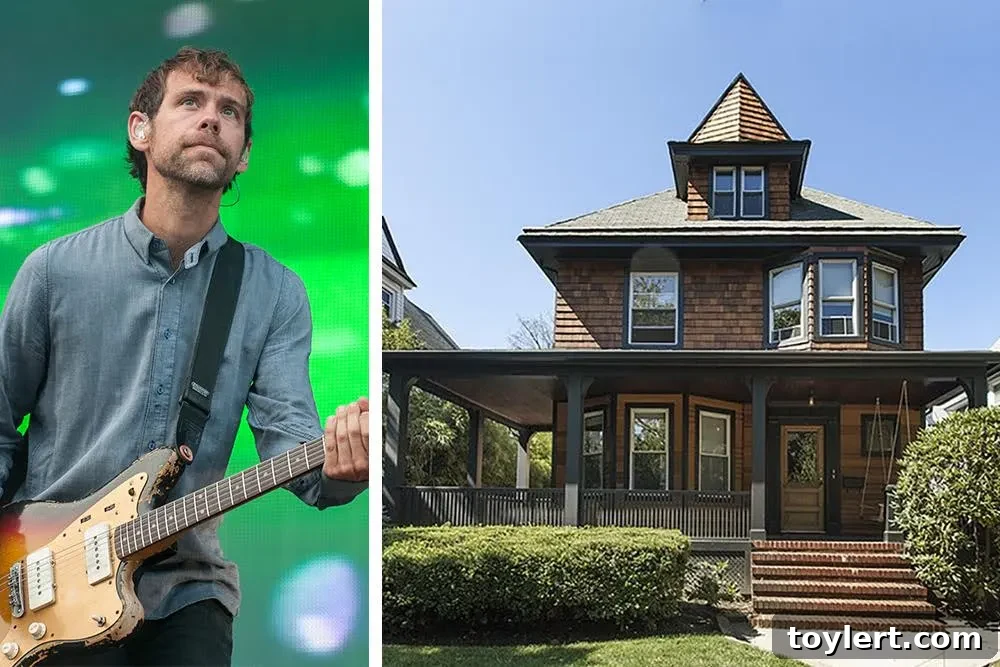
Aaron Dessner of The National Lists Historic Ditmas Park Home for $2.35 Million
The National’s renowned guitarist and prolific producer, Aaron Dessner, made headlines when he placed his charming Ditmas Park residence on the market with an asking price of $2.35 million. Located at 236 Stratford Road, this distinctive shingle-style house is more than just a home; it’s a piece of Brooklyn’s artistic legacy, having served as a personal sanctuary and creative hub for one of independent music’s most influential figures. Dessner, celebrated for his work with The National, as well as his collaborations with artists like Taylor Swift and Bon Iver, is deeply entrenched in the indie music scene, and his home reflects a blend of historic charm and modern creative functionality.
Ditmas Park itself is a jewel in Brooklyn’s crown, famous for its magnificent Victorian and Edwardian homes, wide, tree-lined streets, and a strong sense of community that feels surprisingly suburban within the bustling city. It’s an architectural marvel, offering a stark contrast to the brownstone-lined blocks typically associated with Brooklyn. The neighborhood attracts residents who appreciate its unique character, spacious properties, and vibrant local scene, featuring independent shops, cafes, and restaurants. For musicians and creatives like Dessner, Ditmas Park offers a rare blend of tranquility and accessibility, making it an ideal place to live and work away from the city’s relentless pace yet still within easy reach of its cultural centers.
The house at 236 Stratford Road perfectly embodies the charm and practicality that defines Ditmas Park living. Beyond its picturesque exterior, complete with a classic porch swing inviting peaceful contemplation, the property boasts a two-car garage—a coveted amenity in New York City. However, perhaps its most compelling feature, especially given the seller’s profession, is the meticulously designed recording studio nestled within its walls. This dedicated creative space undoubtedly played a role in the genesis of countless musical ideas and perhaps even the recording of some of the iconic sounds associated with The National or Dessner’s other projects. This feature alone adds an invaluable layer of appeal for potential buyers, particularly those with artistic inclinations or a desire for a truly unique home office setup.
The decision to sell a home of such character and creative significance often marks a new chapter, both for the seller and for the property itself. Dessner’s listing underscores the continued desirability of Ditmas Park, where properties frequently command premium prices due to their architectural beauty, generous layouts, and a neighborhood ambiance that is increasingly rare in urban environments. The sale of this particular home not only reflects the evolving personal journey of a celebrated musician but also highlights the enduring appeal and robust market for distinctive, well-appointed residences in one of Brooklyn’s most beloved historic districts. It offers a unique opportunity for a new owner to inhabit a space rich with history and creative energy, contributing to the ongoing narrative of Ditmas Park as a haven for discerning urban dwellers.
Clinton Hill’s Transformation: “Wreck” at 109 Gates Avenue Sells for $2.9 Million, Slated for Luxury Apartments
In another significant development shaking up Brooklyn’s real estate landscape, one of Clinton Hill’s most prominent and long-standing eyesores—a landmarked but severely dilapidated corner property at 109 Gates Avenue—has finally been sold. The anonymous buyer secured the property at auction for a staggering $2.9 million, outbidding Sterling Town Equities, whose bid reportedly stood at $2.1 million. This sale marks a pivotal moment for a building that has stood as a stark reminder of neglect amidst an otherwise rapidly gentrifying and historically rich neighborhood. The property is now slated for a complete overhaul, with plans to transform it into luxury apartments, a move that perfectly encapsulates Clinton Hill’s ongoing evolution.
Clinton Hill is a neighborhood renowned for its stunning tree-lined streets, magnificent brownstones, and a vibrant cultural tapestry. It boasts a rich history, once home to prominent families and architectural masterpieces, many of which are now meticulously preserved. However, like many historic districts in Brooklyn, it has also experienced the intense pressures of development and gentrification. Properties that were once considered rundown are now goldmines for developers looking to capitalize on the neighborhood’s charm, proximity to Manhattan, and burgeoning amenities. The transformation of 109 Gates Avenue is a prime example of this trend, where even the most challenging properties are seen as opportunities for high-end residential development.
The building’s previous state, characterized by decay and disrepair despite its landmarked status, had long been a point of concern and frustration for local residents. Landmarking is intended to protect historically significant structures, but it can also complicate renovations, sometimes leading to prolonged periods of neglect when owners struggle with the regulations or financial burdens of restoration. The sale and planned redevelopment of 109 Gates Avenue signify a turning point, promising to restore the building to its former glory while adapting it for modern urban living. The decision to create luxury apartments reflects the current market demand for premium housing in well-established Brooklyn neighborhoods, catering to a new demographic seeking sophisticated living spaces within a historic context.
The auction’s competitive nature and the final sale price underscore the intense investor confidence in Clinton Hill’s future. When a property fetches nearly $3 million in an auction despite its “wreck” status, it speaks volumes about the perceived value and potential for returns in the area. While the transformation into luxury apartments will undoubtedly bring new residents and further elevate property values, it also sparks conversations among long-time residents about the changing character of their beloved neighborhood. As one Brownstoner reader from the area noted, these developments are closely watched by the community, reflecting a keen interest in how new projects will integrate with Clinton Hill’s unique heritage and local dynamic. The balance between preserving history and embracing contemporary development remains a central theme in Brooklyn’s ongoing narrative, and 109 Gates Avenue stands as a fresh testament to this delicate interplay.
The Evolving Flavor of Bay Ridge: Robicelli’s Bakery and the Shifting Landscape of Local Businesses
Beyond the high-stakes real estate transactions and celebrity home listings, Brooklyn’s neighborhoods are also defined by the everyday rhythm of local businesses—establishments that serve as community anchors and repositories of collective memories. The news of Robicelli’s Bakery closing its Bay Ridge storefront serves as a poignant reminder of the challenges faced by independent businesses in a rapidly changing urban environment. While specific details of the closure were succinct, the impact of a beloved local bakery ceasing operations resonates deeply within its community, highlighting broader trends affecting small businesses across the borough.
Bay Ridge, unlike some of Brooklyn’s more trend-driven neighborhoods, maintains a distinctive, family-friendly atmosphere with a strong sense of local pride. It’s known for its diverse population, independent shops, and a more suburban feel, making local businesses like Robicelli’s particularly integral to its community fabric. Robicelli’s Bakery, run by Allison and Matt Robicelli, had carved out a unique niche, earning a reputation for its innovative cupcakes, desserts, and a vibrant social media presence that endeared them to a loyal customer base. Their closure represented more than just a business shutting down; it symbolized the loss of a local institution that contributed significantly to Bay Ridge’s culinary identity and community spirit.
The decision for a successful and well-regarded establishment like Robicelli’s to close its retail shop often stems from a complex mix of factors. These can include rising commercial rents, increasing operational costs, the competitive pressure from larger chains, or a strategic shift in business models. In Robicelli’s case, the move was reportedly towards focusing on wholesale operations and expanding their brand nationally, a common pivot for many small businesses seeking sustainable growth beyond the confines of a single brick-and-mortar location. This strategic evolution, while commercially sound for the business owners, invariably leaves a void in the local community that is difficult to fill, altering the everyday experiences of residents who relied on and cherished these neighborhood gems.
The story of Robicelli’s is reflective of a wider trend observed across Brooklyn: the struggle for small, independent businesses to thrive amidst rapid development and gentrification. As property values soar, so too do the costs of commercial leases, often forcing cherished local establishments to either adapt drastically, relocate, or close their doors permanently. This ongoing shift reshapes the character of neighborhoods like Bay Ridge, where the loss of unique, owner-operated shops can erode the very distinctiveness that makes the area appealing. It underscores the delicate balance between urban progress and preserving the local charm and community bonds that make Brooklyn such a desirable place to live, work, and connect. The evolving culinary and retail landscape continues to be a crucial part of Brooklyn’s narrative, mirroring the broader changes in its residential and commercial real estate markets.
Brooklyn’s Enduring Allure: A Landscape of Constant Change and Opportunity
From the high-profile sale of a musician’s creative sanctuary in Ditmas Park to the long-awaited revitalization of a landmarked property in Clinton Hill, and the bittersweet closure of a beloved bakery in Bay Ridge, Brooklyn’s real estate and business landscape is a testament to its perpetual state of flux. These seemingly disparate events are deeply interconnected, forming a comprehensive mosaic of a borough that continuously reinvents itself while striving to honor its rich heritage. The stories of these properties and businesses reflect the intricate dynamics of supply and demand, the impact of cultural figures, and the enduring spirit of communities grappling with the pressures and opportunities of urban growth.
Brooklyn remains a beacon for those seeking a vibrant urban experience, characterized by its diverse communities, architectural beauty, and an unparalleled energy. However, this appeal comes with its own set of challenges, particularly for affordability and the preservation of its unique character. The ongoing narrative of Brooklyn is one of constant negotiation—between old and new, local and global, preservation and progress. As property values continue to climb and development projects reshape skylines and streetscapes, the borough continues to offer a compelling case study in urban evolution.
The future of Brooklyn will undoubtedly see further transformations, yet its core identity—a blend of resilience, creativity, and community—will endure. The stories embedded in its real estate market are not just about transactions; they are about lives, legacies, and the continuous reimagining of what it means to live in one of the world’s most dynamic urban centers. Whether it’s a multi-million dollar luxury development or a small business making a strategic pivot, each event contributes to the ongoing, captivating story of Brooklyn’s enduring allure and its ever-changing face.