The Enduring Debate: A New Greek Revival Townhouse in Historic Brooklyn Heights
In the vibrant tapestry of Brooklyn’s architectural landscape, few neighborhoods command as much respect and admiration as Brooklyn Heights. Known for its tree-lined streets, stunning waterfront views, and meticulously preserved 19th-century homes, it stands as a testament to historic urban planning. It was against this backdrop, way back in 2007 – a time when the surge of new townhouse constructions across Brooklyn was still nascent – that the Landmarks Preservation Commission (LPC) made a decision that would spark considerable discussion: the approval of plans for a brand-new Greek Revival style townhouse at the prominent intersection of State and Hicks Streets. This was not just another building permit; it was a profound statement on how new construction could, or should, integrate into an irreplaceable historic district.
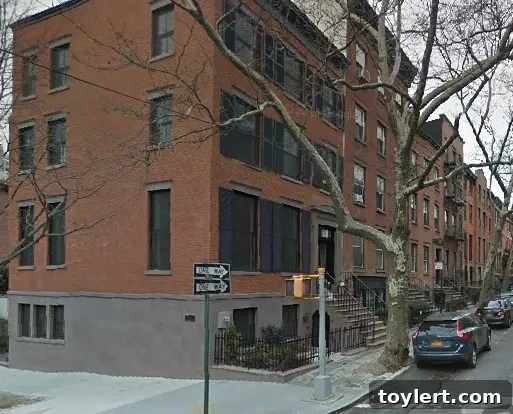
The news, first reported by local architectural and real estate blog Brownstoner, immediately ignited a passionate debate among its readership. The core of the argument revolved around a fundamental question in historic preservation: should new buildings in a landmarked area faithfully replicate historical styles – often dubbed “faux old” – or should they embrace contemporary design, making a clear distinction between the past and the present? This question continues to resonate in cities worldwide, and the 314 Hicks Street project became a pivotal case study for Brooklyn.
Brooklyn Heights: A Legacy of Architectural Grandeur
To fully grasp the significance of the 314 Hicks Street project, one must first understand the unique context of Brooklyn Heights. Designated as New York City’s first historic district in 1965, the neighborhood is a living museum of American architecture. Its streets are lined with exquisite examples of Federal, Greek Revival, Gothic Revival, Italianate, and Queen Anne style homes. This architectural harmony is not accidental; it is the result of decades of diligent preservation efforts by residents and city agencies alike. The Landmarks Preservation Commission plays a crucial role in safeguarding this heritage, meticulously reviewing any proposed alterations or new constructions to ensure they meet stringent aesthetic and historical guidelines. This deep-seated commitment to preserving its original character is precisely why any new development, especially one adopting an historic style, is subject to such intense scrutiny and public commentary.
The Allure of Greek Revival Architecture
The choice of Greek Revival for the new townhouse at 314 Hicks Street was deliberate and steeped in historical precedent. Greek Revival architecture gained immense popularity in the United States from the 1820s to the 1860s, a period coinciding with the early development of many Brooklyn neighborhoods, including parts of the Heights. Characterized by its monumental scale, symmetrical facades, heavy cornices, intricate door surrounds, and often columned porticos, it evoked ideals of democracy, purity, and classical antiquity. Many of Brooklyn Heights’ most iconic brownstones and brick homes feature elements of this dignified style. For architects and developers seeking to build new structures that seamlessly blend into such an environment, drawing inspiration from the dominant historical styles is a common approach. The goal is often to create a building that, to the casual observer, appears to have always been a part of the streetscape, respecting the rhythm and aesthetic of its neighbors.
Navigating the “Faux Old” vs. Contemporary Design Divide
The debate surrounding 314 Hicks Street perfectly encapsulated the broader philosophical divide in architectural discourse within historic districts. Proponents of the “faux old” approach argue that new constructions should honor the existing fabric of a neighborhood by adopting its prevailing architectural language. They believe that replicating historical styles ensures visual continuity, preserves the streetscape’s character, and prevents jarring anachronisms. For a neighborhood as visually cohesive as Brooklyn Heights, integrating new structures that respect its aesthetic identity is seen as paramount to maintaining its unique charm and historical integrity. This perspective often emphasizes the sensory experience of walking through a historic district, where every building contributes to a harmonious whole.
Conversely, advocates for contemporary design in historic settings contend that authenticity lies not in imitation, but in honesty of time and materials. They argue that attempting to replicate historical styles can result in pastiche – a superficial imitation that lacks the genuine craftsmanship and historical depth of original structures. From this viewpoint, a well-designed contemporary building, even one that stands in stark contrast to its neighbors, can respectfully contribute to a historic district by representing its own era, much as previous architectural styles represented theirs. They believe that true preservation involves maintaining the *spirit* of innovation and quality, rather than merely copying forms. A modern design, executed with sensitivity to scale, materials, and massing, can offer a fresh dialogue with the past without pretending to be part of it.
The Landmarks Preservation Commission’s Balancing Act
The decision by the Landmarks Preservation Commission to green-light a new “old” townhouse at 314 Hicks Street highlighted the complex role the agency plays. The LPC is tasked with the challenging mandate of protecting New York City’s architectural, historical, and cultural heritage, while also accommodating the realities of urban development and property rights. Their decisions often involve a delicate balancing act between strict preservation and adaptive integration. In cases like 314 Hicks Street, the Commission likely weighed factors such as the quality of the proposed design, its adherence to Greek Revival principles, its compatibility with adjacent buildings in terms of scale and materials, and the overall impact on the designated historic district. Approval suggests that the submitted plans were deemed to meet the rigorous standards for contextual design, demonstrating a careful consideration of historical precedents without necessarily being a slavish copy.
Impact and Legacy of 314 Hicks Street
The approval and subsequent construction of the townhouse at 314 Hicks Street served as a significant touchstone for Brooklyn’s evolving real estate and architectural landscape. It underscored a growing trend in luxury real estate: the demand for brand-new homes with modern amenities and layouts, but seamlessly integrated into historically significant neighborhoods. This project demonstrated that it was possible to build new in a deeply historic context, provided the design met the exacting standards of preservationists and local authorities. It also likely influenced subsequent developments, encouraging architects and developers to explore traditional styles when designing new structures within landmarked areas, especially when a property offered the opportunity for a significant, standalone building.
Moreover, the spirited debate it generated on platforms like Brownstoner highlighted the engaged and passionate nature of Brooklyn residents regarding their built environment. It showed that community input and public discourse are vital components of the urban planning process, shaping not just individual buildings but the very character of neighborhoods. The project at State and Hicks Streets became an emblem of this ongoing conversation, reminding everyone that while progress is inevitable, it must be mindful of the priceless heritage that defines places like Brooklyn Heights.
The Ongoing Relevance for Urban Planning and Preservation
Years after its approval, the story of 314 Hicks Street remains remarkably relevant. As urban centers continue to grow and evolve, the tension between preserving historical integrity and embracing contemporary needs persists. Cities around the world grapple with how to introduce new construction into cherished historic areas without diluting their unique character. Projects like this townhouse in Brooklyn Heights offer valuable insights: they demonstrate that thoughtful design, coupled with rigorous oversight from bodies like the LPC, can bridge the gap between past and present. They encourage a nuanced approach where innovation doesn’t necessarily mean rupture, and tradition doesn’t preclude development. Ultimately, the new Greek Revival townhouse on State and Hicks stands not just as a piece of architecture, but as a symbol of the ongoing dialogue about what it means to build, preserve, and live in a historically rich urban environment.
The discussion it sparked continues to inform contemporary architectural practices and preservation strategies in New York City and beyond, ensuring that even as our skylines change, the soul of our historic neighborhoods remains vibrant and protected for generations to come.