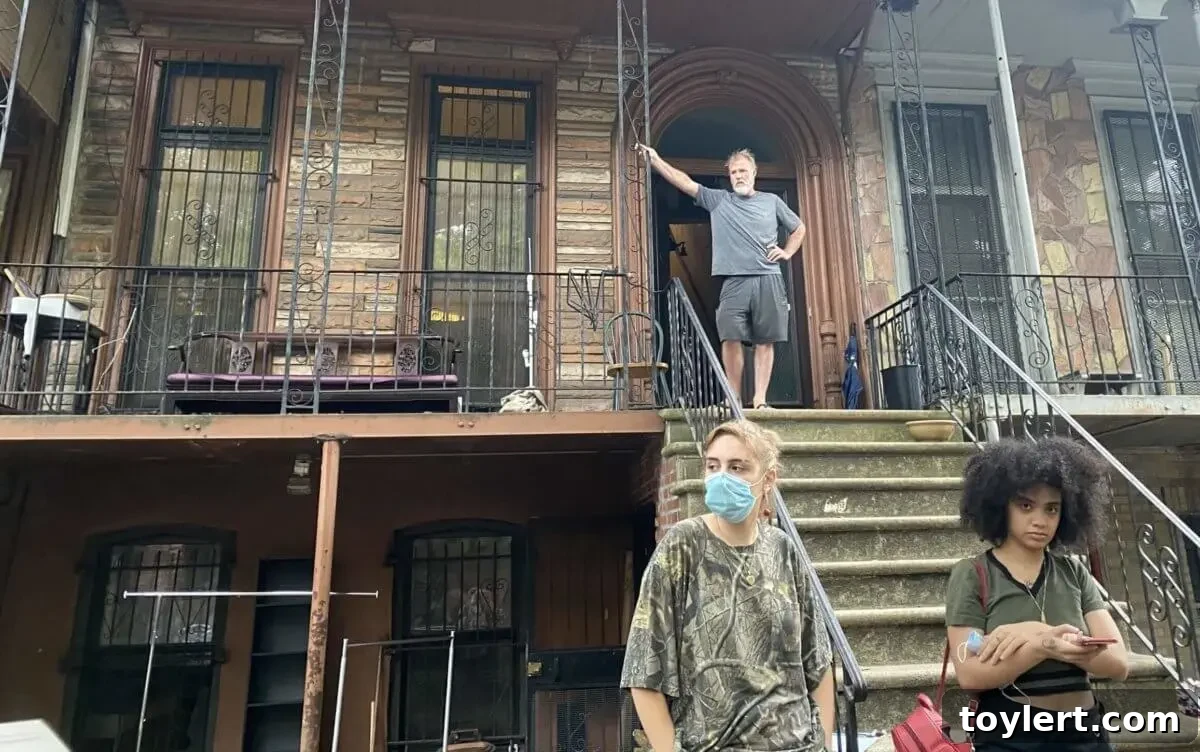
Crown Heights Tenants Say Prominent Brooklyn Couple Tried to Illegally Evict Them
Crown Heights Tenants Allege Widespread Harassment and Illegal Eviction Attempts by Prominent Brooklyn Landlords at 1214 Dean Street
A recent and alarming report from Crown Heights, Brooklyn, has brought to light serious allegations of tenant harassment and unlawful eviction attempts. Residents of a historic townhouse situated at 1214 Dean Street claim they have been subjected to a systematic campaign of intimidation and pressure tactics by their landlords, a prominent couple known in Brooklyn circles. The tenants assert that these actions represent a clear breach of their rights and a blatant attempt to force them out of their long-term homes in a rapidly gentrifying neighborhood.
The Heart of the Dispute: Allegations Against Prominent Landlords
The core of the controversy centers around the actions of the property owners, identified as a prominent Brooklyn couple, Gendville and Brooks, who reportedly own the building at 1214 Dean Street. While their exact motives remain a subject of speculation among the tenant community, the alleged behaviors paint a picture of deliberate efforts to displace current occupants. Tenants describe a series of incidents ranging from aggressive verbal confrontations to more insidious tactics designed to create an unlivable environment. These alleged acts include, but are not limited to, abrupt and unjustified demands for property access, sudden increases in what are claimed to be “renovations,” and a marked deterioration in communication regarding essential maintenance and repairs.
For the long-standing residents of 1214 Dean Street, many of whom have called Crown Heights home for decades, these alleged actions represent a profound threat to their stability and sense of security. The historical fabric of Crown Heights is often intertwined with its long-term residents, and such disputes highlight the tension between established communities and the forces of rapid urban development. The tenants are not just fighting for their apartments; they are fighting to preserve their homes, their community ties, and their right to peaceful occupancy.
A Pattern of Alleged Harassment Tactics
The tenants’ accounts detail a disturbing pattern of alleged harassment. Early reports suggest that landlords Gendville and Brooks began to implement strategies aimed at making the living conditions untenable for the current residents. This reportedly included a period where essential services were neglected, creating an environment of discomfort and potential health hazards. Specific allegations frequently cited by the tenants include:
- Withholding Essential Repairs: Tenants claim that requests for necessary repairs, from plumbing issues to structural concerns, were either ignored or met with significant delays, impacting their quality of life.
- Aggressive Communication: Instances of landlords or their representatives using confrontational language and making veiled threats regarding lease terms or eviction proceedings, despite tenants adhering to their agreements.
- Unannounced and Excessive Property Access Demands: Allegations of frequent demands for entry into apartments without proper notice, disrupting tenants’ privacy and daily routines, often under the guise of inspections or minor work.
- Attempts to Impose Unjustified Rent Hikes: Tenants reported being pressured with significant rent increases that did not align with their lease agreements or local rent stabilization laws, designed to push them out.
- Creation of Unsafe Living Conditions: Reports of construction work being performed without proper safeguards, leading to dust, noise, and disruption, and at times making parts of the building temporarily unsafe or unhealthy.
These tactics, if proven true, fall squarely under the definition of landlord harassment as outlined by New York City tenant protection laws. Such actions are not only illegal but also contribute to a climate of fear and insecurity among vulnerable tenant populations.
The Legal Landscape of Tenant Rights in New York City
New York City has some of the strongest tenant protection laws in the United States, designed specifically to prevent unlawful evictions and landlord harassment. Understanding these laws is crucial for both tenants and landlords. In New York, a landlord cannot simply decide to evict a tenant without a legal cause and a proper court order. Any attempts to force a tenant out through intimidation, neglect of repairs, or disruption of essential services are strictly prohibited.
Key Tenant Protections Include:
- Warranty of Habitability: Landlords are legally obligated to provide a safe and livable environment. This includes ensuring access to heat, hot water, and a structurally sound building, free from pests and dangerous conditions.
- Legal Eviction Procedures: Eviction can only occur through a formal court process, where landlords must demonstrate a legal reason (e.g., non-payment of rent, lease violation) and obtain a court order. Self-help evictions (e.g., changing locks, turning off utilities) are highly illegal.
- Anti-Harassment Laws: The Tenant Harassment Protection Act (THPA) and other local statutes specifically define and prohibit various forms of landlord harassment, allowing tenants to seek damages and injunctions against such behavior.
- Right to Organize: Tenants have the right to form tenant associations and collectively advocate for their rights without fear of retaliation.
For the residents of 1214 Dean Street, engaging with legal aid services and tenant advocacy groups has become a critical step in their fight. These organizations provide vital support, helping tenants navigate the complex legal system and assert their rights against well-resourced landlords.
Community Response and Advocacy Efforts
News of the alleged harassment at 1214 Dean Street quickly spread through the close-knit Crown Heights community, galvanizing local support. Tenant advocacy groups, community organizers, and concerned neighbors have rallied around the residents, offering assistance and amplifying their voices. This collective response underscores a broader concern in Brooklyn regarding rapid gentrification and its impact on long-term residents.
Community meetings have been organized to discuss the situation, raise awareness about tenant rights, and strategize on how best to support those affected. Petitions have circulated, and local media outlets have begun to cover the unfolding story, shedding light on a pervasive issue in many New York City neighborhoods. The solidarity shown by the community not only provides emotional support to the tenants but also puts public pressure on the landlords, Gendville and Brooks, to cease their alleged unlawful actions and engage in fair practices.
The involvement of organizations such as Legal Aid Society, Met Council on Housing, and local elected officials highlights the seriousness of these allegations. These bodies often intervene to ensure that due process is followed and that vulnerable tenants are not exploited. Their support is invaluable in a system that can often feel overwhelming for individuals facing legal battles against powerful entities.
The Broader Context: Gentrification and Displacement in Crown Heights
The situation at 1214 Dean Street is not an isolated incident but rather a microcosm of the larger struggles faced by communities in rapidly gentrifying neighborhoods like Crown Heights. Once a predominantly working-class community, Crown Heights has seen significant demographic and economic shifts over the past two decades. Property values have skyrocketed, attracting new developers and wealthier residents, which in turn puts immense pressure on existing affordable housing and long-term tenants.
Landlords, seeing the potential for higher profits, may be tempted to use various tactics, sometimes illegal, to vacate rent-controlled or rent-stabilized units, or simply to increase rents dramatically. This often leads to a cycle of harassment, displacement, and the erosion of neighborhood character. The case of 1214 Dean Street serves as a stark reminder of the human cost of unchecked development and the critical need for robust tenant protections and enforcement.
This ongoing battle underscores the vital role of tenant organizing and advocacy. When tenants are educated about their rights and empowered to act collectively, they stand a better chance against practices that seek to displace them. It also highlights the responsibility of city officials and legal systems to uphold justice and protect the most vulnerable members of society.
Looking Ahead: The Path to Resolution
As the legal process unfolds, the tenants of 1214 Dean Street, supported by their community and legal advocates, remain steadfast in their resolve. The outcome of this dispute will not only determine the fate of these specific residents but could also set a precedent for other similar cases across Brooklyn. It sends a clear message that tenant harassment and illegal evictions will not be tolerated and that landlords, regardless of their prominence, must adhere to the law.
The journey towards resolution will likely involve court proceedings, negotiations, and continued public scrutiny. For the tenants, securing their right to peaceful occupancy and holding their landlords accountable are paramount. For the broader community, this case is a testament to the ongoing fight for equitable housing and the preservation of Brooklyn’s diverse neighborhoods. The hope is that justice will prevail, ensuring that homes remain sanctuaries, not battlegrounds.