Landmark Acquisition: Private-Equity Firm Buys Jehovah’s Witnesses’ 21 Clark Street for $200 Million, Paving Way for Luxury Senior Housing in Brooklyn Heights
The distinguished landscape of Brooklyn Heights is on the cusp of a significant transformation following a landmark real estate transaction. A prominent private-equity firm has successfully acquired 21 Clark Street, a historic property formerly owned by the Jehovah’s Witnesses, for a monumental $200 million. This acquisition is not merely a change of ownership; it heralds an ambitious plan to convert the iconic building into a state-of-the-art senior residence, a move poised to address the critical and growing demand for high-quality assisted living options within one of New York City’s most coveted neighborhoods.
Addressing the Scarcity of Premium Senior Living in Prime Brooklyn
Brooklyn, particularly its most desirable enclaves such as Brooklyn Heights, Dumbo, and Park Slope, has long faced a pronounced shortage of upscale assisted living facilities. Despite a rapidly aging population and a strong desire among long-time residents to age gracefully within their cherished communities, suitable and accessible housing options for seniors have remained frustratingly elusive. Existing facilities are often characterized by exorbitant costs or extensive waiting lists, transforming the search for desirable senior housing into a formidable challenge for many families.
This pressing deficit stems from a confluence of factors: the extreme scarcity of developable land in these historic districts, the immense financial outlay required to acquire and adapt existing structures, and the intricate web of zoning and preservation regulations governing historical areas. In this context, 21 Clark Street emerges as a truly unique opportunity. Its substantial footprint and unparalleled location offer a rare chance to develop a comprehensive senior living community, perfectly positioned to bridge this critical gap in the market and provide much-needed options for an underserved demographic.
21 Clark Street: A Storied Past and Promising Future
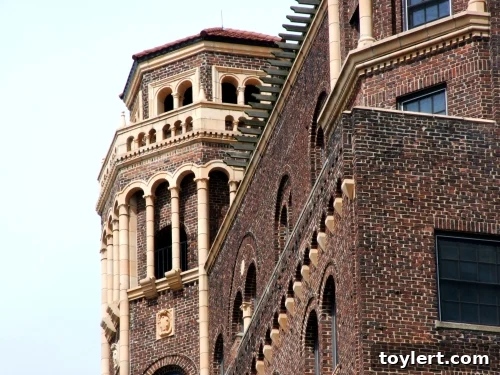
Nestled in the architectural grandeur of Brooklyn Heights, 21 Clark Street boasts a rich and captivating history. Originally christened the Leverich Towers Hotel, this magnificent establishment was erected in the 1920s, quickly earning renown for its elegant design and breathtaking panoramic views of the Manhattan skyline and the majestic Brooklyn Bridge. For decades, the Leverich Towers stood as a beacon of luxury and hospitality, attracting a sophisticated clientele with its opulent amenities and prime urban locale, contributing significantly to the social fabric of the neighborhood.
In the mid-20th century, the property transitioned into the extensive real estate portfolio of the Watchtower Bible and Tract Society of New York, Inc., the principal legal entity for the Jehovah’s Witnesses. Under their stewardship, it served for many years as a residential complex for their Brooklyn headquarters staff, offering both accommodations and vital administrative spaces. The organization meticulously maintained the property, diligently preserving much of its inherent historical charm while adeptly adapting its interiors to meet their specific operational needs.
The building’s robust pre-war construction and generous interior spaces render it an exceptionally ideal candidate for its envisioned conversion into a contemporary senior living facility. Its strategic location offers residents unparalleled access to a wealth of local amenities, efficient public transportation networks, and crucial medical services—all vital considerations for individuals requiring varying degrees of assisted care. This blend of historical significance and modern utility positions 21 Clark Street for a vibrant new chapter.
The Vision: Redefining Luxury Senior Living in New York City
The acquiring private-equity firm, whose strategic focus on specialized real estate opportunities has become increasingly recognized, is set to embark on an ambitious and comprehensive redevelopment project. While the precise architectural and operational details of the planned senior residence are still being refined, initial indications strongly suggest the creation of a premier luxury assisted living community specifically tailored to cater to a discerning and sophisticated clientele. This implies that future residents can anticipate an expansive and holistic suite of services and amenities, extending far beyond conventional basic care provisions.
- Personalized Care Programs: Meticulously crafted medical and personal assistance plans, designed to cater to the unique needs of each individual resident, thereby fostering a strong sense of independence while rigorously ensuring their safety and overall well-being.
- Gourmet Culinary Experiences: Access to multiple elegant dining venues offering an array of chef-prepared meals, with a strong emphasis on accommodating diverse dietary preferences, restrictions, and culinary tastes, ensuring a delightful and healthy dining experience.
- Holistic Wellness and Fitness: State-of-the-art fitness centers, specialized therapy rooms, and a dynamic schedule of activities focused on enhancing both physical and mental health, encompassing offerings such as guided yoga sessions, enriching art classes, and vibrant communal events.
- Dedicated Concierge Services: A highly professional and dedicated staff available to assist with various personal requests, including coordinating transportation, scheduling appointments, running errands, and facilitating other needs, all designed to significantly enhance convenience and elevate the overall quality of life for residents.
- Luxurious Private Accommodations: A selection of spacious and elegantly designed private apartments, many featuring spectacular, unobstructed views, outfitted with contemporary finishes, high-end fixtures, and integrated accessibility features to ensure comfort and ease of living.
- Engaging Social Environment: Thoughtfully designed common areas engineered to encourage robust social interaction and foster a vibrant, inclusive community spirit among residents through inviting lounges, well-stocked libraries, and diverse recreational spaces.
The overarching objective of this transformative project is to cultivate a truly nurturing and stimulating environment where seniors can not only thrive but also maintain an active, fulfilling lifestyle. It aims to deliver the highest possible standards of care without requiring residents to compromise on the comforts, sophistication, and independence they have long enjoyed and are accustomed to. This visionary project is poised to establish an unprecedented benchmark for luxury senior living, not just within Brooklyn, but across the entirety of New York City, setting a new standard for excellence in the sector.
The Jehovah’s Witnesses’ Brooklyn Legacy: A Farewell to an Era
The momentous sale of 21 Clark Street is a poignant component of a larger, carefully orchestrated divestment strategy undertaken by the Jehovah’s Witnesses over several years. For more than a century, the religious organization maintained a profound and extensive presence in Brooklyn, particularly in the historically rich neighborhoods of Brooklyn Heights and Dumbo, where their distinctive “Watchtower” signs became enduring and iconic landmarks. Their vast portfolio of properties encompassed not only numerous residential buildings but also extensive office spaces and sophisticated printing presses, which collectively served as the nerve center for their global headquarters.
Commencing in the early 2000s, the organization initiated a phased and deliberate relocation of its global headquarters to a expansive, purpose-built campus in Warwick, upstate New York. This monumental strategic move triggered the gradual, yet systematic, sale of their coveted prime Brooklyn assets. These sales collectively fetched hundreds of millions of dollars, profoundly reshaping the real estate market in these highly sought-after neighborhoods and attracting an array of new developers and investors. The recent sale of 21 Clark Street represents one of the definitive final chapters in this historic exodus, unequivocally marking the conclusion of a significant era for the Jehovah’s Witnesses in Brooklyn, as their physical footprint in the borough dwindles to a minimum.
The profound impact of these sales on Brooklyn’s urban fabric cannot be overstated. They have paved the way for a dynamic influx of new residential developments, upscale hotels, and diverse commercial spaces. While the community has witnessed the departure of a long-standing and deeply rooted institution, it has simultaneously experienced a remarkable revitalization and a notable diversification of its built environment, ushering in a new age of urban development and demographic change.
Economic Impact and Broader Real Estate Implications
The impressive $200 million price tag associated with the acquisition of 21 Clark Street serves as a powerful testament to the robust, dynamic, and intensely competitive nature of the Brooklyn real estate market. This substantial investment, made by a private-equity firm specifically specializing in a niche yet rapidly expanding market segment like senior housing, speaks volumes about the perceived intrinsic value and the immense future potential of such ventures within affluent, densely populated urban centers. The transaction not only injects a significant amount of capital for the selling entity but also starkly highlights the persistently escalating cost of prime real estate across New York City, reinforcing its status as one of the world’s most expensive property markets.
From a broader economic perspective, the ambitious conversion project is projected to create a substantial number of construction jobs during its development phase, providing critical employment opportunities for skilled trades and laborers. Following its completion, the operational facility is expected to generate a considerable number of permanent positions across various sectors, including healthcare, hospitality management, and administrative services. This will contribute significantly and positively to the local economy, fostering new employment avenues and invigorating local businesses that will cater to the needs and preferences of both the new residents and the dedicated staff.
Moreover, the introduction of such a high-end senior living facility could exert a positive influence on property values in the immediate vicinity, further enhancing the already considerable appeal of Brooklyn Heights as a comprehensively serviced and highly desirable neighborhood. This development signifies a maturation of the local market, demonstrating its evolving capacity to meet a diverse spectrum of needs that extend beyond traditional family housing, thereby making the neighborhood more inclusive and appealing to a wider demographic.
Navigating Challenges and Seizing Opportunities in Urban Senior Living
Undertaking a development project of this magnitude and specialized nature within a densely populated, historically rich area like Brooklyn Heights inevitably presents its unique set of challenges. Navigating the intricate labyrinth of local zoning laws, meticulously securing all necessary permits from various regulatory bodies, and rigorously adhering to stringent architectural preservation guidelines will undoubtedly be paramount to the project’s success. Additionally, potential concerns regarding noise pollution, increased traffic flow, and temporary community disruption during the extensive construction phase are significant factors that will require exceptionally careful management, proactive planning, and transparent communication with local residents and community stakeholders to mitigate any adverse impacts.
However, despite these formidable hurdles, the long-term opportunities inherent in this project far outweigh the challenges. The successful transformation of 21 Clark Street could indeed serve as an exemplary model for urban senior living development, providing a blueprint for similar projects across other major global cities. It vividly demonstrates how existing, historically significant infrastructure, when strategically acquired, thoughtfully designed, and expertly redeveloped, can effectively meet the dynamic and evolving demographic needs of a city while meticulously preserving its irreplaceable historical integrity and architectural heritage. This project possesses the profound potential to become a flagship example of adaptive reuse within the burgeoning senior living sector, showcasing innovative solutions for urban revitalization.
Furthermore, the anticipated influx of a new, vibrant population segment—seniors actively seeking a sophisticated urban lifestyle complemented by comprehensive care—is expected to significantly enrich the social fabric and cultural vibrancy of Brooklyn Heights. These new residents often bring with them a wealth of life experience, a deep desire for active community engagement, and a willingness to contribute meaningfully to local cultural institutions, support neighborhood businesses, and participate in various volunteer efforts, thereby adding a new dimension to the community’s diverse tapestry.
Conclusion: A New Chapter for 21 Clark Street and the Future of Brooklyn Heights
The landmark acquisition of 21 Clark Street by a savvy private-equity firm for an impressive $200 million, coupled with its meticulously planned conversion into a luxury senior residence, marks a monumental and transformative shift for the esteemed neighborhood of Brooklyn Heights. This strategic development not only promises to address a critical and long-standing shortage of high-quality assisted living options but also breathes dynamic new life into a historically significant building. It stands as a compelling testament to the evolving demographics and the sophisticated real estate demands of prime Brooklyn, signaling a forward-thinking approach to urban development.
As the final vestiges of the Jehovah’s Witnesses’ deeply entrenched, century-long presence gradually recede from the borough, a compelling new chapter is poised to begin for 21 Clark Street. This visionary development promises not only to provide exceptional, personalized care and sophisticated living environments for its future senior residents but also to further solidify Brooklyn Heights’ reputation as a dynamic, inclusive, and forward-thinking urban community. The eagerly anticipated transformation of this iconic address is set to offer invaluable services to its residents and contribute profoundly to the ongoing evolution and revitalization of Brooklyn, embodying a harmonious blend of history, luxury, and compassionate care.