A Century of Stories: The Stone Avenue Library’s Enduring Legacy in Brownsville, Brooklyn
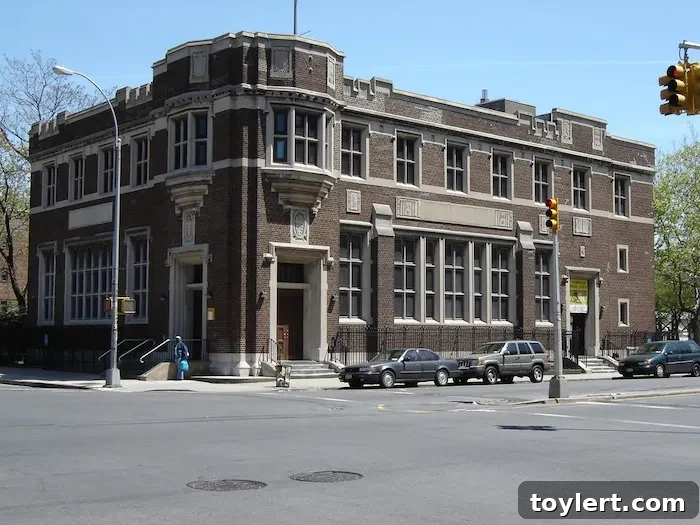
In the vibrant heart of Brownsville, Brooklyn, a true architectural and cultural gem, the Stone Avenue Library, recently celebrated a monumental milestone: its 100th anniversary. This joyous centennial coincided with its grand reopening, marking the culmination of five months of meticulous renovations and thoughtful improvements designed to usher this historic institution into its next century of service. The community gathered for a press conference to commemorate not just a building, but a century of stories, learning, and unwavering commitment to the children and residents of Brownsville.
A Beacon Reborn: Renovations for a New Era
After a temporary closure for essential upgrades, the Stone Avenue Library has unveiled a refreshed interior and enhanced facilities, seamlessly blending historical preservation with modern functionality. These extensive renovations were far more than just a facelift; they represented a strategic investment in the library’s future, ensuring it remains a vital, accessible, and welcoming space for generations to come. Improvements likely encompassed a wide range of areas, from updated technological infrastructure to improved accessibility features, enhanced reading areas, and preservation of its unique architectural details. Such efforts aim to create a more comfortable and engaging environment for patrons, whether they are engaging with digital resources, participating in educational programs, or simply seeking a quiet corner to delve into a good book. The reopening signifies a renewed commitment to foster literacy, provide educational resources, and serve as a central community hub in Brownsville, offering a dynamic space where knowledge is celebrated and futures are built.
A Pioneering Vision: Opening its Doors in 1914
The Stone Avenue Library’s journey began in September 1914, not just as any library, but as one of the country’s pioneering institutions devoted entirely to children. The excitement surrounding its initial opening was palpable. Historical accounts, including a vivid story in The New York Times, describe hundreds of children lining up with anticipation, eager to explore the wonders contained within its distinctively designed walls. This focus on young readers from the outset underscored a forward-thinking vision: to nurture curiosity, foster a love for reading, and provide a safe, inspiring sanctuary specifically for the youth of the burgeoning Brownsville neighborhood. In an era where dedicated children’s libraries were a novelty, the Stone Avenue Library stood as a testament to the belief that access to books and learning should be a fundamental right for every child, laying the groundwork for a century of educational empowerment.
Architectural Marvel: A Fairy Tale Castle in Brownsville
Perched majestically at 581 Mother Gaston Boulevard, the Stone Avenue Library is an architectural masterpiece, instantly recognizable for its captivating Gothic-style design. Conceived by the visionary architect William B. Tubby, the building was intentionally crafted to evoke the enchanting imagery of a fairy tale castle. Tubby’s design, a departure from typical municipal structures of its time, features elements characteristic of Gothic revival architecture: perhaps pointed arches, steep gabled roofs, intricate stonework, and decorative turrets or crenellations that contribute to its whimsical, storybook appearance. This deliberate aesthetic choice was not merely decorative; it was a stroke of genius aimed at making the library inherently appealing and magical for children. Imagine the wide-eyed wonder of a child stepping into a building that looks like something out of their favorite storybook, instantly associating the space with adventure and imagination. This unique design has not only made the Stone Avenue Library an iconic landmark in Brownsville but also profoundly shaped the perception of reading and learning for generations of young patrons, transforming a civic building into a realm of fantasy and discovery.
The Philanthropic Legacy of Andrew Carnegie
The very existence and grandeur of the Stone Avenue Library owe a significant debt to the unparalleled generosity of industrialist and philanthropist Andrew Carnegie. This library stands as a proud example of the widespread Carnegie library movement, a remarkable initiative that saw Carnegie fund the construction of thousands of public libraries across the United States, Canada, and the United Kingdom in the late 19th and early 20th centuries. Carnegie, a self-made man who believed deeply in the power of knowledge and self-improvement, famously stated that “a library outranks any other one thing a community can do to benefit its people.” His vision was to democratize access to education and information, providing communities with free spaces for learning and intellectual growth. The Stone Avenue Library, as one of these Carnegie-funded institutions, benefited from this philosophy, enabling it to offer a sanctuary for learning and a gateway to opportunities for countless individuals in Brownsville. Carnegie’s enduring legacy is etched into the very foundation of this library, symbolizing his unwavering belief in the transformative power of books and the profound impact of accessible education on societal progress.
A Century of Community Impact: More Than Just Books
For a hundred years, the Stone Avenue Library has been far more than a repository for books; it has served as a dynamic community anchor in Brownsville. Over the decades, it has adapted to the evolving needs of its patrons, offering a diverse array of services beyond traditional lending. From early literacy programs for toddlers to after-school tutoring for students, and from job search assistance for adults to cultural events for all ages, the library has consistently positioned itself as a responsive and essential resource. It has been a safe haven, a quiet study space, a meeting point for community groups, and a vibrant center for intellectual and social engagement. Especially in a neighborhood like Brownsville, which has faced its share of socioeconomic challenges, the library’s role as a free, accessible, and enriching environment cannot be overstated. It offers equitable access to information, technology, and learning opportunities, helping to bridge educational divides and empower individuals to achieve their full potential. The centennial celebration underscores its profound and continuous impact as a pillar of support and growth for the community it so faithfully serves.
Looking Ahead: Preserving Heritage, Embracing Innovation
As the Stone Avenue Library embarks on its second century, it carries with it a rich legacy while also embracing the future. The recent renovations exemplify this forward-thinking approach, ensuring that the library remains relevant and vital in an increasingly digital world. Preserving the beloved “fairy tale castle” architecture honors its past and the vision of William B. Tubby and Andrew Carnegie, while modern updates guarantee that the library can meet contemporary demands. Future initiatives will likely continue to explore innovative programming, expand digital resources, and enhance community outreach, ensuring that the library continues to be a vibrant hub for learning, connection, and cultural enrichment. It will undoubtedly remain a cornerstone of the Brownsville community, adapting to new technologies and learning methodologies while never losing sight of its core mission: to inspire, educate, and provide a welcoming space for all.
Experience the Magic: Visiting the Stone Avenue Library
The reopening and centennial celebration of the Stone Avenue Library invite both long-time residents and new visitors to rediscover this architectural and educational treasure. Whether you are seeking a quiet place to read, exploring its historical significance, or taking advantage of its modern services, the library offers a unique experience. Its captivating design and rich history make it a must-visit landmark in Brooklyn. For those interested in delving deeper into its fascinating past and seeing what the library looked like in its nascent years, historical archives and dedicated articles, such as those published in The New York Times, often feature captivating slideshows and photographs from its early days, offering a glimpse into the library’s enduring charm and timeless appeal.