Brooklyn Real Estate Unpacked: Navigating Bushwick Rents and the Post-421-a Development Landscape
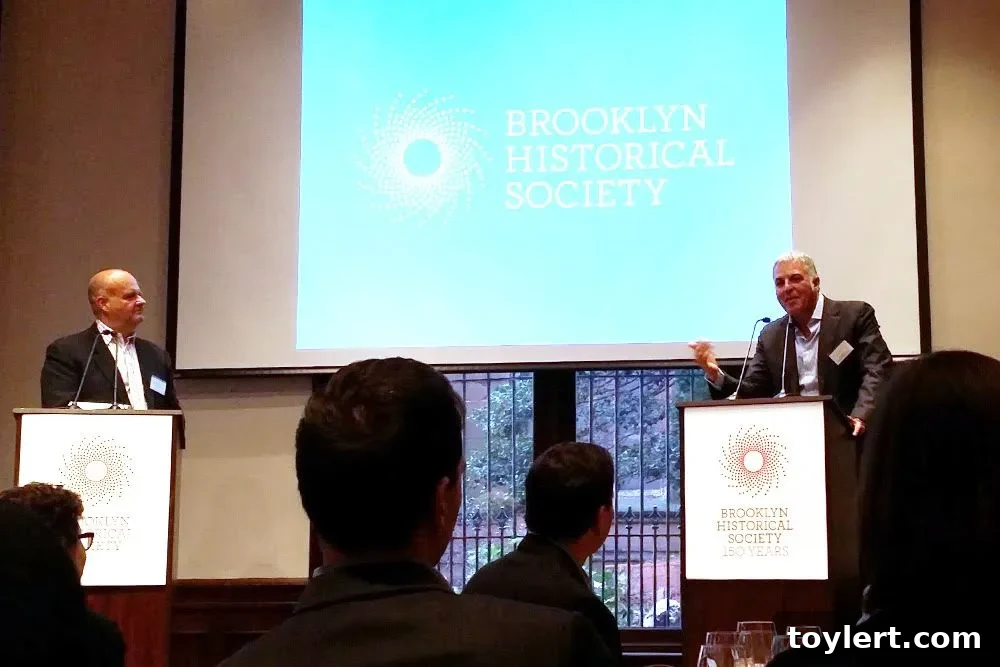
The Brooklyn real estate market, a perpetual hub of activity and innovation, recently convened its most influential minds at the Brooklyn Historical Society for the quarterly Real Estate Roundtable. This essential gathering brought together an esteemed cohort of developers, brokers, bankers, and architects to dissect the sector’s most pressing challenges and opportunities. Two pivotal issues emerged as central to the robust discussions: the intensifying resistance to escalating rental prices in the vibrant Bushwick neighborhood and the profound, transformative impact stemming from the expiration of the 421-a tax abatement program. These topics not only dominated the formal presentations but also fueled fervent informal exchanges among the industry’s key “movers and shakers.”
Industry observers and participants alike recognized the critical importance of these dialogues. The insights shared provided a vital pulse check on the current health and future direction of Brooklyn’s property landscape. From the immediate concerns of tenants and small businesses grappling with affordability to the strategic repositioning undertaken by major development firms, the roundtable offered a comprehensive overview. It served as an invaluable platform for identifying emerging trends, addressing complex regulatory hurdles, and collectively charting a course towards sustainable growth that benefits all stakeholders within Brooklyn’s remarkably diverse communities.
A Premier Gathering: The Brooklyn Real Estate Roundtable Experience
The Brooklyn Real Estate Roundtable holds a distinguished position as a cornerstone event for professionals deeply embedded in the borough’s dynamic property market. Held each quarter, it consistently provides an unparalleled forum for fostering crucial networking connections, facilitating advanced knowledge exchange, and inspiring strategic planning that often dictates the trajectory of the industry for months to come. Attendees, representing every conceivable facet of the real estate ecosystem—from initial concept development and financing to construction, sales, and long-term asset management—engage in high-level, candid discussions. The choice of the Brooklyn Historical Society as a venue further elevates the significance of these gatherings, expertly weaving contemporary market dynamics with the rich historical tapestry of Brooklyn.
This particular session powerfully underscored the dual qualities of resilience and adaptability, which are increasingly indispensable for thriving in a market characterized by rapid change and evolving socio-economic pressures. Seasoned experts shared invaluable firsthand experiences in navigating the complexities of shifting consumer demand, the relentless upward creep of construction costs, and an increasingly intricate regulatory environment. The interactive format of the roundtable was instrumental in facilitating a frank and open exchange of ideas, thereby revealing both the shared challenges confronting the sector and the innovative, forward-thinking solutions being meticulously crafted by Brooklyn’s agile real estate community. Through detailed analyses of neighborhood-specific trends, such as the unique dynamics of Bushwick, to broader macroeconomic forecasts influencing investment across the borough, the roundtable provided a meticulously comprehensive pulse-check on the vitality and future orientation of the industry.
The Bushwick Rent Conundrum: A Microcosm of Growth and Resistance
Understanding Bushwick’s Remarkable Transformation
Bushwick, once predominantly recognized for its industrial roots and burgeoning artistic community, has undergone a truly remarkable and rapid metamorphosis over the past two decades. Its distinctive blend of vibrant artistic vitality, a rich and diverse cultural heritage, and a burgeoning culinary and nightlife scene has consistently attracted a steady influx of new residents, particularly young professionals, artists, and creatives seeking authentic urban experiences. This transformative growth has been powered by a confluence of appealing factors: its strategic and convenient proximity to Manhattan, exceptional public transportation networks, an abundance of historic brownstones and expansive industrial lofts perfectly ripe for imaginative conversion, and an inherently strong, palpable community spirit. What initially began as an earnest search for more affordable living alternatives compared to its pricier neighbors like Williamsburg and other prime Brooklyn locations, quickly propelled Bushwick into the mainstream spotlight, firmly establishing it as one of the most sought-after and discussed neighborhoods in the entire borough.
However, this accelerated gentrification, while bringing undeniable investment and revitalization, has concurrently introduced significant and complex challenges. Chief among these is the dramatic and often jarring escalation of rental prices. While developers and investors initially identified immense potential in the neighborhood’s historically untapped value, the subsequent surge in demand has exerted immense and often unsustainable pressure on long-term existing residents and cherished local businesses. The very charm, authenticity, and gritty character that initially drew newcomers to Bushwick are now increasingly under threat, as ever-rising costs force out long-standing tenants and beloved small, independent enterprises struggle fiercely to maintain their viability within an increasingly unaffordable landscape.
The Tangible Impact of Escalating Rents
The animated discussions at the Brooklyn Real Estate Roundtable brought into sharp focus a palpable and growing sense of resistance emanating from tenants and dedicated community advocates concerning Bushwick’s rapidly escalating rents. As one prominent commercial broker candidly observed, “We are unequivocally reaching a saturation point where the sheer cost of living is beginning to critically erode the very unique character and vibrancy that makes Bushwick so special and appealing.” This sentiment resonated deeply with a multitude of attendees, as the median rent in Bushwick has climbed to unprecedented levels, frequently outpacing the rate of income growth and consequently making it progressively more challenging for individuals and families, particularly those with long-standing ties, to afford to remain in the neighborhood they have long called home. Furthermore, countless local businesses, many of which serve as irreplaceable mainstays and cultural anchors of the community, are confronted with debilitating and often insurmountable rent hikes upon lease renewal, forcing them into difficult decisions that often lead to displacement or, tragically, permanent closure.
From the perspective of developers, the narrative surrounding Bushwick’s rent increases is notably more nuanced and complex. The extraordinarily high acquisition costs for prime land and existing buildings, compounded by the persistently rising construction expenses and material costs, fundamentally necessitate higher rental yields to ensure the financial viability and profitability of new projects. However, developers are also becoming acutely aware of the potential for market overextension and the inherent social responsibility that accompanies extensive urban renewal and transformation. The intricate challenge lies in meticulously balancing the stark economic realities of large-scale development with the imperative of preserving the invaluable community fabric and ensuring housing accessibility across a broad spectrum of income levels. Further insights garnered from leading brokers indicated that while the underlying demand for Bushwick properties remains robust, prospective renters are demonstrating increasing sensitivity to price points. They are often scrutinizing value propositions with greater discernment and actively exploring alternatives in adjacent or rapidly emerging neighborhoods in their search for affordability and value.
Finding Balance: Sustainable Solutions and Future Outlook
The path forward for Bushwick undeniably requires a delicate and thoughtfully calibrated balance between continued strategic investment and genuinely responsible development practices. Roundtable participants diligently explored a diverse array of potential strategies, including the urgent implementation of more inclusive and forward-thinking zoning policies, the provision of compelling incentives for incorporating significant affordable housing components within new developments, and robust support for community-led initiatives such as land trusts. A strong consensus emerged that proactive and meaningful engagement with local stakeholders is absolutely paramount to fostering sustainable growth that equitably benefits all residents, not solely new arrivals or affluent newcomers. The conversation also thoughtfully addressed the considerable potential for innovative housing models, such as co-living spaces designed for communal living or meticulously planned mixed-income developments, to effectively address the diverse and evolving housing needs of Bushwick’s vibrant and varied community.
Looking ahead, the overarching outlook for Bushwick’s rental market suggests an imminent period of necessary adjustment and recalibration. While rental prices may continue their ascent in certain premium segments, the evident “resistance” observed and discussed by experienced brokers strongly indicates a potential tempering of the previously rapid and unsustainable increases. The market may naturally begin a process of self-correction as critical affordability concerns gradually drive demand towards other, more accessible areas, thereby compelling developers to innovate more creatively in terms of unit design, comprehensive amenities packages, and thoughtful community integration to maintain crucial competitiveness. The ultimate and shared goal, as articulated by numerous influential voices at the roundtable, is to diligently foster an environment where Bushwick can not only continue to thrive but also evolve as a dynamic, diverse, and genuinely accessible neighborhood for generations to come, preserving its unique essence while embracing progress.
The Shadow of 421-a: Reshaping Brooklyn’s Development Landscape
What Was 421-a? A Brief but Crucial Overview
The 421-a tax abatement program, a pivotal legislative incentive enacted by New York State, was meticulously designed to significantly stimulate residential construction, particularly in urban areas identified as having a critical housing shortage. For several decades, this program provided substantial property tax exemptions to developers who undertook the construction of new multi-family rental or condominium buildings, often with explicit stipulations requiring the inclusion of a certain percentage of affordable housing units. The 421-a program proved instrumental in igniting an unprecedented building boom across New York City, contributing significantly to its overall housing supply, including the creation of thousands of much-needed affordable homes. It was widely regarded by many industry stakeholders as an indispensable tool, serving to offset the extraordinarily high costs associated with development in a dense urban environment, thereby rendering financially feasible numerous projects that otherwise might not have advanced beyond the drawing board.
The Dramatic and Far-Reaching Impact of its Expiration
The expiration of the 421-a program in June 2022 sent profound and immediate ripples throughout the entirety of the Brooklyn real estate market and extended its effects far beyond the borough’s borders. Industry insiders present at the roundtable universally characterized its cessation as having a “dramatic impact,” leading to immediate and widespread concerns about the future trajectory of new residential construction. Developers, who had fundamentally relied on the financial relief provided by the abatement to ensure project viability and make their ambitious plans “pencil out,” now confront significantly higher operating costs and increased financial burdens. This substantial shift has already tangibly translated into a noticeable slowdown in new construction filings and has ushered in a period of profound uncertainty for numerous projects currently in their planning and pre-development stages. The glaring absence of this key incentive now makes it considerably more challenging to initiate and execute large-scale residential developments, especially those that necessitate a substantial affordable housing component, without a viable and immediate replacement program or an alternative financial mechanism.
The long-term implications for the city’s ambitious affordable housing goals are particularly dire and a source of significant concern. Without the crucial tax break, the financial burden of integrating affordable units into otherwise market-rate developments becomes almost prohibitively expensive for many developers, raising critical questions about how both the city and state will realistically meet their ambitious and much-needed housing targets. From a developer’s perspective, these increased costs directly translate to significantly reduced profitability margins, rendering certain projects less attractive, financially unfeasible, or even entirely impossible to undertake. This abrupt regulatory shift has also exerted a notable impact on the banking and lending sector, with financial institutions becoming demonstrably more cautious about providing financing for new residential projects. Lenders are now demanding stronger equity positions from developers or are imposing higher interest rates to adequately offset the increased financial risk associated with operating in the challenging post-421-a environment.
Navigating the Post-421-a World: Seeking New Pathways
In the immediate wake of 421-a’s expiration, the entire industry is actively, and somewhat frantically, seeking sustainable solutions and new pathways forward. There is a strong, pervasive consensus among real estate professionals that a reformed or an entirely new, comprehensive incentive program is urgently needed to both maintain the necessary pace of housing production and effectively address the critical issue of affordability. Discussions at the roundtable extensively covered potential legislative actions, concerted lobbying efforts aimed at state government, and innovative private-sector approaches designed to bridge the substantial financing gap created by the program’s absence. Some developers are now strategically pivoting their focus towards alternative development models, such as the adaptive reuse of existing commercial or underutilized industrial buildings, which may present different cost structures and potentially less onerous regulatory pathways. Others are exploring smaller-scale projects or meticulously re-evaluating their geographical focus to areas within Brooklyn or even outside the borough that boast lower land costs or offer different, more favorable incentive structures.
The overall impact on Brooklyn’s housing supply and its already strained affordability is widely expected to be significant and long-lasting. A prolonged period without a comparable or effective incentive could inevitably lead to a substantial decline in new housing starts, which would further exacerbate the existing and well-documented housing shortage, potentially driving up market prices across the board in the long run. The industry stands united in its urgent call for policymakers to address this critical legislative gap swiftly and effectively, recognizing that a healthy, functioning real estate market is intrinsically and inextricably linked to the broader economic vitality, social equity, and overall quality of life for all residents of the entire borough.
Beyond the Headlines: Other Pressing Issues and Emerging Trends
While the immediate concerns surrounding Bushwick’s escalating rents and the significant dilemma posed by the expiration of the 421-a tax abatement program rightfully took center stage at the Brooklyn Real Estate Roundtable, the discussions also comprehensively addressed a broader spectrum of interconnected challenges and emerging opportunities that are actively shaping the complex fabric of the Brooklyn real estate market. The intricate interconnectedness of various economic, social, and environmental factors means that astute developers and savvy investors must adopt and maintain a holistic, forward-looking view to successfully navigate the multifaceted complexities of this dynamic sector.
Rising Interest Rates and Persistent Construction Costs
A particularly significant and frequently echoed concern among both bankers and developers alike was the persistent and, at times, unpredictable rise in interest rates, coupled with the relentlessly escalating costs of construction materials and skilled labor. These macroeconomic factors directly and profoundly impact project viability, substantially increasing the overall cost of capital and making it increasingly difficult for developers to secure favorable financing terms for new ventures. As a leading real estate financier elaborated, “Every single percentage point increase in interest rates directly translates to millions more in overall project costs over the entire lifecycle of a development, significantly compressing already tight margins.” This financial squeeze necessitates more rigorous and conservative financial modeling, a greater reliance on substantial equity contributions, and a heightened, continuous focus on maximizing efficiency throughout every stage of the construction process. Furthermore, the ongoing volatility of global supply chains, still recovering and adapting in the post-pandemic era, continues to add another formidable layer of unpredictability, rendering accurate and stable budgeting an incessant challenge.
Shifting Demographics and Evolving Buyer Preferences
The Brooklyn real estate market is in a constant state of flux, continually shaped and redefined by evolving demographic trends and increasingly sophisticated buyer and renter preferences. The widespread adoption and solidification of the hybrid work model, firmly established post-pandemic, has profoundly influenced demand for residential spaces, placing a greater emphasis on essential features such as dedicated home offices, accessible outdoor spaces (like balconies or shared rooftops), and buildings rich in amenities that cater to a modern lifestyle. There is a growing and discernible demand for highly flexible layouts that can seamlessly adapt to changing personal and professional needs, alongside a strong and increasing preference for sustainable and energy-efficient properties. Commercial real estate, too, is undergoing a parallel and equally significant transformation, with a renewed focus on creating collaborative, adaptable workspaces, offering flexible lease terms, and designing environments that prioritize employee well-being, technological integration, and a healthy work-life balance. Developers are keenly observing and meticulously analyzing these pivotal shifts, actively adapting their designs, offerings, and marketing strategies to effectively meet the complex demands of a new generation of Brooklynites and businesses.
The Indispensable Role of Sustainable Development
Sustainability is no longer merely a niche consideration or an optional add-on; it has firmly cemented itself as a fundamental and indispensable pillar of modern property development. The roundtable discussions powerfully underscored the increasing, critical importance of adopting robust green building practices, maximizing energy efficiency across all projects, and implementing resilient design principles throughout Brooklyn. This significant shift is being driven by a confluence of factors: escalating regulatory pressures from city and state governments, growing environmental awareness among the public, and an undeniable, increasing market demand. Buyers and renters are actively and increasingly seeking properties that boast lower environmental footprints, demonstrate reduced utility costs, and contribute to a healthier urban environment. Consequently, developers are making substantial investments in cutting-edge technologies such as solar panel installations, extensive green roofs, advanced HVAC systems, and high-performance insulation – not solely for their immediate environmental benefits, but also for the long-term operational savings they provide and the enhanced marketability they confer upon properties. This unwavering commitment to sustainable development is widely regarded as absolutely crucial for Brooklyn’s enduring future, ensuring that development aligns synergistically with broader environmental goals while simultaneously fostering healthier, more livable urban environments for all.
Voices from the Roundtable: Key Quotes and Forward-Looking Insights
The candid and vibrant exchange of ideas among Brooklyn’s leading industry figures provided numerous memorable insights and actionable perspectives. Commercial developer Albert Laboz, for instance, eloquently articulated the fundamental challenge currently confronting new development projects: “The numbers simply don’t make sense anymore for many large-scale developments without some form of predictable tax incentive. We urgently need a clear and stable framework to confidently build for Brooklyn’s future and meet its housing demands.” This resonant sentiment was powerfully echoed by veteran commercial broker Chris Havens, who thoughtfully emphasized the critical need for creative and community-centric solutions specifically in Bushwick: “While demand undeniably remains high, residents are actively and increasingly pushing back against unchecked price increases. We simply must find innovative ways to offer tangible value and genuine community integration, not just luxury units, if we genuinely desire sustainable, equitable growth that benefits everyone.”
Other insightful participants further highlighted specific emerging trends and strategic adaptations. An architect specializing in adaptive reuse projects wisely noted, “The expiration of 421-a might, in an ironic twist, force us to look inwards more deliberately, towards renovating, repurposing, and revitalizing existing structures. This presents an exciting, albeit complex, opportunity for truly innovative design and urban regeneration that respects Brooklyn’s historical fabric.” A senior banking executive added a critical financial perspective, stating, “Prudent lending in this challenging climate means a laser focus on projects with extraordinarily strong underlying fundamentals and partnering with developers who possess proven track records of successful execution and financial discipline. The current market conditions will undeniably demand greater scrutiny, increased transparency, and unwavering financial discipline from all parties involved.” These varied and deeply considered perspectives collectively painted a comprehensive, nuanced picture of an industry grappling with significant economic and regulatory headwinds, yet simultaneously determined to forge innovative pathways forward and adapt to a changing landscape.
Conclusion: Resilience and Adaptation in Brooklyn’s Dynamic Market
The recent Brooklyn Real Estate Roundtable served as a powerful reaffirmation of the borough’s enduring position as a vibrant, albeit complex and ever-evolving, hub for property development and strategic investment. The critical and impassioned discussions surrounding Bushwick’s escalating rental market and the profound void left by the expiration of the 421-a tax abatement program underscored the dynamic, often delicate interplay between powerful economic forces, crucial community needs, and intricate regulatory frameworks. While challenges are undeniably abundant – ranging from stubbornly high interest rates and escalating construction costs to the increasingly urgent imperative of sustainable development practices – the collective spirit of innovation, collaboration, and inherent adaptability within the Brooklyn real estate industry remains remarkably strong and resolute.
The invaluable insights generously shared by developers, brokers, bankers, and architects at the distinguished Brooklyn Historical Society painted a comprehensive and forward-looking picture of an industry that is not merely reacting to change, but is actively and proactively seeking pragmatic solutions, advocating vigorously for necessary policy reforms, and continuously refining its strategies to effectively meet the evolving and diverse demands of one of the world’s most exciting and rapidly transforming urban environments. As Brooklyn continues its remarkable and ongoing evolution, the crucial lessons learned and the strategic collaborations forged at influential forums like the Real Estate Roundtable will undoubtedly prove instrumental in meticulously shaping a future that expertly balances robust economic growth with social equity, and relentless progress with essential preservation. The real estate community here is not merely observing the transformation; it is actively working, with foresight and dedication, to meticulously define and construct the next thrilling chapter for Brooklyn.