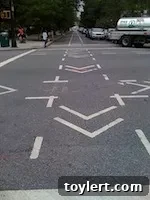
Brooklyn, a borough renowned for its vibrant communities, historic architecture, and dynamic urban landscape, is continuously evolving. At the heart of this evolution are dedicated efforts to enhance public spaces, improve transportation infrastructure, and foster safer, more pedestrian and cyclist-friendly environments. The NYC Department of Transportation (DOT) plays a pivotal role in this transformation, frequently engaging with local communities to discuss and implement significant streetscape improvements, the expansion of bike lane networks, and crucial traffic calming measures. These initiatives are not merely about asphalt and concrete; they are about shaping the quality of life for residents, supporting local businesses, and promoting sustainable modes of transportation. This past week saw a series of important meetings and proposals across various Brooklyn neighborhoods, underscoring the borough’s commitment to progressive urban planning and community-driven development.
One of the key focuses for the DOT involved comprehensive streetscape improvements in Dumbo and Vinegar Hill. These two neighborhoods, known for their industrial-chic aesthetic, stunning waterfront views, and thriving artistic communities, attract both residents and tourists alike. The demand for enhanced pedestrian safety, improved aesthetics, and better connectivity is paramount. Discussions centered on various aspects, including upgraded sidewalks, new lighting fixtures to improve visibility and safety after dark, enhanced crosswalks, and the introduction of more greenery to soften the urban environment. Such improvements are vital for maintaining the unique character of Dumbo and Vinegar Hill while making them more accessible and enjoyable for everyone. The aim is to create a more inviting public realm that supports local businesses, encourages pedestrian activity, and reinforces the vibrant community spirit. These workshops provide a critical platform for residents and stakeholders to voice their perspectives, ensuring that the proposed changes truly reflect the community’s needs and aspirations.
A significant topic that consistently garners attention is the expansion and improvement of Brooklyn’s extensive bike lane network. Originally, plans were set to be presented to Community Board Two’s Transportation Committee regarding the extension of the Jay Street bike lanes north of Tillary Street into Dumbo. This particular extension is crucial as it aims to provide safer and more direct access for cyclists onto the Manhattan Bridge, a vital commuting artery connecting Brooklyn to Manhattan. Jay Street, already a key corridor for cyclists, would see its reach extended, seamlessly integrating into the Dumbo street grid. This connectivity is not just about convenience; it’s fundamentally about enhancing safety for thousands of daily commuters who choose cycling as their preferred mode of transport. Dedicated and continuous bike lanes reduce conflicts with vehicular traffic, minimize accident risks, and encourage more people to embrace cycling, contributing to a greener and healthier city. While the original meeting for these plans was postponed to April, the intent behind this initiative remains a high priority for both the DOT and the cycling community, highlighting the dynamic and often iterative nature of urban planning projects.
Beyond cycling infrastructure, the DOT is also committed to creating more inviting public spaces. This commitment was evident in a proposal for Coney Island, one of Brooklyn’s most iconic and historic destinations. The New York Post reported on the DOT’s presentation to add a vibrant plaza of tables, chairs, and potted plants at the southern end of Stillwell Avenue. This initiative seeks to transform what might traditionally be a utilitarian stretch of road into a lively community gathering space. Such plazas serve multiple purposes: they provide much-needed seating and relaxation areas for residents and visitors, they beautify the urban landscape with greenery, and they foster a sense of community by offering a designated space for social interaction. In a bustling area like Coney Island, a new public plaza can become a focal point, enhancing the visitor experience and offering a quiet respite amidst the excitement of the boardwalk and amusement parks. It reflects a broader trend in urban design to reclaim street space for people, promoting pedestrian activity and creating more livable city environments.
Safety on Brooklyn’s major thoroughfares is another critical area of focus. On Thursday, the DOT hosted an open house in Bay Ridge to present preliminary design concepts for safety improvements on 4th Avenue from 65th Street to Shore Road. Fourth Avenue is a significant north-south artery in Brooklyn, often characterized by heavy traffic volumes and a mix of residential and commercial properties. Enhancing safety along such a busy corridor is paramount for both motorists and, crucially, for pedestrians and cyclists. The proposed design concepts likely include a range of interventions such as improved crosswalks with high-visibility markings, updated traffic signal timings, curb extensions to shorten pedestrian crossing distances, and potentially dedicated turning lanes or buffered bike lanes to better separate different modes of transport. Public input gathered during open house events like this is invaluable, as local residents and businesses offer unique insights into the specific challenges and opportunities present on their streets. These community conversations ensure that the safety improvements are not only technically sound but also responsive to the lived experiences of those who navigate 4th Avenue daily.
The expansion of Brooklyn’s bike network continued to be a central theme, with another key proposal presented to Community Board Six’s transportation meeting. This proposal outlined plans for installing a new pair of bike lanes on Union Street (eastbound) and Sackett Street (westbound) between Van Brunt Street and 3rd Avenue. This initiative highlights the DOT’s strategic approach to creating comprehensive and connected cycling routes. By designating Union Street for eastbound cyclists and Sackett Street for westbound cyclists, a safe and efficient two-way cycling corridor can be established in an area that might otherwise be challenging for dedicated two-way lanes. Such paired lanes are effective in dense urban environments, providing clear pathways and minimizing potential conflicts. Furthermore, the meeting also included proposals for new bike corrals at 153 Columbia Street (between Kane and Degraw) and 787 Union Street (between 5th and 6th avenues). Bike corrals are essentially on-street bicycle parking facilities that replace a single car parking space with capacity for multiple bicycles. They are an ingenious solution to the perennial problem of bike parking scarcity, particularly in commercial or highly trafficked residential areas. By providing secure and visible parking, bike corrals encourage more people to cycle, support local businesses by making cycling to shops more convenient, and help keep sidewalks clear of haphazardly parked bikes, improving pedestrian flow. These additions collectively contribute to a more robust and user-friendly cycling infrastructure across Brooklyn.
Traffic conditions on other vital Brooklyn streets also received dedicated attention. On Thursday, the DOT, in collaboration with Councilmember Mathieu Eugene, was scheduled to discuss traffic conditions on Cortelyou Road. Cortelyou Road, a vibrant commercial corridor and residential street in Flatbush, often faces challenges related to vehicle speed, congestion, and pedestrian safety. Meetings like these provide a forum for residents, community leaders, and elected officials to discuss specific concerns, analyze traffic data, and explore potential solutions. These solutions could range from speed humps and improved signage to changes in parking regulations or signal timings, all aimed at enhancing safety and managing traffic flow more effectively. While this particular meeting was rescheduled for April, its initial scheduling underscores the ongoing commitment to addressing local traffic concerns and working collaboratively with communities to find practical, impactful solutions that improve the quality of life for everyone.
Finally, the week concluded with an exciting educational event: a half-day conference at City Tech focused on biking in Brooklyn, with a special emphasis on cycling along the waterfront. This conference served as an invaluable platform for experts, advocates, and cycling enthusiasts to delve into the past, present, and future of cycling in Brooklyn. The borough’s waterfront, with its scenic views and potential for recreational and commuter paths, is a significant asset for the cycling community. Discussions at such a conference typically cover topics ranging from the historical development of Brooklyn’s cycling infrastructure to current challenges and future expansion plans, including the integration of new technologies and best practices in urban cycling. Exploring the unique opportunities and challenges of waterfront cycling, such as connectivity to bridges and parks, environmental considerations, and safety concerns, is crucial for developing a cohesive and accessible network. Events like this foster a deeper understanding of cycling’s role in urban mobility, encourage advocacy for continued improvements, and inspire more residents to embrace bicycling as a sustainable and enjoyable mode of transport. The fact that the event was free, albeit requiring registration, highlights an effort to make this valuable knowledge accessible to a broad audience, further nurturing Brooklyn’s growing cycling culture.
The flurry of meetings and proposals across Brooklyn this past week vividly illustrates the dynamic interplay between urban development, community needs, and the dedicated efforts of the NYC Department of Transportation. From enhancing pedestrian spaces in Dumbo and Coney Island to expanding critical bike lane networks on Jay, Union, and Sackett Streets, and addressing complex traffic safety on 4th Avenue and Cortelyou Road, these initiatives collectively pave the way for a more connected, safer, and sustainable Brooklyn. The ongoing dialogue between the DOT and community boards, as well as specialized conferences on topics like waterfront cycling, are fundamental to ensuring that Brooklyn’s future urban landscape is shaped by the collective vision and diverse needs of its residents. These commitments reflect a borough that is continuously striving to improve the daily lives of its inhabitants through thoughtful, community-centric urban planning.
This Week: Brooklyn Bikeways and Traffic Calming [Streetsblog]
Photo by dcorbin3