The Enduring Spirit: Celebrating Caribbean Culture at the West Indian American Day Parade in Brooklyn
Every Labor Day weekend, New York City transforms into a vibrant epicenter of Caribbean culture, culminating in the spectacular West Indian American Day Parade. This iconic Brooklyn event is a true feast for the senses, a dazzling display of color, pulsating music, and profound heritage that draws millions of revelers from across the globe. More than just a parade, it is a deeply significant cultural phenomenon, showcasing the rich tapestry of traditions, artistic expressions, and the indomitable spirit of the Caribbean diaspora.
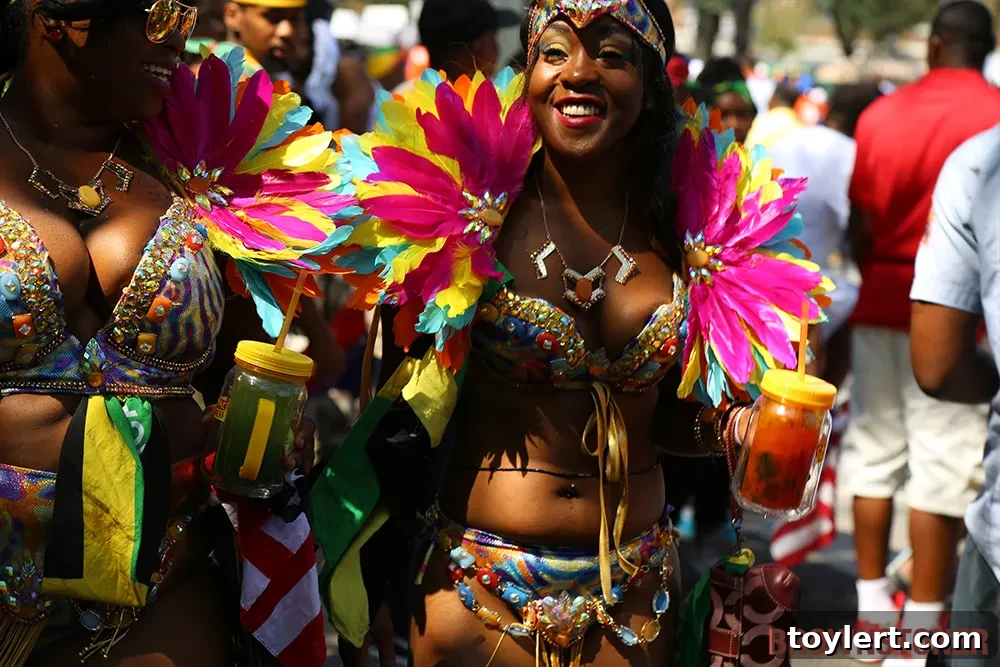
The parade unfolds along Brooklyn’s historic Eastern Parkway, from Schenectady Avenue all the way to the majestic Grand Army Plaza, turning the thoroughfare into an explosion of vibrant life. Participants, adorned in dazzling, meticulously crafted costumes, intricate body paint, and elaborate plumage, dance with boundless energy to the infectious rhythms of calypso, soca, reggae, and the unique melodies of steelpan music. The air thrums with an electrifying energy, filled with the enticing aromas of diverse Caribbean cuisines and the joyous laughter of families, friends, and strangers celebrating in unison.
A Rich History: Tracing the Roots of a Grand NYC Tradition
The West Indian American Day Parade, officially managed by the West Indian American Day Carnival Association (WIADCA), boasts a rich history that traces its origins back to the early 20th century. It evolved from indoor Caribbean carnivals held in Harlem, organized by pioneers like Jessie Waddell. As the West Indian population grew exponentially in New York City, particularly in Brooklyn, the desire for an outdoor street parade, akin to the grand carnivals of the Caribbean, became undeniable. The first official street parade was held in 1967, marking a pivotal moment for the community. Since then, it has grown exponentially, cementing its status as one of the largest and most significant cultural events in North America, a powerful testament to the invaluable contributions of West Indian immigrants to the cultural fabric of New York City and the United States.
For the vast West Indian community, this parade transcends mere entertainment; it is a vital expression of identity, a living link to their ancestral lands, and a powerful demonstration of cultural continuity and resilience. It provides an unparalleled platform for people from various Caribbean nations – including Trinidad and Tobago, Jamaica, Barbados, Grenada, St. Lucia, Haiti, Guyana, and many others – to proudly share their unique customs, music, dance, and culinary traditions with a broader, diverse audience. The parade vividly highlights the vibrant diversity within the Caribbean, fostering a profound sense of unity and shared heritage among participants and spectators alike, bridging generational and national divides.
The Grand Spectacle: An Immersion in Music, Costumes, and Culinary Delights
The sheer scale and captivating vibrancy of the West Indian American Day Parade are truly breathtaking. Imagine a magnificent river of humanity, an estimated two million people strong, flowing down Eastern Parkway in a kaleidoscope of motion and sound. Each section of the parade is a moving tableau, featuring renowned masquerade bands (Mas bands) that spend months designing and meticulously crafting their elaborate costumes. These outfits are not merely garments but masterpieces of wearable art, often incorporating thousands of feathers, sequins, beads, and fabric to create stunning visual narratives inspired by Caribbean folklore, rich history, and contemporary themes. The “colorful plumage” that is so iconic often refers to these incredibly detailed and frequently enormous feathered headpieces and backpieces that command awe and attention, transforming individuals into mythical figures and symbols of cultural pride.
The soundscape of the parade is equally immersive and irresistible. The insistent, driving beat of soca and calypso music emanates from colossal sound systems mounted on flatbed trucks, compelling everyone within earshot to move their feet and sway their hips. Steelpan orchestras, with their mesmerizing and melodic tunes, add another layer of traditional Caribbean sound, showcasing the ingenious musical innovation of the region. Dancers, often practicing for months to perfect their routines, perform intricate steps with boundless energy, embodying the joyful and uninhibited spirit of carnival. Beyond the main procession, the streets surrounding the parade route buzz with informal gatherings, impromptu dance-offs, and an incredible array of street vendors offering authentic Caribbean fare. Think succulent jerk chicken, flavorful roti, delicious doubles, rich curry goat, and an assortment of refreshing tropical drinks – a true feast for all the senses that profoundly enhances the festive atmosphere and adds to the authentic cultural experience.
A Community United: Celebrating Diversity and Shared Identity
At its heart, the essence of the West Indian American Day Parade lies in its extraordinary ability to bring people together. It serves as a powerful unifying force, attracting individuals “of all ages, cultures, and affiliations.” Along the route, one can witness grandparents dancing joyfully alongside their grandchildren, friends from incredibly diverse backgrounds sharing a moment of pure collective joy, and tourists from around the world marveling at the sheer energy and cultural richness on display. This communal celebration reinforces existing bonds within the West Indian diaspora and extends a warm, open invitation to all New Yorkers and visitors to partake in and appreciate the immense cultural richness. It is a powerful, living demonstration of how diverse communities can come together to celebrate, share, and preserve their unique heritage in the dynamic and ever-evolving urban environment of New York City, fostering understanding and mutual respect.
Addressing the Shadow: Tragic Incidents Amidst Celebration
While the West Indian American Day Parade is overwhelmingly a beacon of joy, cultural pride, and community celebration, it has, like many large-scale public events, occasionally been marred by unfortunate and deeply saddening incidents. The 2015 festivities, in particular, carried a somber undertone due to several tragic events that occurred in the early morning hours preceding the official start of the main parade, specifically near Prospect Park. These incidents cast a stark shadow over what was otherwise a magnificent display of community spirit and cultural vibrancy, highlighting the complex challenges inherent in such massive public gatherings.
One of the most widely reported and profoundly saddening events involved Carey Gabay, a dedicated and promising public servant who served as the First Deputy Counsel to the Empire State Development Corp. Tragically, Mr. Gabay was shot in the head by a stray bullet during an exchange of gunfire between rival gangs. His untimely death sent shockwaves through the community and across New York State, serving as a poignant and devastating reminder of the pervasive impact of gun violence. This senseless act of violence against a bright and promising young professional underscored the urgent and ongoing need for greater safety measures, robust community intervention, and a concerted effort to eradicate such conflicts from public spaces.
In addition to the shooting of Carey Gabay, the vicinity saw other disturbing acts of violence on that tragic morning. Another man was tragically stabbed to death just a few blocks away from where Mr. Gabay was shot, adding to the profound distress and concern within the community. A third incident involved a 21-year-old man who was also shot and subsequently hospitalized, further emphasizing the inherent challenges associated with managing such massive gatherings and ensuring the absolute safety and security of all attendees. These incidents prompted widespread calls for significantly increased security, enhanced community engagement, and a renewed, unwavering focus on violence prevention, particularly in the areas surrounding the parade route during the pre-dawn hours of J’Ouvert, the traditional and often boisterous pre-parade celebration that historically precedes the main event.
The profound juxtaposition of such deep tragedy with the otherwise joyous exuberance and celebration of the parade served as a stark and sobering reminder of the inherent complexities of urban life and the persistent challenges of violence that communities sometimes face. It ignited crucial public conversations about ensuring public safety at all large-scale events and underscored the shared responsibility of both event organizers and governmental authorities to implement comprehensive strategies to ensure that all celebrations remain safe and inclusive spaces for everyone to enjoy without fear.
The Future: Balancing Celebration with Enhanced Safety and Remembrance
In the wake of such tragic events, there has been an ongoing and committed effort by both parade organizers and city officials to continuously enhance security measures. The primary goal is to prevent future incidents while meticulously preserving the authentic, spirited, and celebratory essence of the West Indian American Day Parade. These proactive efforts often include a significantly increased police presence along the entire route, improved lighting in critical areas, the establishment of designated safe zones, and expanded community outreach programs specifically designed to foster peace, mediate disputes, and de-escalate potential conflicts before they can escalate. The enduring legacy of those lost, like Carey Gabay, often serves as a powerful impetus and solemn reminder for these continuous improvements, ensuring that their memory contributes meaningfully to a safer, more positive, and more secure future for this cherished and vital community event.
Conclusion: A Resilient Celebration of Heritage and Hope
Despite the challenges and moments of profound sorrow that have occasionally shadowed its history, the West Indian American Day Parade remains an indispensable cultural institution and a beacon of resilience in New York City. It stands as a powerful testament to the unwavering creativity, enduring spirit, and vibrant community of West Indian Americans. Each year, it triumphantly reaffirms its pivotal role not just as a parade, but as a grand, immersive festival of heritage, unity, and unwavering hope. It extends a heartfelt invitation to everyone to experience the intoxicating rhythms, dazzling colors, and warm hospitality that define Caribbean culture, reminding us all of the profound power of celebration to transcend adversity and foster a stronger, more connected, and more understanding community right in the vibrant heart of Brooklyn.