Unclogging a Cast Iron Drain Pipe: DIY or Call a Pro? Your Comprehensive Guide
A persistent problem for many homeowners is a clogged drain pipe. The immediate question often arises: Is this a manageable DIY task, or is it time to enlist the expertise of a professional plumber? This dilemma becomes even more pressing when dealing with older infrastructure, such as a cast iron drain pipe, especially one situated on an exterior wall with what appears to be an easily accessible cap for cleaning. Before rushing to buy a drain snake or reaching for the phone, it’s crucial to understand the nuances involved in unclogging cast iron pipes.
This comprehensive guide will walk you through the factors to consider, the potential DIY methods, the clear indicators that professional help is needed, and essential preventative measures. Our aim is to equip you with the knowledge to make an informed decision, ensuring both the effectiveness of the solution and the long-term health of your home’s plumbing system.
Understanding Your Cast Iron Drain System
Cast iron pipes were once the standard for residential and commercial plumbing due to their durability and sound-dampening qualities. Many older homes still rely on these robust pipes for their main drain and sewer lines. However, despite their strength, cast iron pipes are not immune to blockages and can present unique challenges compared to modern PVC or ABS piping.
Why Cast Iron Pipes Clog
Several factors contribute to blockages in cast iron drains:
- Grease and Fat Buildup: One of the most common culprits. When cooking grease, oils, and fats are poured down the drain, they cool and solidify, adhering to the rough interior surfaces of the pipe. Over time, these layers accumulate, significantly narrowing the pipe’s diameter.
- Hair and Soap Scum: In bathroom drains, a combination of human hair and soap residue creates sticky, difficult-to-dissolve clumps that snag on any imperfections within the pipe.
- Food Particles: Kitchen sinks, especially those without proper drain screens or garbage disposal usage, can accumulate food debris, leading to blockages.
- Foreign Objects: Accidental or intentional flushing of non-biodegradable items (wet wipes, cotton swabs, feminine hygiene products, small toys) can cause severe obstructions.
- Rust and Corrosion: Unlike plastic pipes, cast iron can rust and corrode over decades of use. This internal roughing creates more surfaces for debris to cling to, exacerbating buildup and reducing water flow.
- Tree Root Intrusion: For exterior drain lines, especially those running underground, tree roots are a notorious cause of blockages. Roots seek out moisture and nutrients, finding their way into minuscule cracks or loose joints in the pipe, where they grow and form dense masses.
- Pipe Sagging or Collapse: Older cast iron pipes can sag or even crack and collapse due to ground shifting, heavy loads, or simply age, creating points where debris collects or water flow is completely obstructed.
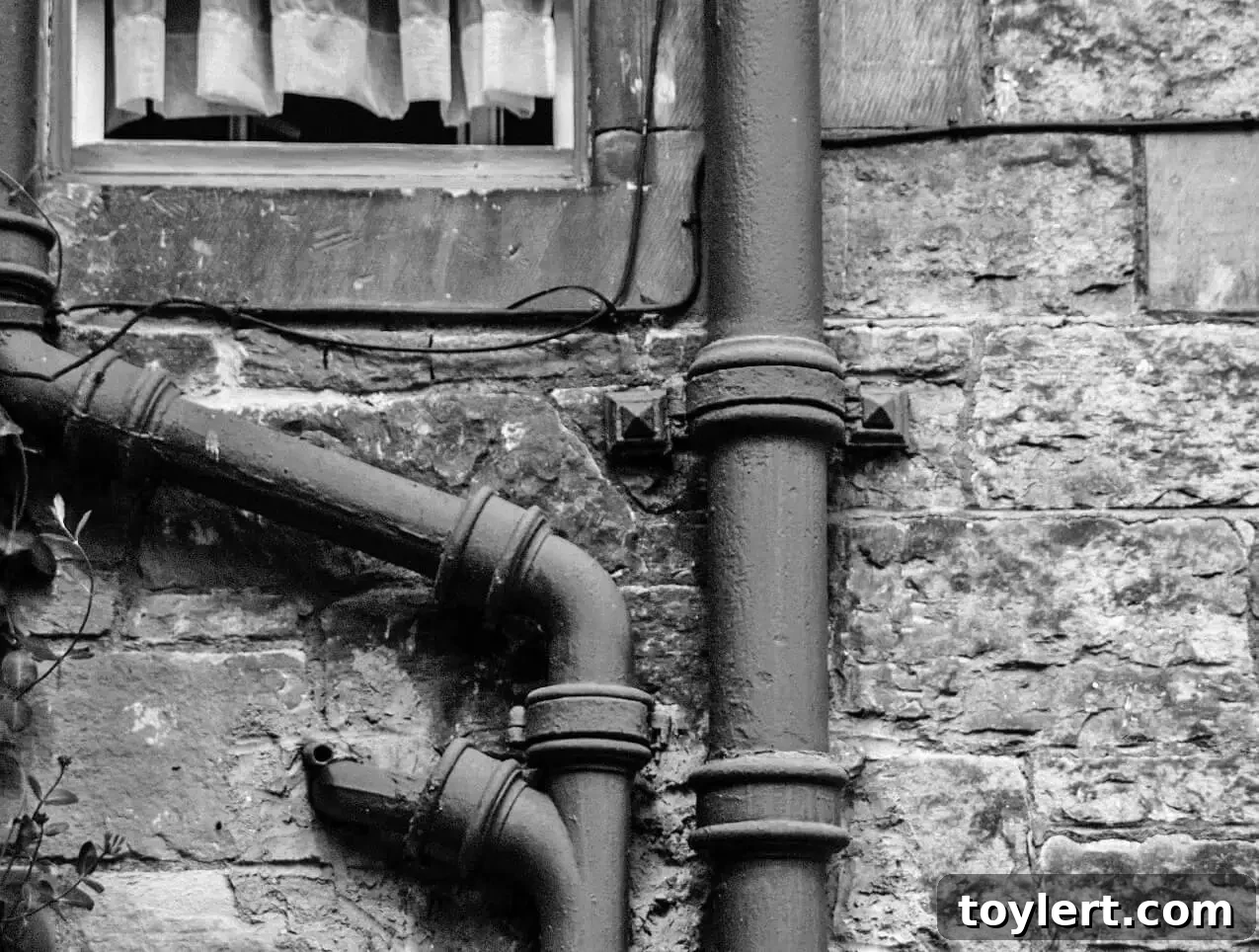
The fact that your pipe is an exterior cast iron drain with an accessible cap is a notable detail. This cap, often called a cleanout, is specifically designed to provide easy access for clearing blockages. Its presence can significantly simplify initial DIY attempts, but it also means the clog might be deeper or related to issues common in exterior lines, such as tree roots or sediment buildup from outdoor elements.
The DIY Approach: When It’s Possible
For a homeowner facing a clogged exterior cast iron drain, the thought of a DIY fix is often appealing, primarily due to cost savings and the immediate satisfaction of resolving the issue. If the clog appears to be localized and not a symptom of a larger systemic problem, attempting a DIY solution might be appropriate. However, it’s crucial to proceed with caution and a clear understanding of your limitations.
Initial Assessment Before You Begin
Before grabbing tools, conduct a brief assessment:
- Severity of Clog: Is the drain completely blocked, or is it just slow? A slow drain might indicate an early-stage clog that’s easier to tackle.
- Number of Affected Drains: Is only this exterior drain affected, or are other drains in the house also slow or blocked? Multiple affected drains, especially on lower levels, could signal a main sewer line issue, which typically warrants professional attention.
- Location of Clog: Is there any indication where the clog might be? If it’s near the cleanout cap, it might be more accessible.
- Age and Condition of Pipes: If your cast iron pipes are extremely old or show signs of heavy corrosion, aggressive DIY methods could cause damage.
Essential Tools for DIY Drain Cleaning
If you decide to proceed with a DIY approach, having the right tools is paramount:
- Gloves and Eye Protection: Safety should always be your top priority when dealing with drains, especially if there’s standing water or potential exposure to waste.
- Bucket and Rags: To catch any water or debris that spills out when opening the cleanout cap.
- Wrench or Pliers: To remove the cleanout cap.
- Drain Snake (Auger): This is your primary tool.
- Manual Drain Snake: Suitable for shorter, simpler clogs. It’s hand-cranked and has a flexible cable with a corkscrew tip.
- Electric Drain Snake (Hand-held): More powerful for deeper clogs, often capable of reaching 25-50 feet. It automates the rotation of the cable, making the job less strenuous.
Important Note: For cast iron pipes, use a snake with an appropriate cable diameter to avoid damaging older, potentially brittle pipes. Never force the snake.
- Garden Hose: For flushing the pipe after clearing the blockage.
- Flashlight: To inspect the pipe’s interior if possible.
Step-by-Step DIY Guide to Unclogging an Exterior Cast Iron Drain
- Safety First: Don full protective gear including sturdy gloves and eye protection.
- Prepare the Area: Place a large bucket directly beneath the cleanout cap and lay down old towels or rags to catch any spilled water or sewage.
- Locate and Open the Cleanout Cap: The cap is usually threaded and can be tightened firmly. Use a pipe wrench or large adjustable wrench to carefully loosen it by turning counter-clockwise. Be prepared for a rush of water and debris once the cap is removed, especially if the pipe is completely backed up.
- Inspect the Opening: Once the cap is off, check the immediate area for any visible clogs that can be manually removed (with gloves, of course). Use a flashlight to peer into the pipe as far as you can.
- Insert the Drain Snake:
- Slowly feed the snake cable into the pipe. When you encounter resistance, it likely means you’ve hit the clog.
- If using a manual snake, crank the handle while pushing forward to work the tip through the blockage.
- If using an electric snake, follow the manufacturer’s instructions for operation, typically allowing the motor to rotate the cable as you feed it.
- Push and pull the snake a few times to break up the clog. You might feel the snake “grab” the blockage.
- Once you believe the clog is clear, slowly pull the snake back out of the pipe, cleaning off any debris as you retract it. You may need to repeat this process several times.
- Flush the Pipe: Once the snake is removed, use a garden hose to flush water down the cleanout. Observe if the water flows freely. If it drains without backing up, the clog is likely gone. Flush generously to clear any remaining debris.
- Replace the Cap: Apply plumber’s tape to the threads of the cleanout cap, then screw it back on firmly by hand, and then tighten it with your wrench until snug, but avoid over-tightening which can damage the threads.
- Clean Up: Properly dispose of any debris and thoroughly clean the area.
Pros and Cons of DIY Drain Cleaning
Pros:
- Cost Savings: The most apparent benefit is avoiding professional service fees.
- Immediate Resolution: If the clog is minor and accessible, you can fix it right away without waiting for a plumber.
- Learning Experience: Gaining basic plumbing knowledge can be empowering for future home maintenance.
Cons:
- Risk of Damage: Improper use of a drain snake can scratch or even crack older cast iron pipes, leading to leaks or more severe issues.
- Incomplete Clearing: DIY methods may only clear a portion of the clog, leading to recurring issues.
- Safety Hazards: Dealing with sewage can expose you to harmful bacteria. Tools can also be dangerous if not handled correctly.
- Messy Job: Unclogging drains, especially deep ones, is inherently a dirty and unpleasant task.
- Misdiagnosis: You might clear a localized clog but miss a larger underlying problem, like root intrusion or a collapsed pipe, leading to further complications down the line.
Calling a Professional: When It’s Essential
While DIY attempts can be satisfying and cost-effective for minor clogs, there are many situations where calling a professional plumber is not just advisable but absolutely necessary. Ignoring these signs can lead to more extensive damage, higher repair costs, and significant inconvenience.
Clear Signs You Need a Professional Plumber
- Persistent or Recurring Clogs: If you’ve tried DIY methods and the clog returns quickly, it indicates a deeper, more stubborn problem that your snake couldn’t fully resolve.
- Multiple Clogged Drains: If two or more drains in your home (e.g., toilet, shower, kitchen sink) are backing up simultaneously, especially those on the lowest level, it strongly suggests a main sewer line blockage. This is beyond the scope of typical DIY efforts.
- Sewage Backup: Any sign of sewage backing up into sinks, tubs, or toilets is a serious health hazard and a clear indicator of a significant blockage in the main drain line. Stop using water immediately and call a professional.
- Foul Odors: Persistent sewage smells emanating from drains can point to blockages, vent issues, or even sewer line damage.
- Unfamiliarity or Discomfort with Plumbing: If you’re unsure about the process, uncomfortable handling the tools, or simply don’t have the time, a professional will handle it efficiently and safely.
- Suspected Tree Root Intrusion: If your property has large trees near the drain lines, and you’ve had recurring clogs, tree roots are a likely suspect. Professionals have specialized equipment (like sewer cameras and hydro-jetters) to diagnose and clear these.
- Pipe Damage Suspected: If you hear strange noises from your pipes, see visible cracks on exposed sections, or suspect ground movement has affected your line, avoid DIY and seek expert assessment.
- Failure of DIY Attempts: If your drain snake hits an impenetrable obstruction, or you simply can’t clear the clog after several attempts, it’s time to step back and call for help.
What a Professional Plumber Offers
Hiring a licensed plumber brings a host of benefits that go beyond just clearing a clog:
- Advanced Diagnostic Tools: Professionals use sewer cameras (video inspection) to precisely locate the clog, identify its nature (grease, roots, foreign object), and assess the overall condition of your cast iron pipes. This prevents guesswork and ensures the right solution.
- Specialized Cleaning Equipment: For tough clogs, plumbers employ powerful tools like hydro-jetting machines, which use high-pressure water streams to scour the inside of pipes, effectively removing grease, scale, and even tree roots without damaging the pipe. They also have industrial-grade augers capable of reaching much deeper than consumer-grade snakes.
- Expertise and Experience: Plumbers have extensive knowledge of plumbing systems, including the nuances of older cast iron pipes. They can quickly identify complex issues, prevent secondary damage, and provide lasting solutions.
- Safety: Professionals are trained to handle plumbing emergencies safely, mitigating health risks associated with sewage and ensuring the safe operation of powerful equipment.
- Long-Term Solutions: Beyond just clearing the clog, a plumber can advise on preventative maintenance, suggest repairs for damaged sections, or even recommend pipe lining or replacement if necessary, providing a long-term fix rather than a temporary patch.
- Warranty on Work: Reputable plumbers stand behind their work, offering warranties or guarantees on their services, providing peace of mind.
Pros and Cons of Professional Plumbing Services
Pros:
- Effective and Thorough: Professionals ensure the clog is completely removed, reducing recurrence.
- Safe: Eliminates personal risk of injury or exposure to contaminants.
- Accurate Diagnosis: Identifies the root cause of the problem, not just the symptom.
- Long-Lasting Solutions: Can provide repairs or preventative advice for future issues.
- Peace of Mind: Knowing the job is done right by an expert.
Cons:
- Cost: Professional services are an investment, but often prevent more expensive repairs down the line.
- Scheduling: You might have to wait for an appointment, though emergency services are often available.
Making the Decision: DIY or Pro?
The decision of whether to tackle a clogged cast iron drain yourself or call a professional hinges on several critical factors. It’s a balance between confidence, capability, and the potential risks involved.
Factors to Consider:
- Severity and Location of Clog:
- Minor, localized, and close to the cleanout? DIY might be feasible.
- Deep, recurrent, or affecting multiple fixtures? Lean towards a professional.
- Your Skill Level and Comfort:
- Experienced with basic home repairs, patient, and understand plumbing basics? DIY could be an option.
- Unsure, uncomfortable with dirty jobs, or prone to frustration? A professional will save you time and stress.
- Available Tools:
- Have a suitable drain snake and safety gear? DIY becomes more practical.
- Lack proper tools or need advanced equipment? Professional service is necessary.
- Budget vs. Risk:
- Trying to save money on a potentially simple fix? DIY.
- Willing to invest in a guaranteed, comprehensive solution to avoid potential damage or recurrence? Call a pro.
- Time Constraints:
- Have the time to dedicate to the task, including troubleshooting? DIY.
- Need the problem fixed quickly and reliably without personal effort? Professional.
A good rule of thumb: If your initial, careful DIY attempt with a drain snake through the exterior cleanout does not clear the clog, or if the clog quickly returns, it’s time to stop and call a professional. Pushing too hard or using improper techniques can turn a manageable clog into a pipe repair nightmare. Remember, the goal is to resolve the blockage effectively and safely, preserving the integrity of your home’s plumbing system.
Preventive Maintenance for Cast Iron Drains
Once your cast iron drain is clear, whether by your own efforts or a professional’s, preventative maintenance is key to avoiding future blockages and extending the life of your plumbing system.
- Be Mindful of What Goes Down the Drain: This is the golden rule.
- Kitchen Sinks: Never pour grease, oil, or fat down the drain. Scrape food scraps into the trash before washing dishes. Use drain screens to catch larger food particles.
- Bathroom Sinks & Showers: Use drain screens to catch hair and soap scum. Regularly clean these screens. Avoid flushing cotton balls, Q-tips, dental floss, or feminine hygiene products.
- Regular Flushing with Hot Water: Periodically, especially after heavy use, flush drains with very hot water to help dissolve minor grease and soap buildup.
- Baking Soda and Vinegar Treatment: For a gentle, eco-friendly maintenance flush, pour half a cup of baking soda down the drain, followed by half a cup of white vinegar. Let it sit for 30 minutes to an hour (you’ll see fizzing), then flush with hot water. This can help break down minor gunk, but it’s not effective for major clogs.
- Avoid Chemical Drain Cleaners: While tempting, many harsh chemical drain cleaners can be detrimental to cast iron pipes. The chemicals can accelerate corrosion, and if they fail to clear the clog, they sit in the pipe, making the job dangerous for anyone (including plumbers) who later attempts to clear it.
- Professional Inspections: Consider having a professional plumber conduct a video inspection of your main drain lines every few years, especially if your home has older cast iron pipes or if you have large trees on your property. This can catch developing issues like root intrusion or corrosion before they become major blockages.
- Trim Tree Roots: If tree roots are a known issue, consider root-inhibiting treatments or having surrounding tree roots professionally trimmed or removed.
Conclusion
A clogged exterior cast iron drain with an accessible cleanout presents a classic homeowner’s dilemma: DIY or professional intervention? While the presence of an easy-to-remove cap might make a DIY approach seem straightforward, the age and material of cast iron pipes, along with the potential complexity of exterior clogs, demand careful consideration. For minor, superficial blockages, a homeowner equipped with the right tools and a cautious approach might find success with a drain snake.
However, it is vital to recognize the limitations of DIY methods and understand when to defer to professional expertise. Recurring clogs, multiple affected drains, sewage backups, or a suspicion of deeper issues like tree root intrusion or pipe damage are clear signals that a professional plumber’s advanced diagnostics and equipment are indispensable. Prioritizing safety, understanding the potential risks, and investing in a lasting solution will ultimately protect your home’s plumbing system and provide peace of mind. By making an informed decision, you ensure that your cast iron drains continue to function reliably for years to come.