Crown Heights, a vibrant and historically rich neighborhood in Brooklyn, has long been a focal point for the dynamic interplay between urban development, community preservation, and the relentless forces of gentrification. As property values soar across New York City, particularly in desirable Brooklyn enclaves, the quest for affordable living and working spaces becomes an increasingly urgent challenge for many residents, especially the creative class. This tension was starkly illustrated in a pivotal decision concerning a proposed live-work space at 964 Dean Street, a situation that encapsulates the complex dilemmas facing rapidly evolving urban landscapes.
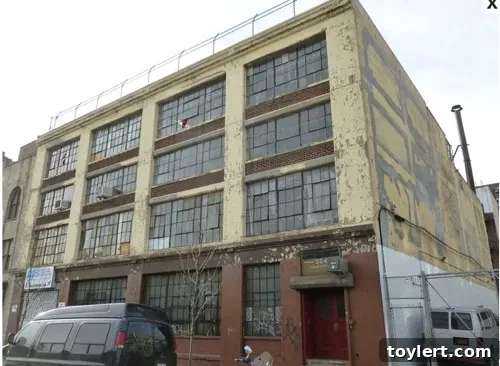
While the City Planning Commission had taken proactive steps to rezone Crown Heights with the dual aims of preserving its distinctive character and encouraging the creation of much-needed affordable housing, a separate, yet deeply significant, local decision cast a spotlight on the intricacies of community-level planning. Board Eight, the neighborhood community board, ultimately chose not to endorse a proposal put forth by a collective of artists. Their ambitious plan was to transform a foreclosed warehouse located at 964 Dean Street into an innovative live-work environment, a concept increasingly vital for artists struggling to remain in the city. This critical “no” vote at the board level emerged despite the proposal having received support during earlier committee deliberations, highlighting a divide in perspectives on the neighborhood’s future.
The concerns articulated by members of Community Board Eight mirrored, in some ways, the broader objectives of the City Planning Commission, yet they were applied with a different emphasis in this specific context. Board members voiced a desire to safeguard the area’s existing industrial nature, seeing it as an integral part of Crown Heights’ economic and historical fabric. Simultaneously, they underscored their commitment to fostering affordable housing, a goal that, on the surface, might appear aligned with the artists’ intentions but was interpreted differently in practice. This incident brought to the forefront the challenges of balancing diverse community aspirations: preserving industrial heritage, supporting the arts, and ensuring housing affordability for all residents.
The artists behind the 964 Dean Street initiative represented a proactive response to the escalating property prices that threatened to push them out of the very neighborhoods they helped to enliven. They had collectively purchased the building when it was in foreclosure, a strategic move born out of a profound desire to secure their place within Crown Heights. Their vision was not to capitalize on the booming real estate market by developing high-end, luxury apartments that would further accelerate gentrification. Instead, their objective was far more community-oriented: to create a sustainable, genuinely affordable space where they could both live and continue their creative work, thereby contributing to the cultural vitality of the neighborhood without fueling its unaffordability. Artist Nicola Lopez, one of the owners and a key figure in the initiative, eloquently articulated this ethos, stating, “It’s been a desire for those of us who are working together to make this happen — not to flood the market with these really high end apartments, not to make a killing on selling this, but so we can establish a place where we can continue to live and work.” This sentiment perfectly encapsulates the struggle of artists and other creative professionals to find stable ground in a city that increasingly values commercial development over cultural sustenance.
The decision by Community Board Eight to reject the artists’ residential conversion proposal for the reclaimed warehouse at 964 Dean Street sparked considerable debate within Crown Heights and beyond. It forced a critical examination of what “preserving character” truly means in an urban environment undergoing rapid transformation. For some, maintaining an industrial zone signifies protecting potential job-generating spaces, contributing to economic diversity beyond residential use. It also speaks to a desire to retain the historical authenticity of an area, preventing it from becoming a monolithic residential district. However, for the artists, converting a disused, foreclosed warehouse into a vibrant live-work hub represented a form of revitalization that also preserved an aspect of the neighborhood’s character – its capacity for innovation and creative expression. This clash of interpretations highlights the inherent complexities in urban planning decisions, where seemingly good intentions from various stakeholders can lead to conflicting outcomes.
The broader context of Crown Heights’ rezoning efforts by the City Planning Commission further complicates this narrative. The commission’s aim to preserve the neighborhood’s existing architectural and social character, alongside its commitment to encouraging affordable housing, is a testament to the recognized need for balanced development. Yet, the 964 Dean Street case illustrates that achieving these goals is not always straightforward. When industrial spaces, which could otherwise be repurposed, are strictly preserved, it can inadvertently limit opportunities for certain types of affordable housing or creative enterprises that do not fit neatly into traditional residential or commercial categories. The definition of “affordable housing” itself is multifaceted; for artists, an affordable live-work space might be more critical than a conventional apartment, as it directly supports their livelihood and ability to remain in the city.
This incident also speaks volumes about the pervasive issue of gentrification in Brooklyn. Artists are often the unwitting vanguards of gentrification; they move into undervalued, often industrial, neighborhoods, drawn by cheaper rents and ample space. Their presence frequently enhances an area’s cultural cachet, making it more desirable. This desirability, in turn, attracts developers and a wealthier demographic, leading to skyrocketing rents and property values that eventually displace the very artists who helped make the neighborhood attractive in the first place. The artists at 964 Dean Street attempted to short-circuit this cycle by proactively acquiring a property and creating their own affordable ecosystem, a strategy that unfortunately met with local resistance.
The role of community boards in New York City’s urban planning framework is crucial yet often fraught with challenges. These boards are designed to be the voice of local residents, advising city agencies on land use, zoning, and other neighborhood-specific matters. While their decisions are advisory, they carry significant weight and can profoundly influence development outcomes. In the case of 964 Dean Street, Board Eight exercised its prerogative to prioritize what it perceived as the most beneficial path for Crown Heights, even if it meant rejecting a proposal that offered a unique solution for artist affordability. This decision underscores the power dynamics at play and the difficult choices community representatives must make when balancing competing interests, from industrial retention to residential needs, and from economic development to cultural preservation.
The challenges faced by the artists at 964 Dean Street are indicative of a larger systemic issue concerning the availability of affordable and suitable spaces for creative communities in major metropolitan areas. As cities become increasingly dense and expensive, artists, musicians, writers, and other cultural producers struggle to find environments where they can both live and practice their craft without facing undue financial strain. The rejection of the live-work warehouse conversion represents a lost opportunity, not just for the individuals involved but potentially for the broader cultural fabric of Crown Heights. It raises questions about how urban planning policies can be more flexible and inclusive, recognizing the unique needs of different community segments and fostering diverse forms of housing and economic activity. Finding alternative solutions for artists and creative enterprises remains a pressing concern, whether through dedicated city programs, innovative zoning overlays, or fostering partnerships between the arts community and local government.
In conclusion, the saga of 964 Dean Street serves as a powerful microcosm of the intricate and often contradictory forces shaping modern urban environments. It highlights the inherent tension between preserving historical industrial character and fostering new forms of community-led development, particularly when it comes to supporting the arts and addressing the critical need for affordable housing. While the City Planning Commission’s broader rezoning efforts aimed for comprehensive neighborhood improvement, the specific rejection at the community board level for 964 Dean Street reveals the granular complexities and differing priorities at play within a single neighborhood. Ultimately, the future of Crown Heights, like many dynamic urban areas, will depend on its ability to navigate these competing interests, striking a delicate balance between historical preservation, economic vitality, and social equity for all its residents, including its invaluable creative communities.
Brooklyn Board Votes Down Residential Conversion for Warehouse [DNAinfo]
Photo by Nicola Lopez for DNAinfo