Transforming Crown Heights: The Vision for 964 Dean Street’s Residential Future
The urban landscape of Brooklyn is in constant flux, a dynamic tapestry woven with threads of history, community, and ambitious development. A pivotal thread in this ongoing narrative recently emerged concerning 964 Dean Street, a substantial warehouse nestled between Classon and Franklin avenues in the vibrant heart of Crown Heights. A proposal to convert this significant industrial edifice into residential use has sparked considerable discussion, highlighting the evolving character of a neighborhood increasingly sought after for its unique blend of historic charm and modern appeal.
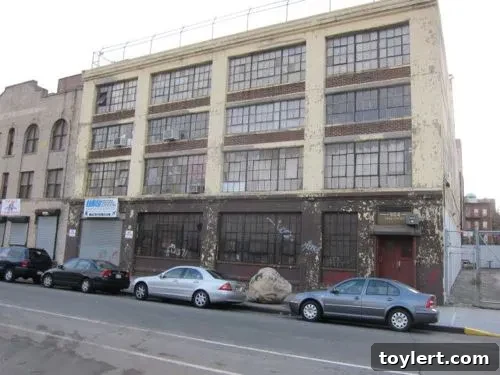
This initiative represents more than just a real estate transaction; it’s a profound statement about urban revitalization and the intricate process of repurposing underutilized industrial spaces for contemporary living. The original plans, which were to be presented before Community Board Eight’s housing and land-use committee, aimed to outline the transformation of a 31,000-square-foot building into a vibrant residential hub. Such a project, if approved, holds the potential to inject a new wave of vitality into a block that, despite its central location, still largely retains its industrial roots.
A Glimpse at 964 Dean Street: A Warehouse with Residential Potential
The property at 964 Dean Street stands as a testament to Brooklyn’s industrial past. Its considerable size, confirmed by PropertyShark data, suggests ample room for creative architectural intervention. A 31,000-square-foot footprint offers developers a generous canvas to design modern living spaces, potentially incorporating a variety of unit sizes and configurations to cater to diverse demographics. Imagine sprawling loft apartments, multi-bedroom family units, or compact studios, all within a structure that could retain elements of its industrial heritage, such as high ceilings, exposed brick, or large windows.
Adding to its potential, the site includes a small vacant lot situated to the west of the main building. This auxiliary space presents an intriguing opportunity for further enhancement. It could be developed into a communal garden, a recreational area for residents, additional parking, or even an extension of the main structure, providing flexibility in design and amenities. The careful integration of this vacant parcel could significantly boost the project’s appeal and functionality, transforming a formerly overlooked space into a valuable asset for future residents.
Location, Location, Location: Northern Crown Heights’ Allure
The specific area of northern Crown Heights where 964 Dean Street is located is a crucial element in understanding the significance of this proposal. This section of the neighborhood is currently undergoing a discernible metamorphosis, transitioning from its historical manufacturing dominance to a more residential and mixed-use character. The presence of projects like the 1000 Dean Street development, a successful example of industrial conversion that brought new life and commercial activity to the area, serves as a powerful precedent and indicator of the neighborhood’s direction.
Crown Heights itself is a highly desirable Brooklyn neighborhood, celebrated for its tree-lined streets, historic brownstones, and vibrant cultural scene. Its proximity to Prospect Park, the Brooklyn Museum, and the Brooklyn Botanic Garden, coupled with excellent public transportation links (including the A, C, 2, 3, 4, and 5 subway lines), makes it an attractive location for commuters and families alike. The streets between Classon and Franklin avenues, where 964 Dean Street resides, are particularly well-positioned to benefit from this growth, offering residents easy access to local amenities, burgeoning cafes, restaurants, and independent shops that characterize Brooklyn’s unique charm.
Navigating Zoning Challenges: Manufacturing to Residential Conversion
The most significant hurdle for the 964 Dean Street project lies in its current zoning designation. This small area of northern Crown Heights remains zoned for manufacturing (often denoted as M1-1 or similar). Manufacturing zones are specifically designated by the city to preserve industrial activities and are generally restrictive, if not prohibitory, towards residential use. This zoning framework is designed to prevent conflicts between industrial operations and residential quality of life, ensuring that manufacturing businesses have dedicated areas to operate without encroaching on housing.
To move forward with a residential conversion, developers typically need to obtain a zoning variance or undergo a rezoning process. This involves a comprehensive application to the Department of City Planning and often requires approval through the Uniform Land Use Review Procedure (ULURP). ULURP is a public review process that involves community boards, borough presidents, the City Planning Commission, and the City Council. It’s designed to ensure that significant land use changes align with the city’s broader planning goals and address local community needs and concerns.
The community forum hosted by Community Board Eight’s housing and land-use committee was precisely this type of critical initial step in the ULURP process. Such forums are vital opportunities for developers to present their plans, articulate their vision, and solicit feedback from local residents, businesses, and stakeholders. For the community, it’s a chance to voice concerns regarding potential impacts on infrastructure, traffic, school capacity, neighborhood character, and affordability. This dialogue is instrumental in shaping the project’s eventual form and often leads to modifications that better serve both the developer’s goals and the community’s interests.
Community Engagement and Impact: A Double-Edged Sword
The proposed residential conversion of 964 Dean Street presents a complex array of potential impacts on the Crown Heights community, eliciting both excitement and apprehension. On the positive side, transforming an underutilized warehouse into homes could significantly contribute to addressing Brooklyn’s persistent housing shortage. It would activate a block that currently sees limited pedestrian activity, potentially encouraging new local businesses to open, creating jobs, and fostering a more vibrant street life. New residents often bring economic stimulus, supporting local shops, restaurants, and service providers, thereby enriching the local economy.
However, such developments are not without their challenges. A primary concern frequently raised by long-term residents is the potential for gentrification and displacement. As new, often higher-income, residents move into a neighborhood, property values and rents tend to rise, sometimes making it unaffordable for existing residents and small businesses. Community boards often press developers to include affordable housing components in their projects, or to contribute to local infrastructure improvements, to mitigate these potential negative impacts. Additionally, increased population density can strain existing infrastructure, including public transportation, schools, and green spaces, necessitating careful planning and investment.
The experience of projects like 1000 Dean Street serves as a valuable case study. While it successfully repurposed an industrial site into a vibrant mixed-use complex with creative office spaces and a popular food hall, it also sparked discussions about the pace and nature of change in Crown Heights. The lessons learned from similar conversions—balancing economic growth with community preservation, ensuring equitable access, and fostering inclusive development—are highly relevant to the future of 964 Dean Street.
The Unforeseen Twist: A Canceled Presentation
In a turn of events, the applicants for the 964 Dean Street residential conversion cancelled their presentation at the last minute. While seemingly a minor administrative detail, this cancellation underscores the inherent complexities and dynamic nature of urban development projects. Such postponements can occur for a variety of reasons: the developers might be refining their plans based on initial feedback, addressing specific concerns raised by city agencies, or re-strategizing their approach to community engagement. It could also indicate a need for more time to gather necessary documentation, secure additional financing, or address unforeseen logistical challenges.
For the community, a cancelled presentation can be a source of frustration, but it also provides a temporary reprieve for further contemplation and organization. It allows residents and community leaders more time to research, discuss, and formulate their questions and concerns, ensuring a more robust and informed dialogue when the proposal is eventually re-presented. This pause highlights that the path from industrial warehouse to residential haven is rarely straightforward, often involving intricate negotiations, adjustments, and ongoing communication between developers, city officials, and the local community.
Looking Ahead: The Future of 964 Dean Street
The proposal for 964 Dean Street remains a significant point of interest for Crown Heights. While the initial community forum was postponed, the underlying potential and challenges of the project persist. The eventual conversion of this 31,000-square-foot warehouse, coupled with the development of the adjacent vacant lot, could indeed bring a renewed sense of life and purpose to this still largely industrial block. It symbolizes the broader trend across Brooklyn and other urban centers where former manufacturing hubs are being reimagined as residential and mixed-use districts, reflecting a shift in economic priorities and a growing demand for urban living.
The journey of 964 Dean Street is far from over. It will continue to be a focal point for discussions on responsible development, the delicate balance between preserving a neighborhood’s historical character and embracing its evolution, and the critical role of community involvement in shaping the future of our cities. As Crown Heights continues its transformation, the decisions made regarding properties like 964 Dean Street will undoubtedly contribute to the unique fabric of one of Brooklyn’s most dynamic and beloved neighborhoods.