Editor’s Note: This post originally ran in 2015 and has been updated. You can read the previous post here.
Celebrating Freedom: A Deep Dive into Independence Day and the Fourth of July
Every year, as summer fully embraces the United States, the air fills with a distinct sense of anticipation leading up to July 4th. This date, known universally as Independence Day, stands as a cornerstone of American identity, celebrated with unparalleled enthusiasm and deep patriotic fervor. It commemorates a pivotal moment in history: July 4, 1776, when the thirteen American colonies formally declared their independence from Great Britain. This bold assertion of sovereignty was articulated through the Declaration of Independence, a document that not only severed colonial ties but also laid down the philosophical bedrock for a new nation founded on principles of liberty, equality, and self-governance. It remains one of the most powerful and influential documents in the annals of human history, a beacon of freedom that continues to inspire.
While the iconic date of July 4th is etched into the collective American consciousness, historical nuances suggest a slightly more complex timeline. Some modern historical analyses point to July 2nd, 1776, as the actual date when the Continental Congress voted to approve the resolution for independence. The Declaration of Independence itself, penned primarily by Thomas Jefferson, was then adopted and ratified on July 4th. This slight discrepancy, however, has done little to diminish the significance of the chosen day. John Adams, a key figure in the revolutionary movement and later the second U.S. President, famously wrote to his wife Abigail on July 3rd, 1776, predicting the future of this momentous event. He referred to July 2nd as the “most memorable Epocha, in the History of America” and stated, “I am apt to believe that it will be celebrated, by succeeding Generations, as the great anniversary Festival.” Despite Adams’s conviction, it was the formal adoption and public announcement of the Declaration two days later that captured the public imagination and solidified July 4th as the nation’s perennial birthday.
The Genesis of a Nation: Understanding the Declaration of Independence
The Declaration of Independence is far more than a mere statement of separation; it is a profound philosophical treatise that articulated the Enlightenment ideals challenging monarchical rule and asserting the rights of man. Drafted by a committee that included Thomas Jefferson, John Adams, Benjamin Franklin, Roger Sherman, and Robert R. Livingston, its soaring rhetoric and eloquent arguments for natural rights – life, liberty, and the pursuit of happiness – resonated deeply. It enumerated a long list of grievances against King George III and the British Crown, justifying the colonies’ decision to break away. This document wasn’t just a political announcement; it was a revolutionary manifesto that galvanized support for the nascent American cause and provided a moral compass for the new republic. Its principles, particularly the concept that governments derive “their just powers from the consent of the governed,” continue to shape political discourse and democratic movements worldwide.
The signing of the Declaration was a perilous act of treason against the British Crown, placing the lives and fortunes of the signers at immense risk. Yet, they acted with profound conviction, believing that the cause of liberty was paramount. This courage underpins the reverence with which Americans view the Declaration, not merely as a historical relic but as a living testament to the foundational values of the United States. Its words continue to inspire debates about freedom, justice, and the role of government, making it a timeless and essential text for understanding American identity.
Evolving Traditions: How America Celebrates Its Birthday
The earliest celebrations of Independence Day were often boisterous and highly symbolic. Following the Declaration’s public readings in cities like Philadelphia and New York, bells rang, bonfires were lit, and cannons were fired in jubilant defiance. Soldiers paraded, and colonists engaged in spontaneous celebrations, often involving effigies of the King and loud public demonstrations. George Washington himself ordered a double ration of rum for his soldiers on July 4, 1776, marking the occasion with military fanfare. These early festivities were not just about joy; they were crucial for fostering a collective national identity and reinforcing the revolutionary spirit in a fledgling nation still engaged in a brutal war for survival.
As the United States matured, so did its Fourth of July traditions. By the 19th century, parades featuring civic leaders, military companies, and benevolent societies became commonplace. Orations and speeches, often delivered by prominent citizens, would remind the populace of the sacrifices made for independence and the virtues of republicanism. Fireworks, initially rudimentary and often dangerous, grew in sophistication and popularity, becoming an indispensable part of the celebration. Picnics, feasts, and family gatherings also emerged as central elements, allowing communities to bond and reflect on their shared heritage in a more relaxed setting. The holiday evolved from a purely political commemoration to a widespread national festival embracing both public spectacle and private camaraderie.
Modern Day Revelry: Barbecues, Fireworks, and Community Spirit
Today, the Fourth of July remains arguably the most cherished secular holiday in the United States, embodying a blend of historical reflection and unbridled festivity. For many, it signifies the height of summer, a time for relaxation, family reunions, and outdoor activities. Barbecues and picnics are ubiquitous, with backyards and parks across the country filled with the aroma of grilled food. Families and friends gather, often donning patriotic attire in red, white, and blue, to enjoy good company and delicious food.
The evening crescendo of Independence Day is almost always marked by spectacular fireworks displays. From grand municipal shows illuminating city skylines to smaller, local pyrotechnic displays, fireworks are synonymous with the Fourth. They symbolize the “rockets’ red glare, the bombs bursting in air” from Francis Scott Key’s “The Star-Spangled Banner,” reminding onlookers of the battles fought to secure freedom. Parades, often featuring marching bands, local organizations, and vintage vehicles, continue to be a staple in towns and cities, uniting communities in a public display of civic pride. Concerts featuring patriotic music and community festivals further enhance the celebratory atmosphere, fostering a sense of unity and shared national identity.
Independence Day in New York: A Tapestry of History and Spectacle
New York, with its deep historical roots and vibrant modern culture, offers a particularly rich backdrop for Independence Day celebrations. Historically, New York City was a crucial battleground during the Revolutionary War, and many significant events transpired on its soil. General George Washington’s reading of the Declaration of Independence to his troops in New York on July 9, 1776, was a moment of profound symbolism and defiance. Today, New Yorkers and visitors alike can experience a blend of historical reflection and contemporary grandeur.
The most iconic celebration in New York is undoubtedly the Macy’s Fourth of July Fireworks display over the East River. This annual spectacle, one of the largest and most elaborate in the nation, draws millions of spectators and is broadcast nationally. Its breathtaking scale and artistic design make it a quintessential New York experience. Beyond the urban lights, upstate New York towns like Gilbertsville, mentioned in the original context, offer a different, perhaps more intimate, flavor of celebration. Small-town parades, community picnics, and local fireworks shows reflect a deep-seated tradition of communal festivity, preserving the spirit of independence in a way that feels both timeless and deeply personal. These diverse celebrations across New York state underscore the varied ways Americans connect with their nation’s founding story, from grand metropolitan shows to charming rural gatherings.
The Enduring Spirit of American Independence
Beyond the festive activities, Independence Day serves as a vital annual reminder of the fundamental principles upon which the United States was founded. It’s a day for Americans to reflect on the immense sacrifices made by the Founding Fathers and generations of citizens who have worked to uphold and expand the ideals of liberty and justice. It encourages contemplation on the nation’s journey, its triumphs, its struggles, and its continuous pursuit of a more perfect union.
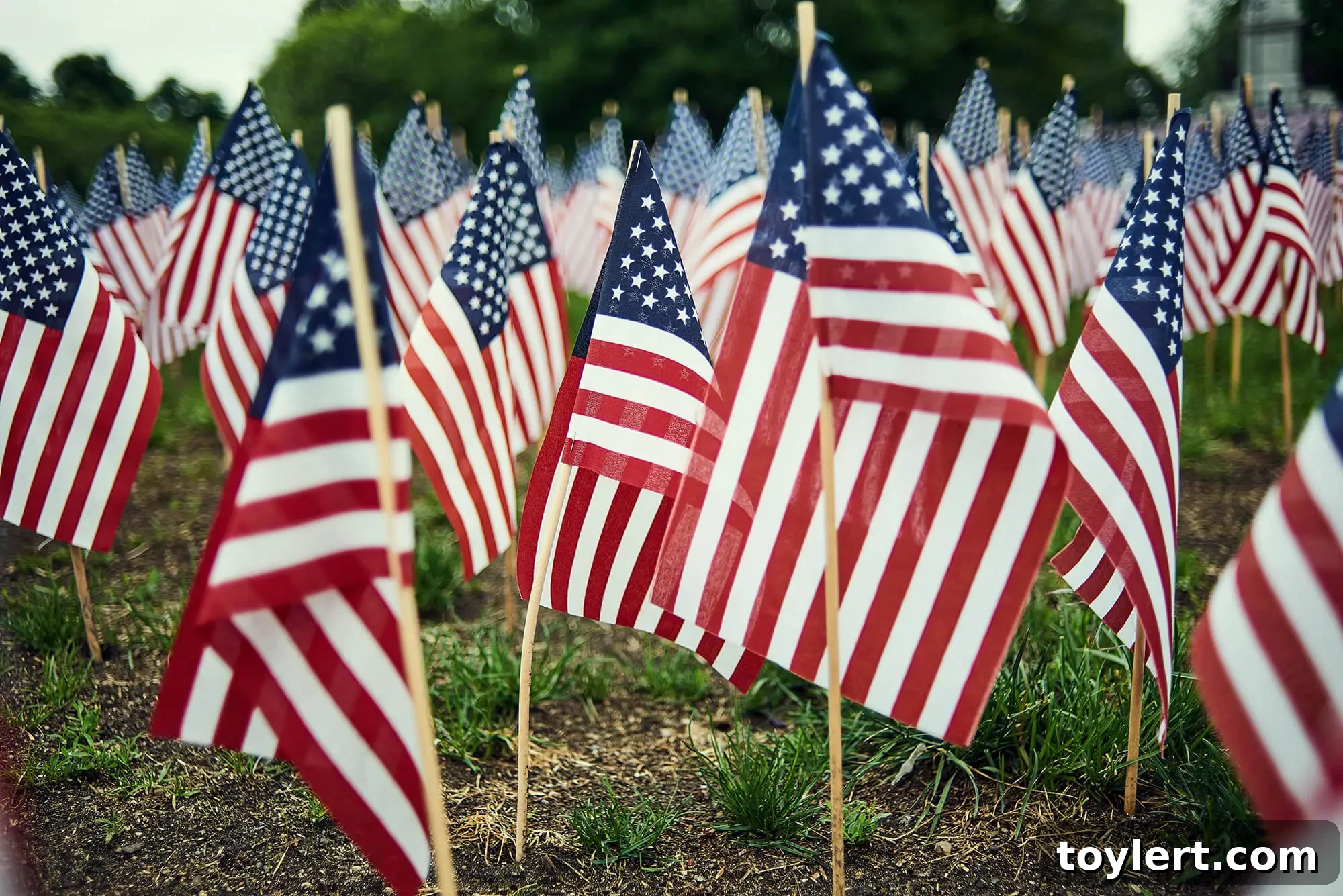
The Fourth of July is not just a holiday; it’s a testament to the enduring human desire for freedom and self-determination. It celebrates the spirit of revolution, innovation, and resilience that defines the American character. As fireworks light up the night sky and flags wave proudly, Independence Day offers a moment for unity, gratitude, and a renewed commitment to the principles that continue to guide the nation. It is a day to honor the past, celebrate the present, and look forward to the future with hope and determination.