New York City News Digest: Unpacking Key Developments and Trends Shaping the Metropolis
Welcome to our comprehensive New York City News Digest, where we delve into the most impactful stories and emerging trends across the five boroughs. From groundbreaking artistic transformations and innovative urban planning initiatives to critical social programs and evolving economic landscapes, NYC remains a vibrant hub of activity and constant change. This curated roundup aims to provide a deeper understanding of the headlines, offering essential context, potential implications, and insightful analysis that goes beyond the surface. Stay informed about the pulse of New York City with our detailed overview of recent events, highlighting the resilience, creativity, and ongoing challenges that define this iconic global city.
Brooklyn’s Iconic ‘Batcave’ Reborn as Gotham’s Art Factory: A Cultural Landmark Emerges
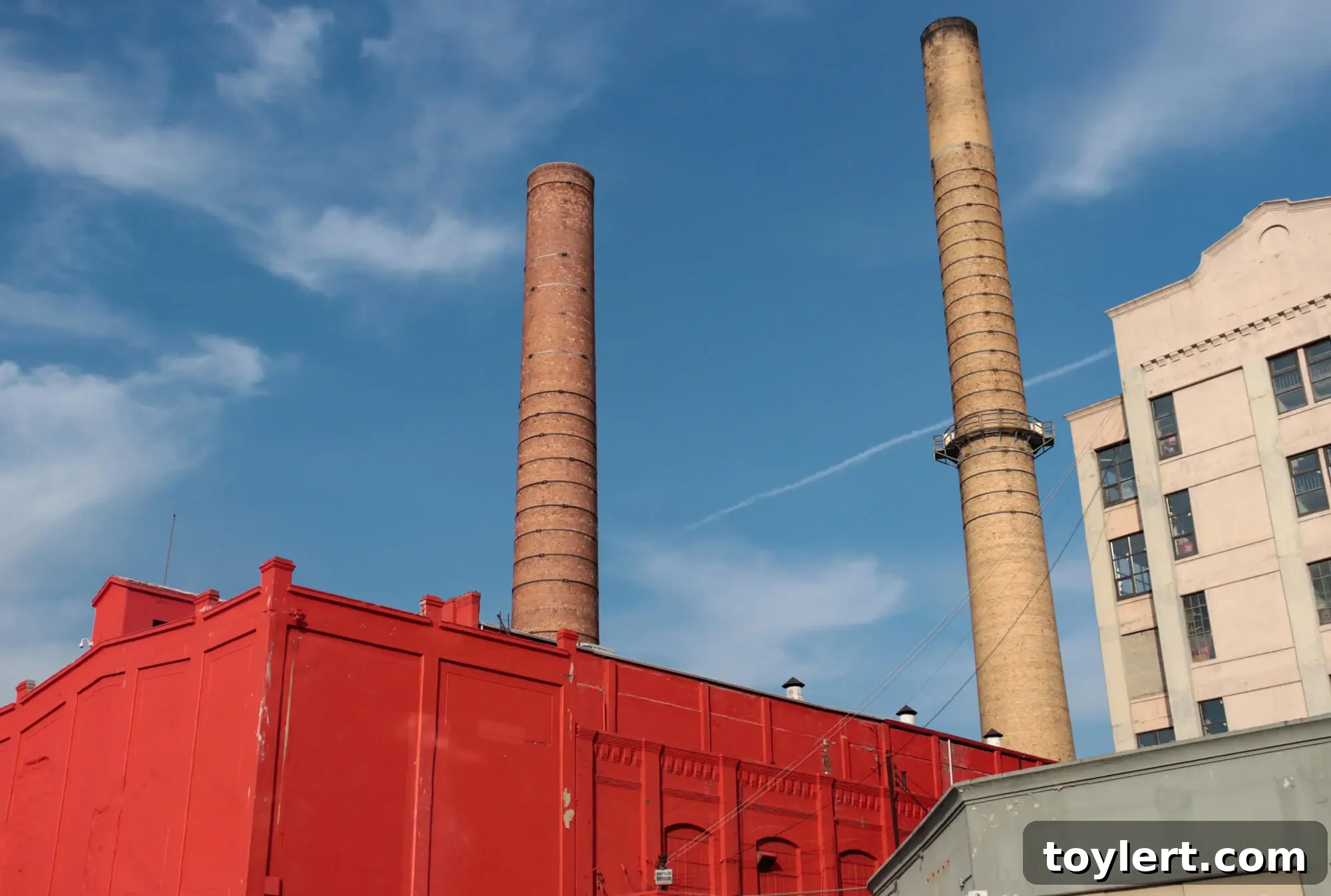
The storied “Batcave” in Brooklyn, a former Long Island Rail Road power station with a rich industrial history, is undergoing a profound metamorphosis, setting the stage for a new chapter in New York City’s vibrant art scene. Once an abandoned, graffiti-adorned relic, this architectural marvel is being meticulously transformed into a dynamic hub for the arts, affectionately dubbed “Gotham’s Art Factory.” As prominently featured in the New York Times, this ambitious project signifies a substantial investment in Brooklyn’s cultural infrastructure and creative economy. Developers and community stakeholders envision the Powerhouse Arts facility as a thriving center for artists, innovators, and the public, further solidifying the borough’s reputation as a global art capital. The transformation promises not only to preserve a significant piece of New York’s industrial heritage but also to foster new creative endeavors, provide accessible studio spaces, and offer public programming for artistic expression. This revitalization is expected to invigorate the local economy, attract cultural tourism, and serve as a beacon for urban renewal, demonstrating how disused industrial sites can be successfully repurposed to meet contemporary community and cultural demands while honoring their past.
Atlantic Avenue to Host Third Annual ArtWalk: Transforming a Major Thoroughfare into an Open-Air Gallery
Atlantic Avenue, one of Brooklyn’s most historic and bustling thoroughfares, is once again poised for a creative transformation, set to become an expansive open-air art gallery during its Third Annual ArtWalk. As reported by the Brooklyn Paper, this highly anticipated event invites both local residents and visitors to explore a diverse array of artistic expressions displayed within storefronts, public spaces, and pop-up installations along the avenue. The ArtWalk serves as a vibrant platform for local artists to showcase their talents, ranging from painting and sculpture to photography and multimedia installations. Beyond its aesthetic appeal, the event fosters deep community engagement, encouraging pedestrian exploration of the avenue’s unique blend of independent shops, restaurants, and cultural institutions. Participating businesses benefit from increased foot traffic and community interaction, while attendees gain a fresh perspective on their neighborhood and discover new artistic voices. This annual initiative underscores Brooklyn’s commitment to supporting its artistic community and enhancing public spaces through cultural programming, ultimately enriching the urban experience and strengthening the local economy.
Mayor Temporarily Suspends Shelter Review Process Amidst Evolving Migrant Crisis
In a significant move addressing the ongoing challenges of housing an unprecedented influx of asylum seekers, New York City’s Mayor has temporarily suspended the shelter review process. As detailed by amNY, this decision aims to streamline the identification and activation of new shelter sites, effectively reducing bureaucratic barriers that have historically slowed the process. The temporary suspension reflects the critical urgency of the situation, as the city grapples with providing humanitarian aid and stable housing for thousands of migrants arriving daily. While intended to expedite solutions, this measure also brings complex implications for both the asylum seekers, who face frequent relocations, and the communities where new shelters are established, often without extensive prior consultation. The Mayor’s office states that this is a temporary but necessary step to manage the humanitarian crisis, underscoring the severe strain on the city’s resources and the ongoing need for both federal and state support. This development highlights the multifaceted challenges New York City faces in balancing immediate humanitarian needs with long-term urban planning and community integration strategies.
Awoke Vintage Expands with New Location on Franklin Street in Greenpoint
Greenpoint’s vibrant retail landscape continues to evolve with the opening of a new Awoke Vintage location on Franklin Street. As announced by Greenpointers, this expansion marks a significant moment for the popular vintage retailer and for the neighborhood itself. Awoke Vintage, known for its curated selection of unique and sustainable fashion pieces, caters to a growing demand for pre-loved clothing that aligns with eco-conscious consumer values. The choice of Franklin Street, a bustling corridor known for its independent boutiques, cafes, and local charm, reinforces Greenpoint’s appeal as a destination for distinctive shopping experiences. The opening of a new store not only contributes to the local economy by creating jobs and attracting shoppers but also enhances the street’s character, further solidifying Greenpoint’s reputation as a fashionable and forward-thinking community. This move reflects a broader trend in urban retail, where sustainability and unique brand identities are increasingly valued by New Yorkers looking for alternatives to fast fashion and mass-market chains.
Battery Fires Pose Significant Risk for Workers Amidst NYC’s Food Delivery Boom
The burgeoning food delivery industry in New York City, while offering convenience and employment, is simultaneously creating a serious safety hazard for its workers: the escalating risk of battery fires. As meticulously reported by Gothamist, electric bicycles (e-bikes) and their powerful lithium-ion batteries, essential tools for delivery personnel, have become a perilous source of concern. These batteries, especially those that are unregulated, improperly charged, or cheaply manufactured, are prone to overheating and catching fire, often with explosive force. Such incidents not only destroy property but also pose life-threatening risks to the workers themselves and the residents in buildings where these fires occur. The article highlights a growing sentiment among delivery workers who express feeling unsafe due to these prevalent hazards. This critical issue underscores the need for robust regulation, improved battery safety standards, and greater responsibility from both e-bike manufacturers and the food delivery platforms that rely on these workers. Addressing this problem requires a concerted effort to protect the lives and livelihoods of the essential workforce that keeps New York City moving.
NYC’s Billionaires Engage in High-Stakes Bids for Casino Legacy
The pursuit of a coveted casino license in New York City has unveiled a fascinating, and at times controversial, spectacle involving some of the city’s most prominent billionaires. As critically observed by Curbed, these influential figures appear to be “debasing themselves” in their fierce competition for what they perceive as a lasting legacy and a hugely profitable venture. The article delves into the intense lobbying, elaborate proposals, and the public relations campaigns launched by various consortiums, often spearheaded by well-known personalities like Jay-Z and powerful figures such as Steve Cohen. The debate surrounding new casinos in NYC is multifaceted, touching upon potential economic benefits, such as job creation and increased tax revenue, against concerns regarding increased gambling addiction, traffic congestion, and the impact on community character. Curbed’s commentary emphasizes the significant moral and ethical questions raised by allowing such high-stakes gambling establishments to proliferate within the city, particularly when powerful interests seem willing to go to great lengths to secure their slice of the pie. This ongoing saga highlights the complex interplay between urban development, economic policy, and the influence of wealth in shaping New York’s future landscape.
City Allocates $30 Million for Enhancing Open Streets and Public Spaces in Underserved Neighborhoods
In a significant commitment to equitable urban development and community well-being, New York City has announced an allocation of an additional $30 million for the management and programming of its “Open Streets” initiative, with a specific focus on “needy nabes” or underserved neighborhoods. As reported by Streetsblog, this substantial funding boost aims to transform temporary pandemic-era street closures into permanent, vibrant public spaces that genuinely benefit local residents. The “Open Streets” program, which repurposes roadways for pedestrian use, recreation, and community events, has proven invaluable in providing much-needed public space in dense urban environments. By directing resources towards “needy nabes,” the city is explicitly addressing historical inequities in access to green spaces and recreational facilities. This investment will facilitate better maintenance, enhance programming (such as fitness classes, cultural events, and children’s activities), and potentially lead to more robust infrastructure improvements in these designated zones. The initiative reflects a progressive vision for urban planning, prioritizing pedestrian safety, community engagement, and the creation of accessible, vibrant public realms for all New Yorkers, especially those in historically marginalized areas.
NYC’s Guaranteed Income Program for Mothers Transitions from Pilot to Permanent Status
In a landmark decision affirming the positive impact of direct cash assistance, New York City’s Guaranteed Income program for mothers is officially transitioning from a pilot project to a permanent initiative. As highlighted by City Lab, this significant expansion underscores the program’s proven success in providing financial stability and improving the well-being of low-income families. Initially launched as an experimental program to explore the benefits of Universal Basic Income (UBI) or similar unconditional cash transfers, the initiative specifically targeted mothers, recognizing their crucial role in family stability and the disproportionate economic challenges they often face. The decision to make it permanent is based on compelling data indicating enhanced food security, reduced stress, improved health outcomes, and greater opportunities for participants to invest in their children’s education and future. This move positions New York City at the forefront of social welfare innovation, challenging traditional welfare models and advocating for a more empowering, dignified approach to poverty reduction. The program’s permanence signifies a growing recognition of the effectiveness of guaranteed income models in fostering economic resilience and promoting greater equity within urban populations.
Billie Holiday Theatre Appoints Met Vet Amidst Major Renovation Project
The iconic Billie Holiday Theatre, a cultural cornerstone in Brooklyn’s Bedford-Stuyvesant neighborhood, is embarking on an exciting new chapter, marked by a massive renovation project and the appointment of a seasoned veteran from the Metropolitan Opera. As reported by Patch, the theatre’s decision to bring in a “Met Vet” — an individual with extensive experience from a prestigious institution like the Met Opera — signals a strategic move to elevate its artistic programming and operational excellence. The “massive renovation project” aims to modernize the historic venue, enhancing its technical capabilities, improving audience comfort, and expanding its capacity to host a wider range of theatrical productions, musical performances, and community events. This dual development underscores a concerted effort to not only preserve the legacy of the Billie Holiday Theatre, which has long served as a vital platform for Black artists and narratives, but also to position it for future growth and broader cultural impact. The infusion of new leadership and significant infrastructure upgrades promises to strengthen the theatre’s role as a vibrant artistic anchor for Bed-Stuy and the wider New York City arts community, attracting new audiences and fostering artistic innovation.
Migrants Abruptly Relocated from Coney Island School to Midtown Facilities
In a stark illustration of the ongoing logistical challenges and human impact of New York City’s migrant crisis, a group of asylum seekers was abruptly relocated from a temporary shelter in a Coney Island school to new facilities in Midtown. As documented by The City, this sudden shuffle highlights the immense pressure on the city to find suitable and sustainable housing solutions for thousands of vulnerable individuals. The relocation from school gyms, which were temporarily pressed into service as emergency shelters, reflects the city’s efforts to free up educational spaces while simultaneously attempting to manage an ever-growing population in need of assistance. However, such abrupt moves often cause significant distress and disruption for the migrants, many of whom have already endured arduous journeys and multiple displacements. The report sheds light on the criticisms directed at the city’s handling of the crisis, particularly regarding communication, coordination, and the provision of adequate support services during these transitions. This ongoing situation underscores the complex humanitarian, logistical, and political dimensions of providing sanctuary and stability within one of the world’s most densely populated cities.
Moskovits and Lichtenstein Still Entangled in Williamsburg Hotel Project Complications
The intricate world of New York City real estate development often presents its share of complexities and protracted disputes, and the situation surrounding a particular Williamsburg hotel project continues to be a prime example. As reported by The Real Deal (TRD), prominent developers Moskovits and Lichtenstein remain deeply entangled in what has been described as a “mess” concerning their Williamsburg hotel endeavor. This ongoing saga underscores the often-turbulent nature of large-scale construction, financing, and investment in highly sought-after and rapidly developing neighborhoods like Williamsburg, Brooklyn. Issues can range from intricate legal battles and financing complications to regulatory hurdles, unforeseen construction problems, and even community opposition. For developers, navigating this complex landscape demands significant expertise, resilience, and often, extensive negotiation. For the community, these projects represent both potential economic benefits through job creation and tourism, as well as concerns about neighborhood character, infrastructure strain, and affordability. The eventual resolution of this particular situation will undoubtedly offer valuable insights into the dynamics of urban development and the delicate balance between developers, investors, and local stakeholders in one of NYC’s most vibrant and rapidly evolving real estate markets.
This comprehensive New York City News Digest aims to provide a granular snapshot of the metropolis’s multifaceted environment, highlighting the ongoing efforts to address various urban challenges and capitalize on new opportunities. From cultural revitalization and innovative economic policy adjustments to critical community safety initiatives and robust social support systems, New York City remains a dynamic testament to constant change, remarkable resilience, and unwavering forward momentum. We encourage our readers to explore the linked sources for more in-depth reporting and nuanced perspectives on these crucial developments that continue to shape the lives of millions.