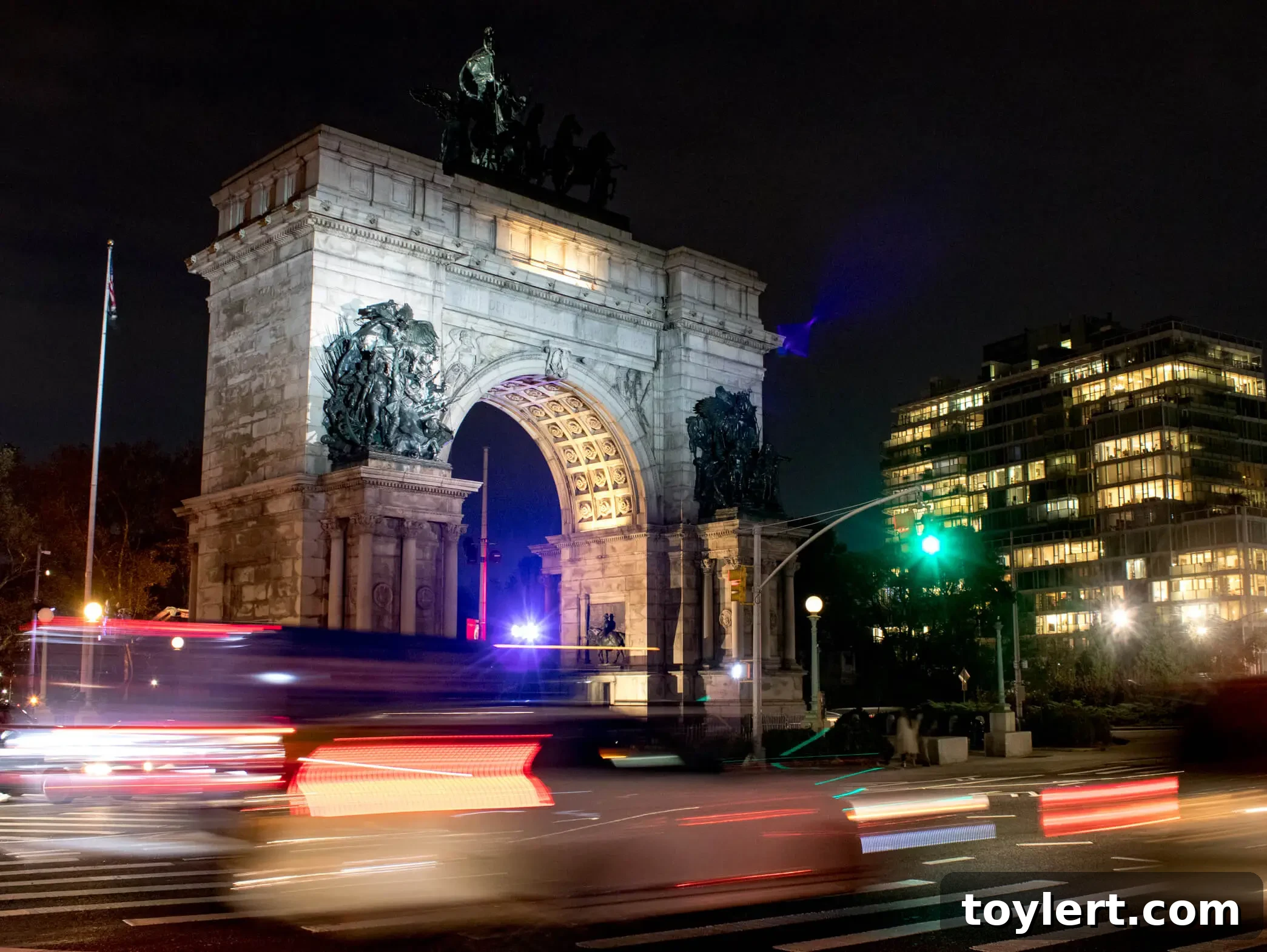
Brooklyn’s Grand Army Plaza: Paving the Way for a Car-Free Future
A monumental transformation is on the horizon for one of Brooklyn’s most iconic landmarks, Grand Army Plaza. The New York City Department of Transportation (NYC DOT) is actively exploring a proposal to reimagine this historic traffic nexus as a dynamic, car-free public space. This ambitious initiative, if realized, represents a significant stride in the Adams administration’s efforts to rebalance urban environments, shifting away from automobile dominance towards a more pedestrian-centric city.
The concept, initially brought to light by Gothamist, citing a senior DOT executive, is currently in its nascent stages. While no definitive blueprints have been laid and actual construction remains years away, the vision heralds a profound alteration to Brooklyn’s urban fabric. The DOT has already initiated crucial community outreach efforts, commencing with an informational booth at the plaza and followed by a virtual outreach session held on November 16th. Residents and stakeholders are also encouraged to contribute their perspectives through a dedicated online survey, ensuring a participatory design process.
The Vision: A Pedestrian Paradise at Brooklyn’s Gateway
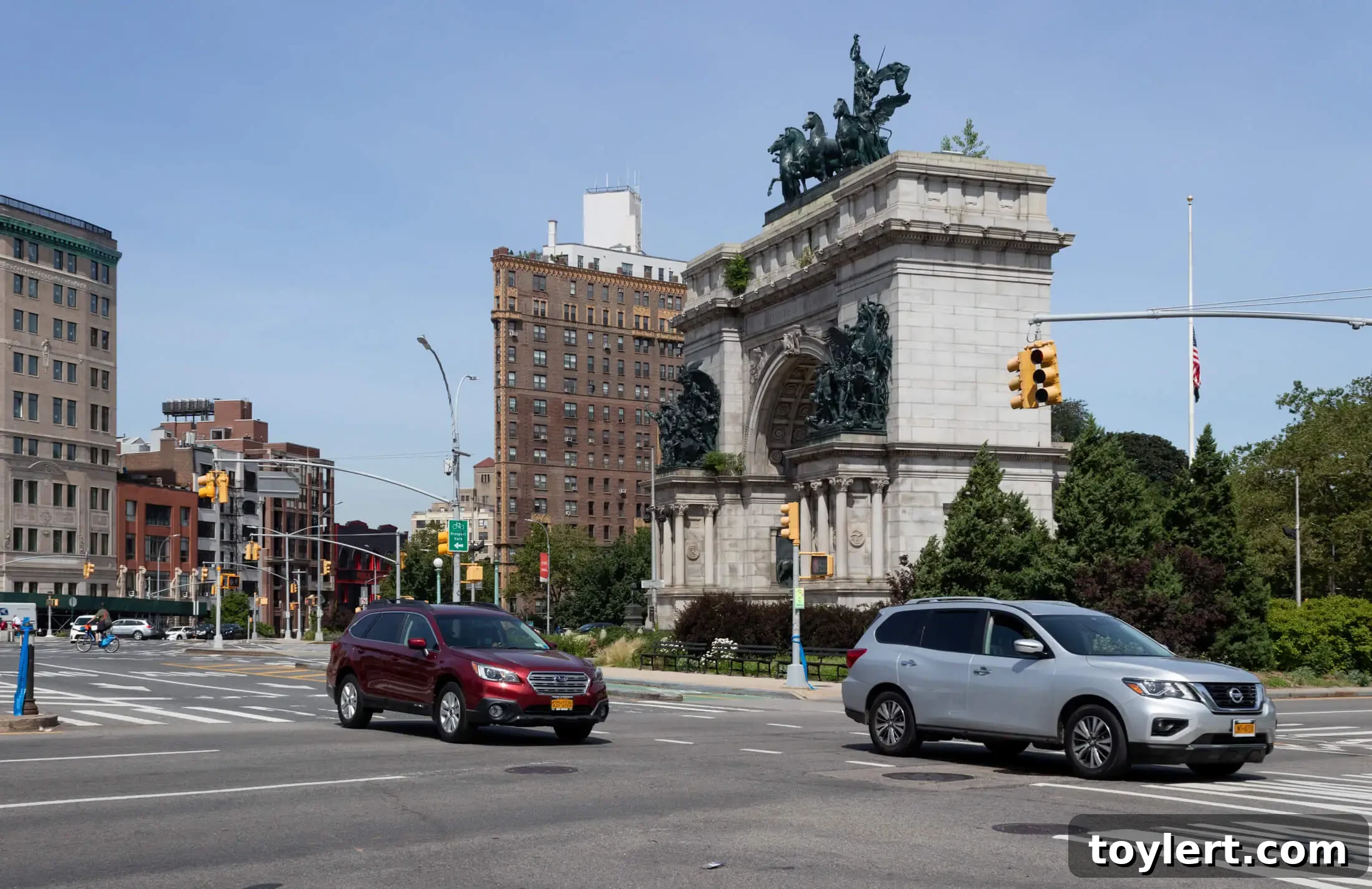
For decades, Grand Army Plaza has functioned primarily as a high-volume traffic circle, serving as a gateway to Prospect Park and a crucial link between vibrant neighborhoods like Park Slope and Prospect Heights. However, its current configuration often prioritizes vehicular flow over human experience, leading to challenges in pedestrian safety, air quality, and noise pollution. The DOT’s consideration of a car-free redesign acknowledges long-standing community calls for pedestrianization, aiming to reclaim this significant urban space for people.
A car-free Grand Army Plaza envisions a transformed landscape where the majestic Soldiers’ and Sailors’ Arch stands as the true centerpiece, no longer an island surrounded by roaring traffic. Imagine expansive green areas, comfortable seating, dedicated zones for public art installations, and flexible spaces capable of hosting community events, farmers’ markets, or simply providing tranquil spots for relaxation. This reimagining aligns with a global movement towards creating more livable, sustainable, and equitable cities, where public spaces foster community connection and enhance the quality of urban life.
Historical Significance and Present-Day Challenges
Grand Army Plaza holds a profound place in Brooklyn’s history and collective identity. Designed by Frederick Law Olmsted and Calvert Vaux, the visionary landscape architects behind Central Park and Prospect Park, the plaza was conceived as a grand entrance, a ceremonial space. At its heart stands the Soldiers’ and Sailors’ Arch, a tribute to Union Army forces. Yet, over time, the exigencies of modern urban planning transformed it into a complex, multi-lane rotary, often a source of confusion and danger for pedestrians and cyclists.
The current setup presents numerous challenges:
- Pedestrian Safety: Navigating the multiple lanes of traffic and convoluted crossings can be perilous, deterring people from fully experiencing the plaza and accessing Prospect Park.
- Environmental Impact: Constant vehicular traffic contributes significantly to air and noise pollution, diminishing the area’s appeal and impacting public health.
- Fragmented Public Space: The plaza, despite its impressive scale, feels disconnected and inaccessible, with its core elements isolated by the flow of cars.
- Underutilized Potential: A space with such historical and architectural grandeur remains largely unappreciated as a true public gathering spot due to the dominance of automobiles.
The Multifaceted Benefits of a Car-Free Redesign
The potential benefits of transforming Grand Army Plaza into a car-free zone are extensive and far-reaching, promising to enrich the lives of Brooklyn residents and visitors alike. This initiative is more than just about removing cars; it’s about investing in a healthier, safer, and more vibrant urban environment.
Enhanced Public Realm and Community Engagement
By eliminating vehicular traffic, the plaza would instantly expand into a vast, uninterrupted public realm. This newfound space could host a diverse array of activities, from cultural festivals and art installations to recreational opportunities and casual gatherings. It would provide a much-needed venue for community interaction, strengthening social ties and fostering a greater sense of belonging. Imagine children playing safely, artists performing, or friends simply enjoying a peaceful afternoon without the constant hum of traffic.
Improved Environmental Quality and Sustainability
A car-free plaza would significantly reduce local air pollution and greenhouse gas emissions, contributing to cleaner air and a healthier environment for surrounding neighborhoods. Decreased noise pollution would create a more tranquil atmosphere, enhancing the enjoyment of Prospect Park and the residential areas nearby. This move aligns with broader sustainability goals, promoting active transportation and reducing reliance on fossil fuels.
Prioritizing Pedestrian Safety and Accessibility
The primary beneficiaries of a car-free design would be pedestrians and cyclists. Eliminating fast-moving traffic would drastically reduce the risk of accidents and create safe, intuitive pathways. This increased accessibility would encourage more people to walk, bike, and utilize public transit, integrating the plaza more seamlessly into the urban pedestrian network. It would also make the plaza more welcoming for individuals with mobility challenges, families with strollers, and children.
Economic Revitalization and Local Impact
Successful pedestrianization projects in other major cities have demonstrated a positive economic impact on surrounding businesses. Increased foot traffic often translates into higher sales for local shops, cafes, and restaurants. A vibrant, activated public space can become a destination in itself, drawing visitors and fostering a thriving local economy in Park Slope and Prospect Heights.
NYC DOT’s Approach: Collaboration and Comprehensive Study
The NYC DOT’s consideration of this project is part of a larger, comprehensive “Prospect Heights Public Space Study.” This broader initiative signals a commitment to examining and enhancing public spaces throughout the area, with Grand Army Plaza as a pivotal component. The agency has been transparent in stating that while pedestrianization is a long-term goal for many, no final design decisions have been made. This openness underscores the collaborative nature of the project.
The initial community outreach, including the plaza booth and virtual session, is critical for gathering diverse perspectives. An online survey further enables residents to voice their concerns, offer suggestions, and articulate their vision for the plaza’s future. This robust public engagement process is essential for creating a design that truly reflects the needs and aspirations of the communities it serves, ensuring that the transformation is both impactful and widely supported.
Navigating Potential Challenges and Future Steps
While the vision of a car-free Grand Army Plaza is compelling, realizing it will undoubtedly involve navigating several complex challenges. Key considerations include:
- Traffic Management: Rerouting the substantial traffic flow that currently utilizes the plaza will require meticulous planning to avoid simply displacing congestion onto neighboring streets.
- Logistics: Ensuring access for emergency services, local deliveries, and essential city operations within the new design will be paramount.
- Construction Impact: The transformation will involve significant construction, which could lead to temporary disruptions for residents and businesses.
- Public Consensus: While many advocate for pedestrianization, addressing concerns from all stakeholders, including those who rely on vehicular access, will be crucial for broader acceptance.
The NYC DOT’s ongoing study aims to address these challenges proactively, exploring various design options and traffic mitigation strategies. The success of similar projects in cities like London, Paris, and even within New York City itself (such as the pedestrianization of Times Square) provides valuable precedents and lessons learned. These examples demonstrate that with careful planning, robust public engagement, and innovative design, such transformations can indeed be successful.
A Vision for Brooklyn’s Future
The proposed car-free redesign of Grand Army Plaza represents more than just a change in traffic patterns; it symbolizes a bold re-imagining of urban life in Brooklyn. It’s a testament to the idea that our cities can evolve, becoming more human-centered, greener, and more resilient. By prioritizing people over vehicles, this project has the potential to create a world-class public space that serves as a vibrant civic heart for Brooklyn, connecting communities and enhancing the quality of life for generations to come.
As the conversation continues and designs begin to take shape, the active participation of Brooklyn residents will be instrumental in forging a future for Grand Army Plaza that is truly reflective of its historical grandeur and its potential as a beacon of sustainable urban design. The journey towards a car-free future for this iconic Brooklyn landmark is an exciting one, promising a more accessible, beautiful, and lively space for all.