Gowanus Rezoning: Unlocking Development Potential with the Sale of MTA Air Rights
In a significant move poised to reshape the urban landscape of Brooklyn’s Gowanus neighborhood, city officials have revealed plans to integrate the sale of substantial publicly owned air rights into the ongoing Gowanus rezoning application. This development, detailed in official documents, underscores a strategic approach to maximizing development potential and funding critical infrastructure projects within one of New York City’s most dynamic corridors.
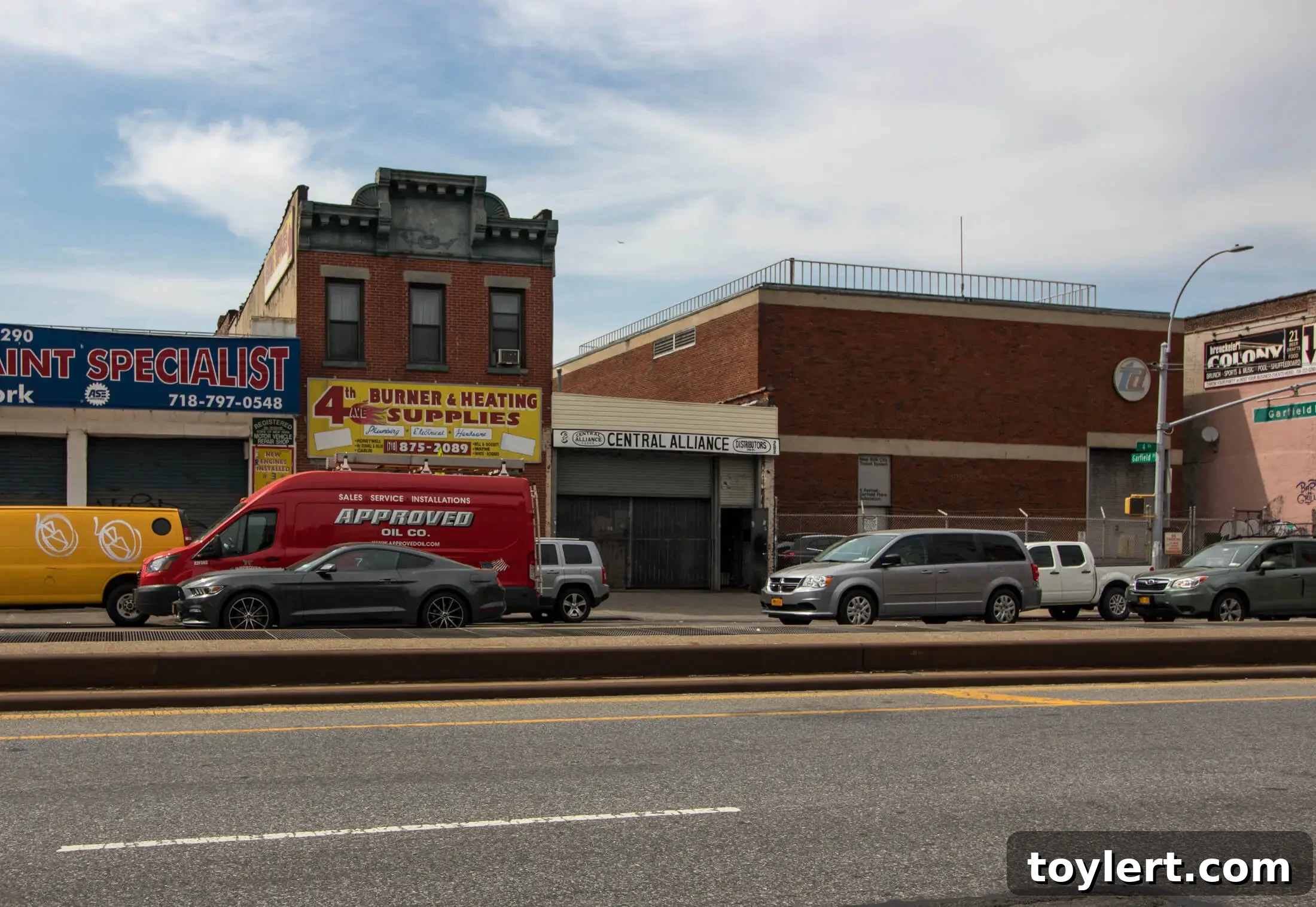
The spotlight falls on a specific parcel of development rights: an impressive 51,000 square feet of newly generated air rights above the Metropolitan Transportation Authority’s (MTA) Garfield Substation, located at 276 4th Avenue, near Garfield Place. This considerable volume of development potential, equivalent to more than a football field, is explicitly outlined in the comprehensive Draft Environmental Impact Statement (DEIS) for the rezoning. The sale of these valuable air rights is a key component of the broader rezoning strategy, designed to foster growth and introduce a vibrant mix of residential, commercial, and community spaces to the area.
Understanding the Transformative Gowanus Rezoning Initiative
The Gowanus rezoning is not merely a change in zoning maps; it represents a comprehensive urban planning strategy aimed at transforming a historically industrial area into a thriving, mixed-use community. For decades, Gowanus has been characterized by its unique canal, industrial heritage, and underutilized parcels. However, with its strategic location between established neighborhoods like Park Slope, Carroll Gardens, and Boerum Hill, the area has long been eyed for revitalization.
The primary objectives of the rezoning include addressing the city’s urgent need for affordable housing, promoting economic development, and enhancing public access to the waterfront. By revising existing zoning regulations, the plan seeks to facilitate the construction of thousands of new residential units, including a significant percentage dedicated to affordable housing, alongside new commercial spaces, cultural institutions, and much-needed public amenities.
Crucially, the rezoning is intrinsically linked to the ongoing environmental cleanup of the Gowanus Canal, a federal Superfund site. The ambitious vision for Gowanus is to create a sustainable, resilient neighborhood that coexists harmoniously with its unique ecological features. This holistic approach necessitates careful planning regarding infrastructure, open space, and environmental protection, making the DEIS a foundational document for the entire process.
The Mechanics and Value of Air Rights in Urban Development
At the heart of this particular aspect of the Gowanus rezoning lies the concept of “air rights,” or more formally, Transferable Development Rights (TDRs). In dense urban environments like New York City, where developable land is scarce and expensive, air rights represent the unused development potential above a property. Property owners typically possess not just the land beneath their feet but also the rights to develop a certain volume of space above it, as defined by zoning regulations.
When a property owner, such as the MTA in this case, does not fully utilize their maximum allowable building height or bulk, they can sell these unused development rights to an adjacent or nearby landowner. The buyer can then transfer these rights to their own property, allowing them to construct a taller or larger building than would otherwise be permitted by the underlying zoning. This mechanism is a vital tool for urban planners, enabling flexibility in development while adhering to overall density goals.
The value of air rights is immense, particularly in high-demand areas. For sellers like the MTA, it provides a crucial revenue stream that can be reinvested into maintaining and upgrading essential transit infrastructure, benefiting countless commuters. For buyers, it offers the opportunity to maximize their investment in prime locations, creating more housing and commercial space. From a city planning perspective, the judicious use of air rights can help to strategically concentrate density in areas well-served by transit and infrastructure, while also generating funds for public benefit.
The Specifics: MTA Garfield Substation and 4th Avenue Corridor
The 51,000 square feet of air rights being made available for sale originate from the MTA’s Garfield Substation at 276 4th Avenue. This facility is a critical piece of infrastructure, providing essential power to the city’s subway system, and its operations will continue uninterrupted. The sale of air rights above it ensures that vital public services are maintained while simultaneously unlocking new development potential.
The location on 4th Avenue is particularly strategic. For years, 4th Avenue has been undergoing a transformation, evolving from a wide thoroughfare into a burgeoning residential and commercial corridor connecting various Brooklyn neighborhoods. The rezoning aims to further enhance this evolution, envisioning a vibrant streetscape with ground-floor retail, diverse housing options, and improved pedestrian experiences. The ability for an adjacent landowner to acquire these air rights means they can build significantly higher, adding substantial bulk to their development along this increasingly important corridor.
This increased density aligns with the city’s vision for 4th Avenue as a high-capacity growth area, leveraging its proximity to subway lines and its role as a major transportation artery. The additional height and floor area gained through the purchase of these air rights will contribute to the overall scale and character of the new Gowanus, facilitating a more intensive use of land in an area identified for strategic growth.
The Role of the Draft Environmental Impact Statement (DEIS)
The revelation of the air rights sale comes directly from the Gowanus rezoning’s lengthy Draft Environmental Impact Statement. The DEIS is a mandatory and critical document in New York City’s land use review process (ULURP) for projects of this scale and complexity. Its purpose is to thoroughly analyze, predict, and disclose the potential environmental and socio-economic impacts of a proposed development or rezoning.
For the Gowanus rezoning, the DEIS delves into a vast array of potential effects, including:
- Traffic and Transportation: Analyzing increased vehicle and pedestrian traffic, as well as demands on public transit.
- Community Facilities: Assessing impacts on schools, libraries, healthcare facilities, and other public services.
- Open Space: Evaluating the need for new parks and recreational areas to serve a growing population.
- Shadows: Studying the potential for new, taller buildings to cast shadows on existing open spaces, public parks, and residential areas.
- Historic Resources: Identifying and protecting historically significant buildings and districts.
- Water and Sewer Infrastructure: Ensuring the existing systems can handle increased demand.
- Air Quality: Projecting changes in air pollution due to construction and increased activity.
- Noise: Assessing potential noise impacts from construction and increased population density.
- Hazardous Materials: Addressing the legacy of industrial contamination, particularly concerning the Gowanus Canal.
- Socioeconomic Conditions: Examining potential changes in housing costs, displacement, and job creation.
The inclusion of the air rights sale within the DEIS signifies that the city has carefully considered its potential impacts as part of the overall rezoning plan. The public review process for the DEIS allows community members, advocacy groups, and other stakeholders to review these findings, raise concerns, and provide feedback, which is crucial for shaping the final plan and mitigating adverse effects.
Implications and the Future Outlook for Gowanus
The sale of these MTA air rights, as an integral part of the Gowanus rezoning, carries significant implications for the neighborhood’s future. It signals a clear intent to foster substantial vertical growth along key corridors, contributing to a more dense and urbanized environment. While this promises new housing, including affordable units, and economic opportunities, it also raises important questions for residents and planners alike.
One primary concern often associated with rapid development is the strain on existing infrastructure. The DEIS, in detailing these impacts, aims to outline strategies for mitigating such challenges, perhaps through commitments to fund school expansions, transit improvements, or upgrades to water and sewer systems. Similarly, the balance between new development and maintaining the unique character of Gowanus, particularly its artistic and industrial roots, remains a critical consideration.
Ultimately, the Gowanus rezoning, with its complex layers of land use changes, air rights transfers, and environmental considerations, represents a bold vision for urban renewal. The strategic monetization of public assets like air rights helps to create a framework where public entities can generate revenue for essential services, while developers can contribute to much-needed housing stock and urban growth. As the rezoning process moves forward, continued public engagement and transparent decision-making will be vital to ensure that the transformative potential of Gowanus is realized in a way that benefits all its future and current inhabitants.
This major development at the MTA Garfield Substation is more than just a real estate transaction; it’s a testament to the intricate planning involved in shaping New York City’s future and a crucial step in the ongoing evolution of one of Brooklyn’s most anticipated transformations.