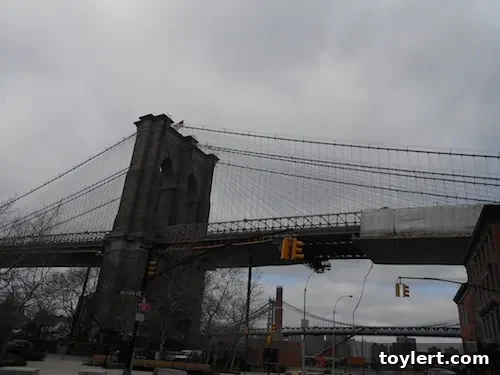
The Iconic Brooklyn Bridge: A Vital Reconstruction Effort Underway to Preserve a Landmark
The Brooklyn Bridge, an enduring symbol of New York City’s innovative spirit and architectural grandeur, is currently undergoing a massive and critically important reconstruction project. This extensive overhaul, designed to modernize and preserve one of the world’s most recognizable suspension bridges, commenced in the summer of 2010. While essential for ensuring the bridge’s long-term health, structural integrity, and public safety, recent reports indicate the project has encountered some scheduling challenges, currently running slightly behind its initial timeline.
According to the Community Board 2 Public Transportation Committee minutes from last month, the comprehensive rehabilitation work is not quite hitting its targeted completion milestones. Although the aim was to be closer to the 50 percent completion mark at this stage, the project currently stands at approximately 40 percent finished. Despite this minor delay, the monumental undertaking proceeds steadily, promising to safeguard this historic landmark for future generations. The entire initiative is slated to continue until 2014, with ongoing overnight detours, which began in April of the preceding year, remaining a necessary component of the logistical plan.
A Testament to Ingenuity: The Brooklyn Bridge’s Enduring Legacy
To fully grasp the scale and profound importance of the ongoing reconstruction, it is essential to delve into the Brooklyn Bridge’s illustrious history. Conceived by the visionary engineer John A. Roebling, and meticulously brought to fruition by his son, Washington Roebling, with the invaluable assistance of his wife, Emily Warren Roebling, the bridge stood as an unparalleled feat of engineering when it first opened to the public in 1883. At that time, it was the longest suspension bridge globally, establishing a crucial link between Manhattan and Brooklyn and profoundly transforming the urban fabric of New York City.
Its construction was fraught with immense challenges, ranging from the perilous use of pneumatic caissons for its deep underwater foundations to the pioneering development of advanced steel wire technologies for its massive cables. The Brooklyn Bridge quickly transcended its role as mere infrastructure, becoming a powerful emblem of human progress, ingenuity, and the American drive for innovation. Over 140 years since its inauguration, it continues to serve as a critical thoroughfare for millions of commuters, pedestrians, and cyclists daily, while simultaneously attracting countless tourists and standing as an undisputed architectural masterpiece admired worldwide.
Why Comprehensive Rehabilitation is Imperative for this Historic Structure
Decades of relentless use, constant exposure to severe weather conditions, and the sheer volume of daily traffic have inevitably taken their toll on the Brooklyn Bridge. Like any infrastructure dating back over a century, it necessitates periodic, large-scale intervention to uphold its structural integrity, guarantee public safety, and preserve its timeless historical aesthetic. The 2010-2014 reconstruction project is not merely a routine maintenance effort; it represents a profound restoration and crucial modernization endeavor.
The key objectives driving this extensive initiative include several critical areas:
- Rehabilitation of Approaches and Ramps: The complex network of on-ramps and off-ramps that seamlessly connect the bridge to the intricate surrounding street grid are absolutely vital for efficient and safe traffic flow. Over its long lifespan, these structures endure immense stress and considerable wear, necessitating extensive repair, reinforcement, and sometimes redesign to ensure smooth, safe transitions for the millions of vehicles that utilize the main span.
- Full Bridge Painting: A truly colossal undertaking in itself, the entire bridge structure, encompassing its iconic steel cables, majestic towers, and extensive steel framework, requires comprehensive repainting. This process extends far beyond mere aesthetic enhancement; the application of new, specialized paint serves as a critical protective barrier against corrosion, which poses a significant threat to any steel structure, especially one constantly exposed to the humid, salty air of a coastal metropolis like New York City. The meticulous selection of paint type and precise application techniques ensures long-term durability and faithfully maintains the bridge’s characteristic and historically accurate appearance.
- Cleaning and Reinstallation of Granite Stones: The Brooklyn Bridge is celebrated for its magnificent masonry towers. The granite stones, integral to both the structural stability and the overwhelming visual grandeur of the bridge, have naturally accumulated dirt, pollutants, and suffered minor wear over the many decades. This crucial part of the project involves painstaking cleaning, careful repair of any damaged or deteriorating stones, and their precise reinstallation, thereby restoring the towers to their original splendor and significantly reinforcing their foundational strength.
- Improving Truck Clearance at the BQE: A very specific, yet highly significant, challenge addressed by this project is the issue of inadequate vertical clearance for modern trucks at the Brooklyn-Queens Expressway (BQE) interchange in the vicinity of the bridge. Contemporary truck sizes frequently exceed the clearances that were originally designed for a 19th-century structure, leading to potential hazards, costly detours, and frustrating traffic bottlenecks. This vital upgrade aims to modify the approach areas to safely accommodate contemporary commercial vehicles, thereby enhancing regional logistics, improving traffic flow, and significantly reducing the risk of accidents.
- Seismic Retrofitting: Arguably one of the most critical safety enhancements of the entire project, seismic retrofitting involves comprehensively strengthening the bridge’s structure to significantly improve its ability to withstand potential earthquake activity. While New York City is not typically identified as a high-risk earthquake zone, any major infrastructure asset as vital as the Brooklyn Bridge must be robustly engineered to resist seismic forces. This sophisticated process enhances the bridge’s overall resilience, protecting it and its countless users against unforeseen natural disasters and guaranteeing its stability for centuries into the future.
Navigating the Reconstruction: Project Progress and Public Impact
The reconstruction work commenced systematically on the Brooklyn side of the bridge, meticulously addressing the various components located there. As progress continues, the project team will gradually transition operations over to the Manhattan side, ensuring a methodical, phased approach designed to minimize disruption to both traffic and pedestrian flow. A highly visible aspect of this operational shift will be the movement of the protective aluminum panels along the pedestrian and cycling promenade, which will soon relocate closer to the Manhattan side of the city as the active work zones change.
Executing such an intricate and complex project on an active and heavily trafficked urban landmark inherently presents significant logistical challenges. The slight delay from the initially targeted 50 percent completion to the current 40 percent can be attributed to a confluence of factors commonly encountered in large-scale infrastructure projects. These often include unforeseen structural complexities discovered upon closer inspection, potential material procurement and delivery delays, uncooperative or extreme weather conditions, and the intricate coordination required to maintain essential traffic flow while extensive construction is underway. Each unexpected discovery or logistical hurdle can inevitably add time to the overall schedule, underscoring the necessity for flexibility, adaptive planning, and robust contingency measures.
To facilitate the critical work and ensure the paramount safety of both the dedicated construction crews and the general public, temporary measures such as overnight detours and occasional lane closures have been absolutely necessary. These detours, which have been in effect since April of the year preceding the reported delay, are carefully designed to allow crucial work to proceed with minimal impact during peak daytime hours, although they undeniably cause some level of inconvenience for daily commuters. The New York City Department of Transportation (DOT) remains committed to communicating these essential changes effectively and promptly to help residents, visitors, and commercial operators plan their journeys across this indispensable link.
Preserving an American Icon for Future Generations
The Brooklyn Bridge reconstruction project is far more than a routine repair; it represents a profound and strategic investment in the future of New York City itself. By meticulously restoring its historical grandeur and simultaneously upgrading its structural resilience with modern engineering, the project ensures that this engineering marvel will continue to serve as both a vital transportation artery and a cherished cultural icon for many decades, indeed centuries, to come. The comprehensive efforts to repaint, restore the historic granite, enhance crucial clearances, and implement advanced seismic retrofitting all contribute to a holistic strategy aimed at extending the bridge’s operational lifespan and significantly improving its functional capabilities for the 21st century and beyond.
Upon its anticipated completion in 2014, commuters, pedestrians, and tourists alike will benefit from a thoroughly revitalized bridge that retains every ounce of its majestic historical character while seamlessly meeting the complex demands of modern urban life. Such ambitious projects, while undeniably disruptive in the short term, are utterly indispensable for maintaining the very fabric of our cities, constantly reminding us of the delicate yet crucial balance between inevitable progress and the sacred act of preservation. The Brooklyn Bridge will once again stand as a magnificent testament not only to the extraordinary vision of its original builders but also to the contemporary commitment to safeguarding our most treasured national landmarks for perpetuity.
Four More Years: B’klyn Bridge Work Starts [Brownstoner]