Unlocking Brooklyn’s Past: A Comprehensive Guide to Researching Your Building’s History
Every brick, every window pane, every foundation stone in Brooklyn holds a story. For those living in the borough’s historic brownstones, elegant townhouses, or even more modern structures, the desire to uncover the layered history of their own building is a common and deeply rewarding pursuit. What secrets do these walls keep? Who lived here before? What changes has the neighborhood witnessed over generations? Fortunately, a wealth of resources, many of which are championed by institutions like the Brooklyn Public Library (BPL), exist to help you embark on this fascinating journey of discovery.
The Brooklyn Public Library, a cornerstone of community knowledge and cultural preservation, has long been a vital hub for residents eager to delve into local history. Its dedication to providing access to essential archival materials and educational programs, such as its acclaimed “Introduction to Buildings Research” workshops, empowers individuals to become their own historical detectives. These invaluable sessions offer a structured overview of the types of information available and, critically, guide researchers to the precise locations where these treasures can be unearthed.
Why Researching Your Building’s History Matters
Beyond simple curiosity, there are numerous compelling reasons to investigate the past of your property. Understanding your building’s history connects you more deeply to your home and community. It’s not just about ownership; it’s about stewardship and appreciating the continuum of life that has unfolded within its confines. For preservationists, real estate professionals, or anyone with a keen interest in genealogy and local heritage, this research offers profound insights:
- Personal Connection: Discovering the lives of previous occupants can forge a powerful, often emotional, bond with your home. You might find stories of famous artists, community leaders, or everyday Brooklynites whose lives shaped the very fabric of the borough.
- Architectural Integrity and Preservation: For owners of historic properties, researching a building’s original design, materials, and alterations is crucial for informed renovation and restoration efforts. It helps ensure that any changes are historically accurate and preserve the building’s unique character.
- Community Context: A building’s history is inextricably linked to the history of its street, block, and neighborhood. Researching individual properties contributes to a broader understanding of Brooklyn’s urban development, demographic shifts, and architectural evolution.
- Property Value and Real Estate Insights: Historical details can add significant value and appeal to a property. Knowledge of architectural style, original features, or notable past residents can be a unique selling point. It also provides a better understanding of how the property has been modified or maintained over time.
- Genealogical Research: For those tracing family roots, property records and historical maps can often provide clues about where ancestors lived, worked, and even socialized, offering a tangible link to their past.
The Brooklyn Public Library: Your Gateway to Brooklyn’s Past
The Brooklyn Public Library stands as an unparalleled resource for anyone undertaking building research. Its vast collections and specialized departments are designed to support rigorous historical inquiry. At the heart of this support is the Shelby White and Leon Levy Information Commons, an innovative learning lab and digital hub that frequently hosts workshops like “Introduction to Buildings Research.” These sessions are meticulously crafted to provide researchers with practical tools and guidance, illuminating the often-complex paths to historical documentation.
Librarians and archivists at the BPL are not just custodians of information; they are guides, experts, and facilitators. Their knowledge of the collections, both physical and digital, can dramatically streamline your research process, helping you navigate archives that might otherwise seem overwhelming.
Essential Resources for Uncovering Brooklyn’s Building History
The journey to reconstruct your building’s past is often a multi-faceted one, requiring a deep dive into various types of records. The Brooklyn Public Library and other public archives offer access to an incredible array of documents. Here are some of the most critical resources you’ll encounter:
Sanborn Insurance Maps: A Window into Urban Development
Often considered the bedrock of building research, Sanborn Fire Insurance Maps offer incredibly detailed snapshots of urban areas at specific points in time. Originally created for fire insurance underwriting, these maps meticulously illustrate the footprints of buildings, their construction materials (wood, brick, stone), the number of stories, specific uses (residential, commercial, industrial), and even the locations of windows, doors, and fire hydrants. Researchers can use Sanborn maps to:
- Trace Structural Changes: By comparing maps from different years, you can observe when additions were built, when buildings were demolished, or when their functions changed.
- Identify Original Features: They can help confirm the original footprint of your building and potentially reveal features that have since been altered or removed.
- Understand Neighborhood Evolution: Sanborn maps provide a visual narrative of how streets and blocks developed, offering insights into the broader context of your property.
The BPL houses extensive physical collections of Sanborn maps, and many are also accessible through digital databases and at institutions like the Library of Congress.
The Brooklyn Daily Eagle Newspaper Archive: Voices from the Past
For over a century (1841-1955), the Brooklyn Daily Eagle was the authoritative voice of Brooklyn. Its archives are an invaluable primary source for local history, offering a treasure trove of information that goes far beyond daily news. Through the Eagle, you might uncover:
- Property Sales and Advertisements: Look for ads for your building, or notices of previous owners buying or selling properties.
- Building Permits and Construction News: Major construction projects, and sometimes even individual home improvements, were often reported.
- Community Life: Discover details about the neighborhood, local businesses, social events, and even prominent residents who may have lived in your building.
- Obituaries and Personal Notices: These can provide crucial biographical details about former occupants, linking names to specific addresses.
The Brooklyn Public Library offers digital access to the complete archive of the Brooklyn Daily Eagle, making it a highly accessible and powerful research tool.
NYC Department of Buildings (DOB) BIS Database: A Record of Modern Alterations
For more contemporary building history, the New York City Department of Buildings (DOB) Building Information System (BIS) Database is indispensable. This online portal provides public access to official records for buildings across the five boroughs. By simply entering an address, you can find a wealth of information, including:
- Permits and Applications: Details on construction, alteration, and demolition permits issued over many decades. This can help you track significant changes, such as additions, facade alterations, or structural work.
- Certificates of Occupancy (CO): Official documents stating the legal use and occupancy of a building.
- Violations and Complaints: Records of past issues, which can sometimes hint at structural problems or maintenance history.
The BIS database is crucial for understanding the more recent “life” of your building and any official work that has been undertaken.
Municipal Archives Tax Photo Collection: Visualizing the Past
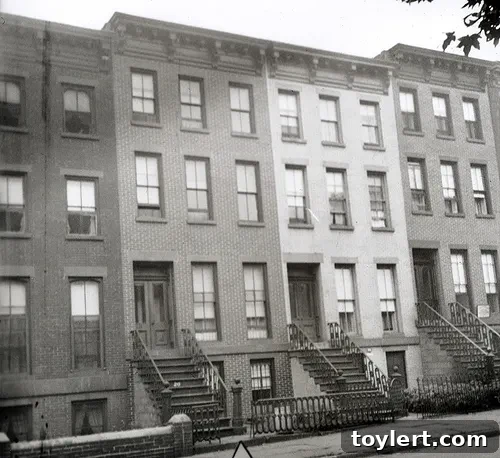
The NYC Municipal Archives holds an incredible collection of tax assessment photographs, notably the “1940s Tax Photos” collection. These photographs, taken for property tax assessment purposes, offer a visual record of virtually every building in New York City during that era. For Brooklyn researchers, these photos are invaluable because they:
- Show Original Facades: Provide clear images of a building’s exterior as it appeared in the 1930s or 1940s, allowing you to see original details that might have been lost or altered.
- Document Changes Over Time: By comparing these archival photos with modern images, you can visually track alterations to windows, doors, stoops, or entire facades.
Many of these tax photos are digitized and available online through the Municipal Archives portal, offering a direct visual link to your building’s past.
Additional Resources at the BPL and Beyond
While the above are cornerstone resources, your research will likely benefit from exploring other avenues:
- City Directories: Similar to phone books, these directories list residents and businesses by address or name, providing clues about who lived in your building and what they did.
- Census Records: Available through the National Archives and various online genealogy sites, census records can reveal demographic information about former occupants, including their names, ages, occupations, and family structures.
- Deeds and Property Records: Tracing the chain of ownership through deed records at the NYC Department of Finance ACRIS system (Automated City Register Information System) or the County Clerk’s office can establish a clear lineage of property owners.
- Architectural Drawings and Blueprints: Sometimes available in archival collections, these offer detailed insights into a building’s design and construction.
- Brooklyn Historical Society (now Center for Brooklyn History at BPL): This institution is another unparalleled resource, housing a vast collection of Brooklyn-specific archival materials, photographs, and oral histories.
- Oral Histories: Speaking with long-time residents of your neighborhood can sometimes yield invaluable anecdotal evidence and personal memories about your building or street.
Tips for a Successful Building Research Journey
Embarking on building research can feel like a detective mission, but with a systematic approach, it becomes immensely enjoyable. Here are a few tips to guide you:
- Start with What You Know: Gather all existing documents for your property – old deeds, surveys, renovation plans. These can provide a crucial starting point.
- Be Organized: Keep meticulous notes, create a timeline, and save copies of all the documents and images you find. Digital folders for different categories (maps, photos, deeds) are highly recommended.
- Cross-Reference Information: No single source tells the whole story. Corroborate details from one source with information found in others to build a comprehensive and accurate picture.
- Don’t Be Afraid to Ask for Help: Librarians and archivists are your best friends in this process. They are experts in their collections and can offer invaluable advice and direction.
- Embrace the Process: Research takes time and patience. There will be dead ends and unexpected discoveries. Enjoy the journey of uncovering history piece by piece.
The Journey Awaits: Unlocking Your Building’s Secrets
The opportunity to delve into the history of your Brooklyn building is more than just an academic exercise; it’s a profound connection to the past and a deeper appreciation for the present. The resources available through the Brooklyn Public Library and other city archives offer an unparalleled gateway to this exploration. Whether you’re a first-time homeowner in a historic district or a seasoned preservationist, the tools and guidance are there for you to uncover the hidden narratives within your walls.
So, take the first step. Visit the Brooklyn Public Library, explore their digital resources, or attend an “Introduction to Buildings Research” workshop. The stories of Brooklyn are waiting to be told, and your building holds one of them. Happy researching!
Photo by Jimmy Legs, depicting a historic street scene in Brooklyn, capturing the timeless essence of the borough’s architectural heritage.