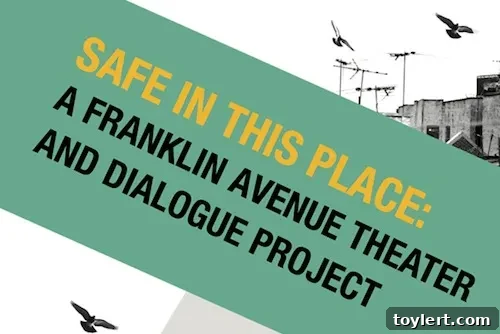
Fostering Dialogue and Understanding: ‘Safe In This Place’ Shines a Light on Crown Heights
The vibrancy of urban communities often comes with a complex tapestry of experiences, challenges, and aspirations. In the heart of Brooklyn, the neighborhood of Crown Heights serves as a microcosm of these intricate dynamics. Understanding what it truly means to feel “safe” within such a diverse and evolving landscape is a conversation of paramount importance. Recognizing this need, the Crow Hill Community Association (CHCA) spearheaded an insightful and deeply engaging project culminating in a transformative theater performance titled “Safe In This Place.” This innovative initiative moved beyond conventional dialogues, utilizing the expressive power of theater to explore the multifaceted layers of safety, community, and belonging.
Scheduled for Thursday, March 8, from 7:30 PM to 9:30 PM at the welcoming St. Teresa of Avila Church, located at 563 Sterling Place, this public sharing event promised to be more than just a performance. It represented the culmination of an intensive and collaborative journey – eight weeks of dedicated community workshopping. During these sessions, residents, community leaders, and diverse voices from Crown Heights came together to frankly discuss, debate, and delineate their understanding of safety within their neighborhood. The CHCA, a pillar of community engagement in the area, articulated the core of this project, stating that participants had “raised questions about community, race, class, gentrification, power, police, diversity, and change.” These critical themes, central to the urban experience, formed the bedrock of the discussions and subsequent theatrical pieces.
The Genesis of ‘Safe In This Place’: A Community’s Voice
The Crow Hill Community Association has long been a proactive force in nurturing local bonds and addressing pressing issues that impact the quality of life for Crown Heights residents. Their decision to launch “Safe In This Place” as a community theater project speaks volumes about their innovative approach to civic engagement. Rather than simply hosting town halls, which can sometimes be limiting in their ability to foster deep emotional understanding, CHCA opted for a format that encourages empathy, personal storytelling, and collective reflection. The eight weeks of workshops were designed to be an inclusive space where individuals felt empowered to share their perspectives, anxieties, and hopes concerning safety in their daily lives.
These workshops were not merely discussion groups; they were a creative incubator. Under the guidance of experienced facilitators, participants explored various theatrical techniques to translate their lived experiences and complex emotions into performable art. This process, often referred to as participatory theater or theater of the oppressed, empowers ordinary citizens to become playwrights and performers of their own stories. It allows for a powerful exploration of sensitive topics in a way that is both cathartic for the participants and profoundly impactful for the audience. By actively shaping the narrative, community members not only voiced their concerns but also collaboratively sought potential solutions and pathways to greater understanding within their shared environment.
Exploring Complex Themes: Race, Class, Gentrification, and Police Relations
The specified themes – community, race, class, gentrification, power, police, diversity, and change – are intricately interwoven in the narrative of Crown Heights and many other urban neighborhoods across the globe. “Safe In This Place” provided a vital platform for these discussions, allowing nuances to emerge that might otherwise be overlooked in more superficial conversations.
- Race and Class: These elements often dictate who feels safe and who does not. Historical disparities, socio-economic stratification, and ongoing systemic issues mean that perceptions of safety can diverge significantly across racial and class lines within the same geographic area. The performance delved into how these factors shape daily interactions, access to resources, and overall sense of security.
- Gentrification and Change: Crown Heights has experienced significant demographic and economic shifts. While some view gentrification as progress, it often brings with it anxieties about displacement, loss of cultural identity, and a changing social fabric. The workshops likely explored how these changes impact the established community, fostering discussions about new residents, evolving neighborhood norms, and the challenges of integrating diverse populations while preserving heritage.
- Power and Police: The relationship between communities and law enforcement is a perennial topic of concern, particularly in historically marginalized neighborhoods. Questions about police presence, community policing strategies, accountability, and the very definition of “protection” were undoubtedly central to the workshopping process. The theatrical pieces provided an opportunity to portray these interactions from multiple perspectives, challenging preconceived notions and fostering a deeper understanding of the complexities involved.
- Diversity and Community: While Crown Heights is celebrated for its rich diversity, managing that diversity into a cohesive, safe, and inclusive community requires ongoing effort. The project aimed to bridge divides, highlight shared values, and explore how to build a stronger sense of collective responsibility and belonging among all residents, regardless of background.
Through the unique lens of theater, these discussions transcended mere abstract concepts, transforming them into relatable human experiences. The goal was not to assign blame but to illuminate experiences, foster empathy, and collectively envision a more inclusive and secure future for all.
The Power of Participatory Theater: Engaging the Audience in Continued Dialogue
What made “Safe In This Place” particularly impactful was its commitment to interactivity. As the CHCA clearly stated, “In this interactive public sharing of the project, the group members will perform pieces of theater and engage the audience in a continued dialogue about these questions.” This wasn’t a passive viewing experience. Following the performances, the audience was invited to become part of the ongoing conversation. This format, often inspired by Augusto Boal’s Theater of the Oppressed, encourages spectators to transition into “spect-actors,” where they are not just observers but active participants in shaping the narrative and exploring solutions.
This interactive element is crucial for several reasons:
- Breaks Down Barriers: It blurs the lines between performers and audience, encouraging a more open and honest exchange.
- Promotes Active Listening: Attendees are prompted to listen not just for understanding, but to contribute their own insights and perspectives.
- Empowers Solutions: By engaging the audience in dialogue, the event moves beyond identifying problems to collaboratively exploring potential community-led solutions and actions.
- Fosters Community Building: The shared experience of performance and discussion strengthens community bonds and promotes a sense of collective ownership over neighborhood issues.
Such an approach ensures that the impact of the project extends far beyond the performance itself. It plants seeds for ongoing conversations, encourages critical thinking about civic issues, and inspires residents to become more active participants in shaping the safety and well-being of their community.
A Sacred Space for Civic Engagement: St. Teresa of Avila Church
The choice of St. Teresa of Avila Church at 563 Sterling Place as the venue for this significant event is also noteworthy. Churches and other faith-based institutions often serve as vital community hubs, providing accessible and neutral spaces for public gatherings, cultural events, and civic discourse. By hosting “Safe In This Place,” St. Teresa of Avila Church reaffirmed its role not just as a place of worship, but as a central pillar of community life in Crown Heights. Such venues offer a sense of familiarity and welcome that can make sensitive discussions more approachable for a broad cross-section of the population, underscoring the collaborative spirit of the project.
Join the Conversation: A Call to Action for Crown Heights Residents
The “Safe In This Place” project stands as a testament to the power of community-led initiatives in addressing complex social issues. It highlights how art, specifically theater, can serve as an incredibly effective tool for fostering dialogue, building empathy, and driving positive change within a neighborhood. By engaging residents in a creative process and inviting the wider community to participate in an interactive performance, the Crow Hill Community Association has paved the way for a deeper, more nuanced understanding of what it means to truly feel safe and belong in Crown Heights.
Residents of Crown Heights and interested individuals were strongly encouraged to attend this pivotal event. It was not merely an opportunity to witness powerful performances, but a chance to actively contribute to the ongoing narrative of safety, community, and progress in one of Brooklyn’s most dynamic neighborhoods. To ensure your participation in this vital community dialogue, the Crow Hill Community Association requested an RSVP to [email protected]. By coming together, sharing experiences, and engaging in respectful dialogue, the community collectively strengthens its fabric, ensuring that Crown Heights continues to evolve as a place where all residents can truly feel safe and empowered.