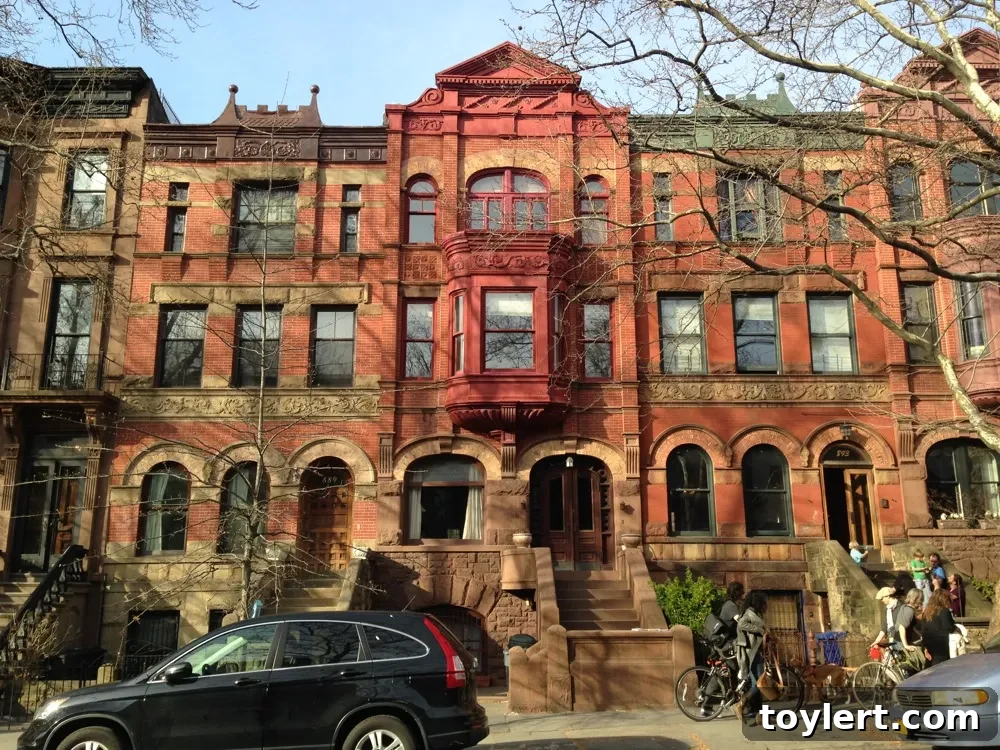
Navigating New York’s Future: Historic Preservation, Affordable Housing, and Cultural Identity
New York City, a metropolis in constant flux, stands at a pivotal crossroads where its storied past confronts the demands of its dynamic future. The intricate dance between safeguarding historical integrity, ensuring equitable housing, and preserving distinct cultural identities in rapidly evolving neighborhoods presents an enduring challenge. Recognizing the urgency of this dialogue, the Museum of the City of New York (MCNY) has meticulously curated an illuminating exhibit, Saving Place: 50 Years of New York City Landmarks. Complementing this powerful exhibition, MCNY is hosting a crucial series of panel discussions throughout the summer, bringing together a diverse array of experts and community leaders to dissect these multifaceted urban dilemmas.
The Saving Place exhibit itself is a profound homage to New York’s enduring commitment to its architectural legacy over the past five decades. It meticulously chronicles the landmarking movement, celebrating the iconic structures and historically significant districts that collectively define the city’s unparalleled character. However, merely celebrating the past offers an incomplete picture; it is imperative to understand its profound implications for the present and its shaping influence on the future. These ongoing discussions at MCNY are designed to bridge that interpretive gap, moving beyond mere aesthetic appreciation to confront the intricate socio-economic and cultural challenges inextricably linked with contemporary urban development and preservation efforts.
Panel Focus 1: Preserving the Fabric of Our Neighborhoods – Unraveling the Link Between Preservation and Affordability
The inaugural panel discussion, thoughtfully titled Preserving the Fabric of Our Neighborhoods, delves into one of the most vigorously debated topics in modern urban planning: the complex and often contentious relationship between historic preservation and the critical need for affordable housing. Critics frequently contend that stringent preservation guidelines can inadvertently intensify housing crises by restricting new development and subsequently inflating property values in protected areas, rendering them increasingly inaccessible to a broad spectrum of income levels. Conversely, staunch proponents assert that preservation is vital for protecting neighborhood character, fostering local tourism, attracting sustained investment, and maintaining the unique aesthetic appeal that remains a primary draw for residents and visitors alike in New York City.
Navigating the Preservation-Affordability Conundrum in NYC
New York City’s housing market is notoriously competitive, with affordability consistently ranking as a paramount concern for residents across all five boroughs. When a neighborhood achieves historic district designation, it often experiences a significant surge in property values, posing substantial challenges for long-term residents, particularly those with lower incomes, to maintain their homes and livelihoods within their communities. This illuminating panel aims to meticulously explore these inherent tensions, seeking innovative and pragmatic solutions alongside fostering a shared understanding of the underlying issues. Can historic districts evolve dynamically while simultaneously retaining their distinctive charm and offering genuinely accessible housing options for all? Are there pioneering strategies, such as the adaptive reuse of historically significant buildings for much-needed affordable housing units, or carefully targeted zoning reforms implemented within broader historic contexts, that can effectively reconcile these seemingly divergent goals?
This pivotal discussion features some of the most prominent voices in both urban governance and esteemed academia. Manhattan Borough President Gale Brewer, a long-standing and dedicated advocate for both robust community well-being and responsible, sustainable development, contributes an essential political and policy perspective. Her extensive experience in deftly navigating the myriad demands of a densely populated and diverse borough provides invaluable insight into the practical challenges and potential legislative avenues for achieving a harmonious balance. Joining her is Ingrid Gould Ellen, the distinguished director of the urban planning program at NYU Wagner. Professor Ellen’s academic rigor, coupled with her extensive research into housing policy, urban economics, and the intricate dynamics of neighborhood change, offers a crucial data-driven approach to understanding the complex forces at play, thereby illuminating evidence-based pathways toward a more equitable urban future.
Panel Focus 2: Is Preservation Elitist? – Safeguarding Cultural Identity Amidst Urban Transformation
The MCNY series continues with an equally thought-provoking and profoundly essential conversation: Is Preservation Elitist? This panel fearlessly confronts the widespread perception that historic preservation frequently prioritizes architectural aesthetics and monumental structures over the vibrant, living, and breathing cultural fabric of a community. It provocatively moves beyond the conventional discussion of simply preserving physical buildings to address the profound and nuanced question of how to effectively preserve a “culturally distinctive” place, particularly in the relentless face of rapid gentrification and significant demographic shifts.
Beyond Bricks and Mortar: The Imperative of Preserving Intangible Heritage
What precisely constitutes a “culturally distinctive” place in the urban landscape? It unequivocally encompasses far more than just the physical structures; it extends to the rich tapestry of stories, time-honored traditions, cherished community gathering spots, vital small businesses, and the diverse populations that collectively imbue a neighborhood with its irreplaceable soul. As neighborhoods undergo profound transformations, often propelled by new development initiatives and a substantial influx of wealthier residents, the original cultural markers—such as beloved independent bookstores, authentic ethnic eateries, historically significant churches, or vibrant local art spaces—are increasingly susceptible to displacement or outright loss. This crucial panel seeks to comprehensively understand how communities can proactively protect their invaluable intangible heritage and ensure that preservation efforts are genuinely inclusive and accurately reflective of all residents, rather than exclusively serving a select few.
The panel features a remarkably diverse group of visionary thought leaders, each offering a unique and critical lens on this multifaceted challenge. Tia Powell Harris, the esteemed arts director for the Weeksville Heritage Center, contributes invaluable experience gleaned from an institution steadfastly dedicated to preserving the history of one of the nation’s earliest free African American communities. Her pioneering work underscores the critical importance of cultural memory and the profound impact of community-led preservation initiatives. Nikolai Fedak, the innovative founder of New York YIMBY (Yes In My Backyard), offers a perspective often perceived as an ideological counterpoint to traditional preservation. The YIMBY movement passionately advocates for increased housing density and extensive development as a primary means to combat pressing affordability issues, thereby providing a crucial counterpoint that compels a profound re-evaluation of how much preservation is truly optimal, and critically, at whose socio-economic cost. Completing this formidable lineup is Claudette Brady of the Bedford Stuyvesant Society for Historic Preservation. Representing a historically rich Brooklyn neighborhood currently experiencing intense development pressures, Brady provides an essential ground-level view of community struggles and hard-won successes in maintaining distinct identity amidst unrelenting change. Collectively, these distinguished panelists will meticulously explore innovative strategies for rendering preservation more equitable, accessible, and profoundly impactful for all New Yorkers.
The Broader Significance: Charting a Sustainable and Equitable Future for New York City
These transformative panel discussions at the Museum of the City of New York transcend mere academic exercises; they represent vital, ongoing conversations fundamentally shaping the trajectory of one of the world’s most iconic and influential cities. They compel us, as a society, to ask profound and fundamental questions about what we collectively value, how we judiciously allocate precious urban resources, and critically, who ultimately benefits from the relentless march of urban development. The inherent tension between the imperatives of growth and preservation, between the pursuit of progress and the safeguarding of identity, is not a phenomenon exclusive to New York, yet its particular intensity within this global city renders these debates exceptionally resonant and broadly applicable.
By thoughtfully bringing together a powerful coalition of policymakers, respected academics, passionate activists, and engaged community members, MCNY effectively facilitates a crucial and dynamic exchange of diverse ideas. The overarching goal is not necessarily to discover simplistic or monolithic answers, but rather to cultivate a far deeper, more nuanced understanding of the inherent complexities involved and to inspire collaborative, innovative, and sustainable approaches. As New York City continues its perpetual evolution, the invaluable lessons gleaned and insights shared from these compelling discussions will undoubtedly exert a significant influence on how the city delicately balances its aspirational future with its deeply revered past, thereby ensuring it remains a vibrant, diverse, and accessible home for countless generations to come. Engaging actively with these critical topics is absolutely essential for anyone deeply invested in the sustainable and equitable development of thriving urban environments worldwide.
The ongoing, vibrant dialogue ignited by the Saving Place exhibit and its accompanying public programs unequivocally underscores that preservation is fundamentally not just about antiquated buildings; it is profoundly about people, resilient communities, and the very enduring soul of a city.