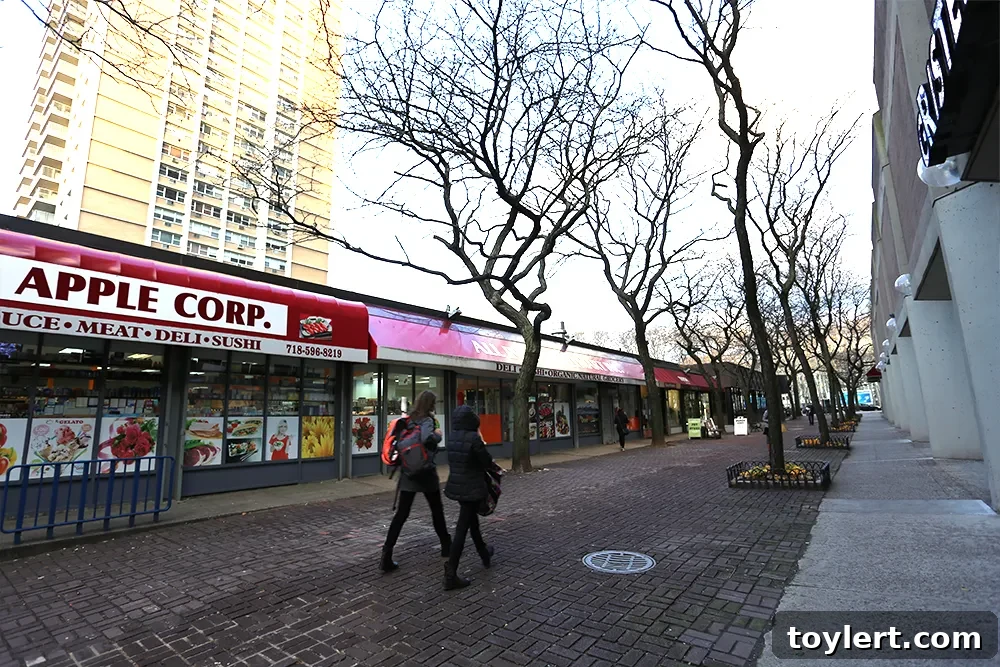
Brooklyn Heights Community Says No to $130 Million: The 75 Henry Street Development Snub
In a move that has sent ripples through New York City’s real estate and urban development circles, the residents of 75 Henry Street in iconic Brooklyn Heights recently voted against further considering a colossal $130 million offer from a prominent developer. This substantial sum was proposed for the construction of a controversial 40-story luxury condominium tower on an adjacent parcel. The decisive rejection poses a compelling question: Was this a prudent decision to safeguard a cherished neighborhood, or a costly dismissal of a significant financial windfall?
The ballot, cast by shareholders of Whitman Owner Corp., the co-operative that collectively owns the land at 75 Henry Street, saw 191 votes against pursuing the development proposals versus 112 in favor. This outcome effectively halts plans for a towering structure on the coveted site, which stretches from Cadman Plaza West to Henry Street and borders the charming Pineapple Walk. The community’s decision underscores a deep-seated commitment to preserving the unique character and historic fabric of Brooklyn Heights, even in the face of unprecedented financial temptation.
The Heart of the Matter: A Community’s Stand Against Towering Ambition
The prospective developer, Anbau Enterprises, had aggressively pursued the opportunity, initially offering $75 million for the parcel. Recognizing the site’s strategic value and the potential for a landmark development in one of Brooklyn’s most sought-after neighborhoods, Anbau substantially increased its offer to a staggering $130 million. This revised proposal held the promise of an individual payout exceeding $120,000 for each shareholder in the Whitman Owner Corp., a life-changing sum for many. Yet, despite the allure of such a significant financial gain, the collective will of the residents prioritized other values.
This vote is more than a simple rejection of a property deal; it represents a powerful assertion of community autonomy and a testament to the intangible worth residents place on their quality of life. The decision reflects a complex interplay of financial considerations, urban planning principles, and an unwavering desire to protect the historic charm that defines Brooklyn Heights. It sets a notable precedent, demonstrating that not all development opportunities, however lucrative, are deemed acceptable when weighed against the potential erosion of a neighborhood’s identity.
Brooklyn Heights: A Coveted Landscape Under Pressure
Brooklyn Heights stands as one of New York City’s most picturesque and historically significant neighborhoods. Known for its tree-lined streets, stunning brownstones, breathtaking views of the Manhattan skyline and the harbor, and a serene, village-like atmosphere, it is a haven distinct from the bustling metropolis. The neighborhood’s rich architectural heritage, protected by landmark designations, contributes to its enduring appeal and high property values. Residents and visitors alike cherish its quiet residential feel, boutique shops, and proximity to cultural landmarks.
However, this very desirability makes Brooklyn Heights a prime target for developers eager to capitalize on its prestige and strategic location. The limited available land for new construction often leads to proposals for high-density projects that can conflict with existing zoning regulations and the established character of the area. The pressure to build upwards is particularly strong in areas adjacent to major transportation hubs and commercial districts, such as Cadman Plaza, where the potential for luxury condominiums promises immense profits. This dynamic frequently pits the interests of developers against the steadfast efforts of community preservationists and long-term residents.
The Developer’s Vision: Anbau Enterprises and the Proposed Tower
Anbau Enterprises, a reputable New York City real estate development firm, identified the parcel next to 75 Henry Street as a prime location for a significant luxury residential project. Their vision likely entailed a modern, high-rise condominium building designed to attract affluent buyers seeking premium amenities and unparalleled views. A 40-story tower would undoubtedly have become a new focal point in the area, offering hundreds of new residential units and potentially reshaping the immediate skyline around Cadman Plaza West and Henry Street.
Such a development would have commanded top-tier prices, given the scarcity of new construction in Brooklyn Heights and the consistent demand for high-end properties. Developers often consider not only the physical land but also “air rights” – the unused development potential above existing structures – to maximize density and height. The $130 million offer suggests Anbau saw immense profit potential, anticipating a significant return on investment through the sale of luxury units. The proposal, however, quickly ignited strong opposition due to its scale and perceived incompatibility with the surrounding historical architecture and community standards.
Unpacking the Vote: Financial Gain vs. Neighborhood Integrity
The vote at 75 Henry Street encapsulates a classic urban dilemma: balancing financial opportunity with the preservation of community character. Understanding the motivations behind both the “yes” and “no” votes reveals the complex considerations at play.
The Allure of $130 Million: Why Say Yes?
For many shareholders, the financial incentive was undeniably powerful. A payout of over $120,000 per household could have offered substantial benefits, from paying off mortgages to funding retirement, children’s education, or significant home improvements. The prospect of such a large, unexpected sum could profoundly impact individual financial security. Furthermore, some residents might have viewed the sale as a pragmatic financial decision, arguing that land, even for a co-op, is a valuable asset that should be leveraged when presented with a compelling offer. Arguments for acceptance also included:
- Immediate Financial Boost: A significant cash infusion for individual shareholders.
- Investment Opportunity: Capital that could be reinvested or used for future financial planning.
- Property Modernization: Potential for the co-op to use some funds for building upgrades or maintenance.
- Economic Development: Some might see new construction as a sign of progress and economic vitality for the broader area.
The Priceless Value of Preservation: Why Say No?
Despite the substantial financial enticement, the majority of shareholders ultimately prioritized the intangible benefits of their current living environment. Their concerns were rooted in the potential negative impacts of a massive development on their immediate surroundings and the broader Brooklyn Heights community. These concerns are common in historic districts facing intense development pressure and often include:
- Loss of Light and Views: A 40-story tower would undoubtedly block sunlight and obstruct precious views for existing residents, significantly diminishing their quality of life.
- Increased Traffic and Noise: New construction and an influx of hundreds of new residents would exacerbate traffic congestion, parking issues, and noise pollution.
- Strain on Infrastructure: More residents place a greater burden on local services, schools, and transportation infrastructure.
- Erosion of Neighborhood Character: A towering modern structure can clash dramatically with the low-rise, historic aesthetic of Brooklyn Heights, altering its unique charm.
- Setting a Precedent: Approving one large-scale development could open the floodgates for similar projects, threatening further changes to the area.
- Community Cohesion: Many residents value the stable, established community and fear that rapid development could disrupt social ties and create a less cohesive environment.
The Co-op Model: A Unique Power Dynamic
The collective ownership structure of a co-operative like Whitman Owner Corp. played a crucial role in this decision. Unlike a typical condominium or rental building, co-op shareholders don’t just own their individual units; they own shares in the corporation that owns the entire building and the land it sits on. This collective ownership grants them a unique power to make decisions regarding the property as a whole, often through a democratic voting process.
For a decision of such magnitude – involving the sale of valuable adjacent land and the profound impact of a new development – the voting process becomes a true test of community consensus. It requires shareholders to weigh their individual financial interests against the collective good and long-term vision for their shared home and neighborhood. The significant turnout and decisive vote at 75 Henry Street highlight the robust engagement of the co-op members and their collective resolve in shaping their immediate future.
A Precedent Set? Implications for Urban Development
The rejection of Anbau’s $130 million offer at 75 Henry Street sends a strong message to developers and urban planners across New York City and beyond. It demonstrates the enduring power of community resistance and the willingness of residents to prioritize quality of life and neighborhood preservation over substantial financial gain. In an increasingly dense and rapidly developing urban landscape, this vote could serve as a powerful precedent for other communities grappling with similar proposals.
It underscores a growing trend where residents in established, desirable neighborhoods are becoming increasingly vocal and organized in their opposition to developments they perceive as incompatible with their environment. This phenomenon forces developers to engage more thoughtfully with communities, potentially leading to more nuanced and context-sensitive projects, or facing outright rejection. The decision at 75 Henry Street will likely be studied by both community activists seeking to protect their neighborhoods and developers evaluating the risks and rewards of large-scale projects in resistant areas.
The Future of Pineapple Walk and 75 Henry Street
With the decisive “no” vote, the adjacent parcel running from Cadman Plaza West to Henry Street will remain undeveloped for the foreseeable future. This outcome preserves the status quo for the residents of 75 Henry Street, maintaining their light, views, and the cherished quiet of their immediate surroundings. For now, the open space will continue to contribute to the neighborhood’s unique atmosphere, unmarred by a towering structure.
While Anbau Enterprises will undoubtedly move on to other projects, the site’s inherent value and prime location mean it may attract other development proposals in the future. However, any prospective developer will now be acutely aware of the strong community sentiment and the high bar set by the Whitman Owner Corp.’s previous rejection. The residents of 75 Henry Street have made their priorities clear: the character of Brooklyn Heights is not for sale, at least not at any price offered thus far.
The decision by the residents of 75 Henry Street will long be debated in Brooklyn Heights and beyond. Was it a moment of astute foresight, securing the timeless appeal of their neighborhood against the relentless march of development? Or a missed opportunity, forsaking a fortune that could have benefited many? Regardless of one’s perspective, this vote stands as a powerful testament to the enduring value of community, culture, and the courage to say “no” when it matters most.