The Controversial Closure of Long Island College Hospital: A Battle Over Healthcare and Real Estate
The summer of 2013 witnessed a dramatic and highly contentious event unfold in Brooklyn: the closure of Long Island College Hospital (LICH). Despite a standing court order and amidst a scorching heatwave, the State University of New York (SUNY), which operated LICH, pressed forward with its plans to cease operations. This move sparked outrage among the community, legal challenges, and raised critical questions about the future of healthcare provision in New York City, all while shining a stark light on the immense real estate value of the hospital’s prime location.
For decades, Long Island College Hospital stood as a vital healthcare pillar for the communities of Cobble Hill, Brooklyn Heights, and surrounding areas. Its closure, however, was not merely a financial decision but a complex saga involving legal defiance, community activism, and the underlying allure of valuable urban property. The situation, widely reported by major news outlets like The New York Times, Crain’s New York Business, and the New York Post, quickly became a symbol of the broader challenges confronting healthcare institutions across the nation.
Defiance Amidst Crisis: SUNY’s Unyielding Stance
Late on a Wednesday, as temperatures soared, SUNY issued a new closure plan for LICH, effectively instructing staff to discharge any remaining patients and preparing doctors for termination letters. This action came despite a temporary restraining order issued by the courts, which was intended to halt the closure process. SUNY, however, argued that because it had filed an appeal against the restraining order, the order itself was not in effect, a legal interpretation that drew significant criticism and fueled public outcry.
The hospital, once bustling, was eerily quiet and near empty, yet still incurring substantial operational losses. Reports indicated LICH was hemorrhaging an astonishing $15 million a month, primarily due to staff salaries for a facility with rapidly dwindling patient numbers. This financial bleed was a key part of SUNY’s rationale for accelerating the closure, painting a picture of an unsustainable enterprise that could no longer justify its existence, especially when compared to the potential economic benefits of shuttering it.
The speed and apparent ruthlessness of the closure process left many bewildered and concerned. Patients who had relied on LICH for years found themselves scrambling for alternative care, often under duress. The medical staff, dedicated professionals who had served the community, faced an uncertain future, adding a profound human dimension to the institutional crisis. This immediate disruption underscored the severe practical implications of such a rapid and contentious shutdown on vulnerable populations.
Strained Resources and Eroding Patient Safety
The ripple effects of LICH’s imminent closure were immediately felt across Brooklyn’s healthcare landscape. Emergency services, already under pressure, faced unprecedented strain. Nurses reported a significant slowdown in emergency response times, with ambulances frequently backed up at Methodist Hospital in Park Slope. This congestion meant critical delays in patient care, as paramedics struggled to unload patients into an already overwhelmed facility.
A paramedic quoted by the New York Post highlighted the gravity of the situation: “I spoke to a woman yesterday whose mother waited two days to be seen at Methodist Hospital because they were so backed up.” Such accounts painted a grim picture of a healthcare system pushed to its breaking point, where the loss of a major hospital directly translated into compromised patient safety and a deterioration of care quality for the entire borough. The forced diversion of emergency cases to other facilities placed immense pressure on their resources, leading to longer wait times, staff burnout, and a reduced capacity to handle routine and critical cases efficiently.
The loss of LICH, particularly its emergency room and specialized services, created a significant void in an already densely populated urban area. For residents of Cobble Hill, Brooklyn Heights, and surrounding neighborhoods, access to immediate, local care became a serious concern. This increased burden on neighboring hospitals, combined with longer travel times for patients, raised fundamental questions about healthcare access and equity in an increasingly complex and financially driven environment.
The Broader Implications: A Shifting Healthcare Landscape
Beyond the immediate crisis in Brooklyn, the saga of Long Island College Hospital served as a stark illustration of profound shifts occurring within the broader U.S. healthcare system. The New York Times aptly noted that LICH’s “grim fate illustrates how health care is changing in New York and in the country, as hospitals confront seismic changes in patient care and how it is financed.” This observation pointed to systemic issues far greater than the solvency of a single hospital.
Hospitals nationwide were, and continue to be, grappling with evolving patient care models, such as a greater emphasis on outpatient services, preventative care, and integrated health networks. Financial pressures mounted due to declining reimbursement rates from insurers, increased regulatory burdens, and the rising costs of technology, equipment, and highly skilled staff. Many traditional, standalone hospitals found themselves struggling to adapt to these new realities, often facing immense pressure to merge, consolidate, or, in LICH’s case, close.
The LICH closure highlighted the difficult balance between maintaining essential public health services and navigating the intricate financial realities of modern medicine. It forced communities and policymakers to confront the often-painful trade-offs involved in healthcare reform and the future viability of community hospitals, particularly those serving diverse and densely populated urban centers.
Real Estate: The Unspoken Driving Force
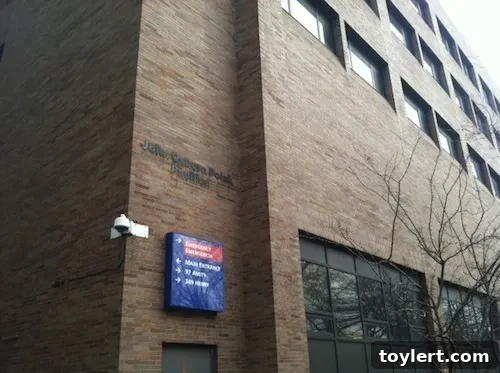
While discussions often centered on financial viability and healthcare sustainability, an undeniable and potent factor influencing LICH’s fate was its extraordinarily valuable real estate. As The New York Times succinctly put it, “The huge red brick building in Cobble Hill stands on the border of Brooklyn Heights, with sweeping views of the Manhattan skyline that make it more valuable as a real estate development site than as a medical center.”
This statement cuts to the core of a recurring dilemma in rapidly gentrifying urban areas: the conflict between public service institutions and the immense profits offered by high-value property development. The LICH site, with its expansive footprint and unparalleled views of the East River and Manhattan skyline, was a developer’s dream. Its location at the nexus of two of Brooklyn’s most desirable and affluent neighborhoods – Cobble Hill and Brooklyn Heights – rendered it prime for luxury residential conversions or mixed-use developments that promised lucrative returns.
The astronomical value of the land upon which LICH sat undoubtedly played a significant, if often understated, role in the decision-making process. The potential for a massive influx of tax revenue and high-end residential units likely overshadowed the perceived financial and logistical difficulties of maintaining a struggling hospital. This dynamic underscored a larger trend where the public good of healthcare provision often clashes with the private interests of real estate speculation and urban transformation. The LICH case became a potent symbol of this tension, sparking debates about land use, community needs, and the power of developers in shaping urban landscapes.
A Legacy of Conflict and Transformation
The closure of Long Island College Hospital left a complex legacy. It solidified fears within communities about the fragility of local healthcare institutions and the potential for financial interests to supersede public welfare. It also highlighted the ongoing legal and political battles that often accompany such closures, with community groups, unions, and local politicians fighting fiercely to preserve essential services.
Ultimately, the LICH saga became a touchstone for discussions on how cities should balance their healthcare needs with urban development pressures. It underscored the critical necessity for robust public policy frameworks that can protect vital community assets from purely market-driven forces. While the physical structure of LICH may have given way to new developments, its story continues to resonate as a powerful example of the challenges and transformations facing healthcare and urban life in the 21st century.